
Best Black Suede Pumps: Budget, Midrange, and Premium Guide for 2026
Disclosure: We may earn a commission when you buy through links on this page, at no extra cost to you. As an Amazon Associate I earn from qualifying purchases. Learn more

Learn how to choose the best black suede pumps at any budget, what each price tier delivers, which features matter, and how to care for suede.
Prices for suede pumps stretch from under $50 to well over $400, and the photos often look alike. The real differences hide in the suede quality, the padding under your foot, and how the heel is built. This guide shows you where money actually changes the shoe, so you can choose the best black suede pumps for your budget without paying for a name alone.
We will walk through what each price tier delivers, which upgrades are worth funding, and which extras you can skip. Suede adds one more factor, since it needs protection from water and a little regular care at every price. Use the comparison table below to line up your budget against the features that matter for how often you will wear the shoes.
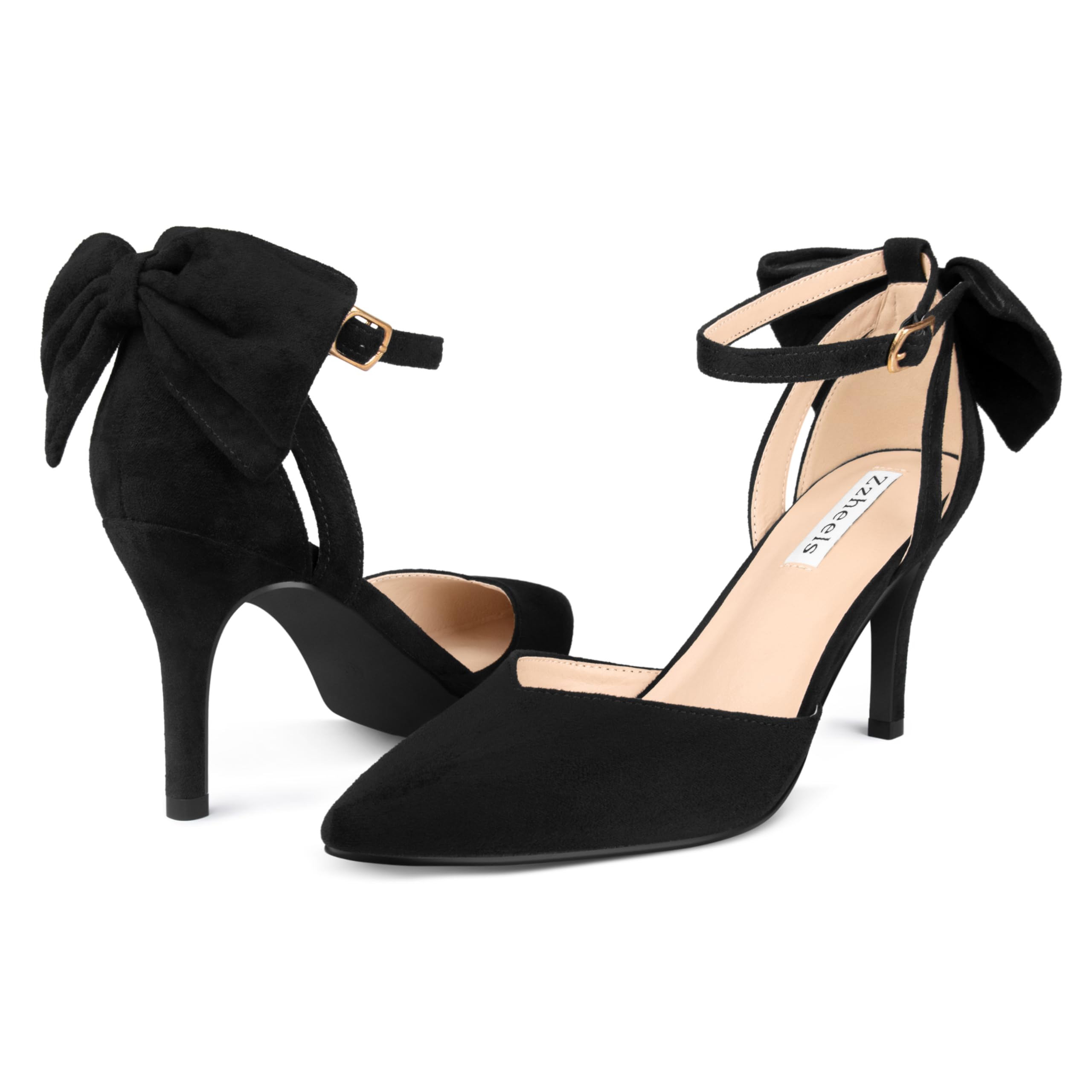
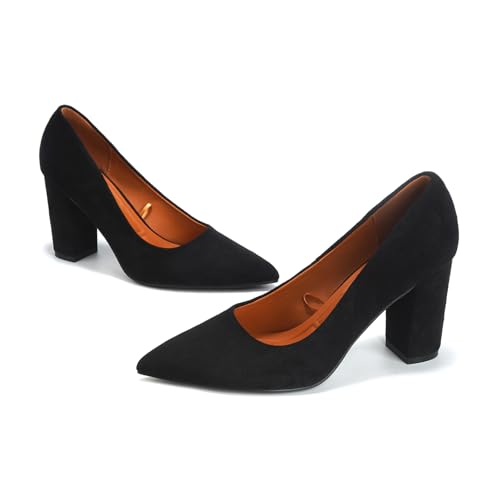

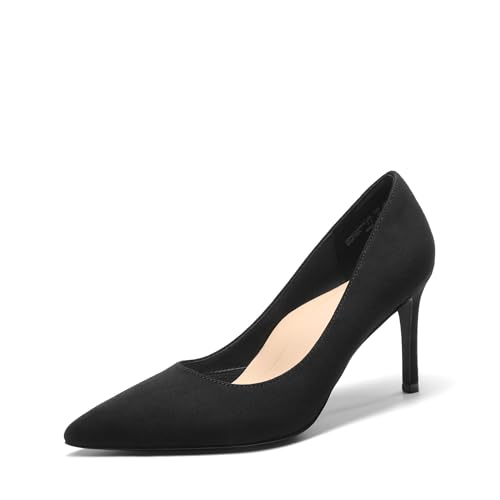
What Your Money Gets You in Black Suede Pumps
Budget Tier: What to Expect
At this level your money buys the look and a basic structure. Uppers are often synthetic suede with a short nap, linings are fabric, and the footbed is a thin foam layer. Heel heights cluster around classic shapes because tooling for simple designs costs less. Quality control varies, so check both shoes for glue marks and straight heels on arrival. This tier fits buyers who need a dressy black pump a few times a year, students on a tight budget, and anyone testing whether a pointed toe or a taller heel suits their feet before spending more.
Midrange Tier: The Sweet Spot for Most Buyers
Midrange money upgrades the parts you feel. Genuine suede drapes better over the foot and ages more gracefully, cushioned footbeds keep the ball of the foot comfortable through an evening, and sturdier heel bases reduce wobble. You also gain wider size and width choices, which matters because fit is the top comfort factor. Small details improve too, such as softer collar padding and quieter rubber heel caps. If you wear pumps to work or to events twice a month or more, this tier returns its cost in comfort and lifespan without the care anxiety of premium prices.
Premium Tier: When Spending More Pays Off
Spending more pays off when wear is frequent and long term. Premium suede resists crushing, brushes back to an even nap, and takes protective spray evenly. Leather soles and linings, refined heel shapes, and stronger shanks keep the shoe stable after years of use. Fit ranges expand further, including narrow and wide fittings in dressy styles that cheaper lines skip. It pays off least for rare wear, since a shoe worn four times a year never earns back its price. Be honest about your calendar before you climb to this tier.
Features Worth Paying For (and Ones to Skip)
Ease of Use and Setup
For a pump, ease of use means it slips on, stays on, and needs little fuss before an event. Worth paying for are a padded heel collar that grips gently and a footbed shape that keeps your foot from sliding forward. A protective suede spray, at under about $15, is the one setup cost to accept at any tier, applied before the first wear and renewed each season. Skip costly accessory bundles sold at checkout, since a brush, a spray, and heel grips bought separately cost less and match suede care better than generic shoe kits.
Intended Use and Who It's For
Match the tier to the user. Occasional wearers do well in the budget tier and should put savings toward good fit and care basics. Regular office and event wearers belong in the midrange, where cushioning and genuine suede handle weekly schedules. Premium suits daily dress wearers, professionals whose work demands a polished closed shoe, and collectors who keep pairs for years. If your events involve outdoor ground, rethink the style itself before the tier, since stiletto heels sink into grass at every price, and a block heel pump may serve the day better.
Build Quality and Materials
Build quality is the feature most worth funding after fit. Denser suede with a short, even nap signals a better hide, while a long, uneven nap that sheds fibers in your hand signals a weak one. Flex the shoe gently. It should bend at the ball and stay firm through the waist of the shoe. Check that the heel stands vertical and the bonding between upper and sole is clean. At midrange and above, expect a leather or quality synthetic lining that feels smooth, since rough linings rub heels raw regardless of how fine the suede outside looks.
Key Performance Specs
The specs that predict comfort are heel height, pitch, and padding thickness. About 3 inches suits most wearers for long days, while about 3.5 to 4 inches is an evening range for experienced heel wearers. A small front platform lowers the effective pitch and is worth a modest premium if you love a tall look. Padding should be thickest under the ball of the foot, where pressure peaks in heels. Pay for those numbers before paying for decoration, since crystals, bows, and logos add price without adding a single comfortable step.
Size, Weight, and Fit for Your Space
No tier fixes a wrong size, so spend effort here before money. Try pumps in the afternoon, in the hosiery you plan to wear, and judge pointed styles by width and instep fit rather than toe length alone. Wide and narrow fittings, more common in midrange and premium lines, are worth paying for if standard sizes pinch or slip. Weight differences are small, but a well balanced shoe feels lighter over an evening. In your closet, suede needs breathing room, so store pairs apart in dust bags rather than stacked, and keep them away from direct sun that fades black dye.
When you compare across pump styles, our guide to the best black pumps covers all materials, and our guide to the best suede pumps covers suede in every color. Work buyers can narrow further with our guide to the best black pumps for work, comfort seekers with our guide to the best comfortable black pumps, and those weighing premium names with our guide to the best designer black pumps.
Long Term Costs to Factor In
The purchase price is only part of ownership. Budget about $10 to $20 a year for suede spray, a brush, and an eraser block for scuffs. Heel tip replacement at a repair shop is a modest fee and may be needed once or twice a year with weekly wear. Inserts and heel grips add a small cost when fit needs fine tuning. Premium pairs may justify resoling after heavy use, while budget pairs are usually replaced instead. Add these costs honestly and a midrange pair worn for three years often costs less per wear than a budget pair replaced each season.
FAQs
How do I maintain a black suede pump?
Brush the nap lightly after each wear with a suede brush, always in one direction, and treat stains with a suede eraser before brushing again. Spray new shoes with a suede protector before the first outing and renew it each season. One point many owners learn late is drying. If suede gets wet, stuff the shoes with plain paper and let them dry at room temperature, since heat stiffens suede and can crack its surface.
Are expensive black suede pumps worth it?
They are worth it for frequent, long term wear, because denser suede, leather linings, and repairable construction spread the price over many years. For a few events a year, they are not, since the cost per wear stays high and suede still needs the same careful storage. Judge by your calendar first. A midrange pair worn weekly for two years usually beats a premium pair worn monthly for one year on value.
How much should I spend on a black suede pump?
Most buyers should plan on about $75 to $200 for the midrange tier, where genuine suede and real cushioning begin. Spend under about $75 only for occasional wear, and above about $200 only when you know the style suits you and you will wear it for years. Keep a small part of the budget aside for the spray and brush, since unprotected suede can lose its looks in a single rainy evening.
What features matter most when buying black suede pumps?
Fit matters most, then suede density, then heel stability and padding. Run your palm over the upper. The nap should feel even and spring back, not flat or rough. Stand in the shoes on a hard floor and shift your weight side to side. Any wobble at this stage only grows with wear, whatever the tier, so treat stability as a pass or fail test.
How long does a black suede pump last?
A midrange pair worn weekly with rotation and care lasts about two to three years, and a premium pair can serve much longer with heel and sole repairs. Budget pairs often look tired within a season of regular wear as the nap flattens. Storage decides a surprising share of lifespan. Shoes kept in dust bags, away from sun and damp, hold their color and nap far longer than pairs left on an open floor rack.
Our Verdict
For most buyers, the midrange tier delivers the best black suede pumps value, pairing genuine suede and real cushioning with a price that regular wear can justify. Go budget for rare events and premium only for proven, frequent use. Compare your finalists in the product table above, protect the suede before the first wear, and your pair should stay smart far longer than its price suggests.


