
Best Black Stiletto Pumps Made Simple: A Clear Buying Guide for 2026
Disclosure: We may earn a commission when you buy through links on this page, at no extra cost to you. As an Amazon Associate I earn from qualifying purchases. Learn more

Shopping for the best black stiletto pumps for the first time? Learn the terms, compare options, and avoid rookie mistakes with this easy guide.
A black stiletto pump is one of the hardest working shoes in a wardrobe, moving from office days to evening events without a costume change. If you are buying your first pair, the range of heel heights, toe shapes, and materials can feel hard to judge from photos alone. This guide explains the best black stiletto pumps in plain steps, from the basic terms to the fit checks that protect your feet.
You will learn what the numbers mean, which comfort features actually help, and how to break a pair in without blisters. Many shoppers searching for the best black stilettos pumps are really asking one question, which pair can I wear for hours and still enjoy. Use the comparison table below once you know your heel height limit and your size in the brands you are considering.





Black Stiletto Pumps 101: The Basics
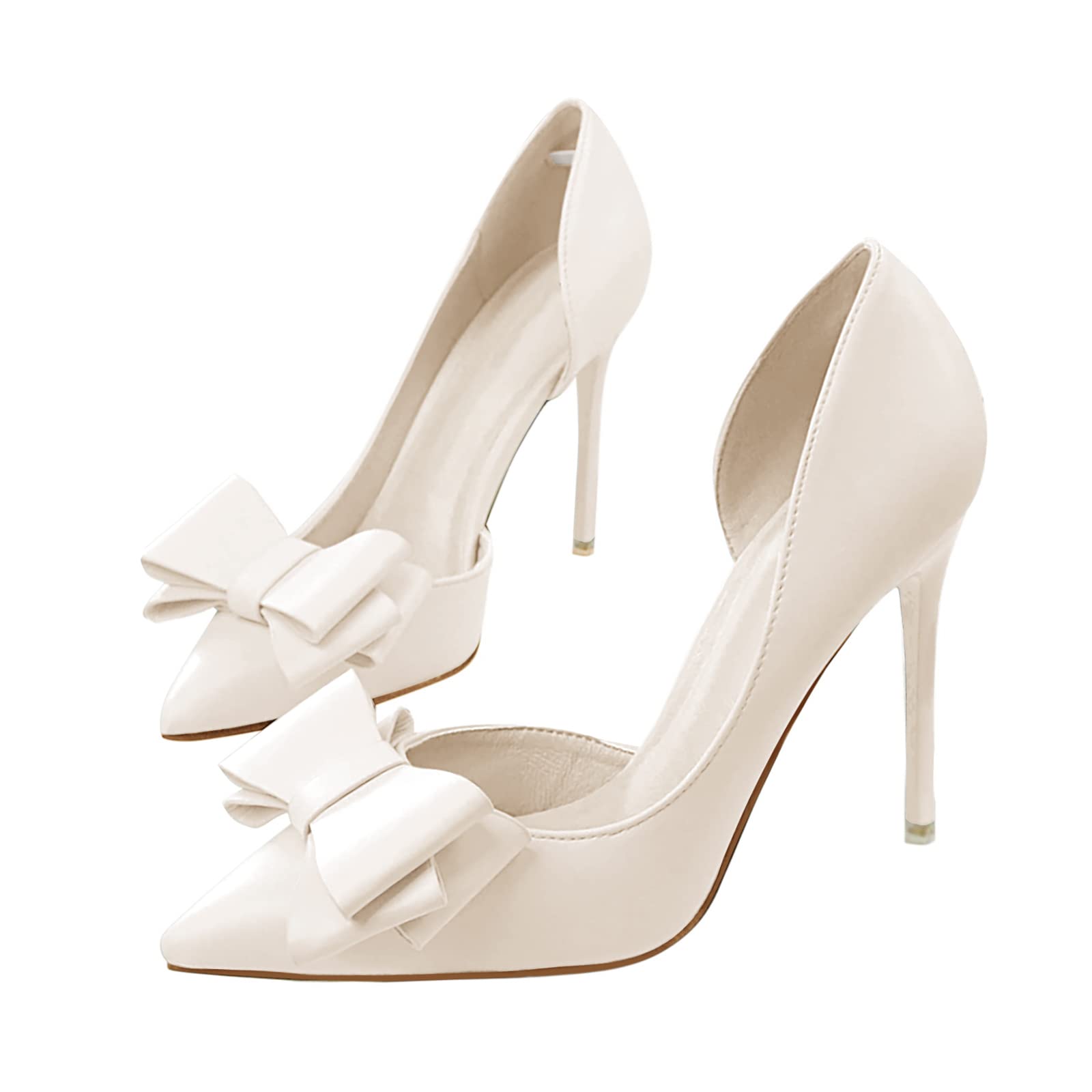
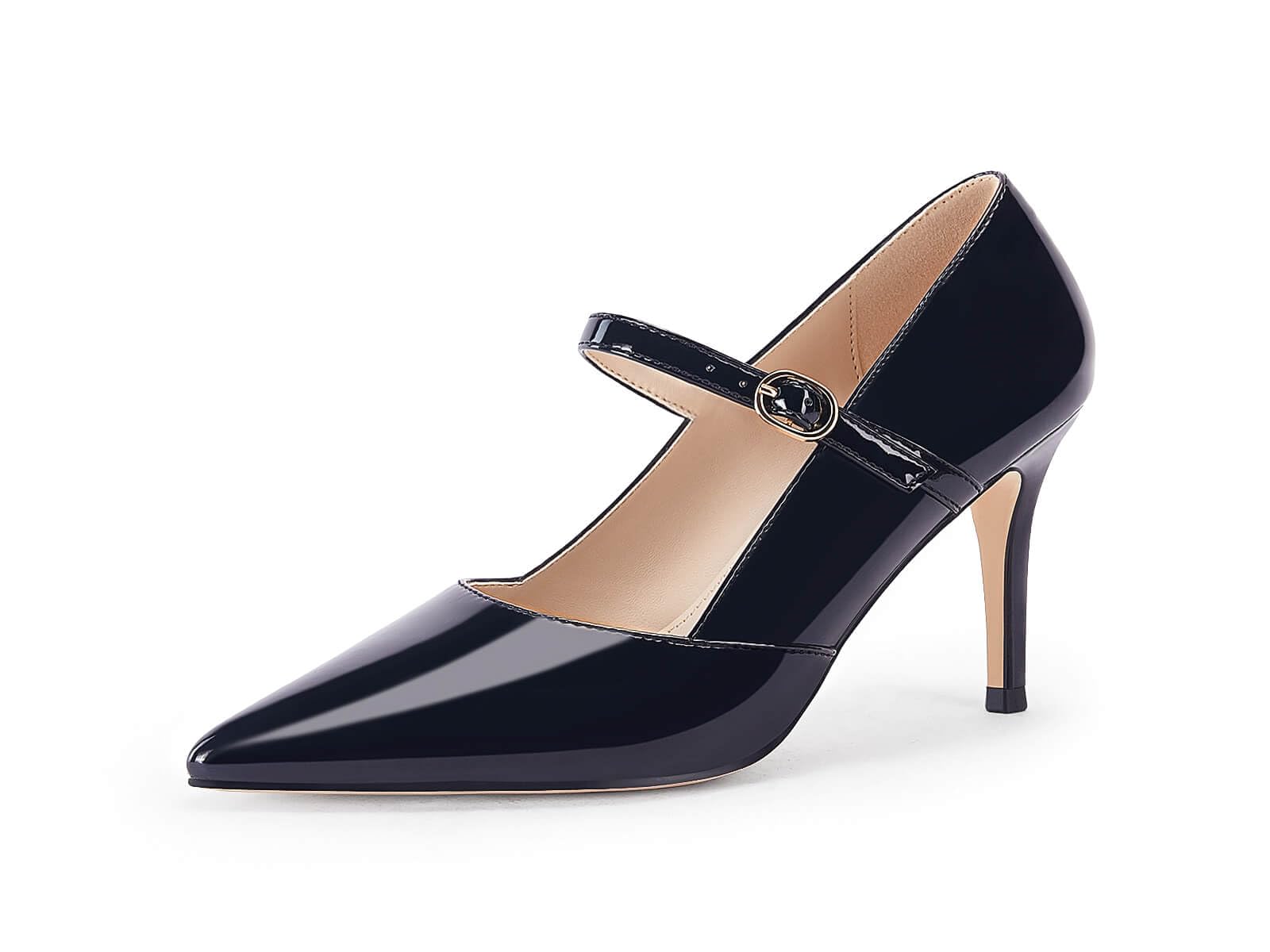
A pump is a closed shoe with no straps or laces, held on by its shaped fit around your foot. A stiletto pump uses a slim, tall heel, usually about 3 inches or higher, with a narrow base that gives the style its sharp look. The toe may be pointed, almond shaped, or rounded, and that choice changes both the look and the room your toes get. The upper may be leather, suede, patent leather, or synthetic material, each with a different shine and care routine.
A few terms help you read any listing. The pitch is the angle your foot sits at inside the shoe, driven by heel height minus any platform at the front. The vamp is the part covering the top of your toes, and a lower vamp shows more of the foot. The heel counter is the stiff back section that holds your heel. A cushioned footbed is padding under your foot, and a padded collar softens the edge around your ankle. Knowing these words turns vague product praise into details you can compare.
Black is the most flexible color for this style. Matte leather reads professional, patent reads formal and glossy, and suede reads soft and dressy but marks more easily in rain. Start with the finish that matches most of your clothing, since a first pair should earn its place often rather than sit waiting for a rare event.
Key Specs Explained in Plain English
Intended Use and Who It's For
Your main use should set every other choice. For office wear, a heel of about 3 inches, a leather upper, and a closed pointed or almond toe suit most dress codes and long days. For evening events, you can accept a taller heel and a patent or suede finish, since sitting and standing replace constant walking. For weddings and long celebrations, comfort features matter more than drama, because you will stand for photos, dance, and walk on grass or gravel where thin heels sink. Buyers who rarely wear heels should start lower and simpler. Buyers who wear heels weekly can judge pitch and fit with more confidence and may choose a taller, sharper style.
Key Performance Specs
Heel height is the headline spec, measured at the back of the heel. About 3 inches suits most beginners, about 3.5 to 4 inches is the classic dress range, and anything above that demands experience and short walking distances. A hidden platform of even half an inch reduces the effective pitch and makes a tall heel feel kinder. Look also at heel placement. A heel set slightly forward under your natural heel bone feels steadier than one placed far back. A rubber cap on the heel tip improves grip and lasts longer than a plastic cap. Finally, check the outsole material, since smooth leather soles slide on polished floors until they are scuffed with wear.
Ease of Use and Setup
A pump has no straps to adjust, so ease of use means it goes on cleanly, stays on while walking, and comes off without a fight. The opening should let your foot slide in without folding the heel counter down. Once on, walk on a hard floor. Your heel should lift only slightly, and your toes should not jam forward with each step. Some pairs include elastic at the collar or a padded heel grip area that improves hold. Gel inserts and arch pads can be added later, but buy a shoe that fits well before inserts, since inserts take up room and can push your foot higher against the vamp.
Size, Weight, and Fit for Your Space
Fit is the feature that decides everything else. Shop in the afternoon, when feet are largest, and try both shoes, since one foot is often half a size larger. Pointed toes need extra length, so your toes should never press the tip even though empty space sits beyond them. Width matters as much as length. If the vamp cuts across your foot or your foot spills over the sides, choose a wide fitting rather than a longer size. Weight varies little between pairs, but a balanced shoe feels lighter in wear than a heel heavy one. At home, store pumps upright with the shape supported, away from direct sun, so the uppers keep their form in your closet.
Maintenance and Long Term Costs
Plan for small ongoing costs. Heel tips wear down and should be replaced by a shoe repair shop for a modest fee before the metal core shows, since walking on a worn tip damages the heel itself. Leather uppers need occasional conditioning, patent needs only a soft wipe, and suede needs a brush and a protective spray before wet weather. Rotate pairs if you wear pumps daily, giving the footbed a day to recover. Factor in the price of inserts, heel grips, and one repair visit per year of regular wear, and a well made pair can stay smart for several years.
Rookie Mistakes to Avoid
- Buying your trainer size. Heels push the foot forward, so sizing differs between brands and toe shapes.
- Choosing the tallest heel first. A first pair at about 3 inches builds skill and gets worn, while an extreme heel often stays in the box.
- Testing only on carpet. Carpet hides slipping and pitch problems, so always walk on a hard floor before deciding.
- Ignoring the return window. Wear the shoes indoors at home first so a return stays possible if hot spots appear.
- Wearing a new pair to a long event. Untested shoes plus hours of standing is the classic recipe for a ruined evening.
If your priority is all day comfort, our guide to the best comfortable black pumps focuses on cushioning and lower pitches. For a broader view of the style family, see our guide to the best black pumps and our guide to the best classic black pumps for timeless shapes.
Getting Started: Setup and First Use
Read the care guidance from the maker before first use, since suede, patent, and matte leather each need different treatment. Inspect the pair on arrival. Check that both heels stand straight, the seams are clean, and the heel tips sit flat. Wear the shoes at home for thirty minutes, then an hour, over several days, walking on hard floors and sitting as you would at work. Add heel grips only if the fit is close but your heel slips slightly.
Clean and inspect the shoes regularly as they settle into your routine. Wipe dust off after each wear, check the heel tips weekly, and look at the insole for areas of heavy pressure, which tells you where an insert could help. Practice walking with short steps and your weight centered, turning by small steps rather than twisting on a planted heel. If you feel sharp pain, numbness, or pain that lasts into the next day, stop wearing that pair and talk with a clinician or podiatrist about your feet and footwear, especially if pain keeps returning.
For work focused choices, our guide to the best black pumps for work covers dress codes and long shifts, and our guide to the best designer black pumps explains what premium pricing adds in materials and finish.
Frequently Asked Questions
Are expensive black stiletto pumps worth it?
They can be, when the price buys better leather, a balanced heel, and cleaner construction inside the shoe. Costly pairs often include a cushioned footbed and a heel placed for stability, which you feel after hours of wear. Still, fit outranks price. A mid priced pair that matches your width and arch will treat you better than a luxury pair that pinches, so judge the inside of the shoe, not just the label.
How do I maintain a black stiletto pump?
Wipe the uppers after each wear and let the shoes air out before storing them. Replace heel tips as soon as they wear thin, condition leather every few months, and brush suede with a dry brush to lift dust. One point often missed is storage position. Keep pumps standing upright and apart, since a patent pair left pressed against another shoe can pick up marks that will not come off.
What features matter most when buying black stiletto pumps?
Fit comes first, then heel height and placement, then cushioning. Check that the toe shape suits your foot shape, the heel sits under your heel bone, and the footbed has real padding at the ball of the foot. If you are comparing the best black stilettos pumps across brands, use the same sock or hosiery thickness for every fitting, since even a thin layer changes how the vamp feels across your toes.
How long does a black stiletto pump last?
With rotation and basic care, a quality pair worn weekly can last two to four years before the structure softens. The heel tips and insoles wear first and can be renewed, while a cracked upper or a wobbling heel usually ends the life of the shoe. Daily wear shortens that span a lot, which is why two mid priced pairs in rotation often outlast one pair worn every day.
How much should I spend on a black stiletto pump?
Most buyers find the sweet spot at about $75 to $200, where leather uppers, padded footbeds, and replaceable heel tips become common. Under about $75, expect synthetic uppers and thinner padding, which can still suit rare events. Above about $200, you pay for finer materials, hand finishing, and brand name. Set your budget by how often you will wear them each month, not by the event alone.
Our Verdict
Start with honest heel height, confirm the fit on a hard floor in the afternoon, and choose the finish that matches your real wardrobe. Follow those steps and you will find the best black stiletto pumps for your days and evenings, rather than a pair that only looks right in the box. Use the product table above to compare your shortlist, and break the winning pair in at home before its first big outing.


