
Best Black Sandals 2026: A Complete Practical Guide
Disclosure: We may earn a commission when you buy through links on this page, at no extra cost to you. As an Amazon Associate I earn from qualifying purchases. Learn more

Compare the best black sandals by footbed support, strap fit, grip, and style so you can pick a pair for holidays, daily wear, and long walks.
A good pair of best black sandals earns its place in almost every warm weather wardrobe, because black pairs with shorts, dresses, and smart casual trousers alike. The challenge is finding a pair that stays comfortable after hours on your feet, rather than a pair that only looks good in the shop. Fit, footbed shape, and strap design matter far more than a small style detail.
The comparison table below compares the main sandal styles side by side, so you can weigh comfort against formality and grip against weight. Before you buy, think about where you will wear them most, how far you will walk, and whether you need water friendly materials. Those answers narrow the choice quickly.

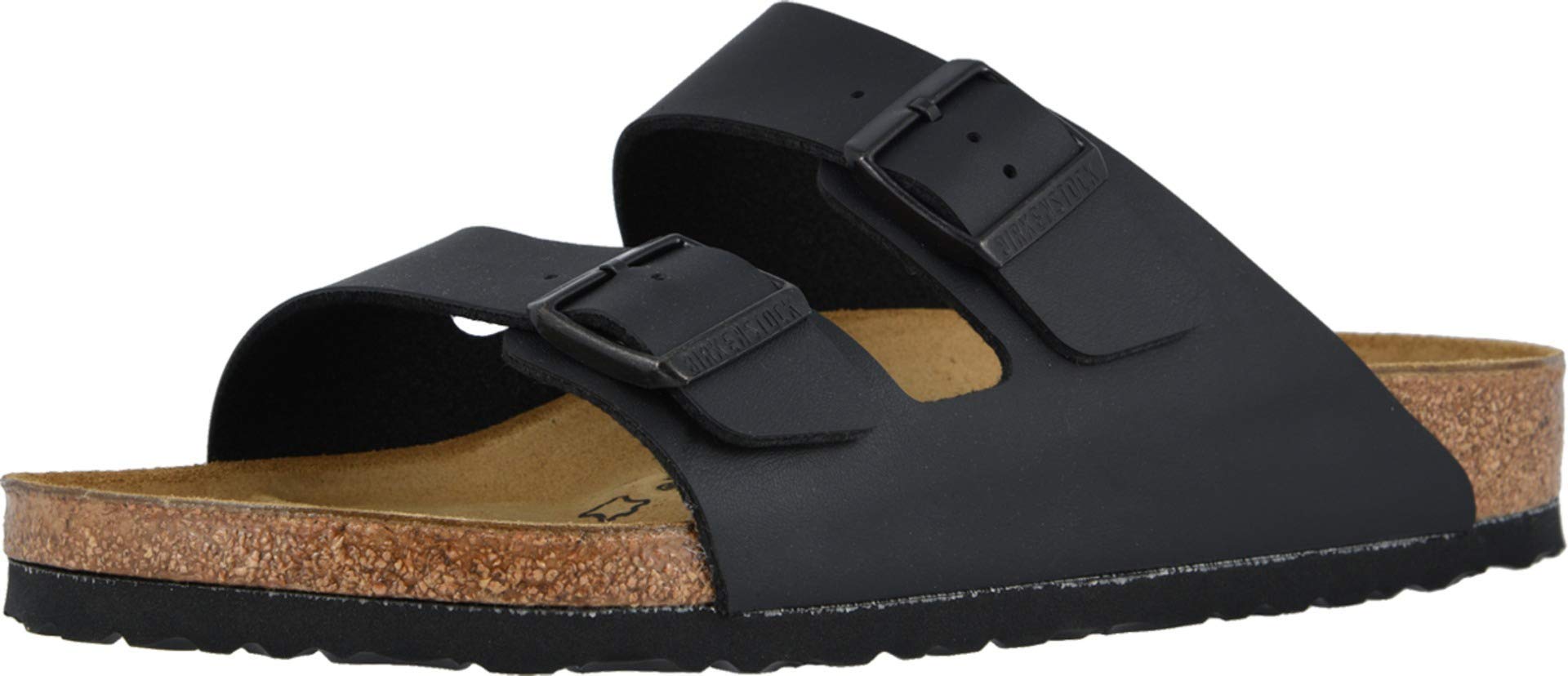

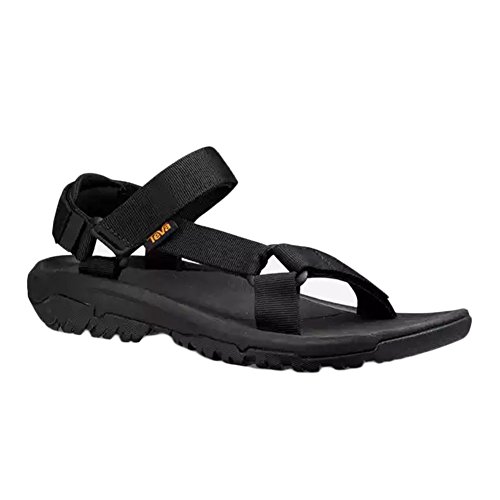
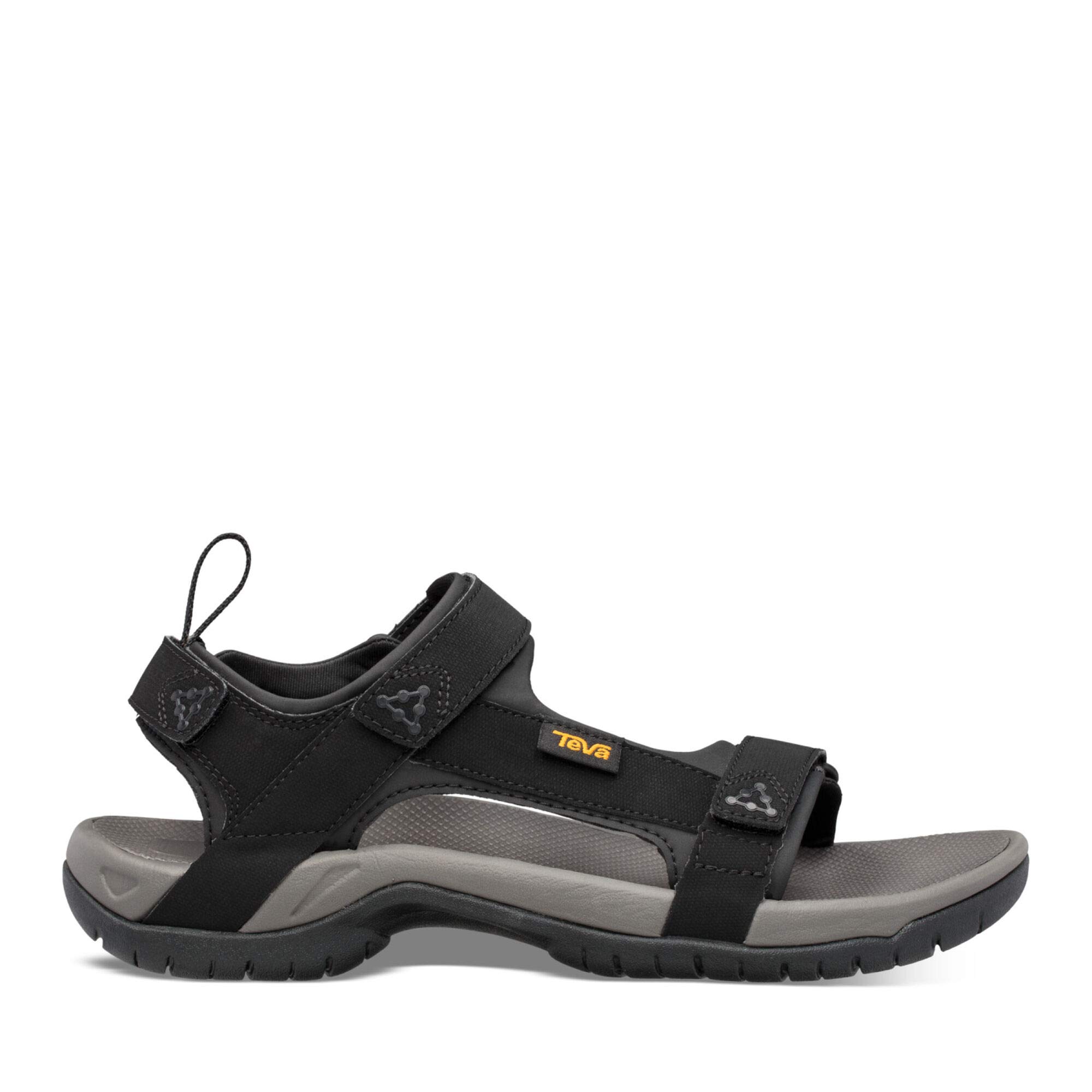


Who Should Buy This
Black sandals suit holiday travellers, daily walkers, and anyone who wants a simple warm weather shoe that matches most outfits. Flat sandals suit casual days, wedge sandals suit smarter evenings, and walking sandals suit longer days on foot. One well chosen pair can cover many summer occasions.
Sandals are less suited to rough trails, heavy work, or very wet and muddy ground, where closed shoes give more protection. People with foot conditions that need strong support should check footbed shape and arch support carefully, and seek clinician advice if pain persists. For long hikes, a dedicated walking shoe or hiking sandal is usually safer.
Key Features to Compare in Black Sandals
Judge sandals by these features, and test comfort over time rather than in a single quick try on.
- Footbed shape and arch support, which decide whether your feet feel fresh or tired after a long day.
- Strap material and adjustability, so straps hold the foot without rubbing or slipping when feet swell in heat.
- Outsole grip on wet and smooth surfaces, important for poolsides, pavements, and holiday streets.
- Weight and flexibility, since a heavy stiff sandal tires the feet faster than a light flexible pair.
- Water friendliness, if you plan to wear sandals near pools, beaches, or summer showers.
Types and Options
Black sandals come in several familiar styles, each suited to a different kind of day.
- Flat sandals for casual daily wear, holidays, and easy pairing with most summer outfits.
- Wedge sandals for smarter evenings, adding height while keeping more stability than a high heel.
- Walking sandals with adjustable straps and grippy soles for longer days on foot and uneven streets.
- Platform sandals for a bolder look, best for shorter wears where style matters more than distance.
Flat sandals cover most days well, while walking sandals are the safer choice for distance. Wedges and platforms suit evenings and shorter outings, but they are less comfortable for all day walking.
Getting the Choice Right
Try sandals with bare feet and walk on a hard floor, checking that the heel sits within the footbed and the toes do not hang over the front edge. Straps should feel secure without digging in, and adjustable straps help when feet swell in warm weather. If a strap rubs in the shop, it will usually rub more after an hour of walking.
Check that the footbed supports your arch rather than feeling completely flat, unless you prefer a flat feel and have no foot pain. Break in new sandals with short walks before a holiday or a long day out. Keep the receipt until you have tested them on a real walk, not just around the house.
Care and Everyday Use
Clean sandals after dusty or sandy days, and let them dry away from direct heat. Leather sandals benefit from occasional conditioning, while synthetic pairs can usually be wiped clean with a damp cloth. Store sandals where straps will not bend or crease, so they keep their shape.
Check straps, buckles, and soles regularly, since a worn strap can fail suddenly on a long walk. Replace sandals when the footbed flattens, the grip wears smooth, or the heel area tilts. Worn sandals change your walking pattern and can lead to sore feet, so retirement timing matters.
Mistakes to Avoid
A common mistake is buying sandals purely for looks and ignoring footbed support. Another is choosing a size that leaves toes overhanging the front, which causes tripping and toe pain. A third mistake is wearing new sandals for a full holiday day without a break in period.
Avoid very flat sandals for long walking days if you have arch pain or heel pain, since lack of support can worsen discomfort. At the same time, do not assume a higher price always means better comfort, since fit varies by foot shape. Test several styles and trust how your feet feel after a proper walk.
Related Guides
Read our guide to best black sandals women for more detail on that option. Read our guide to best flat black sandals for more detail on that option. Read our guide to best black wedge sandals for more detail on that option.
Read our guide to best black walking sandals for more detail on that option. Read our guide to best black platform sandals for more detail on that option.
A Final Check Before You Order
Before a holiday, test sandals on a walk that includes pavements, slopes, and a few steps, since holiday streets rarely offer only flat ground. Notice whether straps stay secure on slopes, whether the footbed grips when damp, and whether any area rubs after thirty minutes. That realistic test reveals problems a shop carpet hides completely.
Think about packability as well as comfort, since sandals that pack flat save luggage space and survive travel better than rigid styles. A pair that folds or lies flat, resists scuffs, and dries quickly after rain will serve a whole trip without fuss. Keep a spare pair of comfortable shoes in your bag on the first long day, just in case a new sandal disappoints.
Finally, check sole condition after the first few long walks, looking for uneven wear that hints at a fit problem. Even wear suggests a good match, while heavy wear on one side may mean the sandal does not support your gait well. Early attention to wear patterns helps you adjust fit or insoles before sore feet spoil a holiday.
Planning Your Purchase
Think about toe protection for busy streets and travel, since open toes suit beaches and casual days but offer little defence against crowded pavements and luggage. A sandal with a slightly raised toe guard or a closed toe walking sandal may suit city travel better than a minimal flat. Match toe coverage to where you will actually walk, not just to holiday photographs.
Consider how sandals cope with sudden rain, since wet leather straps stretch and wet footbeds become slippery on smooth floors. A water friendly pair for rainy days, kept alongside leather sandals for dry evenings, covers summer weather far better than a single pair expected to do everything. Two pairs for different conditions often outlast one pair forced through all weather.
Finally, inspect buckles and strap stitching after holidays, since salt, sand, and sun wear fastenings faster than everyday use. A loose buckle repaired promptly saves a sandal, while a failed strap on a busy street ruins a day out. Regular inspection, sensible rotation, and honest toe protection together keep summer sandals comfortable and safe.
Frequently Asked Questions
Are flat sandals bad for your feet?
Not always, but very flat sandals with no arch support can tire feet and worsen heel or arch pain on long days. Look for a contoured footbed, a slight heel cup, and a sole that is not completely rigid. If you have foot pain, choose a supportive style and talk with a clinician or podiatrist about your needs. For short casual wears, a simple flat sandal is usually fine.
How do I stop sandals from rubbing?
Choose straps that are soft, adjustable, and positioned away from bony areas of the foot. Break in new sandals gradually, and check for rubbing after a short walk rather than a full day. A strap that rubs in the shop will rarely improve with wear. If rubbing persists, try a different strap layout or a wider fitting rather than enduring sore skin.
Can I wear black sandals for long walks?
Yes, if you choose a walking sandal with adjustable straps, a supportive footbed, and a grippy outsole. Flat fashion sandals are less suited to distance, since they often lack support and secure straps. Test walking sandals on a real walk before a holiday, and carry a spare pair of shoes for the first long day. Comfort after several hours matters more than first impressions.
Are black sandals suitable for smart occasions?
Yes, a neat leather flat sandal or a wedge sandal can suit smart casual events, summer weddings, and evening meals. Keep the sandals clean, avoid very casual rubber styles for formal settings, and match them to the outfit rather than to sportswear. For the strictest formal dress codes, a closed shoe is usually safer.
How should black sandals fit?
Your heel should sit inside the footbed, your toes should not hang over the front edge, and straps should hold the foot without digging in. Walk on a hard floor and check for slipping at the heel or sliding forward. Feet swell in heat, so a fit that feels snug in the morning may feel tight by afternoon. Adjustable straps help you adapt through the day.
Final Thoughts
The right black sandal balances style with support, grip, and a secure strap fit. Flat styles suit casual days, walking styles suit distance, and wedges suit smarter evenings. The product table above gives a quick way to compare those options.
Walk in any pair on a hard floor before you commit, and check footbed support and strap comfort carefully. That simple test helps you choose best black sandals that stay comfortable long after the first wear.


