
Best Black Platform Sandals in 2026: Which Type Is Right for You?
Disclosure: We may earn a commission when you buy through links on this page, at no extra cost to you. As an Amazon Associate I earn from qualifying purchases. Learn more

Compare types of the best black platform sandals in this buying guide, covering cushion, support, fit, straps, and traction for all day wear.
Platform sandals range from light summer slides to firm support styles, and the word platform tells you almost nothing about how a pair will feel by afternoon. This guide compares each main type clearly so you can match best black platform sandals to your feet, your ground, and your day.
Use the comparison table below to note platform height, strap style, and sole material, then read the type comparison before choosing. Height is only one part of comfort. Cushion, arch shape, and how the straps hold your foot matter just as much.


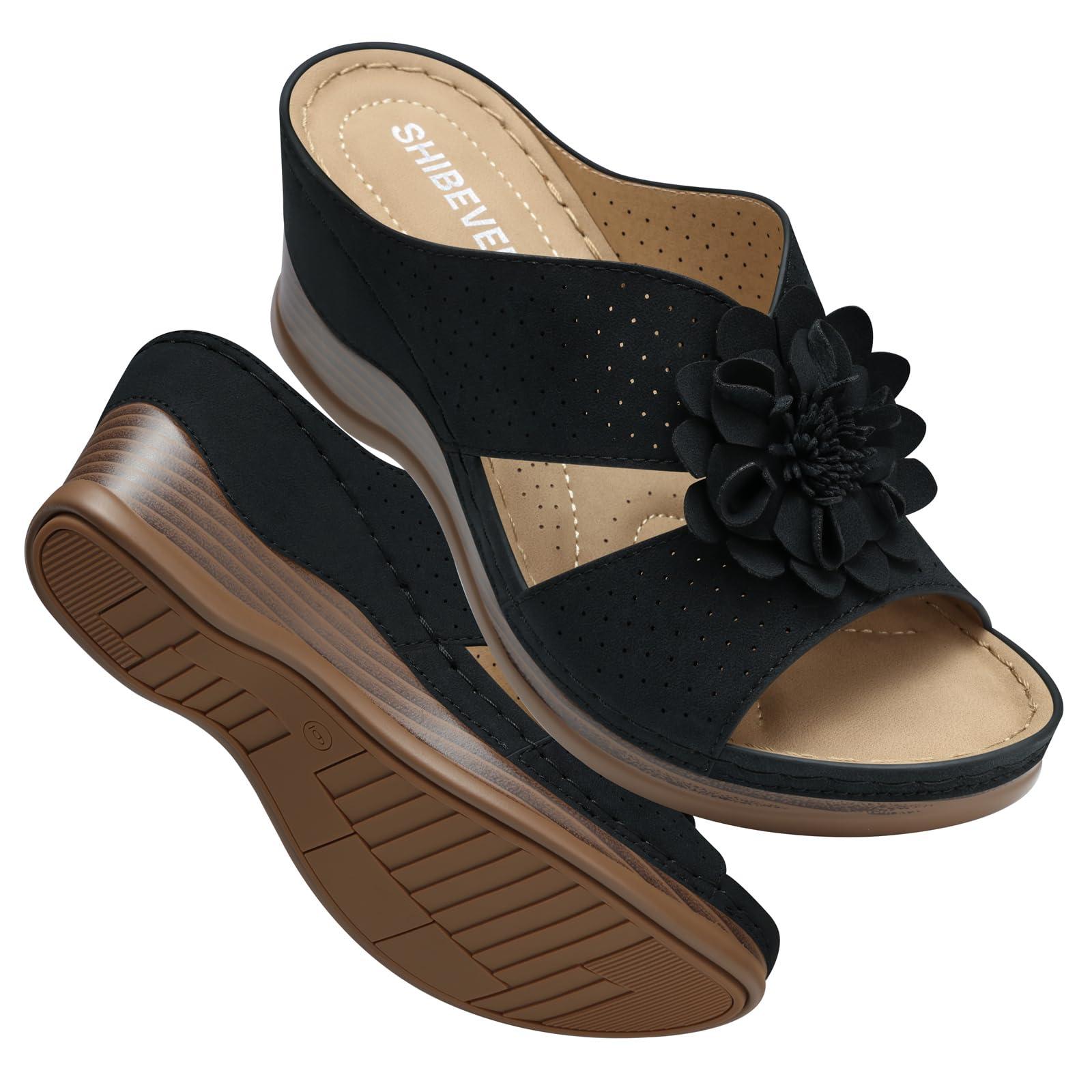


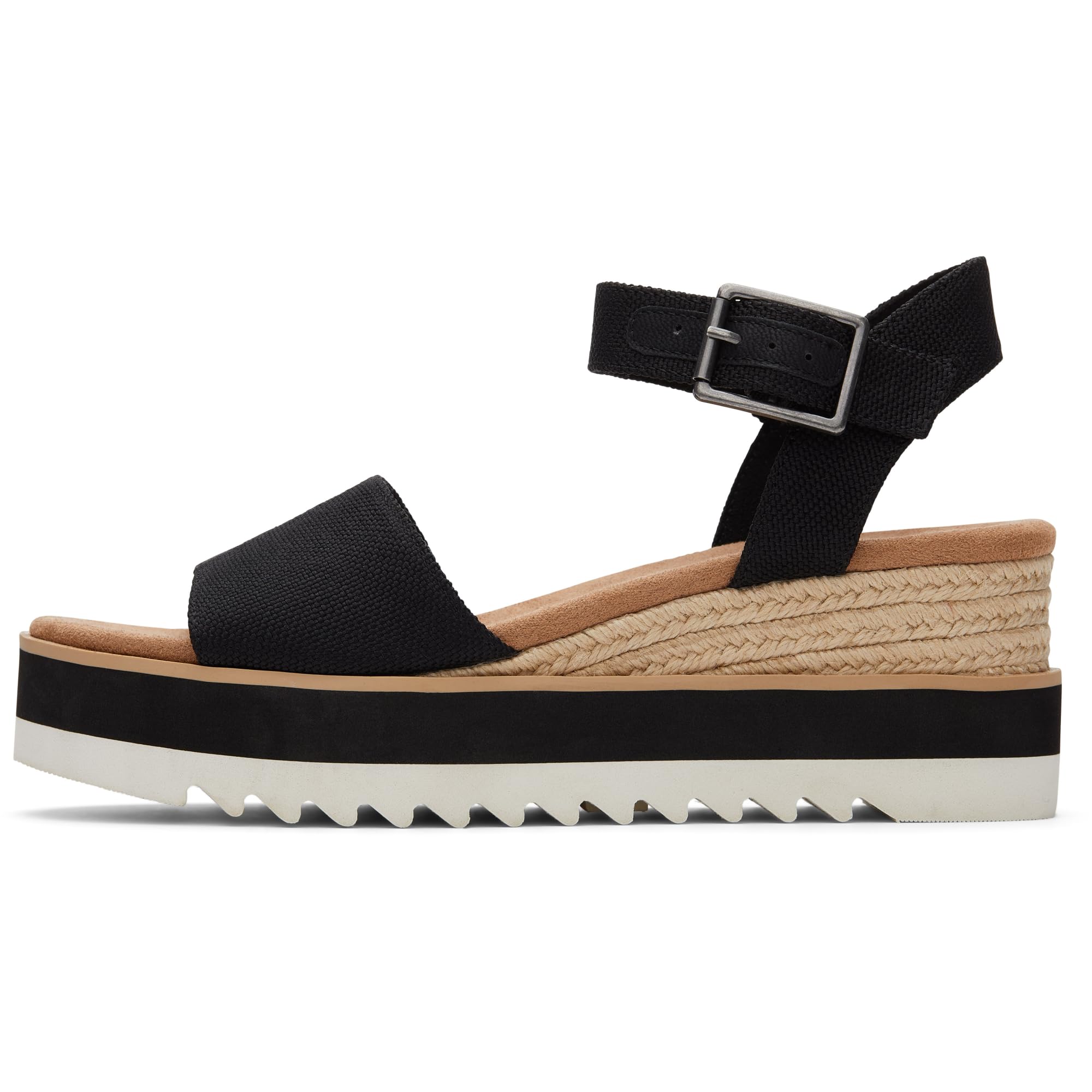

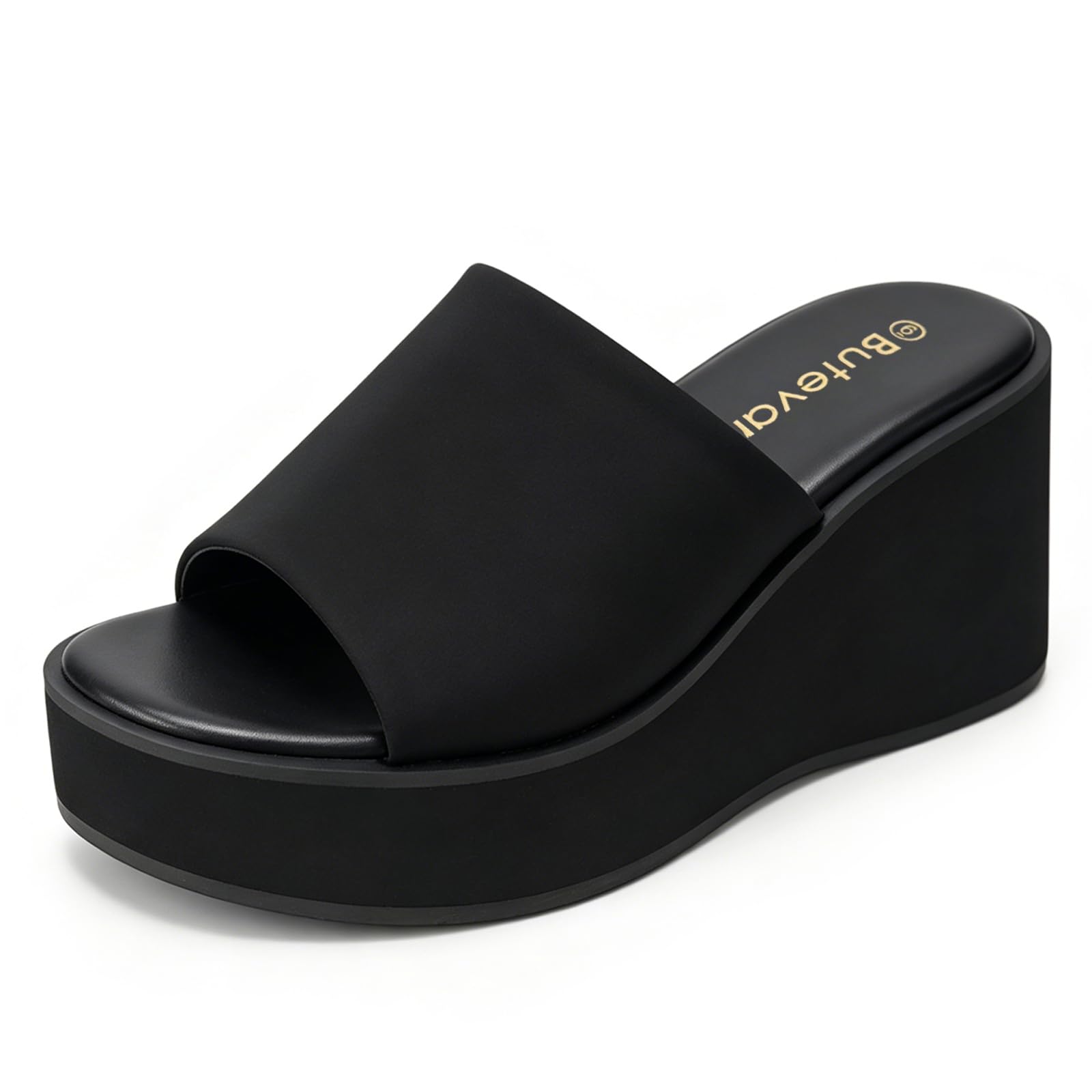
Types of Black Platform Sandals Compared
Think in three broad types. Light styles favor low weight and soft cushion. Recovery styles favor thick, gentle soles for short, easy wear. Support styles favor a firmer footbed and a shaped arch for longer days on your feet.
Lightweight Shoes
Light platform sandals use foam soles and simple straps to keep weight down, which suits travel, beach days, and short errands. Prices are often around $30 to $70. The upside is a soft, easy step and a bag friendly build. The downside is that very soft foam compresses over time, straps may stretch, and thin soles offer little protection on gravel. Choose this type when low weight matters most and your walking is mostly on flat, even ground.
Sandals and Recovery Footwear
Recovery style platform sandals have thick, cushioned soles meant to soften each step after sports or long shifts, with wide straps that are easy to slip on. They suit home wear, locker rooms, and gentle walks, usually at around $40 to $90. They are not built for uneven trails or long city tours, because the soft sole can feel unstable on slopes. If your feet are sore, this type gives relief, but treat it as rest footwear, not your only pair.
Stability and Support Shoes
Support platform sandals use a firmer footbed, a defined arch, and often adjustable straps to hold the foot in place. They suit long days, travel with lots of walking, and people who find flat sandals tiring, at around $60 to $150. The trade off is weight and a firmer first feel that takes a few wears to appreciate. Look for a deep heel cup and straps that adjust at more than one point, which help stop forward slide on the platform.
Lightweight Shoes vs Sandals and Recovery Footwear: Which Should You Choose?
Choose light styles if you pack light, walk short distances, and want a low price. Choose recovery styles if your priority is softness for tired feet at home or after activity. On cushion alone, recovery soles feel softer at first touch, but light styles often feel better after an hour because they weigh less and flex more naturally. For all day wear, neither is ideal, and a support style usually wins. Ground matters too: both light and recovery soles struggle on wet, uneven, or sloped surfaces where a firmer sole with tread grips better.
If you are deciding between open summer styles, our guide to the best platform sandals covers the wider color and style range, while this page stays focused on black pairs and support needs.
How to Choose the Right Black Platform Sandal
Waterproofing
Most platform sandals are not waterproof in the way a sealed shoe is, because the open design lets water in by intent. What matters is how materials handle getting wet. Foam and synthetic straps dry fast and suit pools and beaches, while leather straps and cork footbeds suffer with repeated soaking. A membrane fabric like Gore Tex belongs to closed shoes, not sandals, so ignore that term here and judge drying time and grip when wet instead.
Outsole Traction and Terrain
Check tread depth and pattern under the ball and heel, where slips start. A lugged rubber outsole grips pavement, boardwalks, and light paths, while a smooth foam sole can skate on wet tile. Platform height raises you above puddles but also raises the cost of a rolled ankle, so for uneven ground pick a wider base and a lower platform. If you walk hills daily, support styles with real tread are the safer buy.
Cushioning and Support
Cushion absorbs impact and support controls how your foot sits, and you need a balance of both. Very thick, soft soles feel plush but can tire the small muscles that keep you balanced. A moderate heel to toe drop, a shaped arch, and a footbed that matches your arch height work better for long wear. If you use orthotics, note that most sandals cannot take them, so the built in arch shape has to do that job alone.
Upper Materials and Breathability
Open sandals breathe by design, so upper choice is about skin comfort and drying. Smooth leather straps look smart and mold to your foot, but need care after water exposure. Woven or knit straps feel soft and flex with swelling feet, though they dry slower. Wide straps spread pressure, while thin straps can dig in on a high platform where your foot slides forward. Check strap edges with your thumb for roughness before you commit.
Fit, Sizing, and Toe Box
Measure your feet in the afternoon, when they are at their largest, and use the length in the size chart rather than your usual shoe size alone. Your heel should sit inside the heel cup, not on its edge, and your toes should not hang past the front of the platform. A roomy toe box helps on warm days when feet swell. If you are between sizes in a support style, size up and use strap adjustment to secure the fit.
Setup and Care Tips
Adjust every strap before your first long walk, then readjust after ten minutes, because foam footbeds settle under your weight. Air dry wet sandals away from direct heat, which can warp foam and crack leather, and rinse salt and sand off after beach use. Rotate two pairs for daily wear so footbeds recover their shape. Replace sandals when tread smooths out or the footbed stays compressed, and note that hard working walking shoes generally last about 300 to 500 miles, a useful guide for heavy use sandals too. For women comparing cuts and strap shapes, our guide to the best platform sandals for women adds fit notes by foot shape.
FAQs
Are expensive black platform sandals worth it?
Expensive pairs are worth it when the price buys a shaped footbed, adjustable straps, and a durable rubber outsole. Those parts decide comfort on long days. They are not worth it when the extra cost is only height or decoration. A mid priced support style at around $60 to $120 serves most walkers better than a costly fashion pair with a smooth sole and fixed straps.
Can I wear black platform sandals all day?
Yes, you can wear them all day if you choose a support style with a secure fit and take short sitting breaks. Start with a few hours and build up over a week. If you get arch ache, heel pain, or numb toes, stop and reassess fit rather than pushing through. People with diabetes, poor circulation, or balance problems should talk with their clinician before all day platform wear.
How long is the break in period for black platform sandals?
The break in period is usually two to five short wears for leather straps, and almost none for soft foam styles. Straps should feel snug but never cut in, and the footbed impression deepens slightly with use. Pain is not part of a normal break in. Blisters at the same spot on both wears mean the strap shape or size is wrong for your foot, so exchange rather than endure.
Do I need waterproof black platform sandals?
You need water ready sandals, not waterproof ones, if your use includes pools, beaches, or summer rain. Foam and synthetic styles handle soaking and dry overnight. Leather and cork styles look better for evenings but degrade with repeated water. Decide by your most common day, and keep a cheap foam pair for wet use instead of risking your best pair, as shoppers of the best black sandals often do.
How often should I replace my black platform sandals?
Replace them when tread is smooth, straps loosen beyond adjustment, or cushion stays flat after a day of rest. With daily summer wear that is often one to two seasons for foam styles and two to three for firm support styles. A worn platform sole changes how your foot lands, so do not keep a pair for looks after its support has gone. Walking focused readers can also check our guide to the best platform sandals for walking.
The Bottom Line
Pick the type first, support for long days, light for travel, recovery for rest, then check fit, tread, and strap adjustment. That order leads you to best black platform sandals you will actually wear all summer. Compare platform heights in the product table above with the shoes your feet already trust, and buy where a size exchange is painless if your afternoon feet disagree with your morning guess.


