
Best Black Pumps for Wide Feet: Everything to Know Before Your First Purchase for 2026
Disclosure: We may earn a commission when you buy through links on this page, at no extra cost to you. As an Amazon Associate I earn from qualifying purchases. Learn more

Shopping for the best black pumps for wide feet for the first time? Learn the terms, compare options, and avoid rookie mistakes with this easy guide.
If standard pumps have always pinched, squeezed, or left red marks across your toes, the problem is the shoe last, not your feet. Finding the best black pumps for wide feet starts with understanding width sizing and toe box shape, two things most first time buyers have never been told to check. This guide explains both in plain language.
You will learn how wide widths are graded, which features genuinely relieve pressure, and how to test fit at home before committing. Look through the comparison table below for the range of widths and heel heights available, then use the sections that follow to judge each option against your own feet.


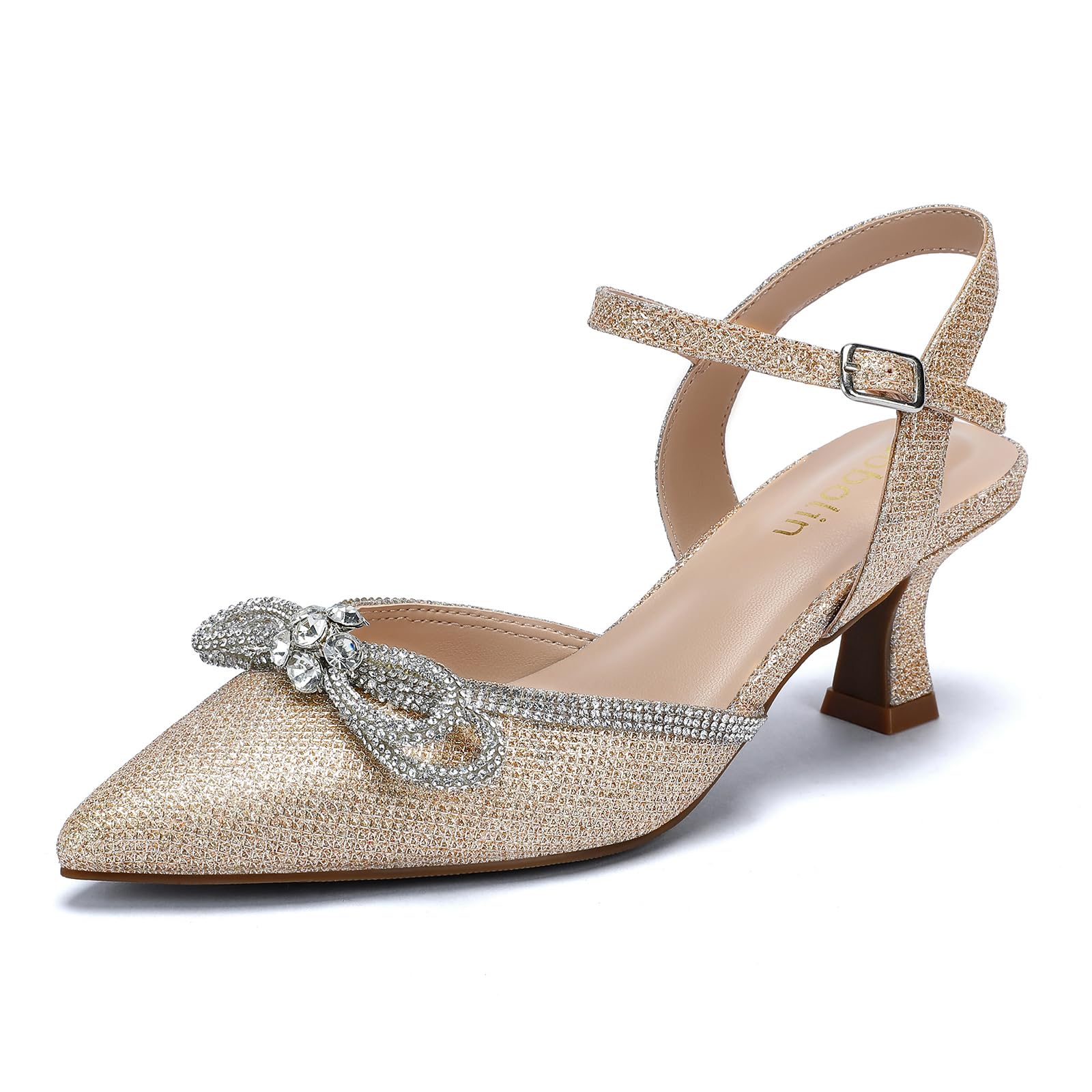

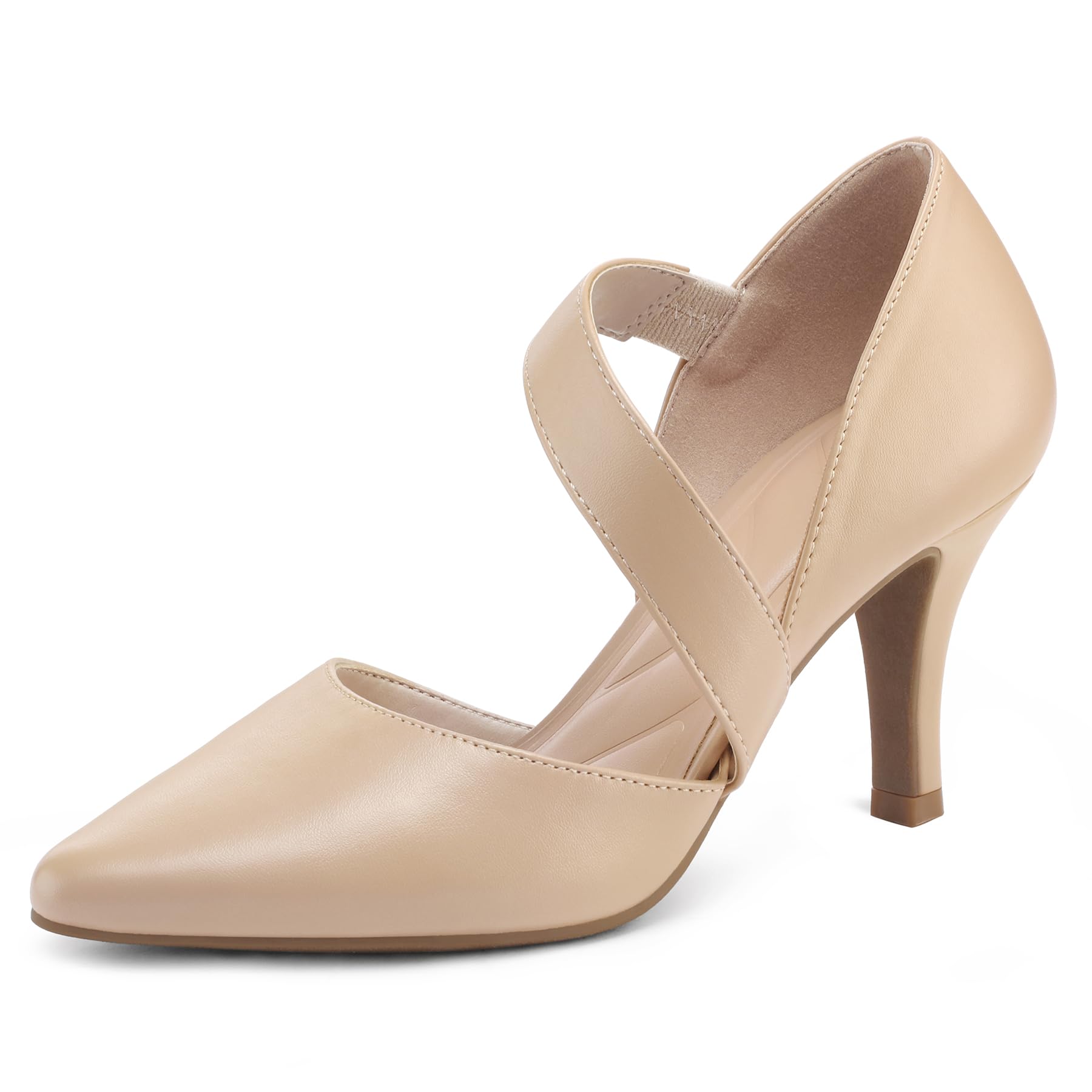
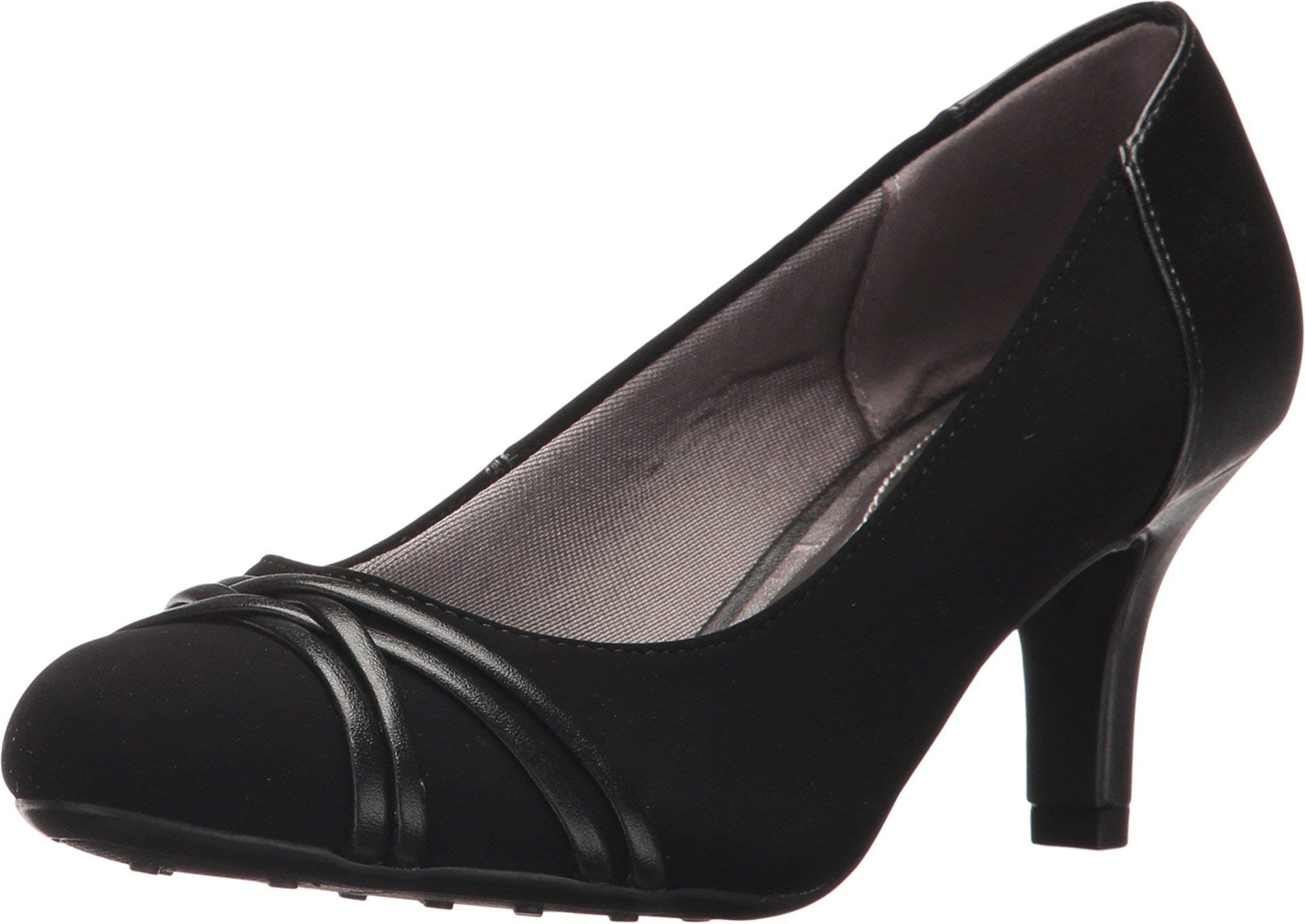


Black Pumps 101: The Basics
A pump is a closed toe shoe with no straps, so the upper has to hold your foot by shape alone. For wide feet, that design is both the challenge and the opportunity: a pump built on a wide last can feel secure without a single strap, while a narrow last will fight you all day. Width is graded in letters, where a standard womens width is B, wide is D, and extra wide goes beyond that; mens grading differs, so always read the brands own chart.
Two more terms matter. The toe box is the front enclosure where your toes sit, and its shape, rounded, almond, or pointed, decides how much splay room you get. The vamp is the top edge of the upper; a slightly higher vamp covers more of the foot and reduces the feeling of spilling out. If you are comparing across shoe types, the broader best pumps for wide feet guide covers these same width basics for other colors and finishes.
Key Specs Explained in Plain English
Features That Matter for Wide Feet
Wide feet need room where feet actually widen: across the ball and toes, not just in overall length. Prioritize a true wide width rather than sizing up, because a longer shoe still narrows at the wrong place and lets your foot slide forward into the toe. Look for soft, giving uppers such as nappa leather or knit that ease over bunions, plus a rounded or almond toe box. A padded collar and a small amount of stretch at the vamp edge help on days when feet swell by evening.
Intended Use and Who It Is For
Decide whether these pumps are for full workdays, events, or occasional dressing up, because the answer changes which features matter. Daily wear calls for a heel around 1.5 to 2 inches, strong cushioning, and a durable sole. Event wear allows a slightly higher heel and a dressier finish, since sitting dominates. If you stand on hard floors, treat grip and arch support as non negotiable. Buyers whose feet are wide and also high volume, with a tall instep, should look for higher vamps and adjustable fit aids like thin insoles they can swap.
Key Performance Specs
Four numbers and shapes predict comfort for wide feet. Width grade: choose D width or the brands stated wide option, and confirm the measurement chart matches your foot width in inches or centimeters. Heel height: lower heels shift less weight onto the forefoot, which is where wide feet feel pressure first. Cushioning: a padded insole with gentle arch contact spreads load across the whole foot. Outsole: a slightly wider heel base feels steadier than a needle thin heel. Check the return policy too, since wide fit varies sharply between brands.
Maintenance and Long Term Costs
Wide fit pumps work harder at their flex points, so care pays off. Rest each pair at least a day between wears so foam recovers and linings dry. Leather uppers benefit from conditioner, which keeps them supple enough to keep giving over the widest part of your foot instead of cracking there. Heel tips are a small recurring cost, and shoe trees sized for wide shoes help hold the shape. Plan on replacing insoles yearly under heavy use; fresh padding restores much of the original comfort for a fraction of a new pair.
Safety and Certifications
For wide feet, safety mostly means stability and pressure management. A shoe that forces toes together can aggravate bunions and corns, and a heel that is too narrow at the base invites ankle rolls. Choose a stable heel, a sole with real traction, and enough depth that your toes are never curled. Materials labels and low chemical certifications are a plus for sensitive skin. If you live with diabetes, neuropathy, or recurring foot pain, get a podiatrists advice on footwear before buying heeled shoes, because pressure points carry extra risk for you.
Price vs Value
Budget pairs under $60 exist in wide widths, but the wide option is sometimes just a longer last, so read fit reviews carefully. Mid range options, around $60 to $130, are where true wide lasts, better cushioning, and leather uppers become common, and they suit most buyers. Premium and designer wide lines cost more and add finer materials and finishing. Value for wide feet is a shoe that fits on day one without a painful break in, because a cheap pair you cannot wear is the most expensive outcome. Our notes on best designer pumps for wide feet explain what the higher tiers add.
Rookie Mistakes to Avoid
- Sizing up instead of choosing wide: extra length without extra width still squeezes the ball of your foot and adds heel slip.
- Trusting the word stretch: a tight shoe that promises to stretch usually stretches less than your feet need, and the break in hurts.
- Trying shoes on in the morning: feet are at their narrowest early, so test in the evening for an honest fit.
- Choosing sharp pointed toes: the point removes exactly the corner room wide toes need most.
- Ignoring other categories: fit lessons from the best shoes for wide feet world, like measuring both feet, apply directly to pumps.
Getting Started: Setup and First Use
When your pair arrives, remove the stuffing and try them on carpet in the late afternoon with the hosiery you plan to wear. Walk for ten minutes, stand still for five, and sit with your feet flat; pressure points announce themselves in all three positions. Check that you can wiggle your toes and that no toe joint rubs the upper. Wear them around the house for a few short sessions before a real outing, and keep the box until you are sure. If evenings out run warm and you want an open alternative later, the best sandals for wide feet guide uses the same width first thinking.
Frequently Asked Questions About Black Pumps for Wide Feet
What features matter most in black pumps for wide feet?
A true wide last, a rounded or almond toe box, and a giving upper matter most, in that order. After fit, look for cushioning at the ball of the foot and a heel height near 2 inches or lower. One extra check few guides mention: look at the insole width. If the insole is narrower than your foot, your foot will hang over the edge and feel every step, whatever the upper allows.
How long does a black pump last?
With twice weekly wear and a rest day between outings, expect two to three years from a mid range pair before cushioning and structure fade. The upper often remains presentable after the inside wears out, which is why replaceable insoles extend useful life. Store pairs shaped and dry, because leather left damp and crushed loses the width it molded to your foot, and you end up breaking the shoe in twice.
How do I maintain a black pump?
Wipe them down after wear, condition leather monthly in heavy seasons, and replace heel tips before they wear unevenly. A specific tip for wide fits: use wide shoe trees or rolled towels, since standard narrow trees can gradually pull the toe box back in. Keep black cream polish on hand for scuffs, and for a general overview of the category, the best black pumps guide covers finishes and care by material.
How much should I spend on a black pump for wide feet?
Most wide footed buyers do best around $60 to $130, where true wide lasts and decent cushioning are standard. Spending less often means a renamed regular width, and spending more mainly buys leather quality and finish. Because fit is harder to find, an easy exchange policy is worth real money to you: budget for the pair you can swap once without fees if the first width guess misses.
Are expensive black pumps worth it for wide feet?
They are worth it when the higher price buys a genuinely wider last, resilient cushioning, and uppers a cobbler can repair. They are not worth it for a narrow designer last with a wide label. Try premium pairs later in the day, walk on a hard surface in the store if allowed, and judge by pressure after ten minutes, not by the first step. Comfort that lasts an evening is the only premium that counts.
Our Verdict
Measure your feet, buy a true wide width, and judge every pair by toe room, forefoot cushioning, and a heel you trust. Mid range pairs serve most first time buyers well, and an honest home trial beats any listing claim. Compare your finalists in the product table above, and choose the best black pumps for wide feet that let you forget your shoes and enjoy the occasion.


