
Best Black Lug Sole Boots for 2026: What Your Money Really Gets You
Disclosure: We may earn a commission when you buy through links on this page, at no extra cost to you. As an Amazon Associate I earn from qualifying purchases. Learn more

Compare the best black lug sole boots at every price point. Learn what you get at budget, midrange, and premium levels and where spending more pays off.
Prices range from under $100 to over $300, and the gap is not just about looks. The best black lug sole boots for you depend on where you walk, how much rain you face, and how many seasons you expect them to last. This guide sorts the tiers and fit choices so you can read the comparison table below with a clear plan.
Black pairs with work clothes and dressier outfits, yet it shows salt marks quickly. A lug sole adds grip and height, but it can also add weight.
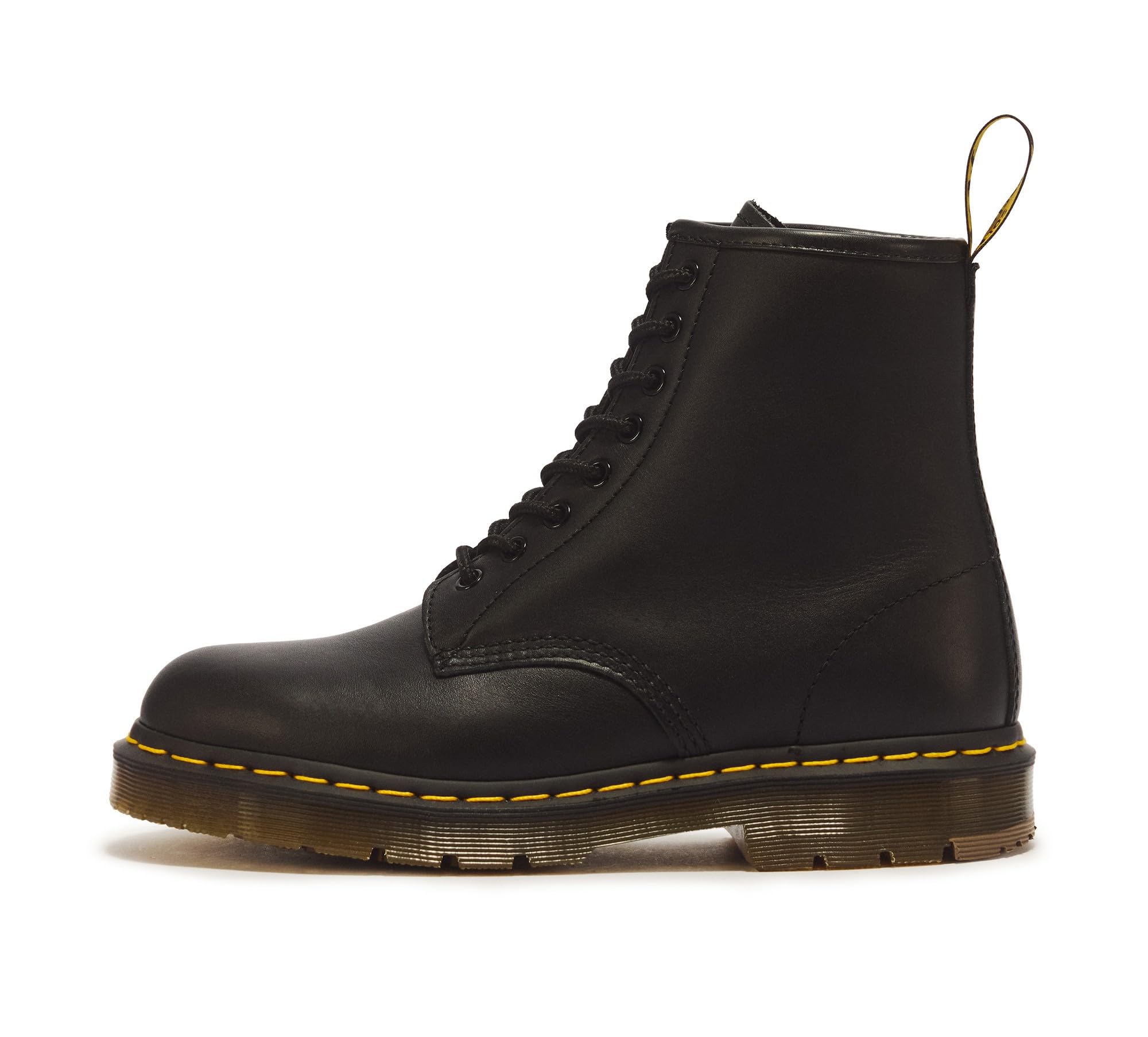
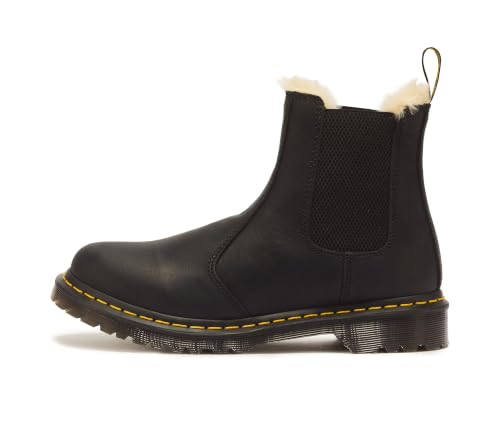

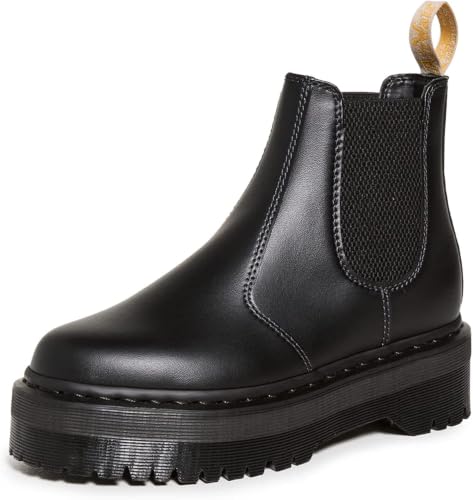

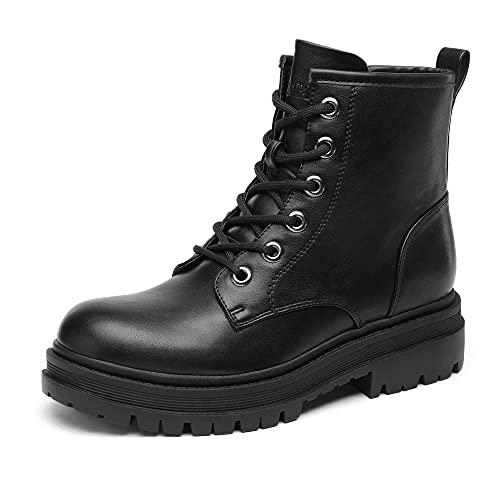

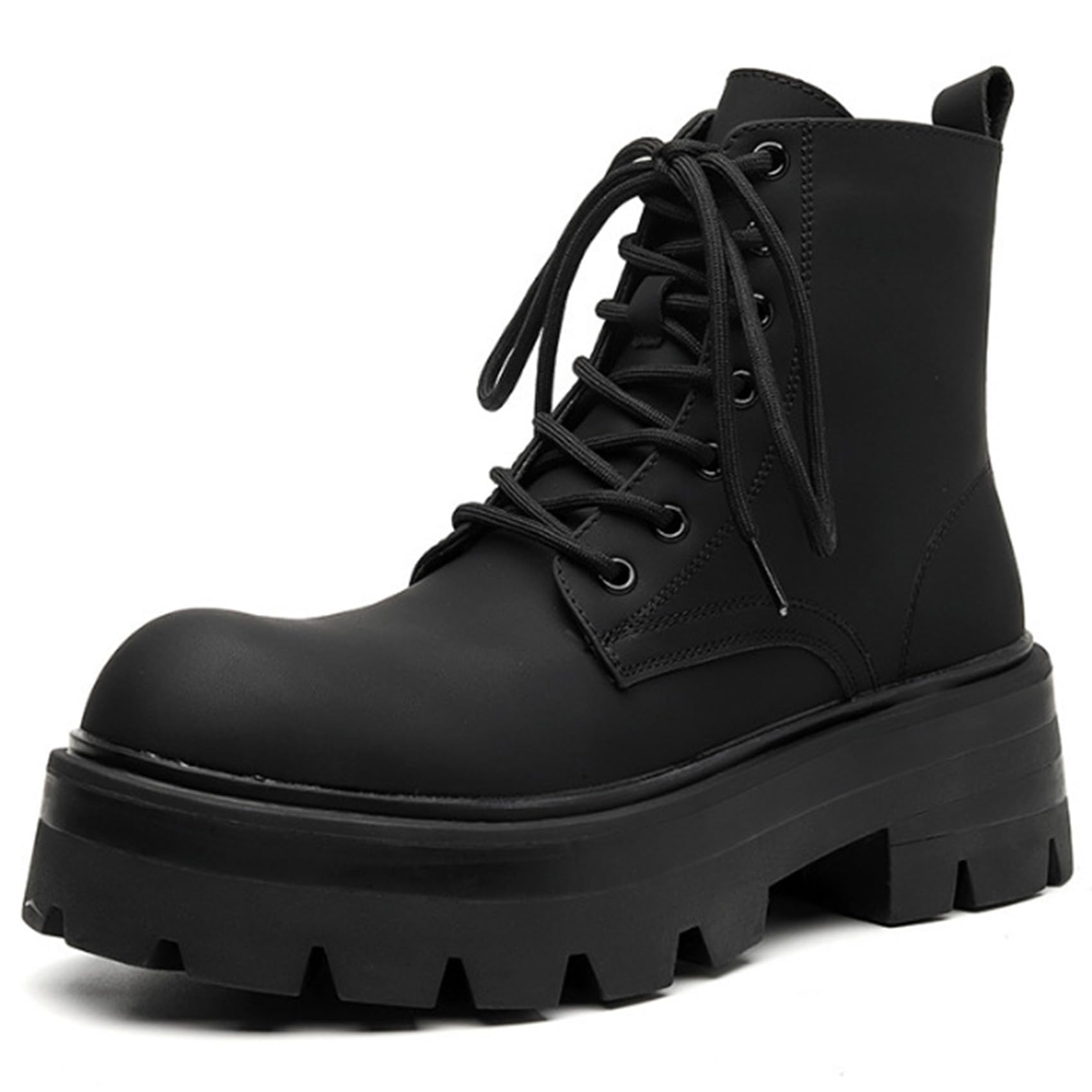


Who Should Buy Black Lug Sole Boots by Use
Start with the ground you cross most days, because lug depth and upper material matter most.
City Commuters Who Walk on Wet Pavement and Transit Steps
You need steady grip on slick sidewalks and metal stairs, without a boot that feels heavy by evening. Look for moderate lugs of about 4 to 5 mm, a flexible forefoot, and cushioning for hard floors. A shorter shaft pairs easily with daily clothes and is quick to put on.
Outdoor Workers and Walkers on Mud, Gravel, and Grass
You need deeper lugs, firm ankle support, and an upper that sheds water and cleans easily. Choose lugs of about 5 to 6 mm with wide spacing so mud clears instead of packing into the tread. A waterproof membrane, a gusseted tongue, and a stiff shank add stability on wet and uneven ground.
Style Focused Buyers Who Want One Black Pair for Many Outfits
You want the bold profile of a lug sole with a clean black upper that works with trousers and casual outfits alike. Choose smooth leather over rugged suede and a slimmer lug pattern. If you prefer a laceless profile, see our guide to the best lug sole chelsea boots for that slip on shape.
Price Tiers for Lug Sole Boots Explained
Price mostly buys upper quality, outsole rubber, and repairable construction. It does not automatically buy a better fit.
Budget Tier: Simple Grip for Light Daily Wear
Pairs under $100 usually use synthetic uppers or thin leather, a glued sole, and basic foam cushioning. They suit light city use and let you test whether a chunky lug profile suits your wardrobe. Expect faster heel wear, less arch support, and few repair options once the sole separates.
Midrange Tier: Stronger Leather and Real Traction for Most Buyers
Pairs at about $100 to $200 often add thicker leather, a more durable rubber outsole, and better shaped insoles. Waterproof membranes and sealed seams become common here, and wide widths are easier to find. For most daily walkers, this tier balances price, comfort, and a life of several seasons.
Premium Tier: Repairable Builds and Better Materials for Heavy Use
Pairs at about $200 to $350 may use full grain leather, a branded rubber outsole, and a welted construction that a cobbler can resole. The payoff is longer life, a more stable platform, and an upper that molds to your foot. This tier pays off mainly if you wear the boots often and maintain them.
Key Features to Compare
Compare these factors in the same order each time, so a low price cannot hide a poor sole or toe box.
Outsole Traction, Lug Depth, and Terrain
Look at lug depth, spacing, and rubber softness together. Lugs of about 4 to 6 mm handle wet pavement, gravel, and light mud, while deeper lugs suit soft ground but feel clunky on tile. Softer rubber grips wet stone better, while harder rubber lasts longer on concrete. For more on sole materials and tread life, see our guide to the best soles for boots.
Upper Materials, Waterproofing, and Breathability
Full grain leather resists scuffs, takes black polish well, and blocks wind, but it needs drying time after a soaking. Suede looks softer and shows salt marks more readily, so it suits drier wear. Synthetic uppers cost less and dry fast, yet they can crack sooner. A Gore Tex membrane makes a boot waterproof, though a breathable lining still matters because a sealed boot can feel warm indoors.
Fit, Sizing, and Toe Box Room for Black Lug Sole Boots
Measure both feet in the afternoon, when feet are at their largest, and shop with your usual socks. Your longest toe should have about half an inch of space, the toe box should let your toes lie flat, and your heel should stay seated as you walk. Thick soles can make a boot feel longer than a flat shoe, so check length and width separately.
Cushioning, Arch Support, and Stability
Cushioning comes from the insole, the midsole foam, and the thickness of the lug sole itself, which lifts you off hard ground. A firm shank and a stable heel counter give stability on slopes and gravel, while a neutral and softer build feels easier for short, level walks. Removable insoles help, since you can replace them when the padding packs down.
Weight, Flexibility, and Shaft Height
A pair often weighs about 2.5 to 4 pounds, and that weight changes how tired your legs feel on a long day. Stiffer soles protect your feet on rocky ground but resist the natural bend of each step. A taller shaft supports the ankle and keeps out debris, while a shorter shaft is cooler, lighter, and easier to style.
Long Term Costs to Factor In for Black Lug Sole Boots
Budget for replacement insoles about once a year with heavy use, new laces as the originals fray, and black polish and a waterproof treatment a few times each season. Salt and grit wear rubber faster than clean pavement does, so winter use shortens sole life even when the upper looks sound.
A glued sole is cheaper to buy but usually means replacing the whole pair when the tread wears smooth. A welted sole costs more at first, yet resoling can extend a good leather upper for years. When you compare the best black lug sole boots across tiers, include those repair costs rather than the sticker price alone.
Common Mistakes to Avoid
- Buying very deep lugs for mostly pavement use leaves you with a heavy boot that grips no better on tile.
- Choosing smooth fashion leather for daily mud and rain leads to stains and cracked uppers that polish cannot hide.
- Sizing down for a sleek look squeezes the toe box and causes blisters and numb toes on longer walks.
- Ignoring the weight of a chunky sole makes a long commute tiring and can change your stride by evening.
- Skipping a wide width when you need one forces your forefoot over the sole edge and wears the upper unevenly.
- Assuming every black boot is waterproof leaves you with wet socks when an unsealed seam lets rain in.
Care and Maintenance for Black Lug Sole Boots
Brush dirt from the lugs after muddy wear and rinse the outsole with plain water, because packed mud reduces grip and holds moisture against the upper. Wipe black leather with a damp cloth to remove salt, then dry the boots at room temperature away from direct heat.
Apply black cream polish to cover scuffs on smooth leather, and use a suede brush and protective spray on suede instead, since polish would ruin that finish. Check laces and the seam where the upper meets the sole each month. If you do not need deep tread, see our guide to the best black boots for smoother sole options.
FAQ
Are expensive black lug sole boots worth it?
Expensive black lug sole boots are worth it only if you wear them often enough to use the better leather and repairable sole. A useful test is cost per season. A premium pair kept for five seasons through resoling can cost less each year than a budget pair replaced every second winter.
Can I wear black lug sole boots all day?
Yes, you can wear black lug sole boots all day if the fit, weight, and insole suit your feet. Start with a shorter day near home, so you can change shoes if a heel rub appears. Carrying a thin spare insole is a simple backup, because swapping insoles can relieve a sore forefoot.
How often should I replace my black lug sole boots?
Replace black lug sole boots when the lugs wear smooth at the heel or forefoot, or when the upper cracks beyond what care can cover. A clear signal is slipping on wet pavement that the boots once handled easily. Note the month you started wearing a pair, since gradual tread loss is easy to miss.
Do I need waterproof black lug sole boots?
You need waterproof black lug sole boots only if you regularly walk through rain, slush, or wet grass for more than a few minutes. For mostly dry city use, water resistant leather and polish may be enough and will feel less warm indoors. Check the tongue as well, because a loose tongue can let water in.
How should black lug sole boots fit?
Black lug sole boots should fit snug at the heel and midfoot, with clear space in front of your longest toe. Walk on a slope in the store if you can, because your foot slides forward on a decline and reveals a short toe box. Wear your thickest planned socks, since a heavy sock can tighten a good summer fit.
How long is the break in period for black lug sole boots?
The break in period for black lug sole boots is usually about one to two weeks of short, regular wear for leather styles. Synthetic uppers often feel ready sooner, while a stiff leather shaft can take longer around the ankle. Wear the boots for an hour or two at a time at first, with thick socks to reduce rubbing.
Final Thoughts
Match lug depth to your ground first, then choose the upper and the tier that fit your weather and wardrobe. Fit and toe room decide daily comfort more than any premium label. Use the product table above to check price, weight, and waterproofing side by side.
When you compare best black lug sole boots with those points in mind, the right tier usually becomes clear. If you are still torn between chunky tread and other lug styles, see our guide to the best lug sole boots for the wider category view.


