
Best Black Hiking Boots for 2026: A Practical Buying Guide
Disclosure: We may earn a commission when you buy through links on this page, at no extra cost to you. As an Amazon Associate I earn from qualifying purchases. Learn more

Compare black hiking boots by fit, toe room, waterproofing, traction and weight, with type guidance, sizing checks and care steps for trail and town use.
Black is a smart color for the trail, but color alone does not make a boot supportive, grippy or comfortable at mile eight. The best black hiking boots match your feet, your load and your usual ground, and they keep that tidy look after mud, dust and town stops. This guide explains fit, grip, waterproofing and weight so you can read the comparison table below with confidence.
Start by naming your longest normal hike and the surface you meet most often. A short forest loop asks less of a boot than a rocky descent with a loaded pack. Note where you wear the pair off the trail, because a black upper that suits a dress code or a travel bag changes which upper and sole you favor.


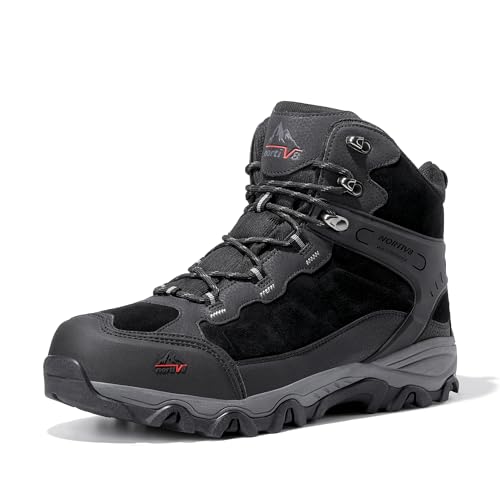


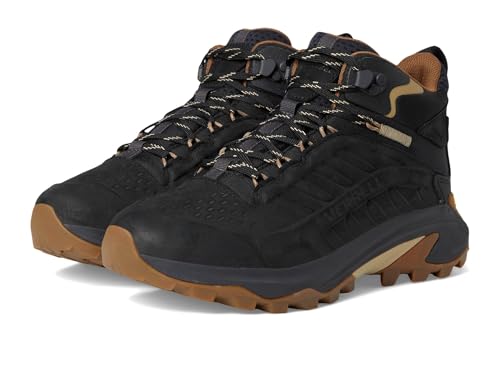
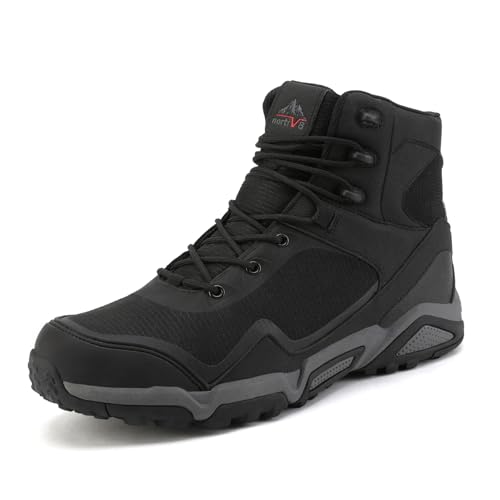
Who Should Buy Black Hiking Boots?
Your reason for choosing black should shape the boot you pick, not only the shade. The three groups below start with how you walk, then point to the build that serves that use best.
Day Hikers Who Move From Trail to Town
You hike on weekends and then stop for food, errands or a train ride home in the same footwear. A black day boot with a plain upper and modest lugs looks neat with travel pants and grips wet pavement and paths. If you never leave paved streets, see our guide to the best black boots for town styles without trail soles. For mixed days, choose a low or mid collar and a sole that feels natural at walking pace.
Load Carriers on Muddy and Rocky Routes
You carry a full pack for hours, often where mud hides roots and loose stone shifts underfoot. A black backpacking boot with a stiff shank, a tall collar and deep lugs protects your ankles and spreads load across the sole. Dark mud blends into a black upper, so the pair looks calmer at camp before cleaning. Prioritize stability and grip over low weight, because tired legs make small slips more likely late in the day.
Travelers and Crew Members With a Black Dress Code
You need footwear that meets a black dress code yet still walks well on days off. Guides, site staff, photographers and frequent travelers pick plain black boots with quiet logos and leather that wipes clean fast. Check your employer rules before you buy, because most hiking boots lack a safety toe and do not replace rated work footwear where a standard requires one. Choose a neat profile and laces you can tidy in seconds.
Key Features to Compare
Use the five checks below in order, starting with fit. The best black hiking boots for your routes will pass the fit check first and the style check last, because a pair that hurts at mile three will stay in the closet.
Sizing, Toe Box Space and Sock Choice
Measure both feet late in the day in your hiking socks, after walking has spread them slightly. Your longest toe needs about a thumb width of space in the toe box, and the heel should stay seated on a downhill ramp test. Lasts differ by brand, so compare widths as well as lengths. For lines split by fit, see our guide to the best hiking boots for men and our guide to the best ladies hiking boots for last and width notes.
Black Uppers, Waterproof Membranes and Airflow
Black uppers come in full grain leather, nubuck and synthetic mesh, and each handles water and heat in its own way. A waterproof membrane such as Gore Tex blocks rain and splash, yet it slows vapor escape on hot climbs, so a breathable mesh panel may suit dry summers better. Black leather shows pale salt lines and light dust clearly, while dark scuffs nearly vanish. For layer choices and upkeep, see our guide to the best waterproofing for hiking boots before you commit.
Lug Depth and Grip on Wet Rock and Mud
The outsole decides how calmly a boot meets slick roots, wet stone and loose gravel. Lugs of about 4 to 6 mm bite into mud and shed soil as you flex the sole, while shallow, close lugs feel smoother on pavement and hardpack. Softer rubber grips wet rock better but wears faster on concrete, and harder rubber lasts longer with less bite. Match lug depth to your roughest normal surface, not to a rare hardest trip.
Midsole Cushioning, Arch Shape and Heel to Toe Drop
Cushioning in the midsole softens repeated impact on descents, and its shape guides how your foot rolls. A heel to toe drop of about 8 to 12 mm suits most walkers, while a lower drop asks more of your calves and Achilles tendons. Flat feet often feel steadier with firm arch support, and high arches often prefer softer foam that fills the gap. Change drop or support in small steps, because a sudden shift can leave calves sore for days.
Boot Weight, Collar Height and Stiffness
A light day pair may weigh about 1.5 to 2.5 pounds, while a sturdy backpacking pair often weighs about 3 to 4 pounds. Extra weight buys ankle coverage, thicker leather and a stiffer shank, yet it costs energy on every climb. A tall collar guards the ankle on uneven ground, and a low collar frees the joint for smooth paths. Stiff leather pairs need a gradual break in period of short walks before any long route.
Three Kinds of Black Hiking Boots Compared
Boots divide by load and ground more than by shade. If your walks stay short, smooth and dry, see our guide to the best hiking shoes for a lighter option with no ankle collar. For rougher ground, the three boot kinds below cover most needs.
Featherlight Black Boots for Day Trails
These pairs use mesh and thin synthetic panels, soft midsoles and low or mid collars. They feel easy on groomed paths and dry quickly after stream crossings, which suits summer loops and light packs. Their thin uppers scuff sooner on sharp rock, and the soft sole guards less when stones strike from the side.
Black Backpacking Boots for Loaded Trips
These pairs add a stiff shank, a taller collar and thicker padding for packs that change how you balance. The sole flexes at the toes, so the boot rolls you forward on climbs and guards your arches. Expect a higher price, often about $150 to $300, and a slower break in period.
Full Leather Black Boots for Rough Ground and Travel
A one piece leather upper resists brush, rock rub and wetting better than most mesh, and it polishes to an even black for town wear. These boots run warm in summer and need regular conditioning to stay supple. Choose them for rough routes and trips where one pair must serve on trail and at dinner.
Common Mistakes to Avoid
Each mistake below costs comfort or money on a boot choice.
- Buying boots in the morning with thin socks leaves toes striking the front on afternoon descents.
- Choosing black leather for hot desert routes without vents leaves feet soaked in sweat by midday.
- Picking shallow lugs for muddy climbs leaves you sliding on slopes you could walk with deeper tread.
- Ignoring pale salt lines on black leather leaves the upper dry and cracked by the next season.
- Wearing a brand new stiff pair on a long route leaves blisters that can end the trip early.
Care and Maintenance: Keeping Black Uppers Deep and Even
Brush dried mud from the upper and sole after each hike, then rinse with plain water only where grime remains. Stuff the boots with newspaper and dry them in moving air away from radiators and direct sun, because strong heat cracks leather and warps glues. Remove the insoles while drying so the footbed airs and odor stays low.
Condition black leather when it looks pale or feels stiff, and use black polish sparingly to even scuffs and faded flex points. Restore water repellency on fabric and nubuck with a spray made for footwear once water stops beading on the surface. Most pairs serve about 500 to 1000 miles, and you should judge the end by flat feel and rounded lugs, not by faded black dye. Store the pair upright in a dry place with laces loosened so the collar keeps its shape.
Frequently Asked Questions
How should black hiking boots fit when your feet swell on warm trails?
Black hiking boots should feel snug at the heel and midfoot with clear space ahead of your toes in hiking socks. Warmth swells feet in dark uppers, so check fit on a warm afternoon walk rather than in a cool shop. Use the top lace hooks to lock the heel before a descent, and retie if your forefoot slides.
Do black hiking boots feel hotter than light colors in summer sun?
Yes, black hiking boots usually feel hotter in strong summer sun because dark surfaces absorb more solar heat than pale ones. The gap matters most on open, slow climbs with little shade or wind. Choose mesh panels and lighter socks on very hot routes, or save the black pair for mornings, forests and cooler seasons.
Does a black leather upper need different care than brown leather?
A black leather upper needs the same cleaning and conditioning as brown leather, with one extra step for color. Black polish and black tinted conditioner restore the deep tone at scuffs and flex points where brown pairs can age more quietly. Keep black products off light socks until they dry, because fresh dye can transfer while damp.
How often should I replace my black hiking boots?
Replace your black hiking boots when inspection shows wear that fit tweaks cannot fix. Press the midsole for creases, check that lugs still have clear edges, and look for cracks at flex points or a collar that folds instead of supporting. New heel pain on once easy routes points to foam that no longer cushions.
Our Verdict
Start with fit, then match grip and waterproofing to your roughest route, and let the black finish serve town and work needs last. Use the product table above to compare weight, collar height and price once your short list passes those checks.
When you judge best black hiking boots by fit, grip and care rather than by shade alone, the pair will serve on muddy paths, city streets and travel days alike.


