
Best Black Chukka Boots by Budget: How to Choose for 2026
Disclosure: We may earn a commission when you buy through links on this page, at no extra cost to you. As an Amazon Associate I earn from qualifying purchases. Learn more

Compare the best black chukka boots at every price point. Learn what you get at budget, midrange, and premium levels and where spending more pays off.
Black chukka boots look polished with trousers, relaxed with jeans, and neat enough for most offices. The best black chukka boots for you depend less on price alone and more on leather, sole, and fit. Prices span a wide range, so this guide shows where extra money helps and where it does not, starting with the comparison table below.
Think first about how often you will wear the pair and on what ground. A boot worn twice a week on office floors needs a different sole than one worn daily on wet sidewalks. The sections below sort buyers by routine, then compare tiers and features, so you can set a budget before you shop.


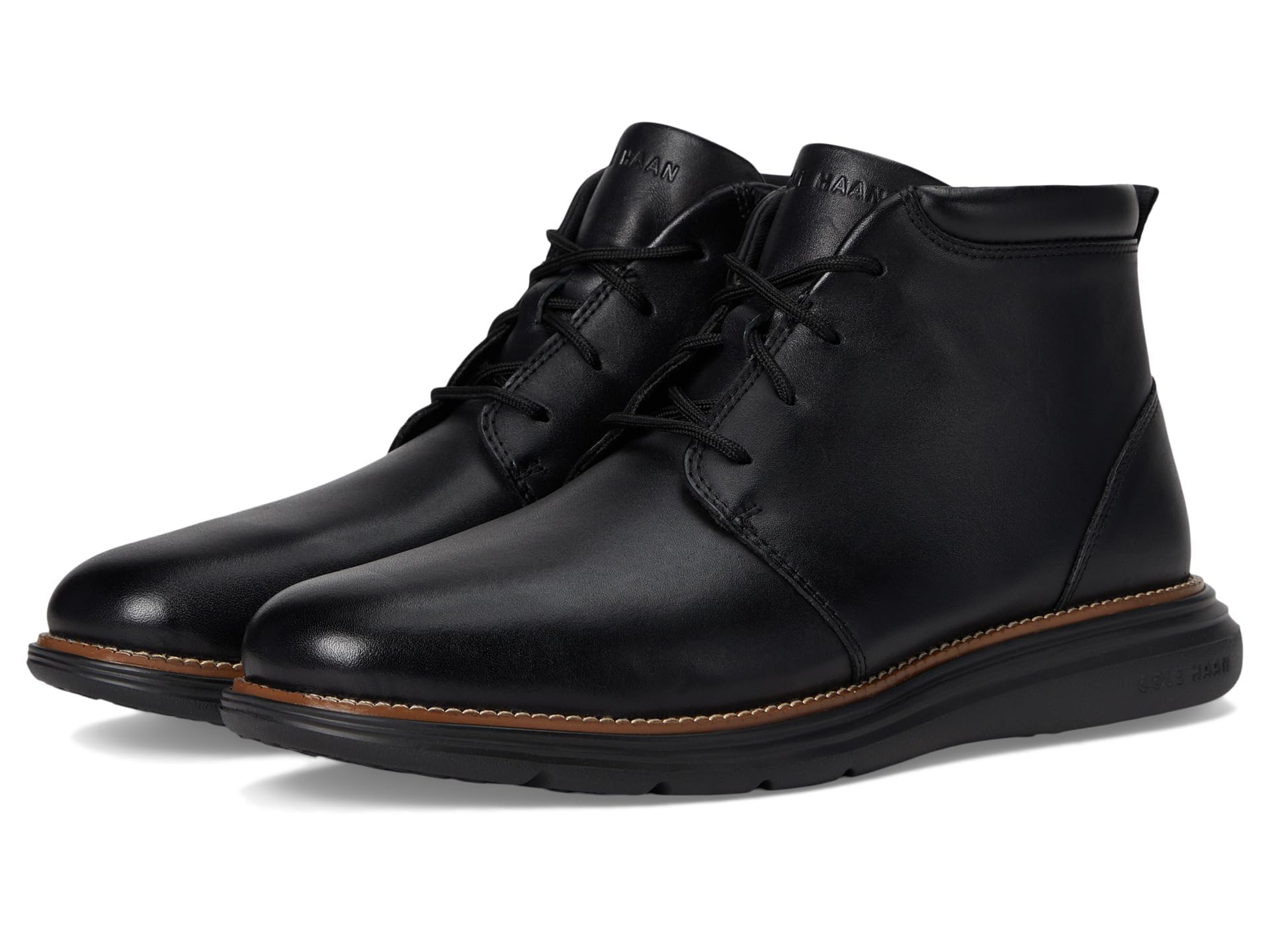

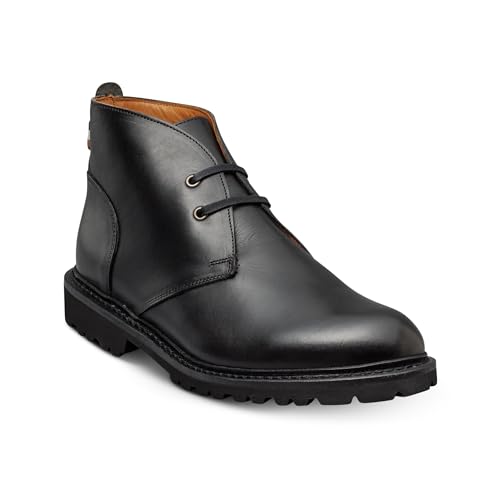

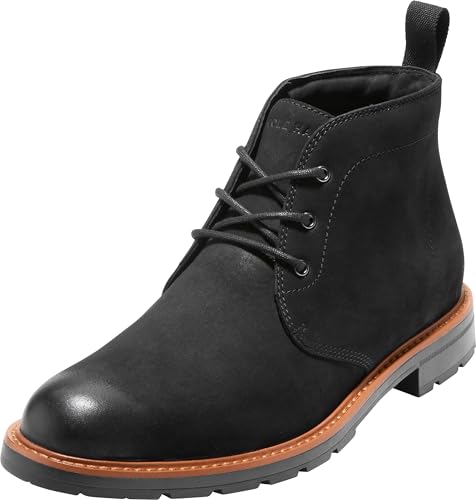


Who Should Buy Black Chukka Boots?
Start with the routine you repeat most often. Your walking distance, dress code, and weather will point you to the right tier.
Office Workers Who Want One Pair for Work and Evenings
You need a pair that moves from meetings to dinner. Choose smooth black leather with a slim shape and a flat rubber sole, since that mix reads as dressy but still grips office floors. If your office leans formal, see our guide to the best dress chukka boots. Most office wearers do well in the mid tier.
Men Building a Versatile Wardrobe on a Set Budget
You want one black pair that covers jeans, chinos, and casual trousers. A plain toe design in black leather is the most flexible choice, and it hides scuffs better than suede does. For a wider view of fit and sizing, see our guide to the best men's chukka boots. Budget tiers suit this goal if wear stays light.
Daily Walkers and Travelers Who Need Lasting Comfort
You cover real distance on pavement and need comfort that lasts past the first hour. Look for a cushioned insole, a roomy toe box, and a rubber outsole with shallow lugs for grip on wet stone. A mid tier pair usually balances weight and support best for travel. Pack the boots in a cloth bag to protect lighter clothing.
Black Chukka Price Tiers and What Changes
When you compare best black chukka boots across tiers, higher prices mainly buy better leather, stronger construction, and soles a cobbler can replace, while the basic shape stays much the same.
Budget Tier: Simple Builds for Occasional Wear
Pairs at about $60 to $100 usually use corrected grain leather or synthetic blends, cemented soles, and thin foam insoles. They look neat and suit occasional wear and dry weather. The trade off is lifespan, since a worn cemented sole usually means the whole boot is done. Choose this tier to test the style before you spend more.
Mid Tier: Fuller Leather and Daily Comfort
Pairs at about $100 to $200 often bring full grain leather, linings that manage moisture better, and firmer arch support. Stitching replaces glue, and insoles feel supportive through a full workday. This is where most daily wearers get the best balance of comfort, looks, and cost per wear.
Premium Tier: Resoleable Builds for Years of Wear
Pairs at about $200 to $350 may add a Goodyear welt, thicker full grain leather, and cork or leather midsoles that mold to your foot. A cobbler can resole these boots, which spreads the higher price across many more seasons. Choose this tier if you wear black boots several days a week.
Key Features to Compare
Compare these factors in the same order, so a low price cannot hide a weak sole.
Getting the Fit Right With Few Eyelets
Chukka boots have only two or three eyelets, so laces give less adjustment than on a taller boot. Measure both feet late in the day, when feet are at their largest, and try boots with the socks you plan to wear. Your toes need room to spread without touching the front, and your heel should lift only slightly as you walk. If you fall between sizes, choose the larger size and add a thin insole.
Black Uppers in Leather, Suede, and Nubuck
Smooth leather is the most versatile black upper, since it takes polish and sheds light rain. Suede looks softer and more casual, but black suede shows dust quickly and needs a protective spray before wear. Nubuck sits between the two, with a fine nap that scuffs more visibly. Choose smooth leather for offices and wet climates, and save suede for dry days.
Outsole Material and Traction on Wet Ground
Crepe rubber feels soft and quiet and suits dry indoor floors, but it can feel slick on wet tile and wears down faster on rough pavement. Lug rubber soles grip wet sidewalks better and add stability on uneven ground, though deep lugs look chunky with dress trousers. Leather soles look the most formal, yet they offer the least grip. For mixed daily use, a flat rubber sole with shallow grooves gives steady traction.
Cushioning, Arch Support, and Heel to Toe Drop
Most chukka boots have a low heel to toe drop of about 8 to 12 mm, which suits long standing. A cushioned insole softens impact on hard floors, while a shaped footbed adds arch support for flatter feet. Very soft foam can feel plush in the store yet pack down within months, so firmer support serves daily walkers better. If you use your own insoles, check that the boot has depth to fit them.
Water Resistance and Breathability
Most black chukka boots resist light rain through the leather itself, and a membrane lined version handles heavier rain but feels warmer and less breathable in summer. Seams around the ankle sit low, so deep puddles can enter over the top. For daily wet commutes, see our guide to the best black boots, since a taller shaft keeps more water out.
How to Check Chukka Boot Fit at Home
Test a new pair indoors on a clean floor so returns stay possible. Lace the boots snugly, stand with your full weight on both feet, and walk the length of a room. Your ankle should feel held without rubbing at the collar edge, and the leather over your toes should crease without pinching.
Press your thumb behind your heel while standing, since a small amount of space there is normal in a new pair. Then sit and check that the boot bends where your foot bends. For a broader look at shapes and soles, see our guide to the best chukka boots before you settle on a final size.
Common Mistakes to Avoid
These errors cost comfort or money, and each is easy to prevent.
- Buying black suede for a wet commute leaves salt lines and stains that brushing cannot fully remove.
- Choosing a size from your sneaker size alone leads to heel slip, since chukka lasts often run long.
- Picking a leather sole for daily sidewalk use wears the sole quickly and leaves you with poor grip on wet stone.
- Wearing a new pair outdoors before checking the fit leaves you stuck with a size you cannot exchange.
- Polishing scuffed suede with cream made for smooth leather darkens the nap and ruins the soft finish.
Polishing and Storing Black Chukkas
Brush dust off after each wear, working in one direction on suede and in small circles on smooth leather. Store the boots with shoe trees or loosely packed paper to hold their shape, and keep them away from direct heat, since hot air dries leather and can crack the finish. Let a wet pair dry at room temperature.
For smooth black leather, apply a thin coat of black cream polish every few weeks to cover scuffs, then buff once the cream turns dull. Clean rubber soles with a damp cloth and mild soap, and check laces and eyelets each season. A stitched sole can go to a cobbler for resoling, while a separated cemented sole usually signals the end of the pair.
FAQ
Can I wear black chukka boots all day?
Yes, you can wear black chukka boots all day if the fit and support match your feet. Give a new pair a few shorter days before a full day out. Carry a spare pair of socks on warm days, since swapping at midday reduces friction.
Do black chukka boots need waterproofing for daily wear?
Most daily wearers do not need a fully waterproof boot, but light protection helps. A wax based cream on smooth leather sheds drizzle and slows salt stains, while suede needs a spray made for suede before the first wear. In heavy rain, an overshoe protects better, since it covers the low ankle opening.
Are expensive black chukka boots worth the extra cost?
Expensive black chukka boots are worth the extra cost only if you wear them often. The clearest gain is resoling, since one resole can cost about $75 to $125 and still undercut a new mid tier pair. If the boots sit in a closet most weeks, a simpler pair serves the same outfits.
How should black chukka boots fit around the ankle?
Black chukka boots should feel snug at the ankle without biting when you flex your foot. The collar sits below the ankle bone for most wearers, and the laces should close with the upper nearly meeting. A wide gap that stays open as you walk means the boot is likely too large in volume, even if the length feels right.
How long does the break in period last for black chukka boots?
For most leather pairs, the break in period lasts about one to two weeks of short wears. Smooth leather softens first across the toes and then around the ankle collar, while suede feels comfortable sooner because the nap flexes more easily. Wear thick socks at first and limit new pairs to a few hours at a time, since pushing through sharp pain can blister your heel.
Wrapping Up
Set your budget by wear frequency first. Occasional wearers can stay in the budget tier, daily wearers gain most from the mid tier, and heavy users get real value from a resoleable premium build. Use the product table above to compare leather, sole, and price.
With fit, upper, and sole settled, the best black chukka boots become an easy daily choice. Choose the simplest pair that meets your routine, care for the black finish little and often, and they will stay presentable for seasons.


