
Best Black Ceramic Watches 2026 Buying and Care Guide
Disclosure: We may earn a commission when you buy through links on this page, at no extra cost to you. As an Amazon Associate I earn from qualifying purchases. Learn more

A plain guide to black ceramic watches: scratch resistance, weight, case finishes, movement types, and care, so you can pick a watch that lasts.
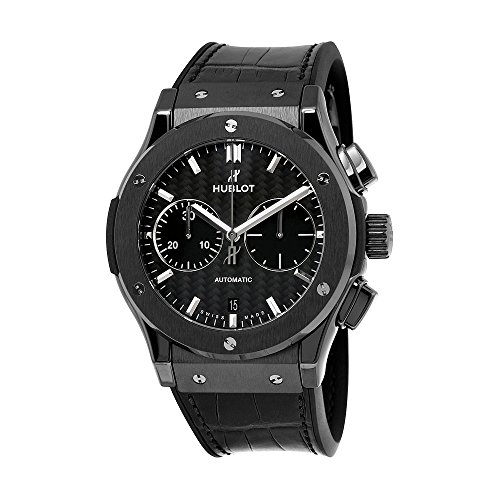
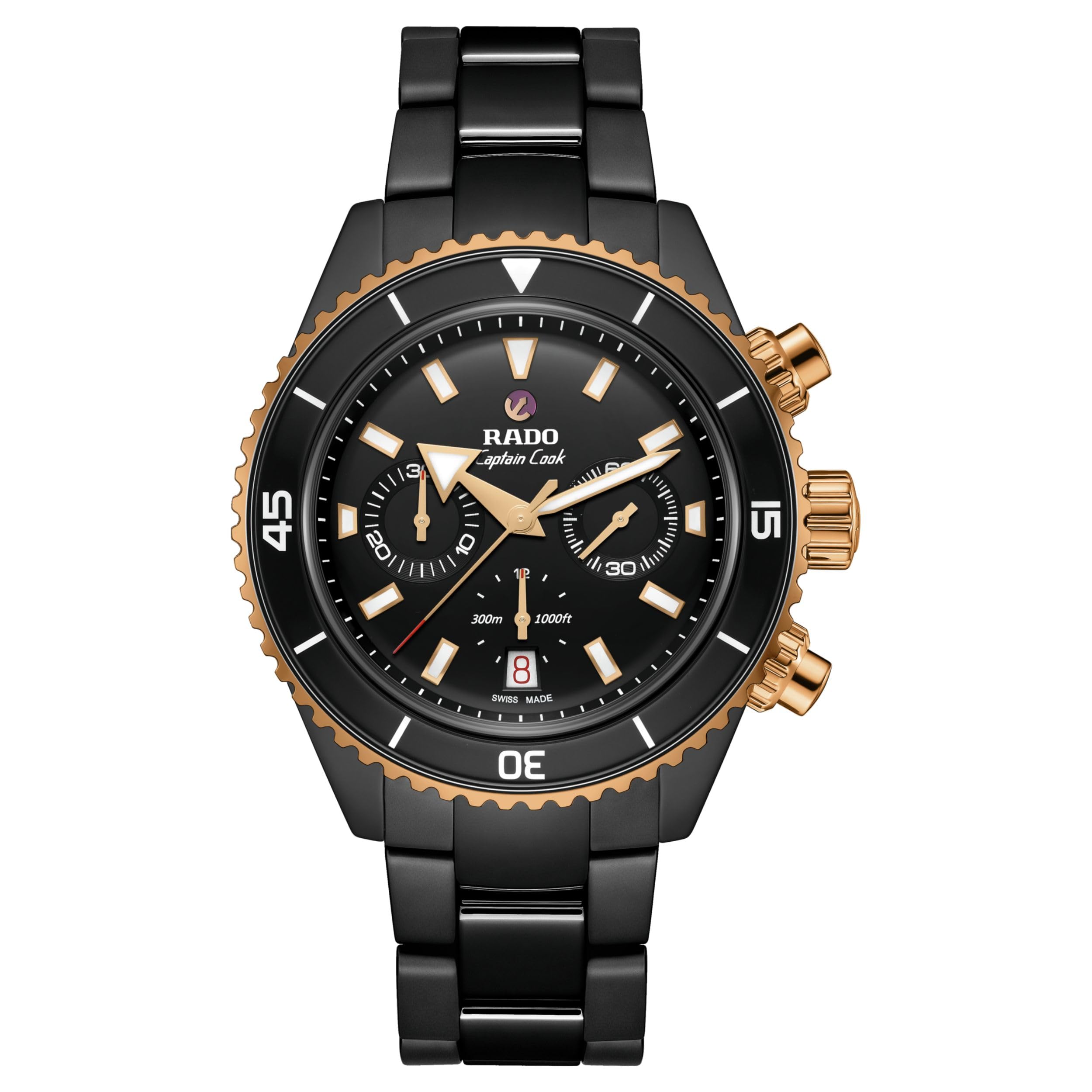
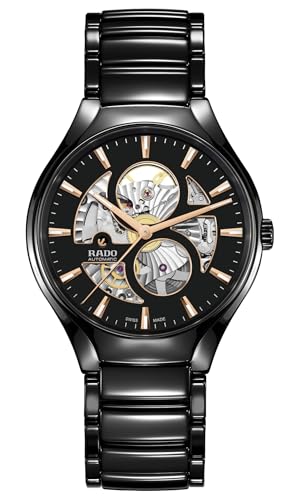
Black ceramic watches stand out because the case material is hard, light, and stays black in a way that coated metal often does not, and best black ceramic watches deserve a careful look before you spend. Ceramic resists scratches far better than steel, but it behaves differently if dropped, and the finish, from matte to glossy, changes the whole look of the watch. The comparison table below shows the main case styles and movements side by side, so you can compare weight, scratch resistance, and price before you buy.
This guide explains what ceramic actually is in a watch case, how it compares with steel and titanium, and what to check in the bracelet, clasp, and movement. It also covers care, since ceramic needs different handling from metal, and the trade offs that matter for daily wear. By the end you should know whether ceramic suits your wrist and your routine.



What Black Ceramic Is and Why It Scratches Less
Watch ceramic is usually zirconia, a hard engineered material fired at high temperature and then polished or blasted to the final finish. On the hardness scale it sits well above steel, which is why everyday knocks from keys, door frames, and desk edges leave far fewer marks. The black color runs through the material rather than sitting as a coating, so a light scratch does not reveal a different color underneath.
That hardness comes with a trade off: ceramic is more brittle than metal, so a hard drop onto tile or concrete can chip or crack a case where steel would only dent. This does not mean ceramic is fragile in normal wear, but it does mean you should avoid wearing a ceramic watch for heavy manual work or contact sports. For office, travel, and everyday wear, the scratch resistance is a genuine daily benefit.
Matte, Glossy, and Brushed Finishes
Matte black ceramic looks understated and modern, hides fingerprints well, and suits casual and work outfits alike. Glossy black ceramic looks dressier and catches the light, but it shows smudges and dust more readily and needs wiping more often. Some cases mix finishes, with a polished bezel and a brushed or matte case side, which adds visual depth without making the watch flashy.
Finish also affects how scratches show: a matte finish hides fine marks better than a mirror polish, which is worth considering if you wear the watch daily. Ask how the finish is achieved and whether the maker can refinish the case, since ceramic cannot be polished the way steel can. A finish you like on day one should still look good after a year of daily wear.
Weight, Comfort, and Wrist Fit
Ceramic is lighter than steel, which makes larger cases more comfortable over a long day, especially for people who notice watch weight by evening. A lighter case also means the watch moves less on the wrist during activity, though a good bracelet or strap fit matters more than weight alone. Try the watch on with your normal wrist size in mind, and check that the case does not overhang your wrist bone.
Bracelets in ceramic match the case and keep the look seamless, but they add weight back and can feel stiff at first. Rubber and leather straps lighten the watch and suit sport and dress use, and they are easier to replace. Whatever the strap, the clasp should close securely and adjust in small steps, since a watch that slides around will annoy you far more than a slightly heavier case.
Movements: Quartz, Automatic, and Smart
Quartz movements run on a battery, keep excellent time, need little attention, and suit most buyers who want a watch that just works. Automatic movements wind from wrist motion, appeal to watch enthusiasts, and need wearing or winding to keep running, plus a service every few years. Smart features, such as notifications and health tracking, appear in some black ceramic style watches, but they change the buying decision entirely, since battery life and software support matter more than the case.
Choose the movement for how you will use the watch. If you rotate watches, quartz avoids the hassle of resetting a stopped automatic. If you enjoy mechanical watches and wear one watch daily, an automatic movement adds character and craft. Check the water resistance rating too, since a dress watch may only handle splashes while a sport model handles swimming.
Care, Cleaning, and Repair
Ceramic is easy to clean: warm water, mild soap, and a soft cloth handle most dirt, and the surface resists staining from sweat and sunscreen. Avoid abrasive cleaners and ultrasonic cleaners unless the maker approves them, and keep the watch away from harsh chemicals that can damage gaskets and straps. Rinse after swimming in salt water, and dry the case and bracelet before storing.
Repair is where ceramic differs most from metal. A scratched steel case can often be polished, but a chipped ceramic case usually needs a replacement part from the maker, which can be costly. Check the warranty terms for case damage before buying, and ask whether the maker stocks replacement bezels, links, and cases. Insurance for a valuable watch is worth considering if you wear it daily.
Who Should Choose Ceramic, and Who Should Not
Ceramic suits buyers who value scratch resistance, light weight, and a deep black look that does not fade or flake. It suits office wear, travel, and daily use where the watch meets desks, bags, and door frames more than rocks and tools. If you love the look and treat the watch with normal care, ceramic will look newer for longer than a coated metal watch.
Skip ceramic if you work with heavy tools, play contact sports in your watch, or drop things often onto hard floors. In those cases, steel or titanium will dent rather than chip and can be refinished more cheaply. Being honest about your routine keeps a beautiful watch from becoming an expensive repair bill.
Buying a Ceramic Watch Second Hand
Second hand ceramic watches can offer good value, but check the case carefully for chips, especially on bezel edges, lugs, and bracelet links, since chips cannot be polished out like steel scratches. Ask for clear photos in bright light, and check that the clasp closes firmly and the crown turns smoothly. Original paperwork, box, and warranty card add confidence and help with future servicing and resale.
Have the watch checked by a reputable watchmaker before the return window closes, particularly if the price seems low for the model. A watchmaker can confirm the movement, check water resistance seals, and spot replacement parts that were not disclosed. Buying from a dealer with a written return policy protects you far better than a bargain from an unknown seller with no paperwork.
Related Buying Guides
To compare materials first, see best ceramic watches and the broader black styles in best black watches. For dressier options, best black luxury watches covers higher end cases, while best black watches for women and best black on black watches narrow the look further.
Frequently Asked Questions
Do black ceramic watches scratch easily?
No, ceramic is much harder than steel, so everyday knocks from keys, desks, and door frames leave far fewer marks. The black color runs through the material rather than sitting as a coating, so light marks do not reveal a different color underneath. However, ceramic is more brittle than metal, so a hard drop onto tile or concrete can chip a case where steel would only dent.
Are ceramic watches lighter than steel watches?
Yes, ceramic is lighter than steel, which makes larger cases more comfortable over a long day. A lighter case also moves less on the wrist during activity, though a good bracelet or strap fit matters more than weight alone. Ceramic bracelets add some weight back, while rubber and leather straps keep the watch light and are easier to replace.
Can a chipped ceramic watch case be repaired?
A chipped ceramic case usually cannot be polished like steel and often needs a replacement part from the maker, which can be costly. Check the warranty terms for case damage before buying, and ask whether the maker stocks replacement bezels, links, and cases. For a valuable watch worn daily, insurance is worth considering alongside the purchase.
Should I choose quartz or automatic movement?
Quartz suits buyers who want a watch that just works, with excellent timekeeping, a battery change every couple of years, and no winding. Automatic movements appeal to enthusiasts, wind from wrist motion, and need wearing or winding plus a service every few years. If you rotate watches, quartz avoids resetting a stopped automatic each time you switch.
How do I clean a black ceramic watch?
Warm water, mild soap, and a soft cloth handle most dirt, and ceramic resists staining from sweat and sunscreen. Avoid abrasive cleaners and ultrasonic cleaners unless the maker approves them, and keep the watch away from harsh chemicals that can damage gaskets and straps. Rinse after swimming in salt water and dry the case before storing.
Final Thoughts
The best black ceramic watches are the ones that match your wrist, your routine, and your tolerance for repair costs if the worst happens. The product table above gives a quick comparison, but finish and movement matter more than brand hype. Choose ceramic if you value scratch resistance and light weight for daily wear, and choose steel if your days involve heavy tools and hard floors. Either way, check the warranty, try the fit, and buy the watch you will enjoy wearing every day.


