
Best Black Boots for Winter in 2026: Types Compared and How to Choose
Disclosure: We may earn a commission when you buy through links on this page, at no extra cost to you. As an Amazon Associate I earn from qualifying purchases. Learn more

Compare black boots for winter by type, insulation, waterproofing, traction and fit, with a clear checklist for snow, ice and daily cold weather wear.
Black boots look simple until winter makes every detail matter. A pair that suits a dry sidewalk can soak through in slush, slip on a frozen curb, or feel tight once you add thick socks. The best black boots for winter match your weather, your walking distance, and your daily clothes, and the comparison table below helps you sort the main types first.
This guide compares boot types rather than naming products. It covers insulation, waterproofing, traction, fit with winter socks, shaft height, and care that keeps black uppers clean after salt and snow.





Who Should Buy Which Black Boots for Winter?
Start with the coldest day you face often, not the worst storm you might see once. Your commute and your usual walking surface point to very different boots.
City Commuters Who Walk on Cleared Sidewalks
You need warmth and grip without a bulky snow boot shape. Look for a mid height boot with light to moderate insulation, a sealed upper, and a rubber outsole with many small edges. Black leather suits office wear and wipes clean after slush.
Snow Belt Drivers and Homeowners Who Clear Snow
You stand in deep snow and step through plowed ridges at the end of a driveway. Choose a taller boot with stronger insulation, a waterproof lower section, and deep lugs that clear snow instead of packing it. A roomy toe box leaves space for heavy socks without squeezing your toes cold.
Walkers and Workers Who Spend Hours Outdoors
You stay outside long enough that small fit problems grow into sore spots. Prioritize arch support, a stable heel, and a sole that stays flexible in cold air. If your route includes polished ice, see our guide to the best winter boots for black ice for a closer look at grip.
Types of Black Boots for Winter Compared
When you shop for the best black boots for winter, the type sets the ceiling for warmth, weight, and style. Decide the type first and compare details inside it. For a broader view before you narrow by color, see our guide to the best winter boots.
Insulated Snow Boots With a Rubber Lower Shell
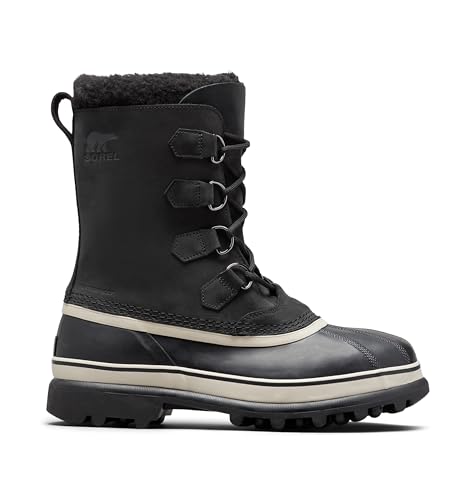
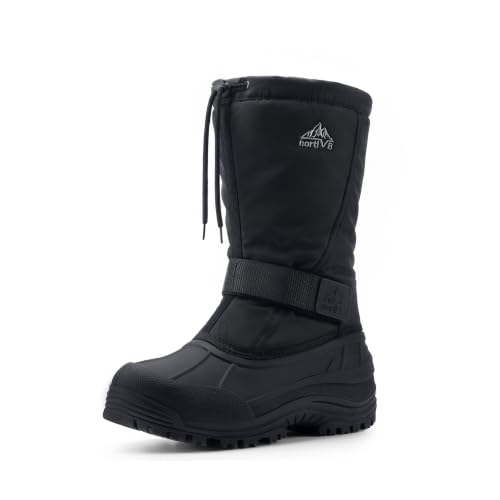
These boots pair a rubber lower section with a fabric or leather upper and a warm lining. They handle deep snow and slush best because water cannot enter through the lower section, and many use removable liners you can dry separately. The trade off is weight and a casual look. Choose this type for shoveling, and expect prices around $90 to $180.
Leather Lace Up and Chelsea Style Winter Boots
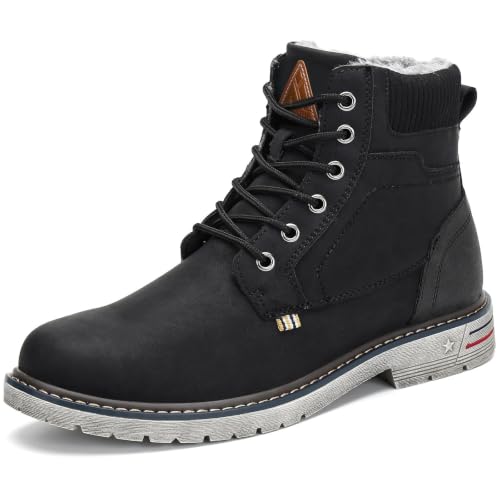
These boots use treated leather uppers, sealed seams, and thinner insulation so they look right with work clothes. Traction is moderate, built for cleared sidewalks, and warmth suits city cold rather than long hours in snow. Chelsea styles slip on fast but offer less adjustment, while lace up styles let you tune fit over different socks. Most fall around $100 to $220.
Hiking Style Winter Boots for Mixed Ground
These boots borrow a supportive hiking shape and add insulation plus a waterproof membrane. A stiffer midsole and deeper tread suit packed snow trails and long walks where a soft city boot would tire your feet. They look sportier and weigh more than commuter styles, but they give the best stability here. Expect about $110 to $200.
Key Features to Compare
Compare these factors in order, because warmth without grip still leaves you with the wrong boot.
Insulation Weight and Warmth for Your Climate
Insulation is often listed by weight, and about 200 grams suits mild winter cities and active walkers who generate heat. Around 400 grams fits colder regions and people who stand still outdoors, while 600 grams and above serves severe cold but can overheat indoors. There is no universal temperature rating system for boots, so treat printed ratings as rough guides. Match insulation to activity first, since sweat from a fast walk can chill feet later.
Waterproofing, Sealed Seams, and Breathability
A waterproof membrane blocks outside water while letting some sweat vapor escape, and sealed seams close the gaps where panels join. A rubber lower shell is the most reliable option in slush, while treated leather needs sealed seams for wet days. Breathability matters even in winter, because damp socks lose warmth fast. A membrane boot with moderate insulation suits days split between heated buildings and cold streets.
Outsole Tread and Grip on Snow and Ice
The outsole does the safety work. Look for soft rubber that stays pliable in cold weather, lugs about 4 to 6 mm deep, and edges angled in more than one direction so the sole grips when you push off and when you stop. No standard sole guarantees grip on smooth ice, so slow down on glazed surfaces and consider traction aids if your route stays icy.
Fit, Sizing, and Toe Box Room With Thick Socks
Try boots late in the day, when your feet are largest, and wear the socks you plan to use all winter. You want about a thumb width in front of your longest toe, a heel that lifts very little, and a toe box wide enough for your toes to spread. Boots that feel snug in thin store socks often turn painful with winter socks. If you fall between sizes, the larger size usually works better.
Shaft Height, Weight, and Arch Support
Shaft height controls snow protection and style. Ankle height boots suit cleared streets, mid calf height keeps snow out in a drift, and taller shafts help in deep snow but add weight. A pair often weighs about 2 to 4 pounds, and lighter pairs reduce leg fatigue. Check arch support and stability too, since a flat soft sole can tire feet on frozen ground. Removable insoles let you add your own support.
How to Check a Black Winter Boot Before You Commit
Use this check in the store or at home during the return window. Bend the boot to confirm the sole flexes at the toes, and press the heel counter to check that it feels firm. Lace the boot as you would for a real walk and note any heel slip. Wear both boots for ten minutes, because padding can mask a tight spot.
Men comparing similar styles may also find it useful to see our guide to the best boots men winter, since sizing varies by line. Keep the box until you have walked outdoors, because carpet hides pressure points that show up on cold pavement.
Common Mistakes to Avoid
- Buying your summer shoe size leaves no room for thick socks, so your toes press, circulation drops, and your feet feel colder.
- Choosing smooth fashion soles for icy streets raises your fall risk every time you cross a glazed parking lot.
- Picking the heaviest insulation for mild weather makes your feet sweat indoors, and damp socks chill fast once you go back outside.
- Ignoring salt care lets white salt lines dry out black leather, which then cracks along the flex lines over the toes.
- Wearing the same pair daily keeps the lining damp, so odor builds and insulation packs down sooner.
- Trusting a printed temperature rating alone ignores activity level, so a boot rated for deep cold can still fail a person who stands still.
Care and Maintenance for Black Winter Boots
Brush off salt after each wet outing, and wipe black leather with a damp cloth before salt lines set in. Stuff the boots loosely with newspaper so the shape holds while the lining dries. Air dry at room temperature away from radiators, because strong heat stiffens leather and can weaken glues in the sole.
Condition black leather once it looks dry, and use black polish to restore color where toes scuff. For fabric uppers, a soft brush and mild soap handle most grime. Refresh water repellent spray when water stops beading. Store boots upright and fully dry.
FAQ
What features matter most in black boots for winter?
Waterproofing, insulation matched to your climate, and a cold weather outsole matter most in black boots for winter. After those three, fit with thick socks decides whether the boot stays comfortable all day. A taller shaft helps in deep snow, while a shorter shaft suits cleared streets. Spend on the feature your weather demands most often.
Are expensive black winter boots worth the extra cost?
Expensive black winter boots can be worth it when the extra cost buys sealed seams, better insulation, and a sole that stays flexible in cold air. Higher prices do not always mean warmer boots. Compare type and waterproof build first, and pay more only for upgrades you can name. A mid priced snow boot often beats a costly fashion boot in storms.
How long is the break in period for black winter boots?
Most black winter boots feel close to final fit within about three to five wears. Stiff leather styles may need a week of short walks before the ankle softens, while soft lined snow boots often feel right at once. Wear new boots indoors first. Sharp pain, numb toes, or a blister in the same spot signals a fit problem, not a normal break in stage.
How often should you replace black boots for winter?
Replace black boots for winter when the tread wears smooth, the waterproofing fails after proper care, or the midsole feels flat. For daily wear, that point often arrives after about three to five winters. A useful early warning is new heel slip, because worn counters and packed lining change the fit before the upper looks worn out.
Can you wear black winter boots all day indoors and outdoors?
Yes, you can wear black winter boots all day if the insulation suits indoor heat as well as outdoor cold. Heavy insulation at a desk can overheat your feet, so commuters who stay inside most of the day often do better with moderate insulation and warmer socks for the trip. Changing into indoor shoes also keeps boots drier.
Wrapping Up
Decide the type first, then check insulation, waterproofing, and tread against your coldest normal day. Confirm fit with thick socks, and plan salt care so the black finish lasts. Use the product table above to compare shaft height, weight, and price.
Chosen that way, the best black boots for winter become a practical match for your streets, your snow, and your daily miles.


