
Best Black Boots for Law Enforcement in 2026: Which Type Is Right for You?
Disclosure: We may earn a commission when you buy through links on this page, at no extra cost to you. As an Amazon Associate I earn from qualifying purchases. Learn more

Black boots for law enforcement compared by type, ideal user and price range, from waterproof to lightweight and high shaft duty boots.
Black duty boots look similar on a shelf, yet the differences decide how your feet feel at hour ten of a shift. A waterproof membrane, a taller shaft, and a lighter build each suit different patrol work, and choosing wrong means sore arches or wet socks. This guide compares the main types of best black boots for law enforcement so you can match a type to your assignment first.
You will see how each type works, what it costs, and who it suits, plus the fit checks that matter on duty, starting with the comparison table below.

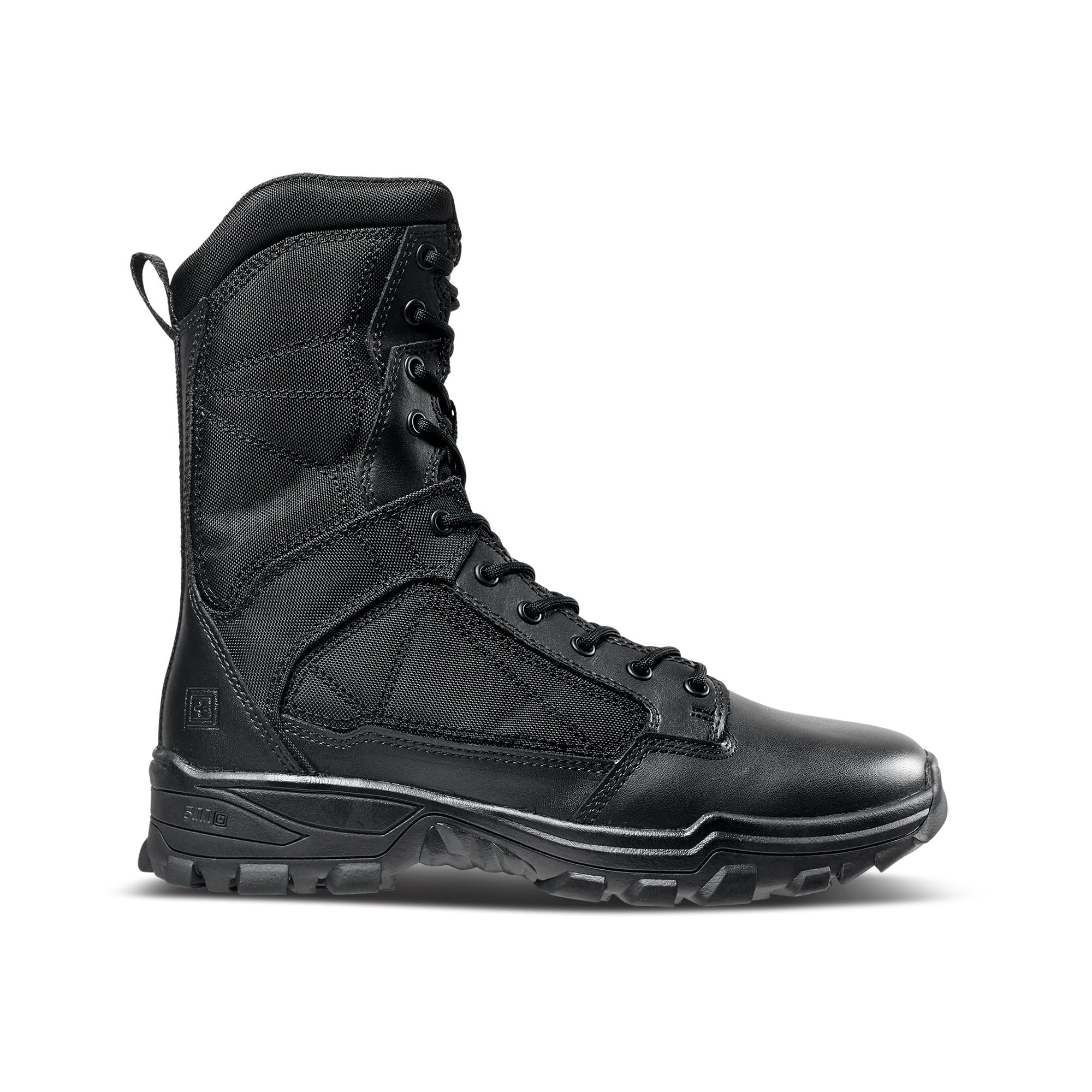


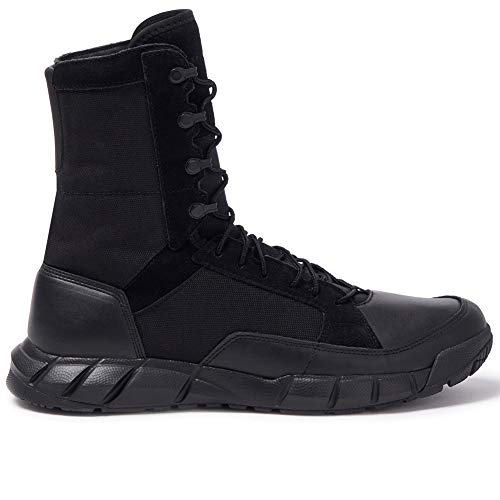


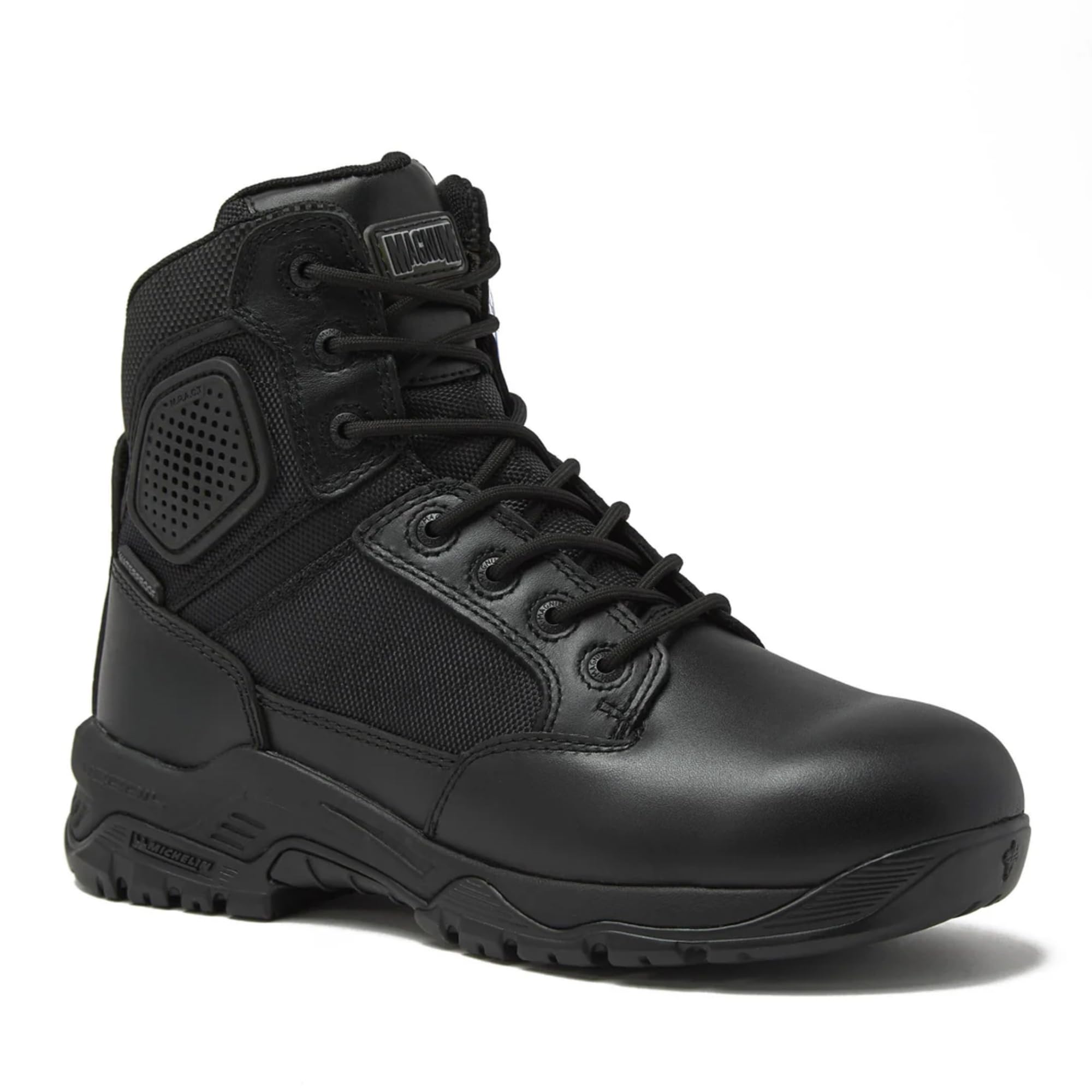
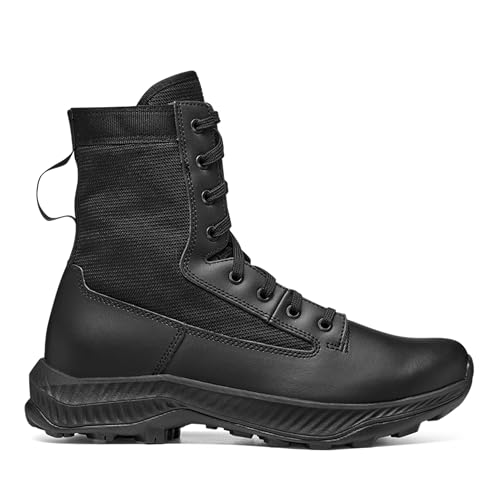

Types of Black Boots Compared
Three boot types cover almost every uniform assignment. They share a polishable black upper and a duty ready outsole, but trade weight, weather protection, and ankle support in different ways. For the broader category view, see our guide to the best law enforcement boots.
Waterproof Membrane Boots for Wet Patrol Work
Waterproof boots seal the upper with a membrane lining, often Gore Tex, that blocks rain and standing water while letting some sweat vapor escape. You get dry feet through storm calls and wet grass, but the lining also holds heat in summer. Expect to pay about $130 to $250. Choose this type if your patrol area gets real rain or you work traffic scenes outdoors. Skip it for mostly indoor duty in a warm climate, where trapped heat leaves feet damp from sweat.
Lightweight Patrol Boots for Foot Pursuits and Long Shifts
Lightweight patrol boots pair a leather toe and heel with fabric panels on the shaft, cutting weight so each step costs less energy over a long shift. They flex easily at the ankle, suiting foot patrol and officers who climb in and out of a vehicle all day. The panels breathe better than full leather, though they cannot take a high shine. Prices run about $90 to $180. Officers comparing nimble duty styles often also read about the best tactical boots for law enforcement, since the two categories overlap in build.
High Shaft Boots With Side Zips for Ankle Support
High shaft boots rise about 8 inches up the calf and add a side zip over the laces, so you set lace tension once and then enter through the zip. The taller shaft steadies the ankle on uneven ground, and the leather upper takes a mirror polish for inspections. The trade off is weight and a stiffer feel while driving. Prices run about $110 to $220. This is the classic profile covered in guides to the best law enforcement duty boots, suiting officers who want maximum support and a formal look.
Waterproof vs Lightweight vs High Shaft Boots: Which Should You Choose?
Match the type to your wettest, longest, and roughest day rather than your average one. If rain defines your shift, the waterproof type wins because dry feet protect focus and skin. If you walk miles or need to run, the lightweight type wins because less weight means less leg fatigue by the final call. If you cross rough ground or face strict inspections, the high shaft type wins on stability and polish.
How to Choose the Right Black Boot
Once the type is set, choosing the best black boots for law enforcement for your own feet comes down to five checks. Work through them in order, because fit problems cannot be fixed by a better outsole later.
Arch Support and Foot Type in Duty Boots
Arch support should match your foot shape. Flat feet that roll inward, called overpronation, need a firmer midsole and a stable heel counter that limit that roll during long standing. High arches need more cushioning under the heel and forefoot, since a stiff arch area leaves pressure points. A wet footprint test shows your arch height. If you have ongoing foot pain, numbness, or swelling that does not settle after a shift, see a clinician or podiatrist rather than treating a new boot as the cure, and ask what support profile fits your feet.
Features That Matter for Law Enforcement Work
Duty work adds demands that hiking boots do not face. The toe and heel should be smooth black leather that takes polish, because many agencies require a shine. A side zip saves time during gear up, while a fully laced shaft gives finer tension control. Look for an outsole rated for oil and slip resistance, since fuel spills, wet tile, and icy steps are routine hazards. Most officers choose a soft toe unless their assignment requires a safety toe. Confirm department policy on shaft height, toe material, and polish before ordering.
Fit, Sizing, and Toe Box Room in Black Duty Boots
Measure and try boots late in the day, when feet have swollen from standing, and wear your duty socks. The toe box should let toes lie flat and spread slightly, with about half an inch of space ahead of your longest toe. Your heel should stay seated when you walk, with no lifting that signals a size too large. Width matters as much as length, so choose a wide fitting rather than sizing up if the forefoot feels pinched. Between sizes, pick the one that holds the heel, since extra length is easier to manage than heel slip.
Weight and Flexibility in Patrol Boots
Boot weight adds up across thousands of steps, so a lighter boot leaves legs fresher, while a heavier leather boot gives more protection and structure. The forefoot should bend where your own foot bends, so walking feels natural, and the shaft should allow enough ankle movement for driving and stairs. A boot that feels like a plank in the store rarely softens enough on duty. If your work mixes driving with short walks, favor flexibility over structure.
Outsole Grip, Cushioning, and Heel to Toe Drop
The outsole is your contact with wet pavement and polished floors, so look for tread with open lugs at the edges that channel water away and bite on loose ground. Cushioning in the midsole absorbs the impact of standing on concrete, and a heel to toe drop of about 8 to 12 mm suits most officers because it keeps a familiar stride. A very flat drop can strain calves used to raised heels. Stability comes from a broad base and a firm heel counter, so test with a slow side step to feel whether the foot stays centered.
Common Mistakes to Avoid
- Buying boots in the morning when feet are smallest, so the pair feels tight by the end of a shift.
- Choosing a fabric panel boot for an agency that requires a polished toe, so the boots fail inspection.
- Ordering a waterproof boot for hot indoor duty, so trapped heat leaves feet damp and prone to blisters.
- Ignoring width and sizing up in length instead, so the heel slips and rubs on every step.
- Wearing a new pair on a double shift, so stiff leather causes hot spots before the boot breaks in.
How to Make Your Black Boot Last Longer
Rotate two pairs if you work daily shifts, giving each pair a full day to dry and recover its cushioning. Air dry wet boots at room temperature away from direct heat, and stuff them with newspaper after a soaked shift. Brush off dirt after each use, condition the leather every few weeks, and keep the polish layer thin so leather can flex without cracking. Check tread and heel wear monthly, since worn tread loses grip long before the upper looks tired.
Frequently Asked Questions
What features matter most in black boots for law enforcement?
A polishable black leather toe matters most for passing uniform standards, followed by fit and slip resistant grip. One check many officers miss is the closure under gloves, since a side zip you can work with gloved hands saves real time at a vehicle. Also confirm the color is a true uniform black rather than a dark brown that some makers label loosely.
How often should I replace black boots for law enforcement?
Replace black duty boots when the tread runs smooth, the midsole feels flat, or the upper cracks at the flex point, which for full time patrol often arrives after about one to two years. An early signal is new knee ache on routes that used to feel fine, since worn cushioning changes how impact travels upward. Resoleable leather boots can gain extra life from a new sole if the upper still holds polish.
Do I need waterproof black boots for law enforcement duty?
You need waterproof black boots only if your assignment regularly puts you in rain, wet ground, or standing water. Officers in dry regions or indoor posts often stay more comfortable in a breathable build, because membrane linings add warmth. A middle path is a standard boot treated with a leather water repellent, which sheds light rain on short outdoor calls without sealing in as much heat.
Are expensive black boots for law enforcement worth the cost?
Expensive black duty boots are worth the cost when the extra money buys better leather, a resoleable build, or a fit range that includes your width. Spread across hundreds of shifts, a higher price can work out to a small amount per working day. Price alone guarantees nothing, so judge by whether the materials and construction match your assignment rather than by the tag.
How long is the break in period for black boots for law enforcement?
The break in period for full leather duty boots usually runs about one to two weeks of regular wear, while fabric panel patrol boots often feel comfortable within a few days. Wear a new pair on short shifts first, and carry your old pair in the vehicle as a backup. Moleskin or tape on a known rub spot during the first week stops a small hot spot from becoming a blister.
Wrapping Up
Start with the type that matches your assignment, then confirm fit in the toe box, support for your arch, and grip on the surfaces you cross daily. Those three checks prevent most duty boot regrets. The best black boots for law enforcement for you is the pair that passes your agency rules and still feels steady in the final hour of a shift, so revisit the product table above and choose with your wettest and longest day in mind.


