
Best Black and White Watches: The Buyer Checklist for 2026
Disclosure: We may earn a commission when you buy through links on this page, at no extra cost to you. As an Amazon Associate I earn from qualifying purchases. Learn more

Use this checklist to find the best black and white watches: movement, crystal, case size, water resistance, and value explained for confident buying.
A black and white watch sounds like the simplest purchase in the world. Two colors, no clash with any outfit, done. Then the listings arrive: quartz or automatic, sapphire or mineral crystal, 38 or 44 mm, 30 m or 200 m water resistance, and prices from about $40 to several thousand dollars. A checklist turns that noise into a short series of clear decisions. The best black and white watches pass the same tests: a movement that fits your habits, a case that fits your wrist, and legibility you can read at a glance.
This article lays out that checklist in full, shows what each price tier generally delivers, and flags the warning signs of a poor buy. Use the comparison table below alongside each section as you narrow your options.


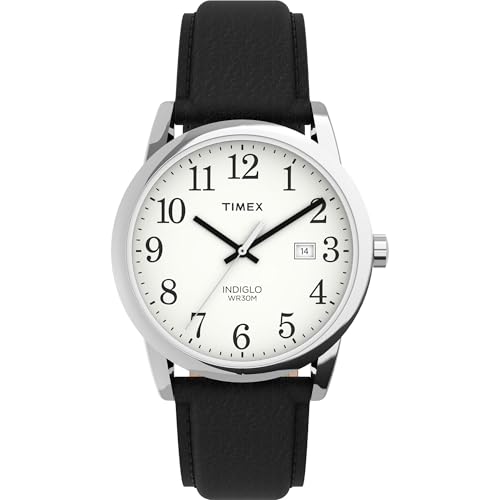


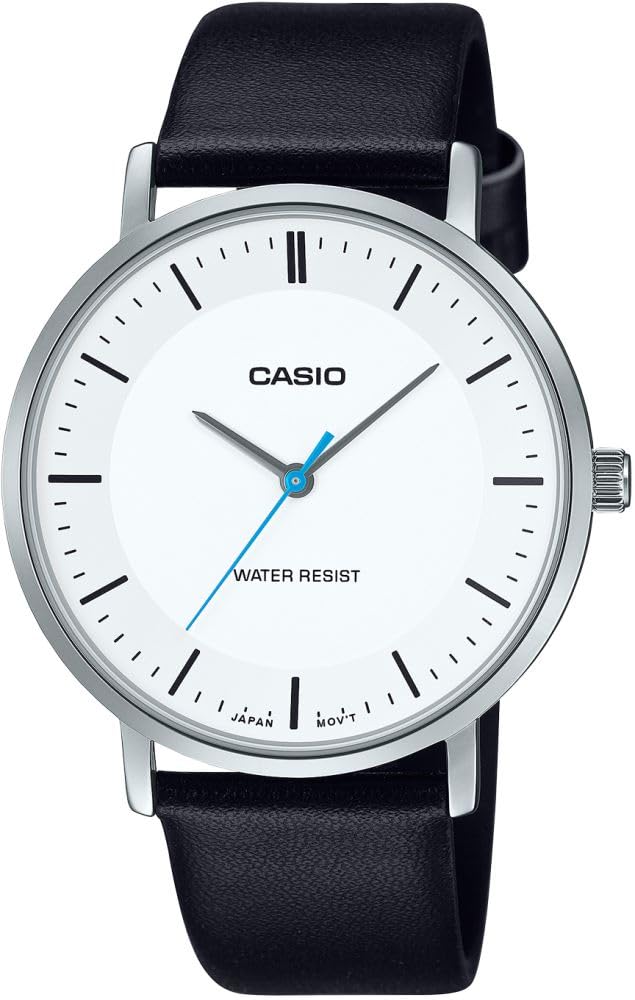


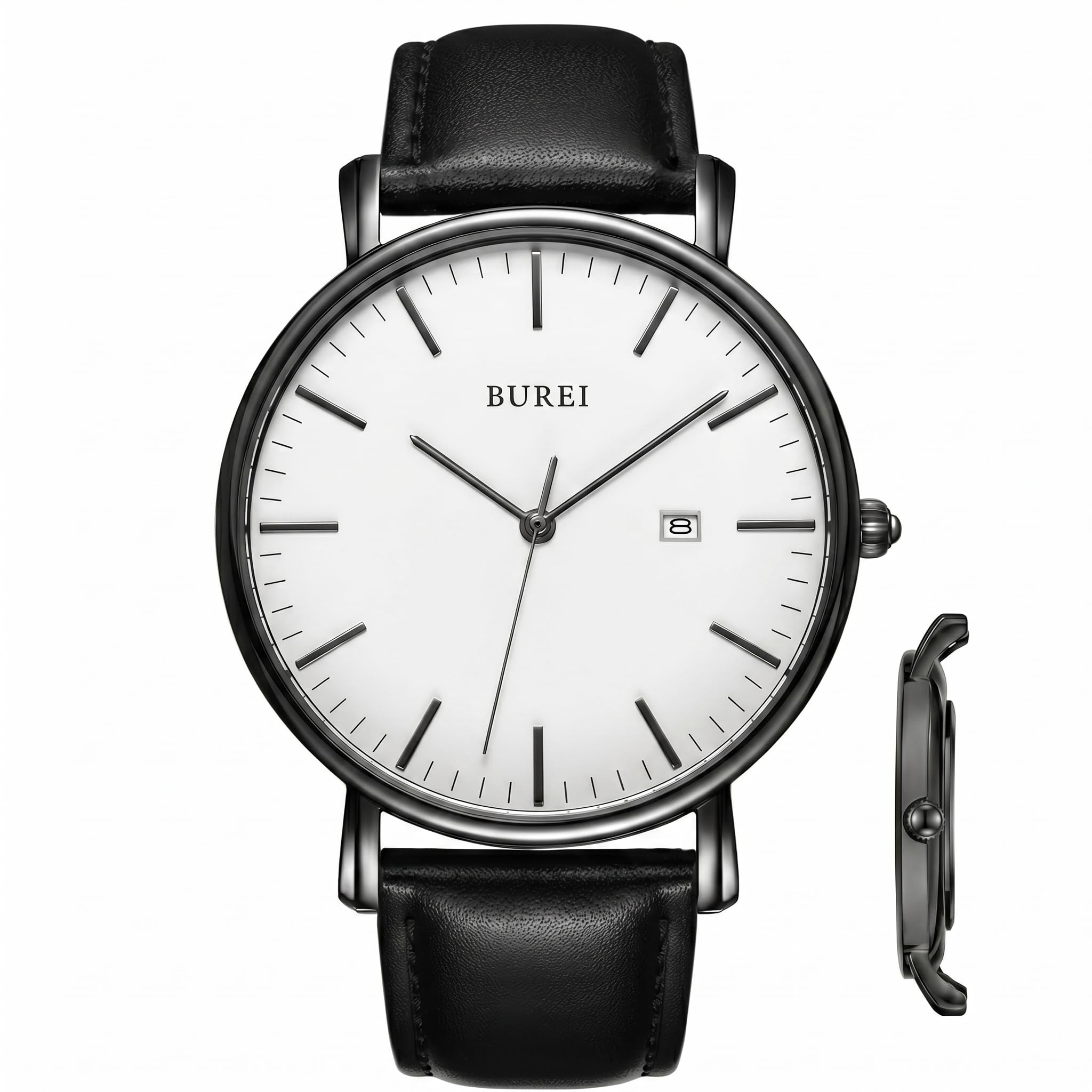
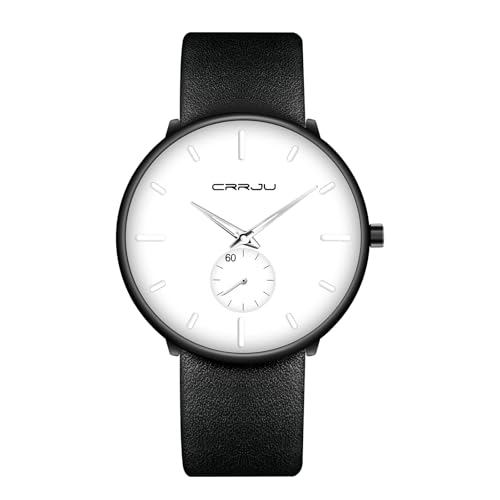
How to Evaluate Black and White Watches
Every watch in this category can be scored on the same seven criteria. None of them require specialist knowledge, and together they predict whether you will still enjoy the watch in five years. Work through them in order, because movement and fit eliminate more wrong choices than any other factors.
Movement Type: Quartz, Automatic, Solar, Smart
Quartz movements run on a battery, keep excellent time with almost no attention, and cost the least. They suit anyone who wants accuracy without rituals. Automatic movements are mechanical, powered by wrist motion, and prized by enthusiasts for their craft and smooth sweeping seconds hand. They need regular wear or winding and cost more to service.
Solar quartz removes battery changes by charging from light, a quiet convenience that suits daily wearers. Smartwatches add notifications and health tracking but need charging every day or two and become outdated fastest. Choose by lifestyle first, because no movement type is best for everyone.
Crystal and Case Materials
The crystal protects the dial and takes the knocks. Sapphire crystal is the premium standard: extremely scratch resistant and worth paying for if you keep watches for years. Mineral glass is the midrange norm and resists impacts well, though it scratches more easily. Acrylic appears on budget and vintage style pieces and can be polished, but it marks readily.
For cases, stainless steel in the common 316L grade is durable and easy to refinish. Titanium is lighter and warmer on the wrist at a higher price. Black cases use coatings that can chip at the edges over years of wear, so check how the maker describes the coating process.
Brand Reputation, Warranty, and Value
A watch is a long term object, so the maker behind it matters. Established brands offer warranties of two to five years, stocked spare parts, and service networks that can actually repair your watch later. Unknown brands with vague specifications and short warranties shift all the risk onto you.
Value is not the same as low price. A watch around $200 with sapphire crystal, a known movement, and a real warranty usually outlasts two watches around $80 with mystery parts. If you lean toward single color designs, the best black watches guide covers the darker end of this family.
Smart and Fitness Features
If you choose a smartwatch in black and white styling, judge it as electronics, not jewelry. Battery life, phone compatibility, and software update support matter more than case finishing. Heart rate and GPS features help training, but they do not replace medical devices, and readings should never guide health decisions on their own.
For a traditional watch, this checklist item is a deliberate skip. Many buyers discover they prefer a watch that simply tells the time for a decade over one that needs charging and app updates every year.
Case Size and Wrist Fit
Case diameter between 36 and 40 mm fits most wrists gracefully, while 42 to 44 mm suits larger wrists or sport styling. The number that matters most is lug to lug length, the full span across your wrist. If the lugs overhang your wrist edges, the watch will look and feel oversized no matter what the diameter claims.
Thickness matters under a shirt cuff. Slim quartz watches slide under cuffs easily, while thick automatics and dive styles announce themselves. Practical know how: trace your current favorite watch on paper, measure it, and compare those numbers with any listing before you order.
Legibility and Style
Black and white styling lives or dies on contrast. A white dial with black hands and markers is among the most readable combinations in any light, while a black dial with white markings reads crisply indoors but benefits from luminous material at night. Check that the hands differ clearly in length and shape so hours and minutes never blur together.
Lume, the glow material on hands and markers, varies enormously in quality. Good lume charges quickly in daylight and stays visible for hours. Weak lume fades within the hour and is a common corner cut on budget pieces. For dial focused options, see the best white dial watches roundup.
Water Resistance Rating
Water resistance numbers are widely misunderstood. A 30 m rating means splash resistance only: rain and hand washing, never swimming. At 100 m you can swim and snorkel with confidence. A 200 m rating with a screw down crown is the entry point for genuine dive use and the most forgiving choice for active wearers.
Whatever the rating, never press buttons or operate the crown in the water unless the maker explicitly allows it, and have seals checked every few years. Gaskets age, and an old rating is a promise the watch can no longer keep.
What Each Price Tier Generally Delivers
Budget Tier: Around $40 to $120
Budget watches deliver honest timekeeping with quartz movements, mineral or acrylic crystals, and basic water resistance. Black and white designs at this level often look sharp from a distance, because the two color scheme hides modest finishing. Expect a simple strap, a warranty of about a year, and lume that is present but brief.
This tier suits a first watch, a backup for travel, or anyone testing whether a larger or smaller case size suits them before spending more. The limitation is longevity of finish rather than accuracy.
Midrange Tier: Around $120 to $400
Midrange is where the checklist starts passing in full. Sapphire crystals appear, automatic movements from known makers become common, water resistance reaches 100 m on sport models, and straps upgrade to solid link bracelets or quality leather with quick release spring bars for easy swaps.
For most buyers this is the value peak: a watch you can wear daily for a decade with one or two services. Shoppers considering a step up in finish can compare notes with the best black luxury watches guide.
Premium Tier: Around $400 and Up
Premium prices buy refinement you feel more than see in photos: smoother automatic movements with longer power reserves, superior case finishing, anti reflective sapphire, and bracelets with solid end links and milled clasps. Heritage brands add resale strength and service networks measured in decades.
The honest limitation is that timekeeping does not improve. A premium automatic is less accurate than a budget quartz. You are paying for craft, materials, and ownership experience, which is a fair trade only if those things genuinely matter to you.
Quick Buyer Checklist
- Does the movement type match how often you will wear and maintain the watch?
- Is the lug to lug length equal to or smaller than the width of your wrist?
- Does the crystal match your budget tier, ideally sapphire at midrange and above?
- Is the water resistance rating honest for your real use, 100 m or more for swimming?
- Can you read the hands against the dial instantly in the product photos, in both bright and dim shots?
- Does the warranty run at least two years with a service route you can actually use?
- Is the strap or bracelet replaceable with standard spring bars and a common lug width?
- Would you still choose this watch if the brand name were hidden?
Red Flags to Watch For
- Vague movement descriptions. Listings that say only Japanese movement or premium mechanism without naming a maker or caliber hide the most important part.
- Inflated water claims. A watch marketed for diving with only a 30 m rating and a push in crown is mislabeled, and the claim tells you to distrust the rest.
- Permanent discount theater. A price struck through from a wildly high figure to a low one, every day of the year, signals marketing rather than value.
- No warranty information. Sellers who cannot state a warranty period and a service contact are telling you support does not exist.
- Stock photos only. Listings with no wrist shots, no case back photo, and no dimensions make fit and finishing impossible to judge.
Tips to Get the Most From Your Black and White Watch
Service an automatic watch every five to seven years, or sooner if timekeeping drifts noticeably. Rinse any watch after saltwater exposure with fresh water and dry it with a soft cloth. Store watches away from strong magnets, which can disturb mechanical movements, and keep quartz pieces out of prolonged extreme heat that shortens battery life. Rotating between two watches also rests straps and spreads wear, which quietly extends the life of both.
Black and White Watches: Your Questions Answered
What case size fits my wrist?
Measure your wrist circumference first. Wrists under about 6.5 inches usually suit 36 to 38 mm cases, midsize wrists wear 38 to 42 mm comfortably, and larger wrists can carry 42 to 44 mm. Lug to lug length is the deciding figure: keep it within your wrist width. If you fall between sizes and wear the watch with shirts, choose the smaller one.
Is a smartwatch worth it over a classic watch?
A smartwatch is worth it if you will actually use notifications, timers, and activity tracking daily. It becomes a small phone on your wrist, with daily charging and software that ages within a few years. A classic watch does one job for decades with almost no upkeep. Many owners end up with both: smart for training days, classic for everything else. The best white watches guide shows classic styling options.
Quartz or automatic: which is better?
Neither is better in general; they serve different owners. Quartz is more accurate, cheaper, and ready after weeks in a drawer. Automatic movements offer mechanical craft, a sweeping seconds hand, and no battery changes, at the cost of servicing and lower accuracy. If you own one watch and wear it daily, either works. If you rotate several watches, quartz or solar removes the most friction.
How water resistant should a watch be?
Match the rating to your wettest realiztic day. Office and dress wear needs only 30 to 50 m for rain and splashes. Anyone who swims with a watch should insist on 100 m. Regular diving or serious water sport calls for 200 m with a screw down crown. Remember that ratings assume fresh seals, so an older watch deserves a pressure check before swimming season.
How long does a watch battery last?
A typical quartz battery lasts about two to three years, with some efficient movements reaching five years. Features such as alarms, lights, and chronographs shorten that span. When a seconds hand starts jumping in multi second steps, the watch is warning you the battery is low. Replace it promptly, because a depleted battery left inside for years can leak and damage the movement.
Our Verdict
Run the checklist in order: movement for your lifestyle, lug to lug for your wrist, crystal and water resistance for your daily risks, and a warranty you can actually use. Midrange prices deliver the best balance for most buyers, while budget and premium tiers each serve clear purposes. Compare your finalists in the product table above, and you will find best black and white watches that earn their place on your wrist for years.


