
Best Black and Gold Watches: Everything to Know Before Your First Purchase for 2026
Disclosure: We may earn a commission when you buy through links on this page, at no extra cost to you. As an Amazon Associate I earn from qualifying purchases. Learn more

Shopping for the best black and gold watches for the first time? Learn the terms, compare options, and avoid rookie mistakes with this easy guide.
Buying your first watch in this color pairing can feel exciting and confusing at the same time. You see terms like sapphire crystal, automatic movement, and lume, and it is hard to know which ones actually matter for daily wear. This guide walks you through the best black and gold watches from the ground up, in plain language, so you can choose with confidence.
We start with the basics, then explain each key spec and what level to aim for. You will also find the common mistakes new buyers make and simple steps for your first week of ownership. Use the comparison table below to see how styles differ once you know what to look for.




Black and Gold Watches 101: The Basics
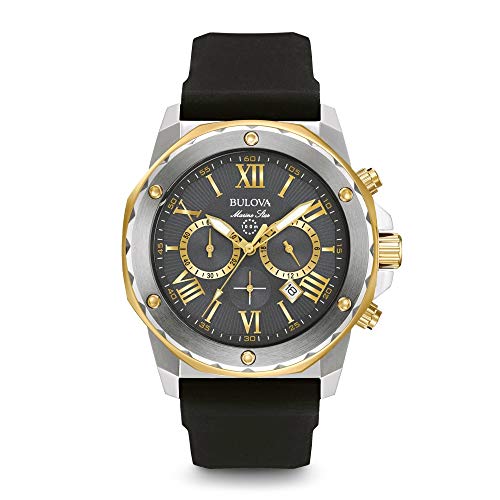
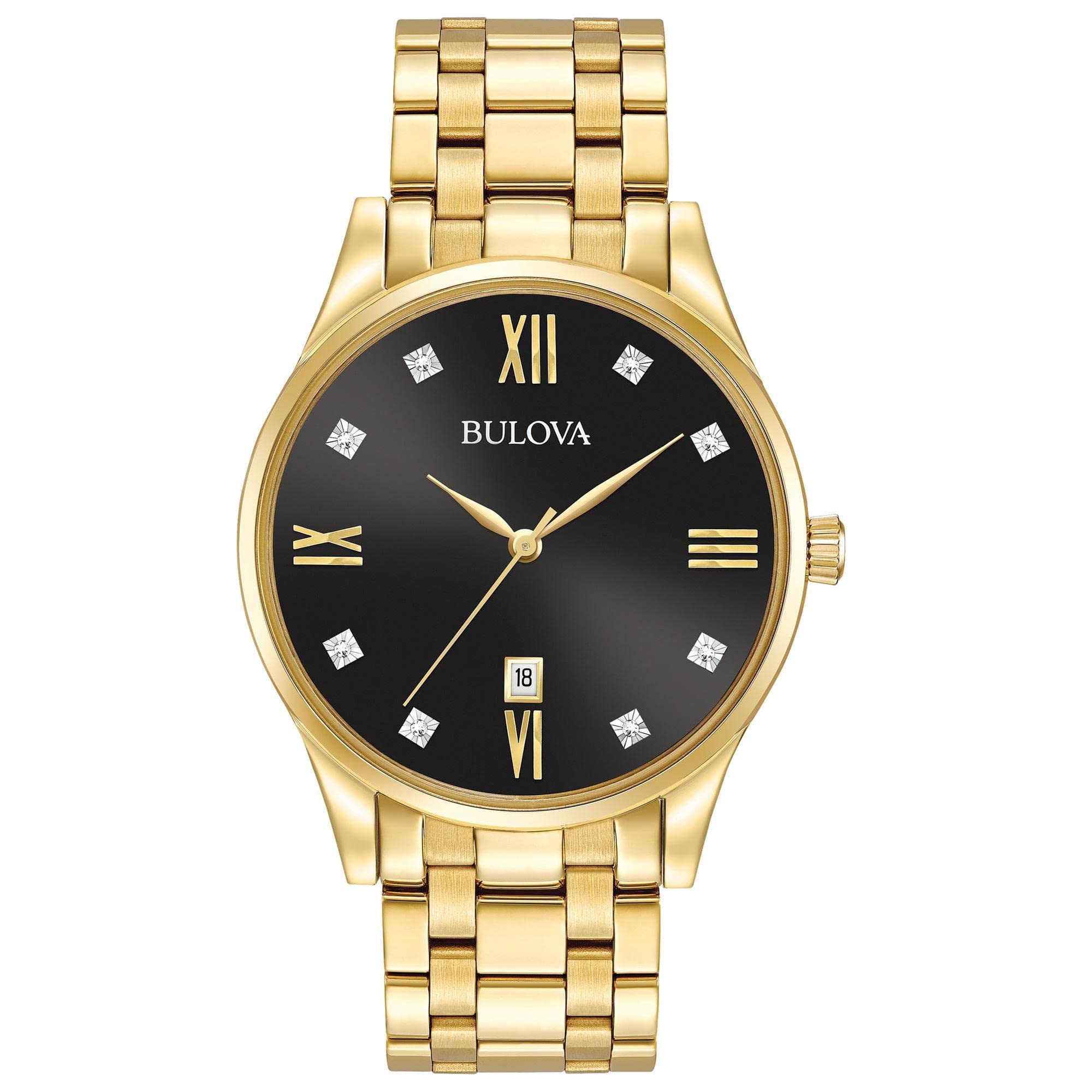
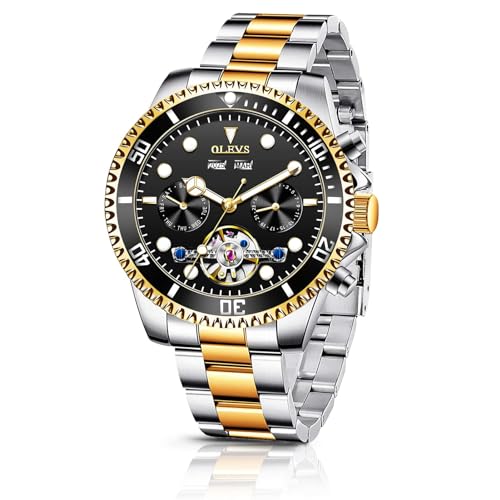
A black and gold watch pairs a dark dial or case with gold colored hands, markers, bezel, or bracelet accents. The contrast makes the time easy to read and gives even a simple outfit a polished finish. Some models lean dressy with a slim case and leather strap, while others lean sporty with a larger case and strong water resistance.
The gold you see is usually a coating or plating over steel rather than solid gold, which keeps the price far lower. Ask how the finish is applied, because a thin decorative coating can show wear on the edges sooner than a thicker, harder finish. A good seller lists the case material, the coating method when known, and the warranty terms in clear language.
Inside, the movement is the engine that moves the hands. Quartz movements run on a battery and are simple to own. Automatic movements wind from the motion of your wrist and need no battery, but they need regular wear and periodic service. Solar models charge from light, and smart models add screens and sensors. None is best for everyone, so match the movement to your habits first.
Key Specs Explained in Plain English
Movement Type (Quartz, Automatic, Solar, Smart)
Quartz is the easiest starting point for most first time buyers. It keeps time accurately, needs a battery change about every one to three years, and asks for almost no daily attention. Automatic watches appeal if you enjoy mechanical craft and plan to wear the watch most days, since sitting still for a day or two can let it stop. Solar watches suit people who want low upkeep without battery swaps, as long as the watch gets regular light. Smart watches add notifications and health tracking, but they need charging far more often and age faster as software changes.
Smart and Fitness Features
Some black and gold models include GPS, heart rate tracking, sleep logs, and phone alerts. GPS helps runners and walkers map routes without carrying a phone, though it drains the battery much faster than normal use. Heart rate and sleep data can show useful trends for training and rest, but a watch is not a medical device and cannot diagnose a condition. If you mainly want the classic look with occasional step counts, a simpler connected model may serve you better than a full smartwatch with a bright screen and a short charge cycle.
Strap and Bracelet Options
The strap changes both comfort and formality more than almost any other part. Leather looks classic with suits and softens the bold color contrast, but it dislikes water and needs time to dry after sweat. Metal bracelets feel durable and dress up well, yet they add weight and may need link removal for a good fit. Silicone works well for workouts and humid days because it rinses clean and stays light. NATO style fabric straps are casual and easy to swap. Look for a quick release strap system if you like changing looks, since spring bars with quick release levers let you swap straps in seconds without tools.
Crystal and Case Materials
The crystal is the clear cover over the dial. Sapphire crystal resists scratches very well and is the premium choice, while mineral glass costs less and handles small knocks fine but scratches more easily over time. Acrylic appears on some vintage style models and can be polished, though it marks easily. For the case, 316L stainless steel is the common standard because it resists corrosion and holds a polish well. Titanium is lighter and kind to sensitive skin, though it can show surface marks. Check case diameter and thickness together, because a wide but thin case wears very differently from a narrow but tall one.
Brand Reputation, Warranty, and Value
A known brand with a clear warranty and US based service support can save you stress later. Look for at least a two year warranty on the movement and a stated policy for defects in the gold finish. Read what the warranty excludes, since straps, crystals, and water damage often have limits. Value is not only the purchase price. A watch that keeps its finish, holds time well, and can be serviced locally will cost you less over five years than a cheaper watch that needs early repair or full replacement.
Water Resistance Rating
Water resistance numbers confuse many new buyers because they describe lab pressure, not real swimming depth. A 30m rating means splash resistance only, so keep it away from showers and pools. A 100m rating suits swimming and snorkeling for most people, provided the crown is pushed in fully. A 200m rating adds margin for diving style use and rougher water. Heat and steam weaken seals, so avoid hot tubs and saunas with any watch. Have the seals checked when the battery is changed or after a hard impact, and rinse the watch in fresh water after saltwater exposure.
Rookie Mistakes to Avoid
- Buying by looks alone. A striking dial means little if the case is too large for your wrist or the strap cannot adjust to a secure fit.
- Ignoring the finish. Thin gold colored coatings can fade on bracelet edges, so ask about coating quality and warranty cover for the finish.
- Overpaying for features you will not use. GPS and smart sensors add cost and charging needs that casual wearers rarely benefit from.
- Skipping water resistance details. A dressy 30m watch should not go swimming, no matter how sporty it looks in photos.
- Forgetting upkeep costs. Battery changes, strap replacements, and automatic service every 5 to 7 years belong in your total budget.
Getting Started: Setup and First Use
When your watch arrives, inspect the case, crystal, and strap under bright light before removing any protective film. Set the time using the maker guide, and avoid changing the date near midnight on automatic and quartz calendar models, since the date mechanism may be engaged. If the bracelet needs sizing, a local jeweler can remove links safely and return the spares to you.
Wear the watch for a full day and note any pinching, sliding, or skin irritation. Try the strap one notch looser and tighter to find the fit that stays put without leaving deep marks. For related color options, you can also read our guide to the best gold watches and compare our guide to the best black watches to see which single tone suits your wardrobe better. Store the watch away from strong magnets, such as tablet covers and speakers, which can affect accuracy.
Frequently Asked Questions
Quartz or automatic: which is better?
Neither is better for everyone, because they serve different habits. Quartz wins on accuracy, low price, and simple ownership, which suits a first watch you wear with everything. Automatic wins if you enjoy mechanical movement and will wear it often enough to keep it wound. Think about service too, since an automatic needs professional service every 5 to 7 years, while a quartz mainly needs battery changes.
Is a smartwatch worth it over a classic watch?
A smartwatch is worth it if you will actually use notifications, GPS routes, or health tracking each week. If those features sound fun for a month and then likely ignored, a classic watch gives you longer battery life and a style that will not feel dated when software support ends. Many owners end up with both, using the smart model for workouts and the classic model for work and events.
How water resistant should a watch be?
Choose at least 100m if you plan to swim with the watch on a regular basis. For desk work, rain, and hand washing, 30m to 50m is usually enough if you stay careful around water. The rating only holds when seals are healthy, so an older watch that has never had its gaskets checked may resist far less water than its dial claims. When in doubt, take it off before swimming.
How long does a watch battery last?
Most quartz watch batteries last about one to three years, depending on features like alarms, lights, and chronograph use. A battery that dies quickly after replacement can signal that the movement needs cleaning or repair rather than another battery. Solar models avoid routine swaps by charging from light, though their rechargeable cells can still weaken after many years. Ask a watchmaker to test the seal after any battery change if you rely on water resistance.
What case size fits my wrist?
Measure your wrist with a soft tape where you wear the watch, then match that to case diameter and lug to lug length. Slim wrists often look balanced with cases around 36mm to 40mm, while larger wrists can carry 42mm to 44mm with ease. The lug to lug span matters most, because lugs that hang past your wrist edges will feel oversized even if the diameter sounds modest. Trying a similar size in a store helps more than photos.
The Bottom Line
Focus first on movement type, case fit, and water resistance, because those three choices shape daily ownership more than any styling detail. Add a strap you find comfortable and a finish with decent warranty support, and you have a watch that will look sharp for years. Compare the product table above with fresh eyes, and if you want a dressier direction, our guide to the best black luxury watches shows the next step up. The right pick among the best black and gold watches is the one that fits your wrist, your routine, and your budget without forcing trade offs you will regret.


