Best Bissell Handheld Vacuum in 2026: Which Type Fits Your Mess
Disclosure: We may earn a commission when you buy through links on this page, at no extra cost to you. As an Amazon Associate I earn from qualifying purchases. Learn more

Standard, pet focused and wet dry handhelds compared on cup size, tools and battery, so you can pick the best bissell handheld vacuum for your home.
Bissell handhelds look alike at first glance, yet the lineup includes small cordless models, pet focused versions, and wet dry options built for very different messes. The best bissell handheld vacuum for you depends on what you clean most, how much storage room you have, and how long each session needs to last. This guide compares types and features, so you can match the vacuum to your home.
Use the product table below to scan capacity, tools, and intended use side by side, then read on for the details that decide daily satisfaction.
Types at a Glance
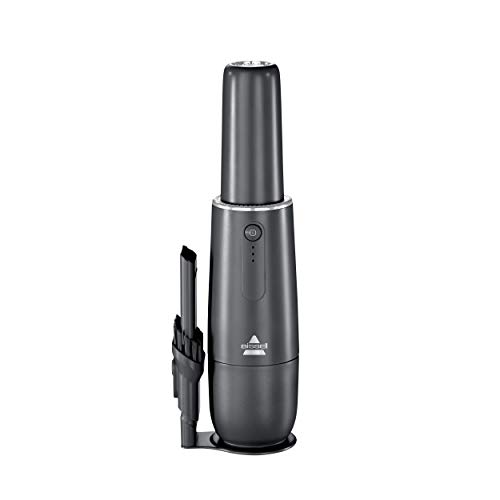
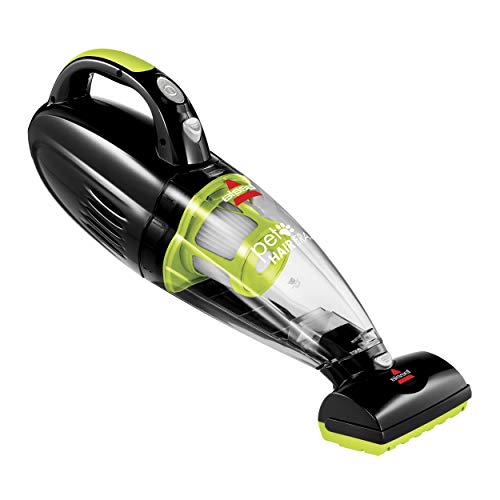
Bissell handhelds fall into three broad groups. Standard cordless models suit crumbs, dust, and small dry messes on hard floors and low pile rugs. Pet focused models add tools shaped for lifting hair from upholstery and stairs. Wet dry models pick up small liquid spills as well as dry debris, but they add bulk and need rinsing after use. Let your most common mess pick the group.
Handheld Types Compared
Standard Cordless Models for Daily Dry Messes
A standard cordless Bissell handheld is the simplest choice for kitchens, entryways, and quick tidying between deeper cleans. Most use a bagless dirt cup, a replaceable or washable filter, and a built in nozzle or a short crevice tool. Suction is made for surface debris such as cereal and tracked in grit, not for deep cleaning thick carpet. These models tend to be the lightest in the lineup and store easily in a drawer or cabinet.
Pet Focused Models for Hair on Furniture
Pet focused Bissell handhelds are built around one problem, which is hair that clings to fabric. They usually include a motorized brush or a rubber contour nozzle that pulls hair from couch cushions, pet beds, and carpeted stairs better than plain suction can. The dirt cup needs frequent emptying during heavy shedding, because loose hair takes up volume fast. This type also handles car seat fabric well, and our guide to the best handheld vacuum for car covers vehicle specific tips.
Wet Dry Models for Kitchen Spills
A wet dry Bissell handheld adds liquid pickup to dry vacuuming, which helps with spilled drinks, melted ice, and damp entryway messes. The tank and seals make these models heavier and a bit larger, and you must rinse the liquid section soon after use so odors do not develop. Dry suction is similar to a standard model, so the real question is how often you face liquid messes. If spills are rare, a dry only model plus a towel is simpler.
How to Evaluate the Lineup
Judge every Bissell handheld against the same six factors so price differences make sense. Look at dirt cup capacity, suction suited to your floors and fabrics, ease of use, how simple the filter and cup are to clean, noise during short bursts, and safety listings plus warranty length.
How to Choose the Right Handheld Vacuum
Type and Power Source
Start by deciding how the vacuum gets power, because that choice shapes weight, run time, and storage. Cordless rechargeable models are the most common Bissell handhelds, and they free you from outlets during short jobs around the house and car. Small corded models never need charging, but the cord limits reach and makes stairs awkward.
Dirt Cup Capacity and Emptying
Dirt cup size decides how often you stop to empty, and handheld cups are small by design. Tiny cups suit a single room or a car interior, while larger cups handle a whole kitchen plus an entryway before filling. Hair and fluffy dust fill a cup faster than the stated volume suggests, because debris does not pack tightly. Look for a cup that opens from the bottom or removes fully, and pick a clear cup so you can see the fill line.
Suction and Nozzle Design
Suction numbers alone do not tell you how a handheld will clean, because the nozzle controls how airflow meets the mess. A narrow nozzle concentrates suction for crumbs in corners and between cushions, while a wider nozzle covers flat floors faster but can feel weaker on edges. On fabric, a brush or rubber fin tool matters more than raw power, since agitation loosens hair before airflow lifts it. Litter and dense pet hair need stronger suction and a tool that scrapes.
Features Worth Paying For
Three add ons earn their cost for most buyers. A crevice tool reaches between car seats, along baseboards, and behind appliances where the main nozzle cannot fit. A brush tool loosens dust on vents and shelves without scratching as much as a hard edge might. A HEPA filter or a sealed filtration path helps trap fine dust, which matters if you empty the cup indoors.
Power Ratings and Energy Use
Cordless handhelds are usually described by battery voltage, while corded models list watts or amps, and these numbers are not directly comparable across types. Higher voltage often supports stronger suction, but nozzle design and filter condition change results just as much. Run time claims are typically measured on low settings with light debris, so expect less time during heavy pickup. Energy use is small either way, since sessions last minutes, not hours.
Safety Features and Certifications
Look for a recognized safety listing such as UL or ETL on the vacuum or its charger, which shows the electrical design was evaluated by an independent lab. Use only the charger supplied for your model, since mismatched voltage can damage the battery and create heat risk. Keep charging on a hard, dry surface away from sinks, and never vacuum flammable liquids or hot ash. If a battery swells or gets very hot during charging, stop using it and contact the manufacturer.
Storage Space and Dimensions
Measure the spot where the vacuum will live before you buy, because a handheld only helps if it is easy to grab. Slim models fit inside a kitchen cabinet or hang on a wall mount, while wet dry and pet models with docks need shelf depth for the base and tools. Weight matters too. A heavier unit is fine for floor level crumbs, but it tires your wrist on shelves and curtain tops. Check the listed weight with the battery included.
How Much Should You Spend?
Basic dry only models sit under $30 and handle crumbs and dust if your expectations stay modest about run time and tools. The middle range, about $30 to $50, usually adds stronger suction, a larger cup, and a crevice or brush tool, which is the practical zone for most homes. Models under $100 tend to add pet tools, wet dry pickup, longer run time, or better filtration. Spending more makes sense when a tool solves a daily problem, such as hair on stairs, where our guide to the best handheld vacuum for stairs goes deeper.
Who Should Buy Which Type
Apartment Dwellers With Small Storage
If you live in a small apartment, choose a slim standard cordless model with a compact dock or no dock at all. Your messes are likely crumbs, bathroom dust, and litter near the door, all of which a basic nozzle handles well. Storage space is your tightest limit, so skip wet dry bulk you will rarely use. A washable filter keeps ongoing costs low, and clean emptying matters more than extra suction.
Pet Owners Dealing With Hair Daily
If hair on sofas, stairs, and car seats is your main complaint, choose a pet focused model with a brush or contour tool and plan to empty the cup often. Hair fills cups quickly and wraps around filters, so simple cleaning access is essential. For a closer look at one popular pet focused approach, see the bissell pet hair eraser review, and compare broader options in our guide to the best handheld vacuum for pet hair.
Families With Frequent Kitchen Spills
If your kitchen sees spilled juice, cereal milk, and damp crumbs most days, a wet dry model earns its extra size. You can pick up liquid and solids in one pass, then rinse the tank at the sink. Families without liquid messes should skip this type, since rinsing parts after dry only use adds chores with no benefit. Choose a cup and tank that come apart fully, because trapped residue in seams causes odors.
The Bissell Handheld Vacuum Lineup Explained
Bissell organizes its handhelds around jobs rather than a single ladder of good to best. Entry models focus on dry pickup with minimal tools and the smallest cups. Midrange models add voltage, run time, and tool sets aimed at cars and furniture. Specialty models target pets or liquids, and their value depends entirely on whether you have that problem. Compare cup size, included tools, and charger type rather than relying on the name alone. For a brand neutral view, start with the best handheld vacuum guide for the wider field.
Replacement filters and batteries are not shared across every Bissell handheld, even when the bodies look similar. Check the model number on the rating label before ordering parts, and confirm that filters for your exact unit are still sold.
Care and Maintenance
Empty the dirt cup after every few uses, before debris reaches the fill line and chokes airflow. Wash washable filters only as the manual directs, let them dry fully before reinstalling, and replace other filters when suction drops. Wipe the nozzle and check the brush tool for wrapped hair and string, since buildup there quietly steals cleaning power. Our walkthrough on how to clean a handheld vacuum covers deep cleaning steps in order.
Common Mistakes to Avoid
- Buying a wet dry model for dry only homes, then resenting the extra rinsing and bulk.
- Judging suction by voltage or watts alone, while ignoring the nozzle and tools.
- Letting the dirt cup overfill, which blocks airflow and blows dust back out around the seals.
- Reinstalling a filter while it is still damp, which traps odor and cuts suction.
- Vacuuming plaster dust or ash, which can clog fine filters fast and strain the motor.
- Storing the vacuum uncharged for months, which lets the battery drain deeply.
FAQ
Which Bissell handheld vacuum should I buy for a car?
Choose a cordless model with a crevice tool and a brush, because car work means tight gaps between seats and dust on vents and trim. Battery power matters more than cup size here, since a car interior holds little loose debris but takes time to detail.
Is Bissell a good handheld vacuum brand?
Bissell is a reasonable choice if you value wide availability, simple bagless designs, and easy to find replacement filters at common retailers. The lineup covers basic dry pickup through pet and wet dry specialty models, so most buyers can match a type to a job. Quality varies by price tier, so judge each model by its tools and warranty.
How long does a Bissell handheld vacuum last?
With regular filter care and gentle battery habits, a handheld often serves for several years of short daily jobs. The battery usually ages first, showing shorter run time long before the motor wears out. Models with removable batteries are easier to refresh when that happens, so treat the unit gently and sweep up big debris with a dustpan first.
Is a handheld vacuum worth it if you own a full size vacuum?
Yes, if small messes happen daily and pulling out the big vacuum makes you skip them. A handheld lives within reach, starts instantly, and handles crumbs, litter, and entryway grit in under a minute. It will not replace deep cleaning on carpet, though. Think of it as the tool that keeps floors presentable between real cleaning sessions.
Why does a handheld vacuum lose suction over time?
The most common cause is a clogged filter or an overfilled cup, not a failing motor. Fine dust coats filter pores gradually, so suction fades slowly enough that you may blame the battery. Clean or replace the filter, empty the cup, and check the nozzle path for a stuck pebble or wadded hair.
Final Thoughts
Match the type to your most common mess, confirm the tools and cup suit your home, and keep the filter clean so suction stays strong. The product table above pulls those details together so you can compare capacity, tools, and price in one view. For most homes, the best bissell handheld vacuum is a midrange cordless model with a crevice tool and a washable filter, while pet homes and spill prone kitchens benefit from the specialty types.