
Best Birkenstock Style Sandals: Our 2026 Checklist and Top 3 Picks
Disclosure: We may earn a commission when you buy through links on this page, at no extra cost to you. As an Amazon Associate I earn from qualifying purchases. Learn more

Use our checklist to judge the best birkenstock style sandals by footbed shape, arch support, sizing, materials, traction, and lasting value for money.
Sandals built in the classic cork footbed style look similar in photos, yet they feel very different on your feet. Some copy the shape faithfully, while others borrow only the two strap look and sit almost flat inside. This guide gives you the checklist we would use to judge the best birkenstock style sandals before spending anything, covering fit, support, materials, traction, and value.
Work through the criteria below, then use the comparison table below to test each pair on your shortlist against them. A pair that passes on fit and footbed shape will almost always beat a prettier pair that fails both.
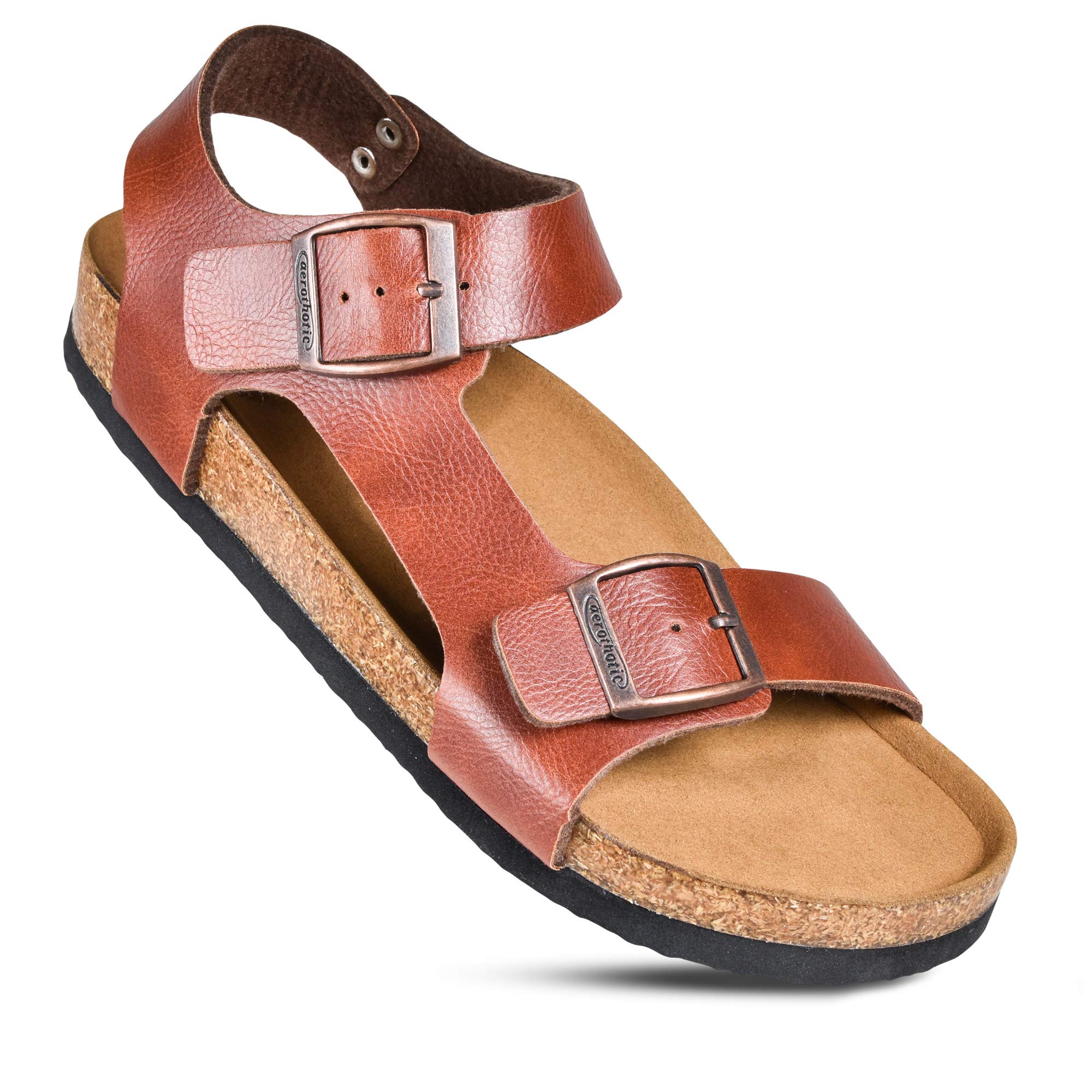


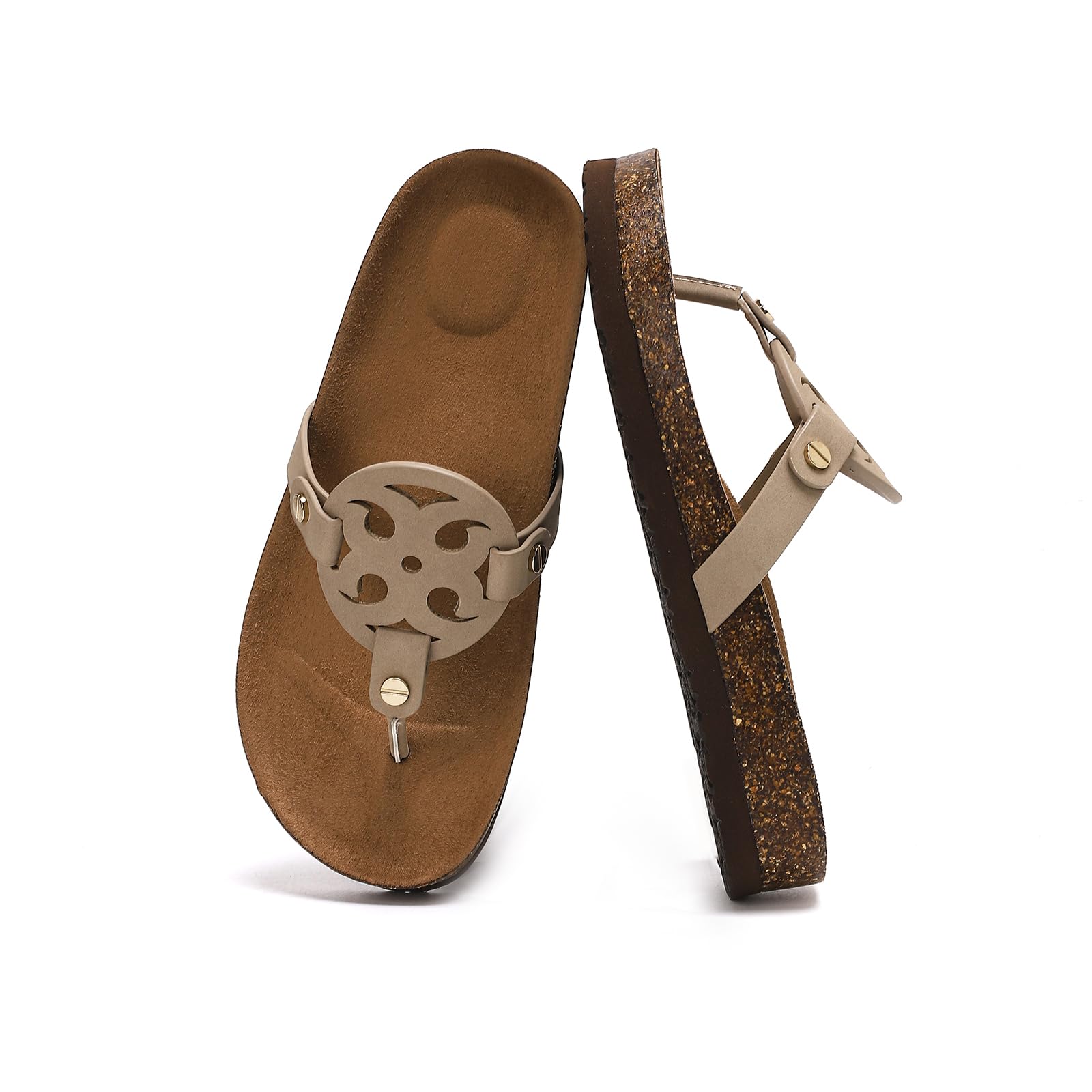

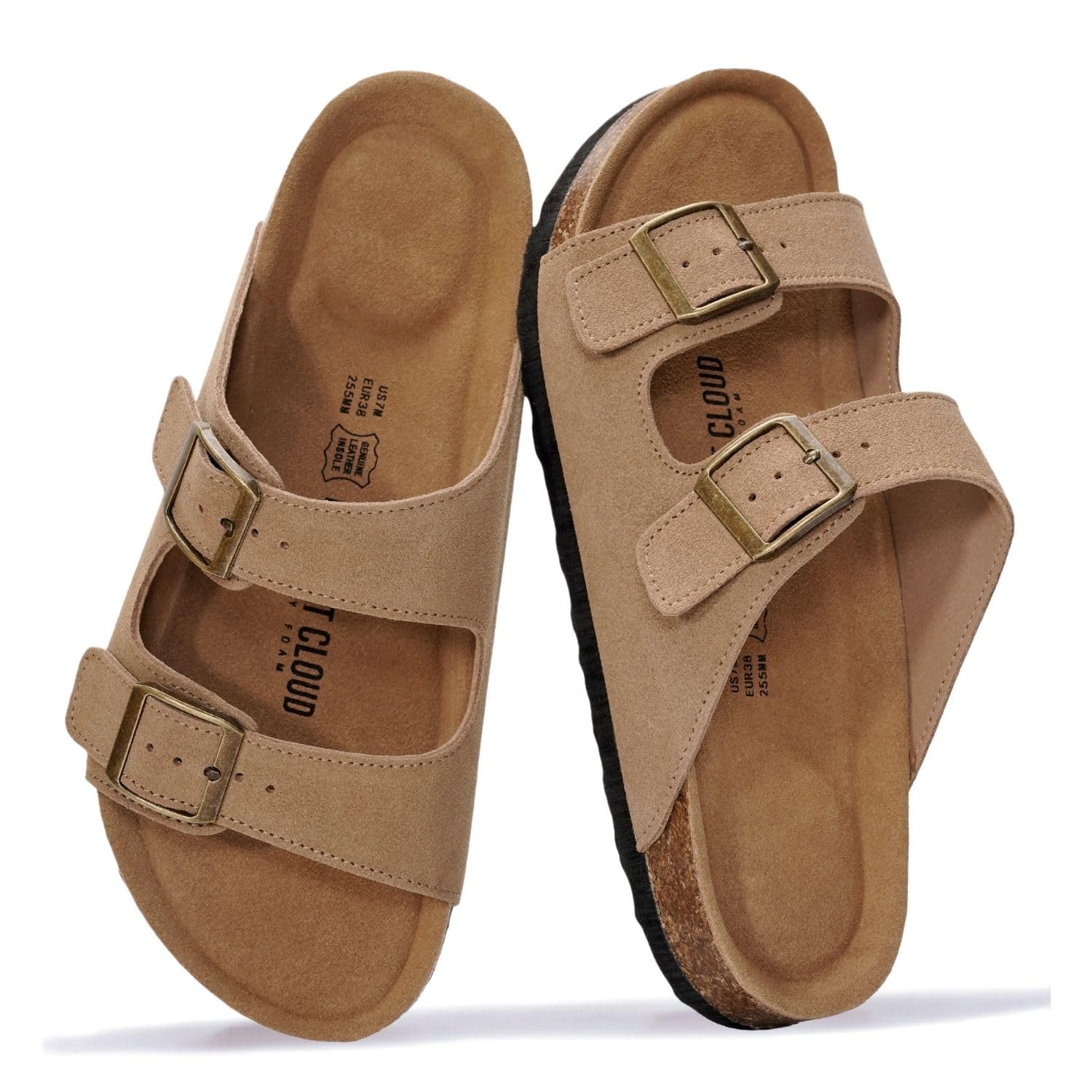

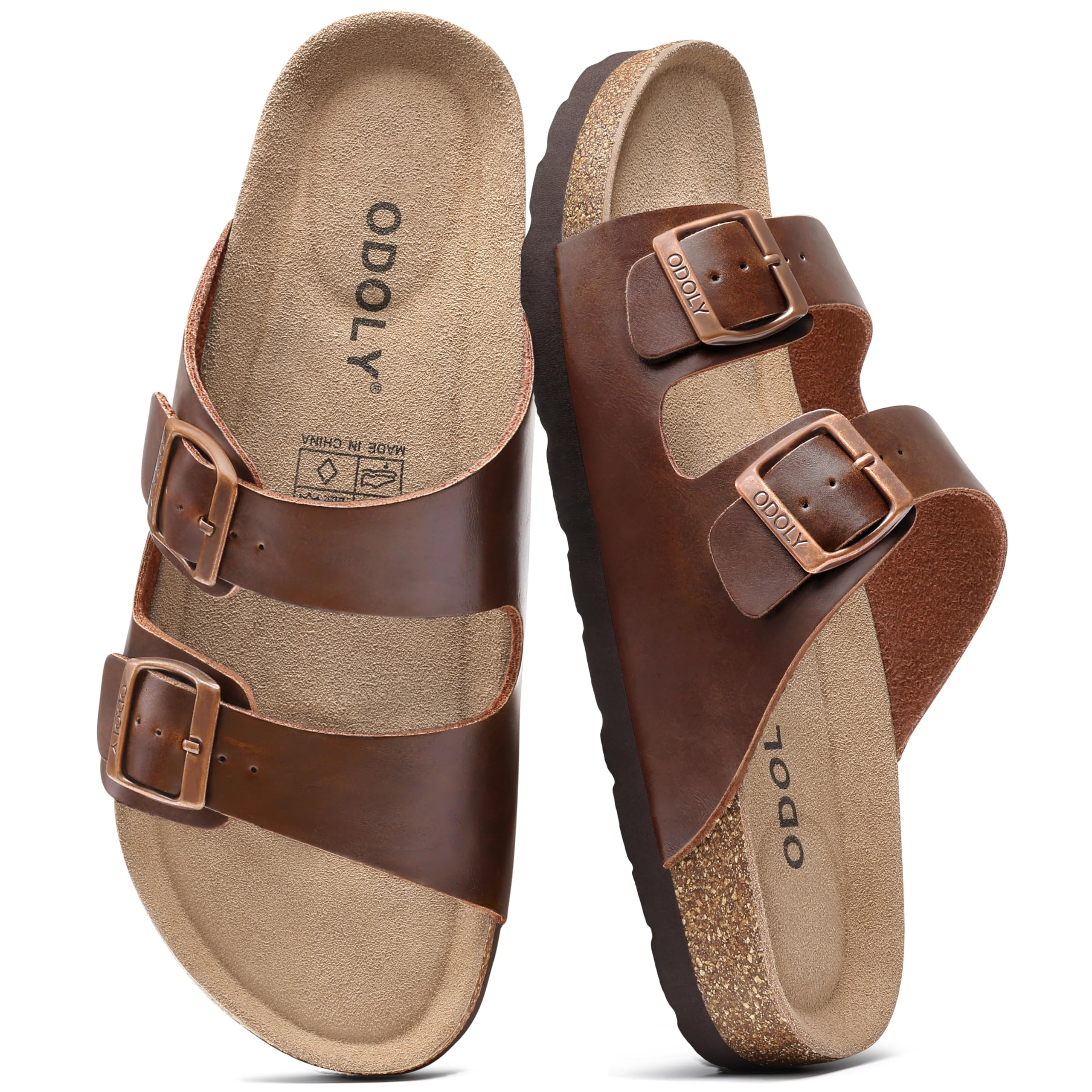
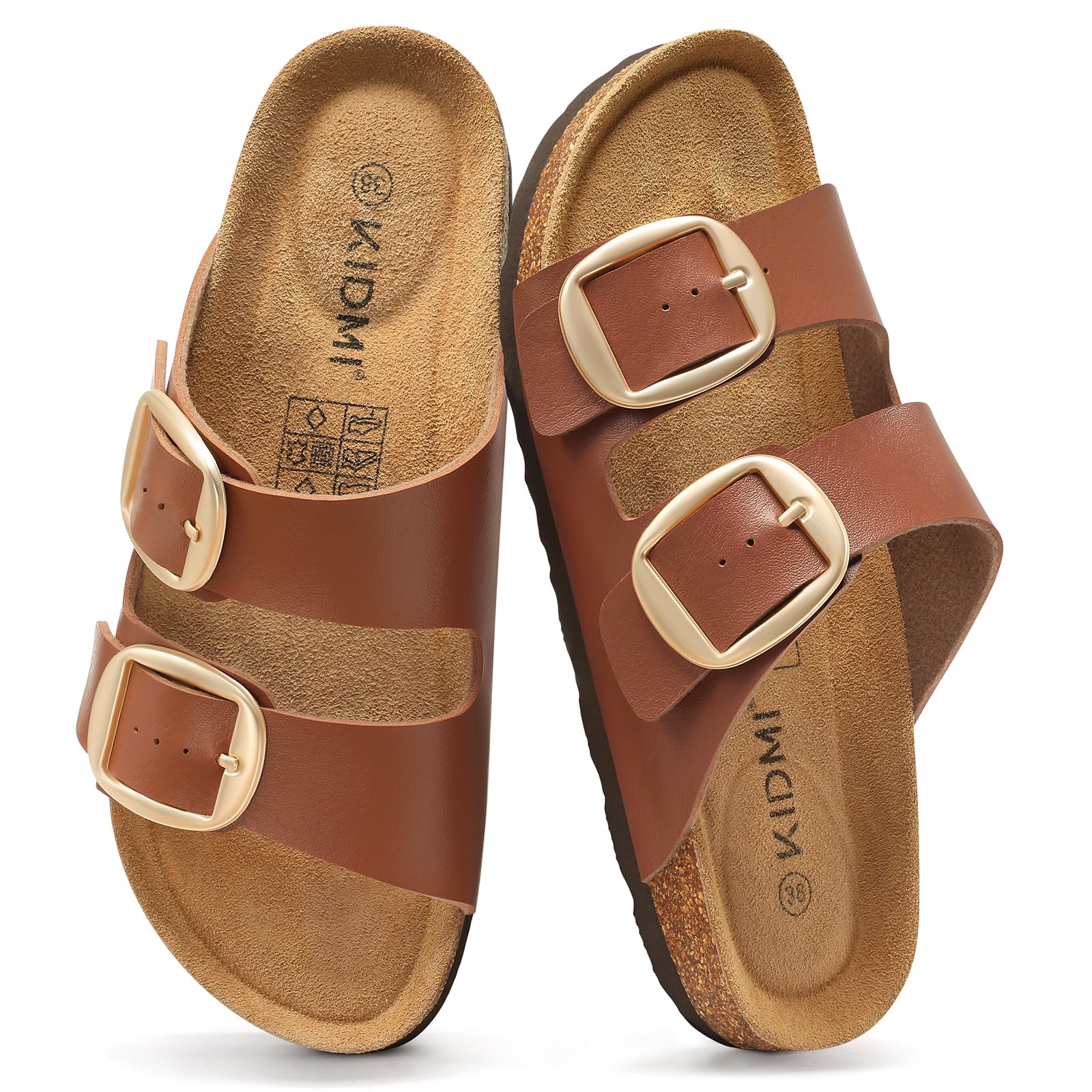

How to Evaluate Birkenstock Style Sandals
Think of this as a scoring sheet. For each criterion, the notes describe what good looks like and what should make you walk away, so you can rate any brand or budget version with the same fair standard.
Fit, Sizing, and Toe Box
Good fit starts with length. Measure both feet in the afternoon and match the longer one to the size chart, since sizing varies between makers of this style. Your heel belongs fully inside the heel cup, with a small margin of footbed visible at each end. The toe box should be wide enough for your toes to lie flat and spread naturally. A pair that forces your toes against the raised front rim fails this test no matter how nice the straps look.
Weight and Flexibility
A good pair feels light on the foot but not flimsy. Cork and EVA footbeds keep weight down, while thick rubber outsoles add heft along with durability. The sandal should flex gently at the ball of the foot and stay fairly firm through the arch, where support lives. If it folds in half at the middle like a beach flip flop, the footbed is decoration rather than structure. Pick up the pair and twist lightly. Slight give is fine, a soft noodle feel is not.
Waterproofing (Gore Tex and Membranes)
Be skeptical here. True cork footbed sandals are rarely waterproof, and membrane technologies such as Gore Tex belong mostly to closed shoes, not open sandals. Water can enter over the footbed edge and soak cork and leather, whatever the strap coating promises. Judge this category by honesty. A maker that calls a pair water resistant and warns against soaking earns trust. Fully synthetic versions handle splashes best, so save cork pairs for dry days and let any wet pair air dry slowly.
Cushioning and Support
The style is defined by a shaped footbed, not by soft foam. Look for a visible arch rise, a toe bar your toes can grip, and a heel cup that keeps your heel centered. That neutral, stable platform suits most feet and encourages a natural stride. Some versions add a thin cushioning layer over the cork, which softens the first week of wear. Very flat copies with a printed arch pattern fail outright. Press the arch with your thumb. Real contour keeps its shape instead of collapsing.
Break In Period and Comfort Out of the Box
Expect an honest pair to feel firm at first and better each day as the cork warms and molds to your footprint. Comfort out of the box matters mostly at the straps. Strap edges should feel smooth against skin, buckles should not dig into ankle bones, and nothing should rub on the first short walk around your home. Score down any pair that hurts within ten minutes indoors, because street wear rarely improves a bad first impression. A short break in period of days is normal, pain is not.
Arch Support and Foot Type
Match support to your foot type. Flat feet often enjoy the defined arch because it gives the midfoot something to rest against instead of collapsing inward. High arches usually like the heel cup and the way the footbed spreads load across the whole sole. If you overpronate strongly in running shoes, remember that an open sandal offers less control than a stability shoe, so limit early wear to shorter outings. Our guide to the best birkenstock sandals explains the original footbed design these styles are modeled on.
Outsole Traction and Terrain
Check the outsole like you would check a tire. You want a clear tread pattern with enough depth to grip wet pavement and dusty paths, not a smooth glossy base. EVA outsoles feel light and grip well when new, though they wear smooth faster on rough ground. Rubber outsoles last longer and bite better on mixed terrain. These sandals suit pavement, boardwalks, and gentle park paths. Steep trails, loose gravel, and stream crossings ask more than an open toe design can safely give.
Three Profiles That Pass the Checklist
Here are the three profiles that consistently pass the criteria above. Use them as templates when you read the product table above and match the listings there to the profile that fits your life.
Best Overall Profile
The overall winner profile is a two strap design with a genuine cork and latex footbed, adjustable metal buckles, and leather or quality synthetic straps. It offers both width options, a treaded outsole, and sizing that runs true to its chart. This profile suits daily wearers who walk a lot, because every checklist item scores at least solidly and the footbed molds into a personal fit within two weeks. Its weakness is price, since real cork and leather rarely sit in the lowest band, and it still will not tolerate soaking.
Best Value Profile
The value profile keeps the shaped footbed and adjustable straps but swaps leather for synthetic uppers and a lighter EVA outsole. It passes on fit, arch shape, and strap comfort, and it often costs about half of the leather versions. This is the smart first pair if you are unsure the style suits your feet. The tradeoffs are lifespan and feel. Synthetic straps mold less gracefully, and the outsole may smooth out after a heavy season or two of pavement. For alternatives in the same spirit, see our guide to the best sandals similar to birkenstock.
Best Premium Profile
The premium profile adds thick oiled leather, a lined strap underside, and sometimes a leather wrapped footbed or upgraded rubber outsole. It passes the checklist with the best strap comfort and the longest expected service life, and it looks refined enough for smart casual evenings. Men comparing the original brand versions can start with our guide to the best men's birkenstock sandals. The honest tradeoff is diminishing returns. Support feels much like the midrange profile, so you are paying for materials, finish, and years of wear.
Quick Buyer Checklist
Run through these questions before you pay. A pair that earns a yes on nearly all of them is very likely to satisfy you.
- Does your heel sit fully inside the heel cup with a small margin of footbed to spare?
- Can your toes lie flat and spread without touching the raised front edge?
- Does the footbed show a real arch rise and toe bar rather than a flat printed shape?
- Do both straps adjust with sturdy buckles that hold their setting as you walk?
- Are strap edges smooth against your skin with no rubbing after ten minutes indoors?
- Does the outsole have visible tread suited to the ground you walk on most?
- Is the width right for your foot, with a regular option for wider feet?
- Does the return policy let you test fit at home on clean floors?
Red Flags to Watch For
Some warning signs predict disappointment. Vague listings that never state the footbed material often hide a flat foam base with a cork look finish. Missing size charts or a single width for every foot suggest careless fit work. Prices far below every competitor can mean thin straps and buckles that bend under finger pressure. Warranty silence matters too, because a maker confident in stitching and bonding usually says so in writing. Finally, treat listings full of glowing but detail free praise with caution and lean on the checklist instead. Shoppers who prefer the established originals can compare notes in our guide to the best birkenstock sandals for women for household fit comparisons.
Setup and Care Tips
No assembly is needed, but a little care pays off. Wear new pairs for short periods at first and adjust buckles so straps hold without pinching. Keep cork away from soaking water, wipe it with a slightly damp cloth, and let wet sandals air dry away from direct heat, which cracks cork and leather. Rotate two pairs if you wear this style daily, giving each a rest day to dry and recover its shape. A cork sealer applied when edges look dry helps the footbed last.
Birkenstock Style Sandals: Your Questions Answered
Do I need waterproof birkenstock style sandals?
No, most wearers do not. The classic style is built for dry weather, and cork plus leather both dislike soaking. If your day involves pool decks or beach showers, pick a fully synthetic pair for those hours and keep your cork pair for dry ground. Honest water resistance on straps is a bonus, never a reason to wade.
How often should I replace my birkenstock style sandals?
Replace them when the outsole tread wears smooth, the cork cracks deeply, or the footbed no longer holds its arch shape. For daily summer wear that is often two to four seasons, while occasional wearers may get far longer. A useful sign is new heel or arch ache in a pair that once felt great, because the support structure has likely flattened or worn unevenly.
Can I wear birkenstock style sandals all day?
Yes, after the break in period, most people wear them all day for casual walking and standing. Build up wear time over the first week so your feet adapt to the firm arch. They remain a poor choice for trail hiking or fast paced work on ladders and slick floors. If arch pain persists after two weeks of gradual wear, talk with a clinician about your personal foot needs.
How should birkenstock style sandals fit?
They fit with your heel centered in the cup, a small margin of footbed visible at both ends, and toes resting clear of the front rim. Straps should keep the sandal close to your foot without pinching or leaving deep marks. You should manage a short indoor walk without your toes gripping hard to keep the sandal on. Between sizes, the larger one usually suits this open style better.
How long is the break in period for this sandal style?
Plan on roughly one to two weeks of short daily wear. The cork warms, compresses slightly, and takes the imprint of your sole, while leather straps soften where they cross your instep. Wearing socks for the first few home sessions reduces strap rub. Avoid a long walk or a travel day in a brand new pair, because small hot spots can turn into blisters before the materials relax.
Are expensive birkenstock style sandals worth it?
Sometimes. Higher prices usually buy real leather, better buckles, and a more durable outsole, all of which extend service life. They do not buy a fundamentally different footbed shape, since good midrange versions copy the contour well. Judge by cost per season of wear. A premium pair worn daily for four summers can be cheaper in the long run than a flimsy pair replaced every year.
Final Thoughts
Score every candidate on fit, footbed shape, and strap comfort before you think about looks or price. Those three criteria decide whether a pair becomes a daily favorite or closet clutter. Use the checklist on the listings in the comparison table above, browse more lookalike options in our guide to the best sandals like birkenstocks, and you will land on the best birkenstock style sandals for your feet with confidence.


