
Best Birkenstock Sandals for Men 2026 Fit and Care Guide
Disclosure: We may earn a commission when you buy through links on this page, at no extra cost to you. As an Amazon Associate I earn from qualifying purchases. Learn more

A plain fit and buying guide to Birkenstock sandals for men: footbed shape, sizing, leather and synthetic uppers, arch support, and break in tips.
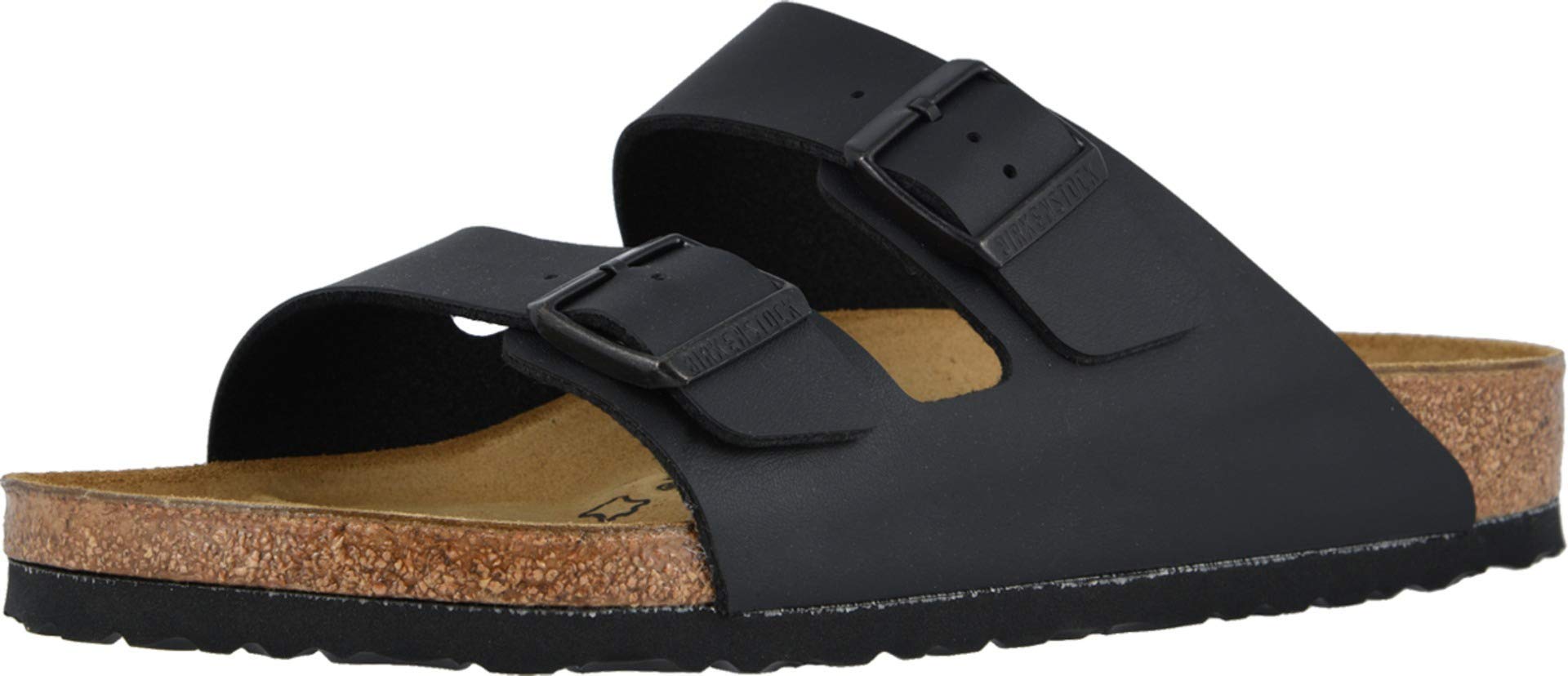
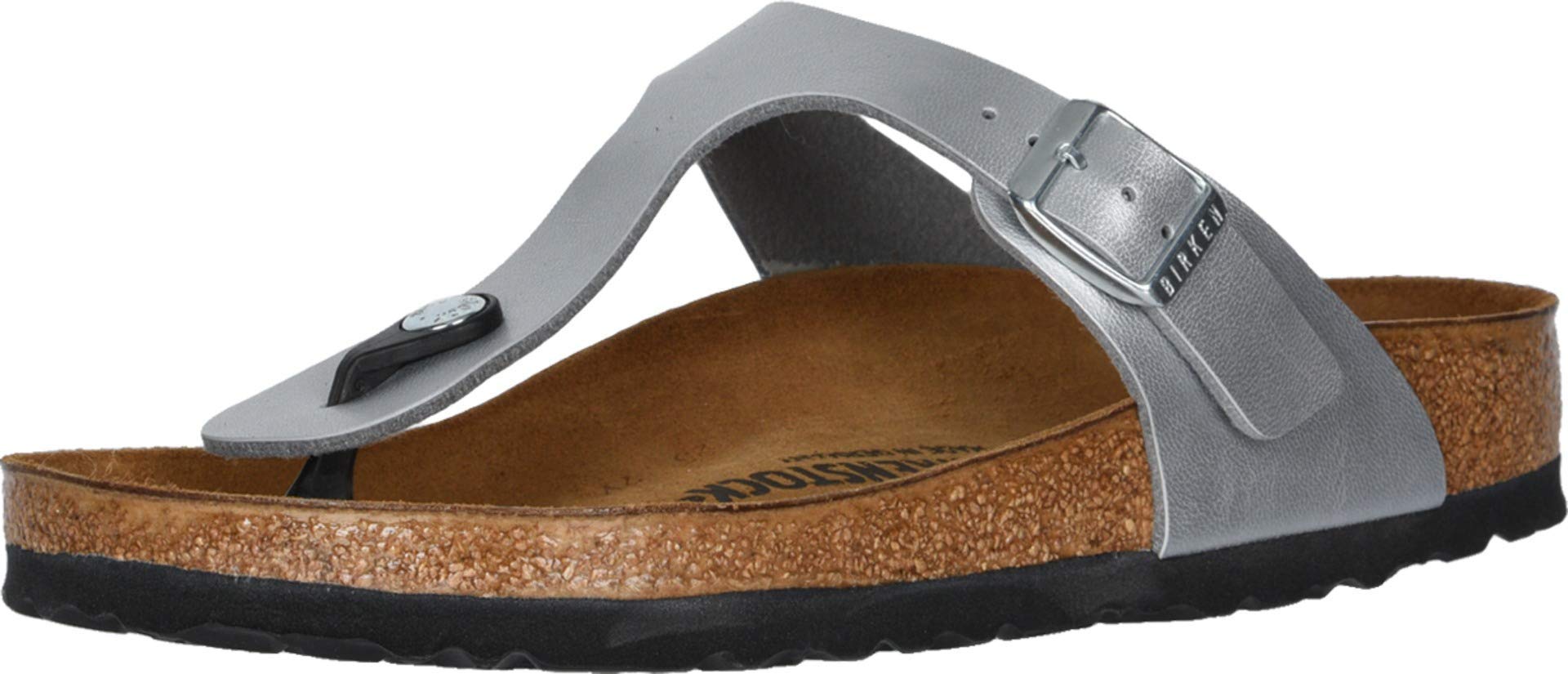
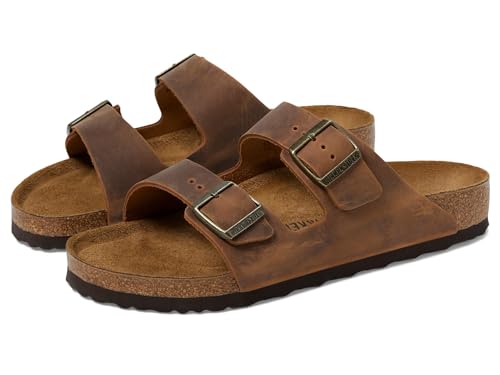
Birkenstock sandals for men are built around a contoured cork footbed that shapes itself to the foot over time, and best birkenstock sandals for men are worth choosing carefully because fit matters more than style alone. The footbed, the width, and the strap layout all change how the sandal feels on a long walk, so a pair that looks right can still disappoint if the size or width is wrong. The comparison table below shows the main styles side by side, so you can compare footbeds, uppers, and closures before you order.
This guide explains how Birkenstock sizing works, how the footbed breaks in, and which upper materials suit daily wear, wet weather, and work use. It also covers common fit problems, such as toes touching the edge or straps feeling tight across the instep. With the right size and width, these sandals often become the pair men reach for every day in warm weather.




How the Cork Footbed Works
The footbed is made from cork and latex with a suede lining, shaped with a raised toe bar, a contoured arch, and a deep heel cup. When new, the footbed feels firm and the shape may seem strong under the arch, but it softens and molds to your foot over the first weeks of wear. This break in period is normal, and the sandal should feel supportive rather than painful from the first day.
Because the footbed molds to one foot, Birkenstock sandals are not ideal for sharing between people, and the fit changes over time as the cork compresses. Replace the footbed or the sandal when the cork cracks, the heel cup flattens, or the arch no longer supports your foot. A well cared for pair can last for years, with new soles fitted by a repair shop when the tread wears down.
Sizing and Width: The Details That Matter
Birkenstock sizing uses European sizes, and most men find their usual European size is a good starting point, but trying both the regular and narrow widths matters. In the correct size, your heel should sit in the heel cup with a small margin at the front and back, and your toes should not touch the edge of the footbed. If your toes press the front edge when you walk, size up rather than hoping the footbed will stretch.
Width affects comfort more than many buyers expect. The regular width suits most men, while the narrow width suits slimmer feet and helps prevent the foot sliding sideways. Straps should sit snug without digging in, and you should be able to wiggle your toes freely. If the strap feels tight across the instep, check whether the buckle can be loosened, since many styles offer several adjustment holes.
Leather, Synthetic, and Oiled Finishes
Leather uppers look smart, age well, and mold slightly to the foot, but they need care and should not be soaked. Oiled leather develops a rich patina and suits daily wear, while smooth leather looks dressier and pairs well with smarter summer clothes. Synthetic uppers, often made from a leather like material, are easier to clean, handle water better, and usually cost less, which suits beach and poolside use.
Consider where you will wear the sandals most. Leather suits town, travel, and everyday wear, while synthetic or water friendly styles suit boats, pools, and rainy days. Whatever the material, keep the cork footbed dry when possible, since repeated soaking shortens its life. Let wet sandals dry at room temperature, away from direct heat, and brush off dirt once dry.
Styles for Walking, Work, and Travel
Two strap styles with an adjustable buckle are the classic choice for walking, because they hold the foot well and allow fine adjustment. Single strap and thong styles feel freer but give less support, so they suit short trips rather than long days on foot. Closed toe styles protect the toes and suit work settings where open toes are not allowed, while still giving the same contoured footbed.
For travel, weight and packability matter, and lighter synthetic styles are easier to carry. For all day standing, look for a style with a back strap or a secure fit that keeps the foot from sliding forward. Try the sandals on at the end of the day when feet are slightly larger, and walk around indoors for a while before deciding, since first impressions in a shop can mislead.
Break In, Care, and Common Fit Problems
Break in takes one to three weeks of regular wear, starting with short walks and building up gradually. Mild firmness under the arch is normal at first, but sharp pain, blisters, or numbness means the size or width is wrong. Do not force a break in by wearing a painful pair all day, since the cork molds slowly and cannot fix a fundamentally wrong fit.
Care is simple: brush the footbed, wipe the upper with a damp cloth, and apply leather conditioner to leather uppers from time to time. Avoid machine washing, and never dry sandals on a radiator or in strong sun, which can crack the cork. If the sole wears unevenly, a repair shop can often fit a new sole, which extends the life of a well broken in footbed.
Who Should Look Elsewhere
Birkenstock sandals suit men who want firm arch support and a molded footbed, but they are not the best choice for running, hiking on rough trails, or jobs that need toe protection and slip resistant soles. Men with very flat feet or specific foot conditions should check with a clinician or podiatrist before relying on any sandal for support. The footbed helps many people, but it is not a medical device, and persistent foot pain deserves professional advice.
If you need a sandal for water sports, look for a water friendly style with a grippy sole rather than a leather pair. If you need dress shoes, a leather Birkenstock can work with smart casual clothes but not with formal wear. Being honest about your main use keeps you from buying a beautiful pair that spends its life in the closet.
Related Buying Guides
If you want the wider picture first, the guide to best birkenstock sandals compares styles across the range. For daily walking comfort, compare best walking sandals for men and best leather sandals for men, and if you need extra support, the guide to best orthopedic sandals for men explains what to look for. Style matters too, so the notes on best looking sandals for men can help you pick a pair you will actually enjoy wearing.
Frequently Asked Questions
Do Birkenstock sandals run true to size?
Most men find their usual European size is a good starting point, but width matters just as much as length. Your heel should sit in the heel cup with a small margin at each end, and your toes should not touch the front edge when you walk. If your toes press the edge, size up rather than hoping the footbed will stretch, since cork molds to shape but does not add length.
How long does the break in period take?
Break in usually takes one to three weeks of regular wear, starting with short walks and building up gradually. Mild firmness under the arch is normal at first, while sharp pain, blisters, or numbness means the size or width is wrong. Do not wear a painful pair all day in the hope it will improve, since a fundamentally wrong fit will not be fixed by breaking in.
Are leather or synthetic Birkenstock sandals better?
Leather uppers look smart, age well, and mold slightly to the foot, but they need care and should not be soaked. Synthetic uppers are easier to clean, handle water better, and usually cost less, which suits beach, pool, and rainy day use. Choose based on where you will wear them most, and keep the cork footbed as dry as possible whatever the upper material.
Can men with flat feet wear Birkenstock sandals?
Many men with mild arch issues find the contoured footbed supportive, but the sandal is not a medical device and cannot replace professional advice. If you have flat feet, persistent pain, or a diagnosed foot condition, talk with a clinician or podiatrist before relying on any sandal for support. Warning signs such as ongoing pain, swelling, or numbness should always prompt a professional check.
How do I care for Birkenstock sandals?
Brush the footbed, wipe the upper with a damp cloth, and apply leather conditioner to leather uppers from time to time. Avoid machine washing, and never dry sandals on a radiator or in strong sun, since heat can crack the cork. Let wet sandals dry at room temperature, and ask a repair shop about a new sole when the tread wears down.
Final Thoughts
The best birkenstock sandals for men are the ones that fit your foot shape, width, and daily routine, not simply the most popular style. The product table above gives a quick comparison, but sizing and width checks matter more than any single feature. Try both widths if you can, break the pair in gradually, and care for the cork footbed, and you will likely end up with sandals that earn their place by the door every warm morning.


