Best Binoculars with Image Stabilization by Budget for 2026
Disclosure: We may earn a commission when you buy through links on this page, at no extra cost to you. As an Amazon Associate I earn from qualifying purchases. Learn more

Compare best binoculars with image stabilization by budget, with plain guidance on correction strength, battery runtime, weight, sealing and low light use.
Image stabilization turns a shaky magnified view into a calm one, and the price of that calm spans a wide range, from a little above plain binocular money to several times more. This guide sorts best binoculars with image stabilization by budget, so you can see what each band actually delivers in correction strength, runtime, and build. The goal is simple: pay for the steadiness your hands and your outings need, and skip the rest.
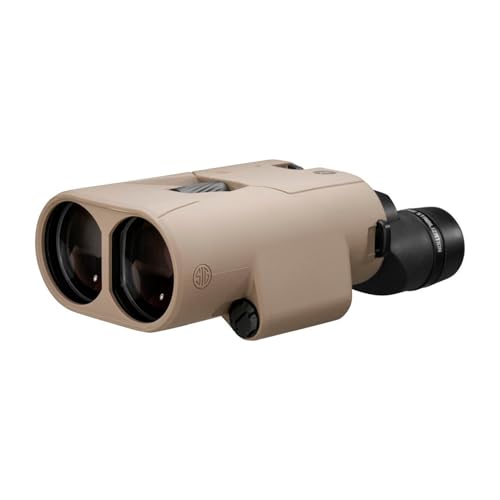
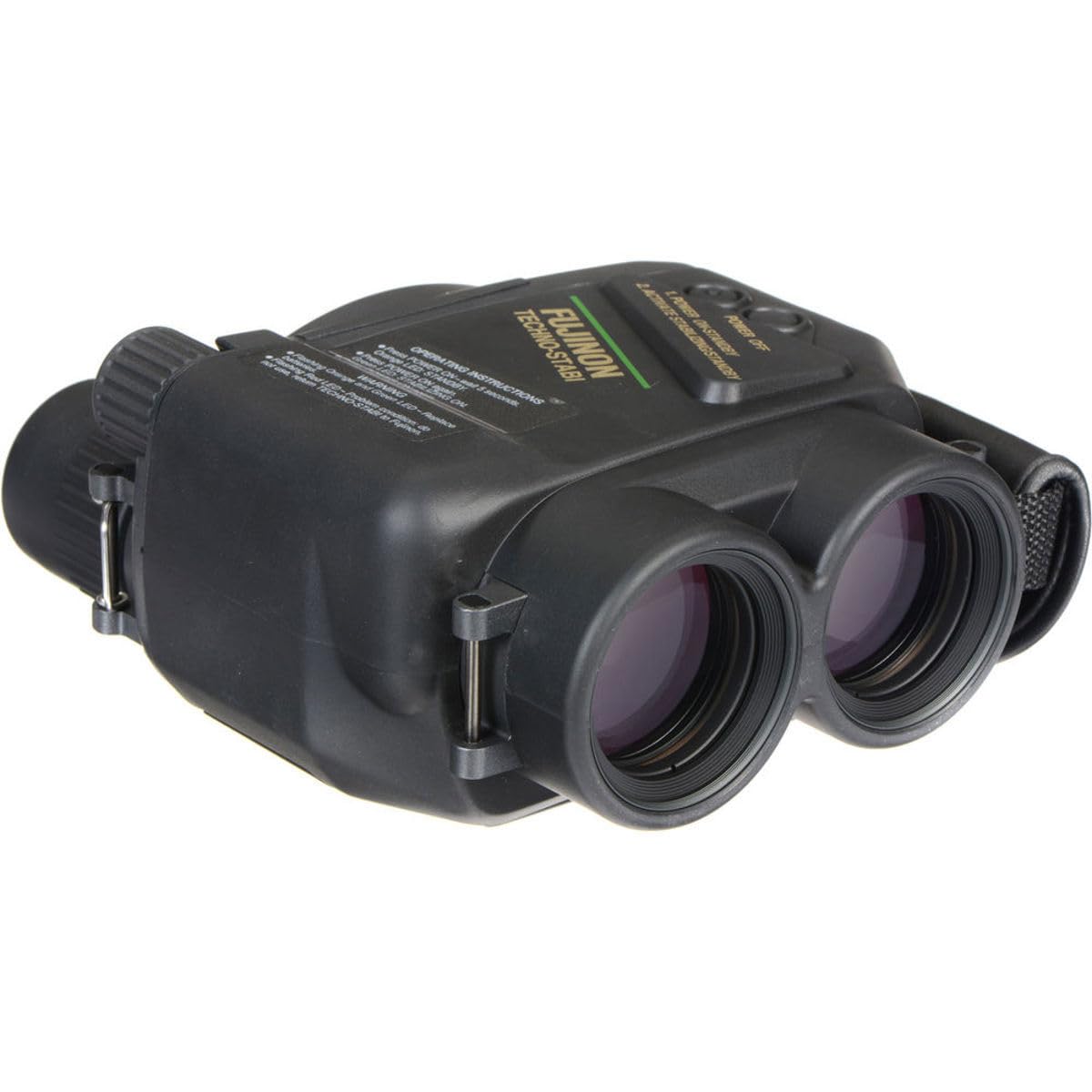
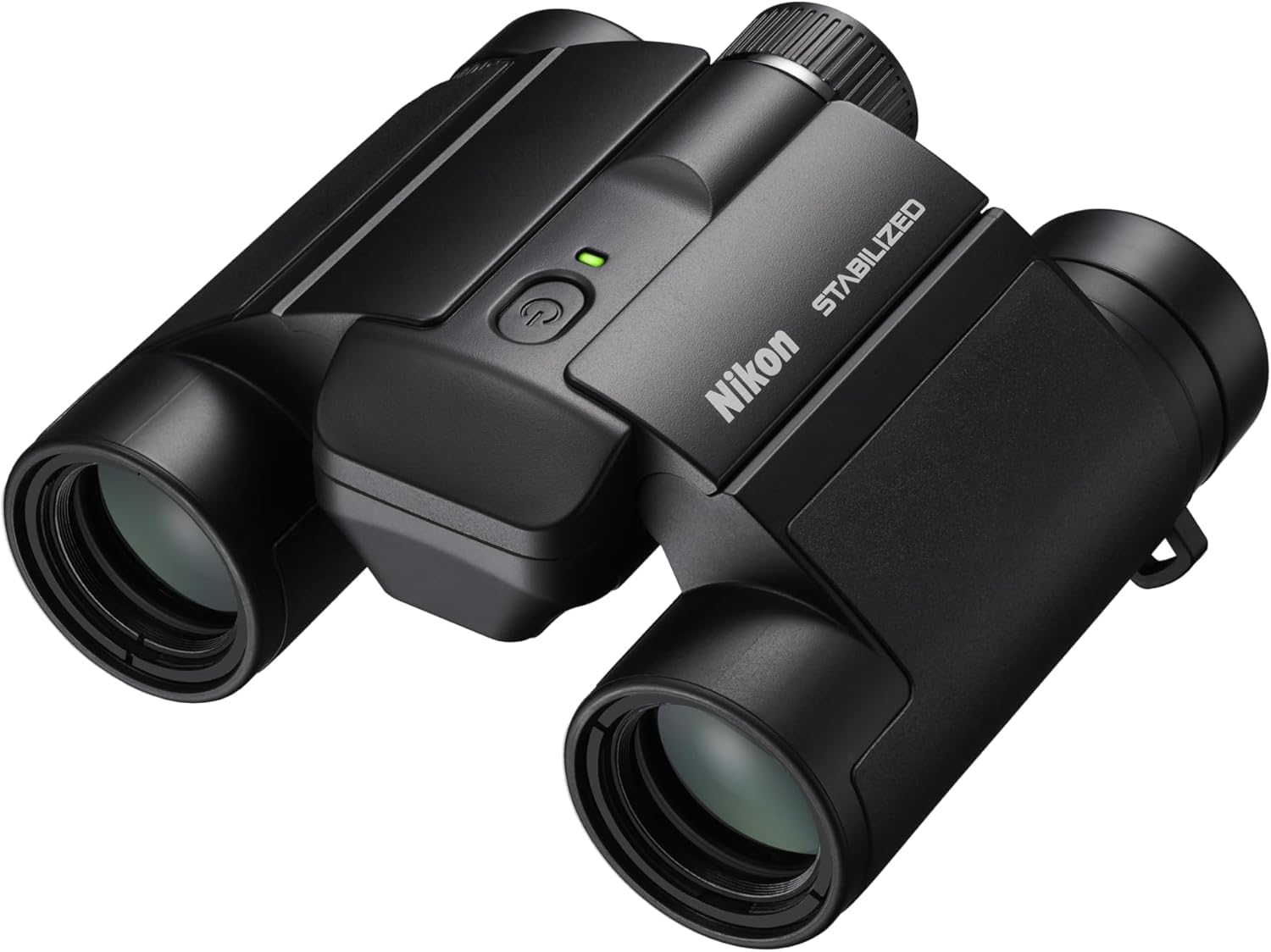
The comparison table below lines up the current field, and the sections after it explain the trade offs band by band. Start with the budget tiers, then read the features section before you decide where your money lands.



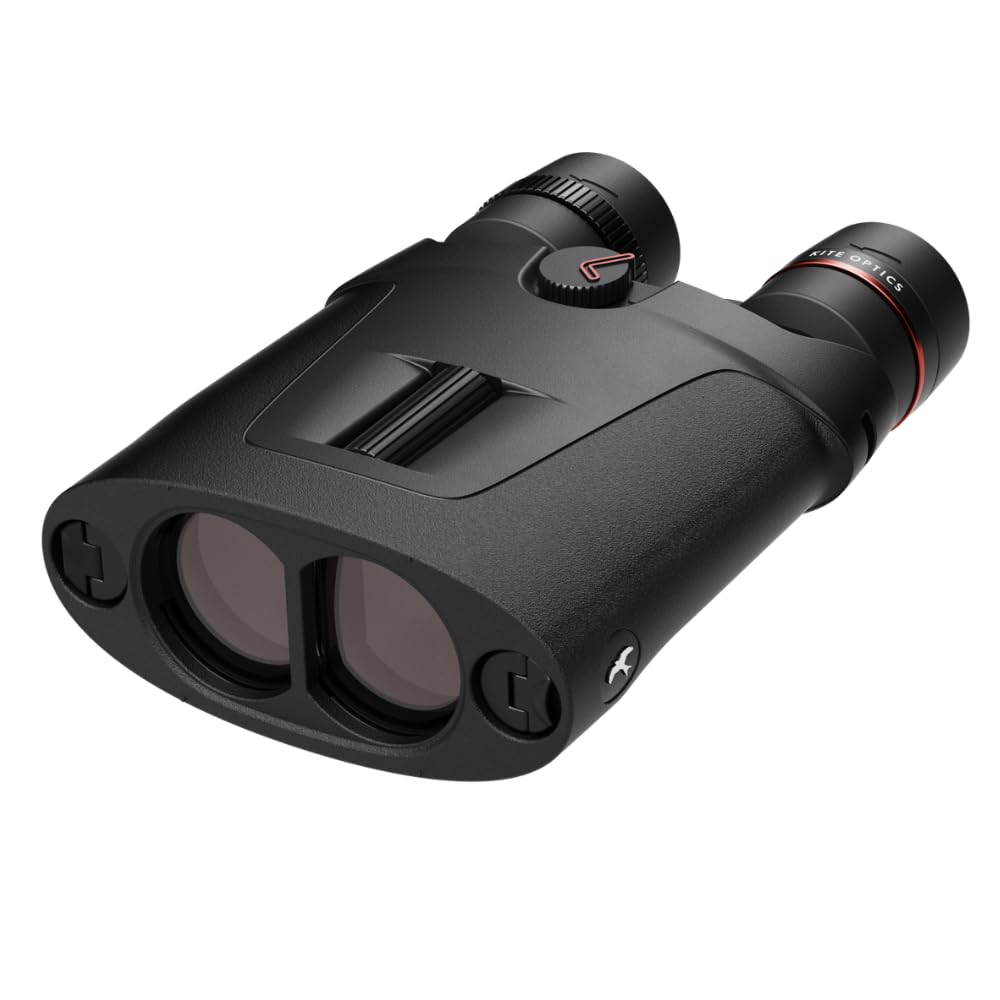
Why Stabilized Binoculars Cost More
A stabilized pair carries sensors that sense movement many times per second and a moving lens or prism group that bends the light path to cancel it. That machinery needs power, careful assembly, and a housing that protects moving parts, which is why even the entry band costs more than plain glass of similar size. Readers who want a shorter overview of the same idea can read our guide to best binoculars with stabilization, which covers the steadying system in brief. The budget bands below show where the extra money goes.
What Your Money Gets You at Each Price Tier
Entry Tier: Modest Correction for Casual Use
Pairs around $250 to $400 offer a narrow correction range that calms small hand tremor at modest magnifications like 8x or 10x. Objectives stay small, often around 30 mm, and sealing is usually splash resistant rather than fully waterproof. Battery life is shorter, and the housings feel plainer, with simpler eye cups and focus wheels. For stadium seats, theater balconies, and occasional boat rides as a passenger, this band already removes the shake that ruins a plain view.
Middle Tier: The Balance Most Buyers Land On
Pairs around $400 to $700 widen the correction range, add better coated glass, and stretch runtime across a full day of intermittent use. Waterproofing becomes common, focus wheels gain a firmer feel, and the image holds steady even at 12x from a standing position. This is where most buyers land, because the steadiness gain over the entry band is obvious while the price stays below the specialist classes. The product table above makes the tier differences easy to scan side by side.
Upper Tier: When the Extra Spend Shows
Pairs around $700 to $1,200 and beyond bring the widest correction ranges, ED glass for cleaner color, and housings sealed for spray, rain, and cold. Runtime stretches across days of travel, and some pairs keep working steadily from a moving deck or a vehicle. Sailors comparing dedicated marine builds can see best marine binoculars with image stabilization for housings shaped around spray and gloved hands. Choose this band when the pair earns its keep weekly rather than monthly.
Features Worth Paying For (and Ones to Skip)
Worth paying for: a wide correction range, honest battery runtime, and sealing that matches your weather. Worth skipping: huge magnification printed on a small objective, bundled accessory kits of straps and cleaners, and any claim that stabilization replaces good glass. Stabilization also sells photo gear, and guides to best cameras with image stabilization cover a stills camera class that records pictures, which is a different job from a binocular class that only presents a live view.
Shake Correction: Your Hands Set the Ceiling
Hand shake governs what a stabilization system must do, because every tremor is magnified along with the subject. Correction strength is printed as a range in degrees, and a wider range cancels the bigger sway of a boat deck or a windy ridge as well as fine tremor. What separates the best binoculars with image stabilization from ordinary pairs is how calm the view stays at the edge of that range. If your hands are steady and you mostly sit, modest correction is enough; if you stand on moving ground, pay for range.
Power and Battery Runtime
Power in a stabilized pair is a battery story, since the correction system draws current the whole time the view is steadied. Some pairs run on AA cells that are easy to replace in the field, while others use a rechargeable pack that lasts longer per charge but needs its own cable. Runtime claims assume mild weather, and cold mornings can shorten a session noticeably. Sky watchers planning long nights can compare best image stabilized binoculars for astronomy, where runtime and dark sky manners headline the checklist.
Weight and Balance: The Hold Decides Comfort
The motors, sensors, and batteries make stabilized pairs heavier than plain glass, commonly about 1.5 to 3 pounds depending on size. Weight alone is not the whole story, because a pair that balances near the focus wheel feels lighter over an hour than a front heavy one of the same mass. Grip shape matters with gloves, and a wide strap or a chest harness spreads the load on long walks. Judge the hold by how the pair feels at the end of a session, not the first minute.
Magnification and Objective Size
Stabilized lines favor moderate objectives, such as 10x30, 12x36, and 14x40, because the steadying system makes higher magnification usable without a tripod. A 10x30 gives an exit pupil of about 3.0 mm, smaller than plain birding glass, which is the price of the compact stabilized shape. On the water, where the deck itself moves, readers can compare best image stabilized binoculars for boating for lower magnification picks that suit a rolling view. Choose power for your typical distance, not for the longest shot you can imagine.
Durability and Weather Sealing
Moving internal parts make sealing more than a comfort feature, since a hard knock or a soaking can upset the correction system. Look for waterproof ratings rather than vague weather resistant wording, nitrogen purging against internal fog, and rubber armor over the corners that strike first. Rinse salt spray off with fresh water after coastal use and let the pair dry before casing it. A maker's warranty that names the stabilization system is worth more than a longer warranty that quietly excludes it.
Low Light Performance
Stabilization cannot add light, so low light performance still rests on exit pupil and coatings. A plain 8x42 hands your eye a beam of about 5.3 mm and a 10x42 about 4.2 mm, while most stabilized pairs sit lower, around 3.0 mm. The steady view does recover fine detail that shake would smear, which is why a stabilized pair can out resolve a brighter plain pair at dusk. Judge dusk use by the exit pupil first and the correction range second.
Long Term Costs to Factor In
Beyond the purchase price, budget for batteries or a spare rechargeable pack, since a flat pair is just heavy plain glass. A padded hard case and a harness strap protect the moving parts in transit and usually cost about $30 to $80 together. Service after the warranty ends costs more than plain binocular work because the electronics need specialist benches. Keeping the receipt and warranty card with the case makes any claim far simpler years later.
Frequently Asked Questions
What specs matter most for beginners choosing stabilized binoculars?
The specs that matter most are correction range, weight, and battery type, in that order. A wide correction range forgives unsteady hands, a manageable weight keeps the pair in use, and common AA cells keep things simple for a first owner. One check beginners often miss is minimum focus distance: a pair that focuses down to about 6 to 8 feet also serves for butterflies and garden birds at close range, which widens what the same pair can do.
Are image stabilized binoculars better for low light?
They are better for reading detail in low light, but not for gathering more of it. The smaller exit pupil of most stabilized pairs, around 3.0 mm, passes less light than a full size plain pair, yet the steady image lets your eye use what arrives. Bright targets at dusk, such as the moon rising or harbor lights across water, show the benefit best. For deep twilight in woods, a plain 8x42 still gathers the brighter view.
What does 10x30 mean on a stabilized binocular?
It means ten times magnification through 30 mm objective lenses, the same numbering scheme as plain binoculars. On a stabilized model there is a third figure worth hunting down: the correction range, printed in degrees, which tells you how much sway the system can cancel. Two pairs with identical 10x30 numbers can feel very different if one corrects a wider range than the other. Compare that figure before you compare small differences in weight or price.
How much should I spend on my first stabilized pair?
Most first time buyers do well in the middle tier, around $400 to $700, where correction range and runtime both become generous. The entry tier suits occasional use, and the upper tier pays off mainly for weekly or working use. Because the feel of correction is personal, some hands notice the smoothing more than others, so buy from a seller with a clear return window and spend an evening trying the pair from your own porch before the window closes.
Is a smartphone enough instead of stabilized binoculars?
No, a smartphone is not enough for real watching, even though its video stabilization looks impressive on a small screen. The phone view is a delayed electronic image that flattens depth, while binoculars give both eyes a direct optical view that is easier to follow for minutes at a time. A phone also ties up the device you need for maps and messages, and its battery drains quickly under a bright screen outdoors. Use the phone to record the moment after the glass finds it.
Final Thoughts
Judge a stabilized pair by correction range first, then by battery runtime and the comfort of the hold. Match the tier to how often and where you watch, and the best binoculars with image stabilization for your budget will stand out clearly. Compare your shortlist against the product table above before you order.