
Best Binoculars Swarovski 2026: Which Size and Style Fits You
Disclosure: We may earn a commission when you buy through links on this page, at no extra cost to you. As an Amazon Associate I earn from qualifying purchases. Learn more

A practical guide to the best binoculars swarovski sells: size classes, optics, comfort, care and who should pay for premium glass.
Swarovski sits at the top of the binocular market, and its prices make a buyer slow down. The best binoculars swarovski offers are not always the biggest or most expensive pair in the catalog. They are the ones that match how you watch, because the brand spreads its optics across pocket size, mid size, full size and rangefinding designs. This guide explains what you gain at each size and who gets real value from the premium, so you can read the comparison table below with a clear plan.
Expect superb brightness, flat sharp edges and a precise focus feel across the range. The harder questions are weight, field of view and how often you will actually carry the pair.


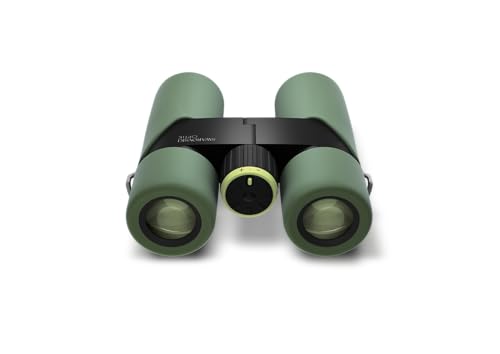

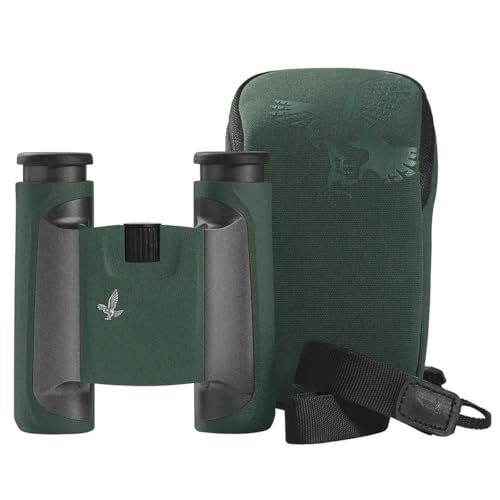
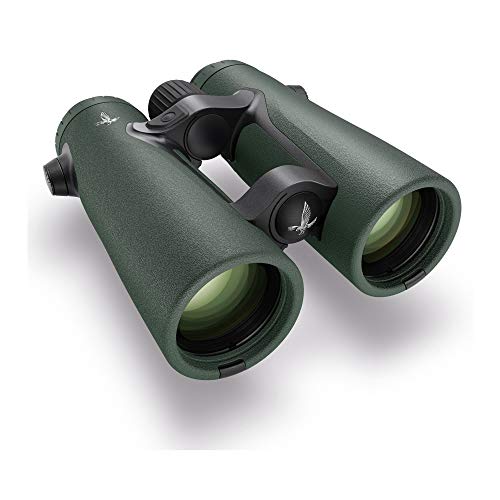

Who Should Buy Swarovski Binoculars?
Premium glass pays back when you use it often and in demanding light. Find the group closest to you before you compare sizes.
Birders Who Watch Weekly
You follow small, fast birds through leaves and need a wide field, quick focus and natural color. A mid size or full size 8x model suits most birders, because the wide view makes finding a warbler easier and the bright image helps in shade. Premium coatings show subtle plumage marks that cheaper glass smears.
Hunters Who Glass at First and Last Light
You scan fields and ridges at dawn and dusk, when light is poor and a few extra seconds of clarity decide whether you spot an animal. Full size 10x42 models give reach and brightness, and rangefinding versions add a distance reading without a second tool. Sealed bodies shrug off rain and cold.
Travelers and Safari Visitors
You want one excellent pair that survives long trips and many years. A compact or mid size model keeps weight down while still delivering a bright view of distant wildlife. Pocket size pairs trade some low light reach for a body that fits a jacket, so choose by how much you walk.
Key Features to Compare
Compare these factors in order. At this price, small differences in comfort matter as much as raw optical quality.
Size Class and Magnification
The first number in a name such as 8x42 is magnification and the second is the front lens width in millimeters. An 8x pair is steadier and wider, and a 10x pair reaches farther but shows more shake. Compact 25 to 30 mm models weigh about 10 to 15 ounces, 32 mm models about 18 to 22 ounces, and 42 mm models about 26 to 30 ounces.
Brightness and Exit Pupil
Divide the lens width by the magnification to get the exit pupil. An 8x42 gives about 5.3 mm and a 10x42 about 4.2 mm, and the larger figure looks brighter at dusk. Premium coatings help too, since they pass more of the light that reaches the lens and keep contrast high in poor weather.
Field of View and Edge Sharpness
Field of view is the width of the scene you see at 1,000 yards, and wide fields make moving subjects easier to follow. The premium difference shows at the edge, where cheaper glass softens and Swarovski style optics stay sharp almost to the rim. This is most noticeable when you scan a flock or pan across a field.
Eye Relief and Focus Feel
Eye relief of about 15 mm or more lets glasses wearers see the full view with eyecups folded down. Check that the twist up eyecups stop firmly at each position. A smooth center focus wheel that moves evenly with one finger is part of what you pay for, so try it before you decide.
Weight, Balance and Carry
A premium pair is useless in the car. Think about weight honestly, because a lighter mid size model that stays on your chest all day beats a heavier full size pair you leave behind. A wide padded strap or a chest harness spreads the load on long walks.
Sealing and Build
Waterproof and fogproof sealing, usually with nitrogen inside, keeps the optics clear when you move between warm and cold air. Rubber armor protects against knocks and improves grip with gloves. Look for a long warranty and ask how service is handled, since this is a purchase you plan to keep for many years.
Best Binoculars Swarovski Sizes Compared
The four size classes below cover nearly every buyer. The right class depends on how far you carry the pair and how much light you need.
Compact and Pocket Size
Compact models fold small enough for a coat pocket and weigh about 10 to 15 ounces. They suit travel days, concerts and short hikes where light is decent. The trade off is brightness at dusk, because the small lenses gather less light than a 42 mm pair.
Mid Size 32 mm
Mid size models balance weight and brightness better than any other class. They carry like a compact on a long walk yet deliver a view close to full size in daylight. Many birders who walk far settle here.
Full Size 42 mm and Larger
Full size pairs give the brightest view and the most comfortable hold for long sessions in one place. Larger lenses suit dawn and dusk hunting and watching from a blind. The cost is weight and bulk in a pack.
Rangefinder Models
Rangefinder versions add a laser distance reading inside the view. They suit hunters who need an accurate number before a shot, and they weigh more than plain glass. Skip this class if you only watch birds or scenery.
Is the Premium Worth It?
For a weekly user in demanding light, yes. The gains are real but gradual: brighter dusk views, sharper edges, smoother mechanics and a long service life. For occasional use, a good mid price pair gives most of the view for a fraction of the cost. Prices for this brand often start around $1,000 for compact models and rise to $3,000 or more for the top full size and rangefinder designs.
If you want to compare the brand against its use cases, see our guides to the best swarovski binoculars for birding and the best swarovski binoculars for hunting. For a wider view of the market, read our guide to the best binoculars for birdwatching.
Common Mistakes to Avoid
- Buying the biggest size for a pair you will carry for hours leads to leaving it at home.
- Choosing 10x magnification without steady hands makes the image shake and tires your arms.
- Ignoring eye relief as a glasses wearer cuts the edges of the view.
- Buying from an unauthorized seller can leave you without warranty coverage, so check the seller.
- Storing the pair damp after rain invites fog and mildew in the case.
- Skipping a harness or wide strap makes a heavy pair uncomfortable on a long outing.
Care and Safety
Use a lens cloth, never your shirt, and blow loose grit off the glass before wiping. Keep the caps on in a bag and store the pair in a dry padded case. Never point binoculars at the sun, because focused light can damage your eyes. Keep the strap secure near water and cliffs, and send the pair for service if fog appears inside a lens.
FAQ
Which Swarovski size is best for birding?
An 8x42 or 8x32 suits most birders because it combines a wide field with a steady image and bright colors. Choose 10x42 if you watch open country or distant waterbirds and can brace your arms. Try both powers if you can, because the hold matters as much as the numbers.
What does 8x42 or 10x42 mean on Swarovski binoculars?
The first number is magnification and the second is the front lens diameter in millimeters, so 8x42 magnifies eight times through 42 mm lenses. The 10x version reaches farther but shows more shake and a narrower view. The numbers are printed on the body near the focus wheel.
Is a smartphone enough instead of Swarovski binoculars?
No, a smartphone is not a substitute for real optics at distance. Phone zoom crops the image, the screen washes out in sun, and the battery drains fast. Premium binoculars give a bright optical view with natural depth. A phone still helps for photos after you find the subject.
How much should I spend on a first Swarovski pair?
Plan on about $1,000 to $2,000 for a first compact or mid size pair, and more for full size or rangefinder models. If that is too much, a quality mid price pair is a fair way to learn what you like before stepping up.
Which Swarovski binoculars are better for low light?
Full size 8x42 models are better for low light because the larger exit pupil of about 5.3 mm feeds more light to your eye at dawn and dusk. A 10x42 or a compact pair looks dimmer in the same conditions.
Final Thoughts
Pick the size class by how far you carry the pair, then check eye relief, weight and sealing. Use the product table above to compare current options side by side before you commit.
Chosen that way, the best binoculars swarovski makes become a pair you will use for decades, bright and sharp in the first and last light of the day.


