
Best Binoculars Lightweight: A Buying Guide for 2026
Disclosure: We may earn a commission when you buy through links on this page, at no extra cost to you. As an Amazon Associate I earn from qualifying purchases. Learn more

A clear guide to lightweight binoculars: how weight ties to objective size, exit pupil, and comfort on long carries, plus price bands, types, and care tips.
A heavy binocular tends to stay in the truck or the bottom of the pack, which makes its fine glass worthless. Shoppers looking for the best binoculars lightweight enough to carry all day need to know how weight connects to lens size, brightness, and comfort before they buy. The comparison table below shows the main options side by side, so you can see what each ounce buys you.
This guide explains the weight classes in plain terms, then covers the specs that decide whether a light pair still gives a bright, steady view, and which class fits a long hike, a trip, or a day in the field.
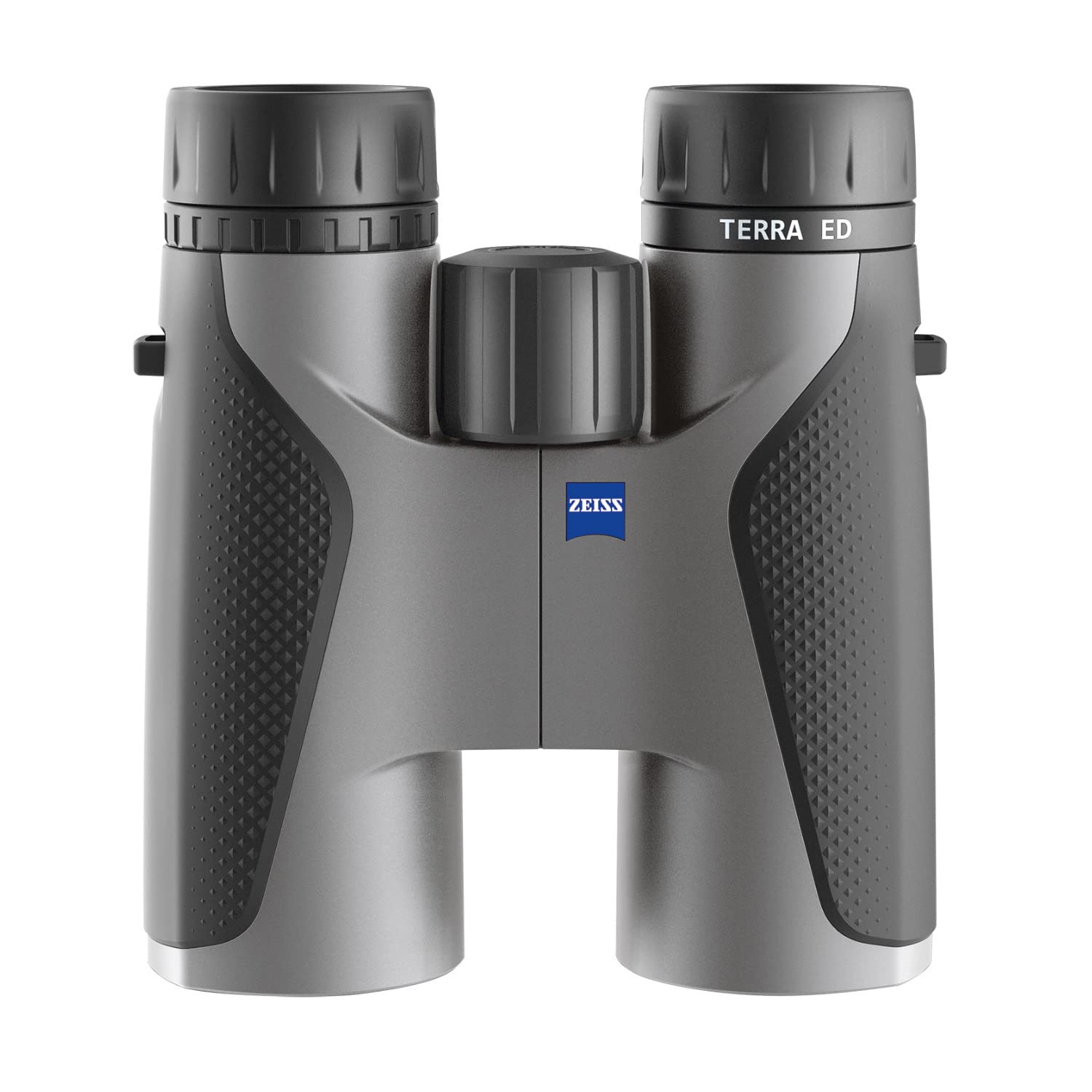

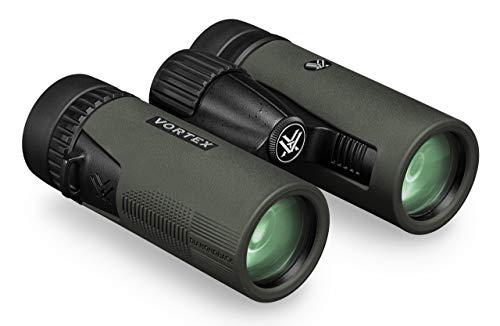
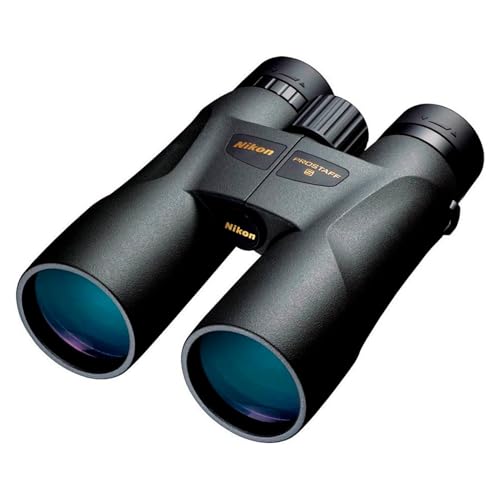


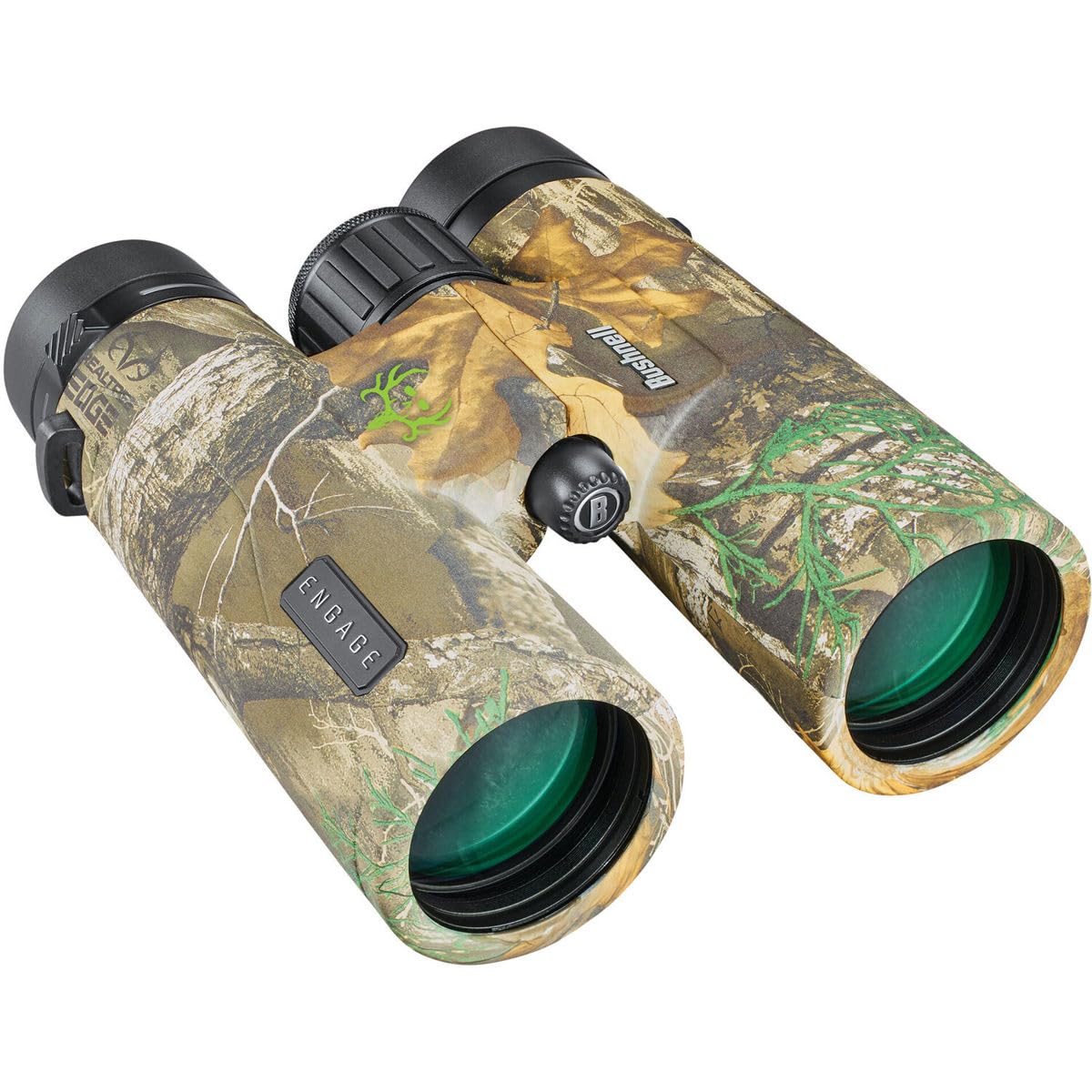


What Lightweight Really Means: Three Weight Classes
Weight governs every lightweight binocular decision, and weight is best read as a size class rather than a single number. Objective lens diameter drives weight more than anything else, because bigger front lenses need bigger glass and housings. Once you see weight as a lens size choice, the classes below sort themselves out, and the product table above shows where current models fall.
Pocket Class: About 9 to 13 Ounces
The lightest binoculars use objective lenses of about 25 mm and fold small enough to ride in a jacket pocket. They suit travel days, stadium seats, and spontaneous stops, at prices around $40 to $120.
The compromise is brightness, since small lenses gather little light and the view dims early in the evening. For daytime use that trade is usually fair, and the narrow field is the limit you feel most at close range.
Trail Class: About 16 to 21 Ounces
Mid size binoculars with objective lenses of about 32 mm hit the balance most walkers and birders settle on. They carry like a compact on the trail yet deliver a view close to full size in daylight, at prices around $100 to $300. Many readers comparing best lightweight binoculars for birding end up in this class, because it pairs a wide field with a weight your neck tolerates for hours.
An 8x32 gives an exit pupil of about 4 mm, comfortable in daylight and workable at dusk. Choose this class when one pair has to cover hiking, travel, and general wildlife watching.
Full Size Class: About 24 to 30 Ounces
Full size binoculars with 42 mm objectives are the heavy end of the lightweight conversation, and they earn their ounces in low light. Hunters covering big country on foot often accept this weight, and our guide to best lightweight binoculars for hunting shows how makers trim grams here with magnesium bodies and slim grips. Prices run about $150 to $400.
Choose this class when dawn and dusk viewing matters more than pack weight. For mostly midday walks, the trail class gives nearly the same view for less load on your neck.
How to Choose Lightweight Binoculars: A Buying Guide
Weight Starts With Objective Size
Objective diameter is the honest predictor of weight, so shop by lens size first and advertised weight second. A 25 mm pair will almost always weigh near 10 ounces, a 32 mm pair near 18, and a 42 mm pair near 26, whatever the marketing says. Magnesium and polycarbonate bodies trim a few ounces against plain aluminum.
Beware of weights quoted without the strap and caps, which can hide two or three ounces. The ready to carry total is the figure your neck feels at mile six.
Exit Pupil and Brightness
Exit pupil is the brightness number behind every lightweight trade off, found by dividing the objective size by the magnification. An 8x42 gives about 5.3 mm and a 10x42 about 4.2 mm, while smaller lenses give less: an 8x32 yields about 4 mm and an 8x25 about 3.1 mm. In full daylight your pupils shrink to about 2 to 3 mm, so even the small numbers look bright at noon.
The gap appears at the edges of the day, when your pupils open and a 3.1 mm exit pupil starves them of light. If you often watch wildlife at dawn, step up one lens size. For midday travel and events, pocket class brightness is honestly enough.
Magnification and a Steady View
Higher magnification makes a light binocular harder to hold steady, because there is less mass to absorb hand shake and every tremor is enlarged. An 8x power is the forgiving choice for walkers who glass while standing, breathing hard after a climb. A 10x power rewards anyone who can brace against a tree or a pack.
Close focus also belongs in this decision. Models that focus down to about 6 to 8 feet let you study butterflies, wildflowers, and frogs at your boots, turning a light pair into a pocket naturalist tool rather than a distance only instrument.
Carrying Comfort: Straps, Cases, and Harnesses
Carry comfort is where lightweight binoculars succeed or fail, because even 18 ounces grows heavy on a thin cord by midday. A wide padded neck strap spreads the load, while a chest harness moves the weight to your shoulders and stops the swing as you walk. Backpackers comparing best lightweight binoculars for hiking often find the harness matters as much as the glass on steep ground.
A soft case that clips to a belt or pack strap protects the lenses without a bulky hard shell, and tethered caps save frustration, since a lost cap on a trail rarely turns up again.
Weather Sealing and Build
Light binoculars live outdoors, so waterproof sealing and fogproof nitrogen purging are worth having at every weight. A sealed pair shrugs off trail rain and the move from a warm car into cold morning air without internal fog. Rubber armor matters more on light bodies, since thin housings dent and slip more easily in wet hands.
Check the water protection wording carefully, because splash resistant is a much weaker promise than fully waterproof, and the stronger rating is worth a small price step.
Types of Lightweight Binoculars
Within the weight classes, four designs cover nearly everything sold. Travelers wanting one pair for trips, hikes, and events often start with our guide to best travel binoculars lightweight models, then narrow down by the types below.
Full Size Binoculars
Full size 42 mm binoculars are the brightness benchmark, best for low light and long sessions in one place. They are the heaviest type here, so they fit drivers to a viewpoint and blind sitters more than long distance walkers.
Mid Size Binoculars
Mid size 32 mm binoculars are the all rounders of the lightweight world, balancing brightness, field of view, and carry weight so evenly that most buyers keep the 32 mm pair for daily use.
Compact Binoculars
Compact 25 mm binoculars fold small and disappear into a pocket or glove box. Our roundup of best small lightweight binoculars shows the range in this class, from simple fixed focus designs to sharp roof prism pairs costing as much as mid size glass. They are daytime tools first.
Roof Prism and Porro Prism Designs
Roof prism bodies are straight and slim, which is why most modern lightweight models use them, though they cost more to build well. Porro prism bodies are wider and often cheaper for the same image quality, but their bulk works against the point of going light. For a carry everywhere pair, roof prism is the practical default.
Setup and Care Tips
- Use a lens cloth, not your shirt, since fabric grit scratches coatings a little more with every wipe.
- Set the diopter adjustment once for your eyes and leave it, so the center wheel alone keeps views sharp.
- Store the binoculars in a dry, padded bag indoors rather than in a hot car, where heat ages seals and lubricants.
Lightweight Binoculars: Your Questions Answered
Which lightweight binoculars are better for low light?
The full size 42 mm class is better for low light, since its larger exit pupil keeps the view bright at dawn and dusk. Among lighter options, an 8x32 beats a 10x32 after sunset because the lower power yields a larger exit pupil. Coating quality is the quiet factor here, as fully multicoated glass can make a 32 mm pair look closer to a basic 42 mm pair than the numbers suggest. Match the choice to when you actually go out.
How much should I spend on my first lightweight binocular?
About $100 to $250 is the sensible first budget for a lightweight binocular you will keep for years. Cheaper pairs often skimp on sealing and focus smoothness, the two things you feel every outing. Spending more buys better coatings, tougher housings, and longer warranties rather than a different kind of view. For travel and events, the lower end of that band in a 32 mm body is a strong start.
Is a smartphone enough instead of a lightweight binocular?
No, a smartphone is not enough for real viewing, even though it is always in your pocket. Phone zoom crops a small sensor, so distant birds and animals turn into soft shapes, and the screen is hard to read in bright sun. A binocular also runs all weekend on no battery at all. Keep the phone for photos and maps, and let glass do the looking.
What does 8x42 or 10x42 mean on a binocular?
The first number is magnification and the second is the objective lens diameter in millimeters, so an 8x42 makes subjects look eight times closer through 42 mm front lenses. Dividing the second number by the first gives the exit pupil, a quick brightness guide for any model. A 10x also narrows the field of view, so an 8x is easier for following moving birds or players. Both figures are printed on the body near the focus wheel.
What specs matter most for beginners choosing a lightweight binocular?
Weight, exit pupil, and field of view matter most for beginners, in that order. A pair light enough to carry gets used, a healthy exit pupil keeps the view comfortable, and a wide field makes finding your subject easy while your skills develop. Eye relief near 16 mm or more helps if you wear glasses. Skip exotic features, and put the money into clean glass, honest sealing, and a smooth focus wheel.
Final Thoughts
Start with the weight class your outings can honestly carry, then check the exit pupil for the light you watch in, and finally judge the strap or harness that will hold the pair all day. The product table above gathers the main options for a quick comparison. Chosen that way, the best binoculars lightweight pair for you will still be on your chest at the end of the trail.


