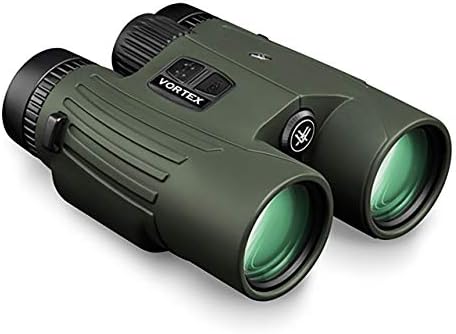
Best Binoculars in the World: How to Judge Top Tier Optics 2026
Disclosure: We may earn a commission when you buy through links on this page, at no extra cost to you. As an Amazon Associate I earn from qualifying purchases. Learn more

Learn what sets the best binoculars in the world apart, from glass quality and low light performance to field of view, handling, and long term value.
The phrase top tier can mean many things, from the sharpest glass to the most refined handling, so it helps to judge optics by how they perform in real use. For many buyers, the best binoculars in the world simply means a pair that stays bright, sharp, and comfortable across long sessions and varied light. The goal is not to chase a single ranking, but to find the level of quality that matches your eyes, your hands, and your habits.
This guide explains what high end optics do differently, how to compare the main types, and where extra spending makes sense. Use the product table to see the picks side by side, then use the buying factors that follow to narrow the choice to a pair you will enjoy for years.
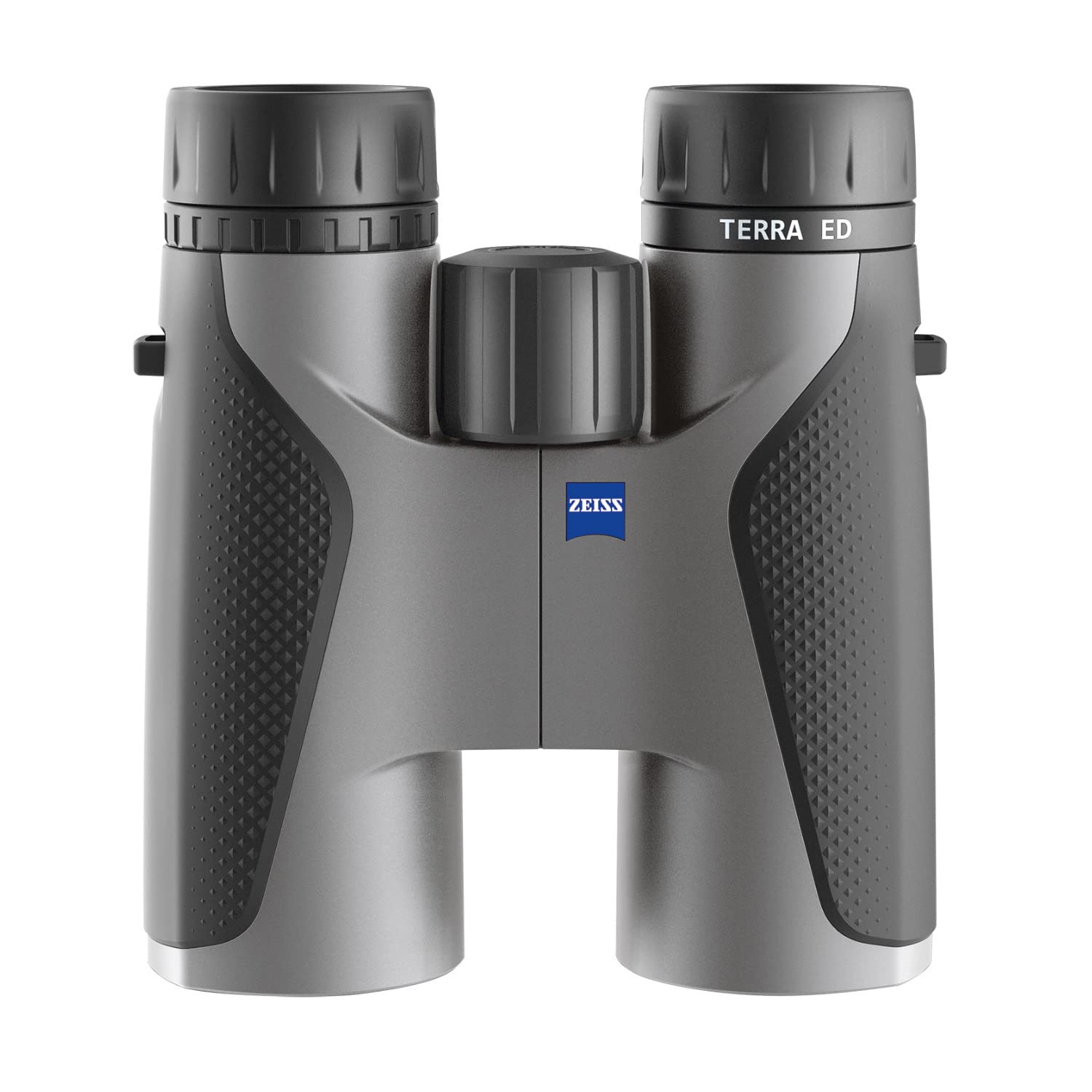

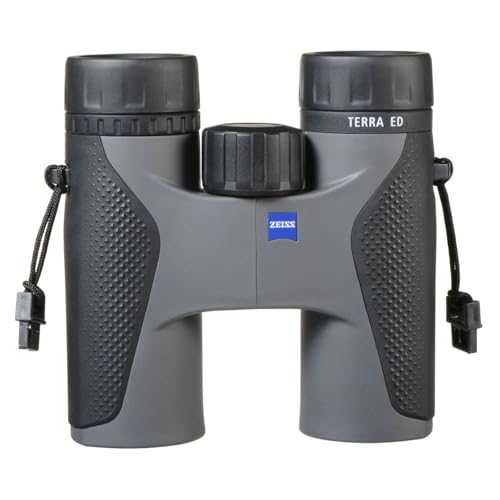

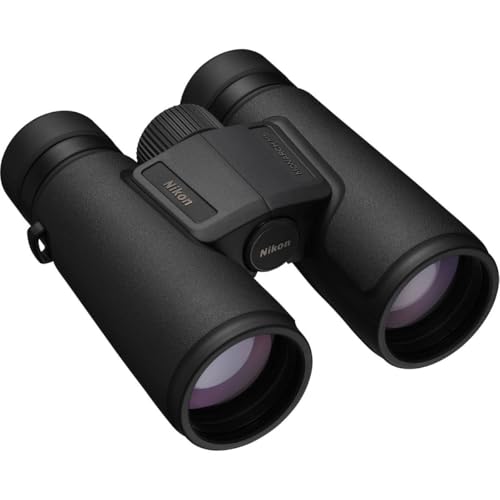
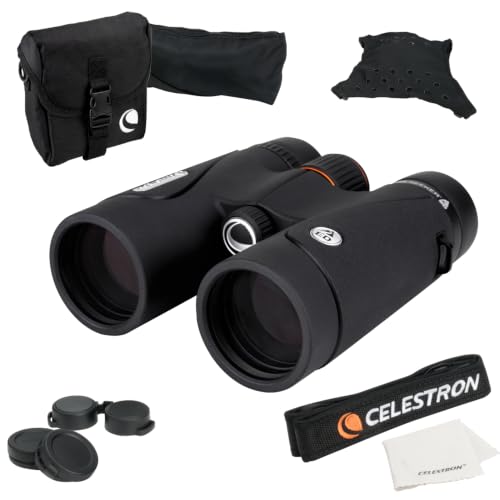


Who Should Consider the Best Binoculars in the World
Keen wildlife watchers benefit most from top tier glass, since they often watch at dawn, in shade, or across long distances. A cleaner image with better contrast can reveal feather detail, subtle movement, and color differences that cheaper glass may blur. If you watch for hours at a time, refined handling and balanced weight also reduce fatigue.
Travelers and birders who carry optics all day need a pair that feels good in the hand and packs well. Top tier compact and mid size models often combine strong optics with smooth focus and durable sealing. That balance matters when you move between bright open country and shaded forest, and when weather changes during a walk.
Buyers who want a long term purchase may also value top tier build quality, service, and warranty support. A well made pair can stay in use for many years if it is cleaned and stored with care. Still, top tier optics are not required for enjoyable viewing, so weigh the gain against how often you will use the pair.
How to Choose Top Tier Binoculars: Buying Guide
Glass Quality and Image Sharpness
High quality glass and coatings are the main reason top tier pairs look different. A good pair should show sharp detail across most of the view, with natural colors and little fringing around bright edges. Check sharpness at the center and near the edges, since a pair that is sharp only in the middle can feel tiring. Also look for a clean, high contrast image, which helps you pick out subjects against busy backgrounds.
Low Light Performance
Low light performance depends on coatings, prism quality, exit pupil, and how well the pair controls stray light. A larger front lens helps, but it does not guarantee a bright image if the coatings are poor. An 8x42 pair often feels bright and steady, while a 10x42 pair offers more reach but can feel dimmer in the same light. If you watch at dawn or dusk, give low light quality extra weight in your decision.
Field of View and Eye Relief
Field of view affects how easily you can find and follow a subject, especially a moving bird or animal. A wider view is more forgiving for beginners and for fast action, while a narrower view can feel restrictive even at high power. Eye relief matters for glasses wearers, who need enough distance to see the full image without dark edges. Twist up eye cups should lock firmly at each setting and feel comfortable against the face.
Focus, Handling, and Balance
Top tier pairs usually offer a smooth, precise focus wheel that lets you move from near to far without overshooting. Balance matters too, since a front heavy pair can tire your arms during long sessions. Check whether the pair fits your hands, whether the hinge feels firm, and whether the diopter control stays in place. Small handling details often separate a good pair from a great one in daily use.
Durability and Weather Sealing
Strong sealing protects against rain, dust, and internal fogging when temperatures shift. Rubber armor helps with grip and absorbs small knocks, while a firm bridge keeps the two barrels aligned. Top tier models often use more refined materials and tighter tolerances, which can improve long term reliability. Still, check the warranty and service terms, since support matters if a seal or hinge needs attention later.
Size, Weight, and Ergonomics
Size and weight should match how you travel and how long you watch. Full size pairs offer the brightest view, while mid size pairs are easier to carry and still perform well in good light. Compact pairs suit travel and casual use, but they may feel dimmer at dawn and harder to hold steady. Try the pair with its strap, and consider how it feels after several minutes, not just in the first few seconds.
Spending Levels Worth Considering
Sensible Spending for Regular Use
In the range of about $150 to $400, you can find a well made pair with good coatings, weather sealing, and a comfortable view. This level suits regular walkers, birders, and travelers who want reliable optics without paying for the finest glass. Expect strong performance in daylight and solid handling, with some limits in very low light. It is a sensible place to start if you are still learning what you value most.
Serious Spending for Demanding Viewing
From about $400 to $900, you usually get better glass, wider and flatter fields, and more refined focus and balance. This level suits frequent observers who watch in varied light and want a pair that stays sharp across the view. You may also find better eye relief and more durable construction. Spend here if you already use binoculars often and want a clear step up in image quality.
Flagship Spending for the Finest Image
Above about $900, you are paying for the most refined optics, coatings, and mechanical feel available. The image often shows exceptional contrast, color fidelity, and edge sharpness, even in difficult light. This level suits dedicated observers who use optics almost daily and want the best view they can get. It is a luxury rather than a need, so choose it only if the difference is clear to your eyes and worth the price to you.
Types of Binoculars to Compare
Full Size Binoculars
Full size pairs, often 8x42 or 10x42, offer the brightest and most comfortable view for long sessions. They suit wildlife watching, birding, and open country viewing, where light and stability matter. The trade off is size and weight, so they are less ideal for ultralight travel. Choose full size if performance matters more than packing light.
Mid Size Binoculars
Mid size pairs, often 8x32 or 10x32, balance brightness and portability. They are easier to carry than full size pairs and still perform well in daylight and moderate low light. They suit hikers, travelers, and birders who want a capable pair without a heavy load. Check eye relief and field of view carefully, since those figures vary more at this size.
Compact Binoculars
Compact pairs are light and easy to pack, which makes them popular for travel, concerts, and casual viewing. They usually offer less brightness in low light and a narrower view, so they suit shorter sessions and good light best. Choose compact only if portability is your top priority and you accept the optical trade off. A good compact pair still beats a poor full size pair that stays at home.
Roof Prism and Porro Prism Designs
Roof prism pairs have straight barrels and a slim shape, which makes them easy to carry and handle. Porro prism pairs have an offset shape that can offer good depth and a wide view at a lower price. Both designs can perform well, so judge the individual pair rather than the prism type alone. Focus on sharpness, brightness, handling, and sealing, and let those factors guide the choice.
Care and Maintenance Tips
- Use a soft lens cloth, not your shirt, and blow off dust before wiping to protect coatings.
- Store the pair in a dry, padded bag, with lens covers on during travel.
- Keep straps and covers in good condition, and check the hinge and focus wheel from time to time.
- Avoid leaving binoculars in a hot car or in damp storage for long periods.
- Follow maker guidance for cleaning, and seek service if you notice internal fogging or misalignment.
For a broader view of maker quality, see our guide to best binoculars brands in the world, which compares the traits that set strong makers apart. If you travel in India, our guide to best binoculars in india covers conditions and uses that suit that setting. For a combined optic and camera option, see our guide to best binoculars with camera built in, which explains the trade offs of adding a camera to binoculars.
Frequently Asked Questions
What does 8x42 or 10x42 mean?
The first number is magnification, and the second number is the diameter of the front lens in millimeters. An 8x42 pair makes a subject appear eight times larger and has a 42 millimeter front lens. A 10x42 pair offers more reach, but it also magnifies hand shake and can feel dimmer in low light. Choose magnification you can hold steady, and remember that glass quality matters as much as the numbers.
Is a smartphone enough instead of binoculars?
A smartphone is handy for photos and quick sharing, but it is not a full substitute for binoculars. Phone zoom often produces a soft image, and the screen can be hard to see in bright light. Binoculars offer a brighter, steadier, and more detailed live view, which helps you follow wildlife and enjoy subtle behavior. Many people use both, with binoculars for watching and a phone for photos.
Which binoculars are better for low light?
Pairs with high quality coatings, good prism glass, and a larger exit pupil usually perform better in low light. An 8x42 pair often feels brighter than a 10x42 pair with the same front lens size, because the light is less spread out. Also look for strong contrast, since a bright but washed out image can hide detail. If you watch at dawn or dusk, try the pair in low light in person when possible.
What specs matter most for beginners?
Beginners should focus on magnification, objective size, field of view, eye relief, and weight, rather than extra features. An 8x42 pair is a forgiving starting point, since it is easier to hold steady and easier to aim. Also check focus smoothness and overall comfort, because a pair that is hard to handle will discourage use. A simple, well sealed design often serves a beginner better than a complex pair.
How much should I spend on my first pair?
Many first time buyers do well in the range of about $150 to $400, where you can find a sealed, steady, and comfortable pair. Spend more only if you plan frequent use, want better low light performance, or need a lighter and more refined build. Avoid pairs with vague specs or very short warranties, since poor coatings and loose hinges can spoil the experience. A mid range pair is a sensible step up once you know your habits.
The Bottom Line
Top tier optics earn their price through brighter, sharper, and more comfortable viewing, not through a single spec. Compare glass quality, field of view, eye relief, handling, and sealing, and judge each pair by how it feels in your hands and to your eyes. Check the product table once more, and choose the level that matches how often you watch and where you watch. With the right balance, the best binoculars in the world become a practical choice rather than a vague superlative.
Never look at the sun through binoculars, and follow local wildlife, trail, and viewing rules wherever you use them.