
Best Binoculars for Space Viewing in 2026: What Your Money Really Gets You
Disclosure: We may earn a commission when you buy through links on this page, at no extra cost to you. As an Amazon Associate I earn from qualifying purchases. Learn more

Learn how to choose the best binoculars for space viewing by budget, with clear guidance on lens size, magnification, coatings, mounts, and price tiers.
Prices for astronomy binoculars stretch from under $100 to well past $500, and the gap is not just a label. Larger front lenses, better glass and steadier mounts change what you can see at night. This guide to the best binoculars for space viewing shows where extra money earns its keep, so you can judge the comparison table below with confidence.
Start with your targets. The Moon and bright planets reward detail and steady holding, while faint clusters and the Milky Way reward light gathering. Your budget and skies point to the right size class.

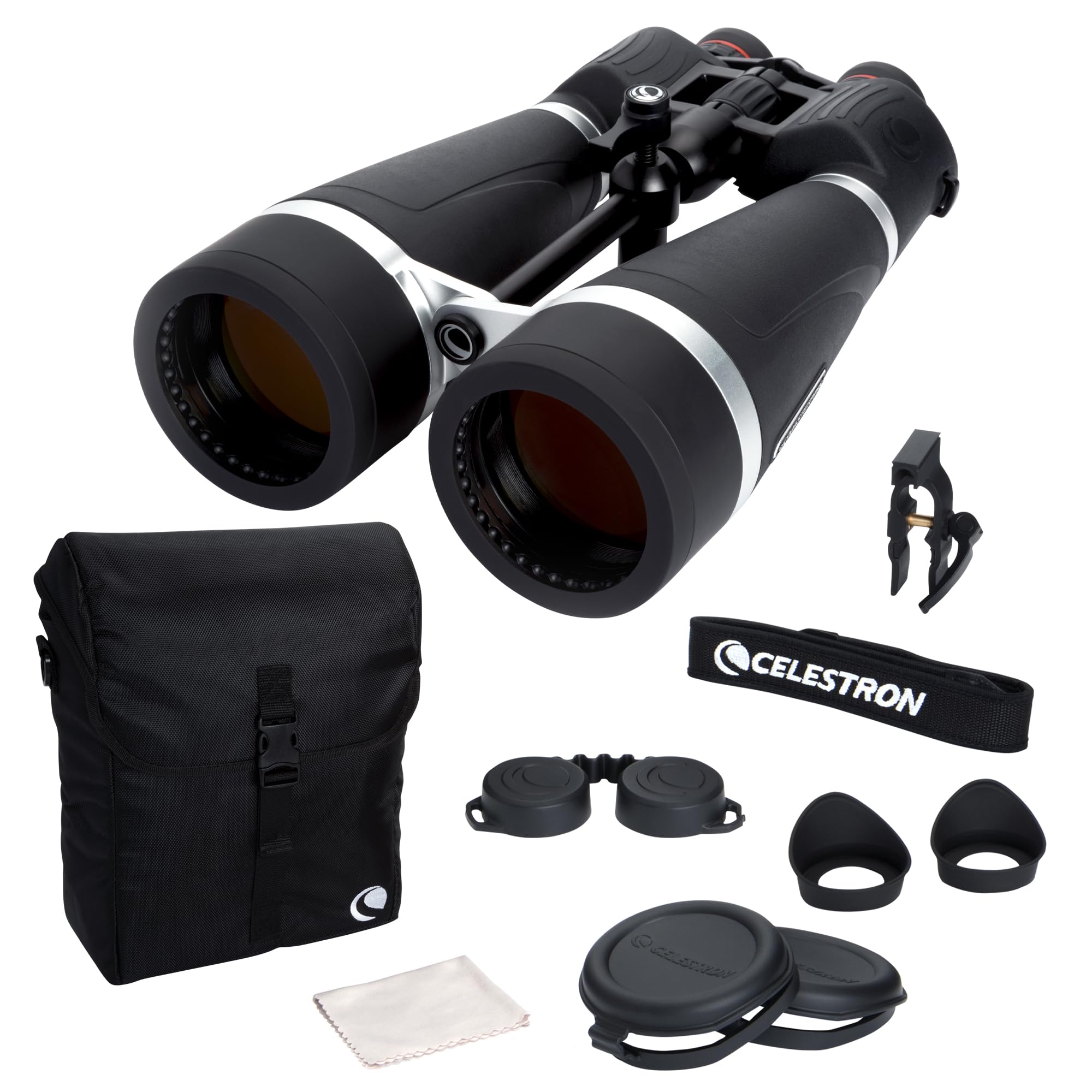
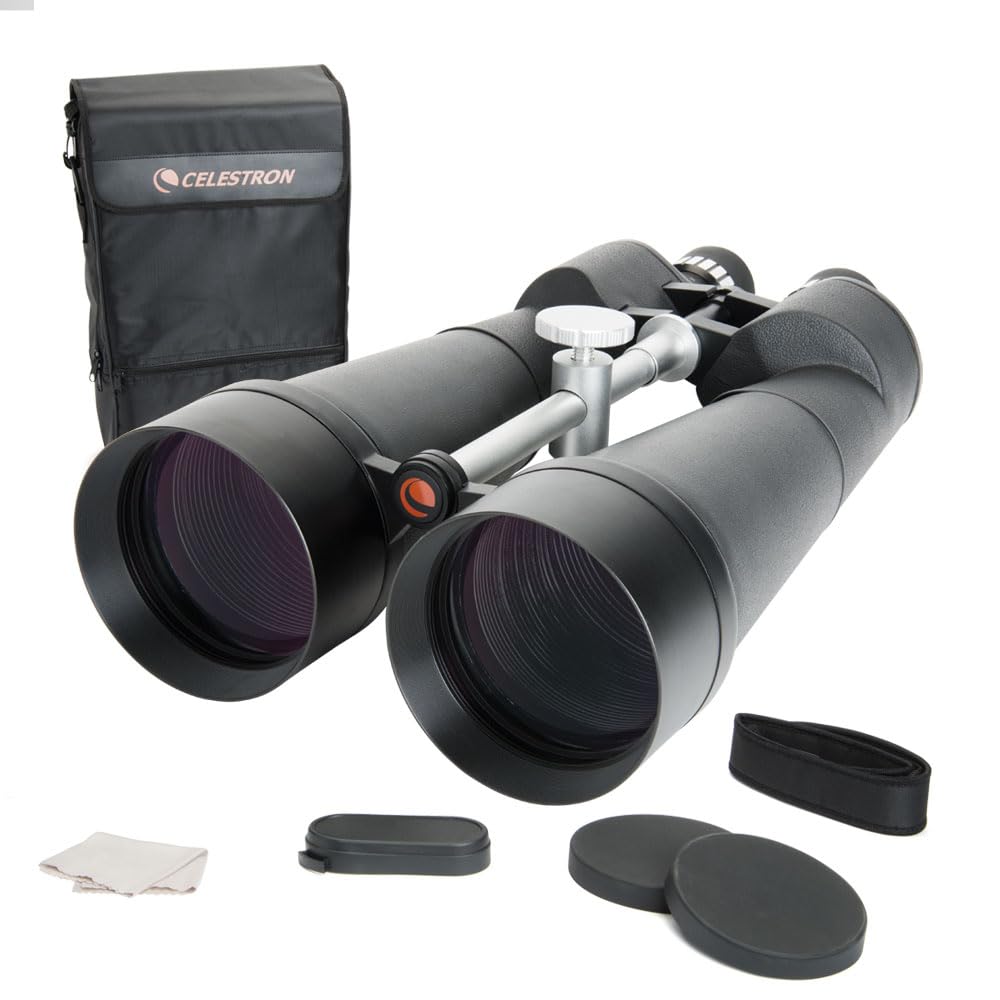

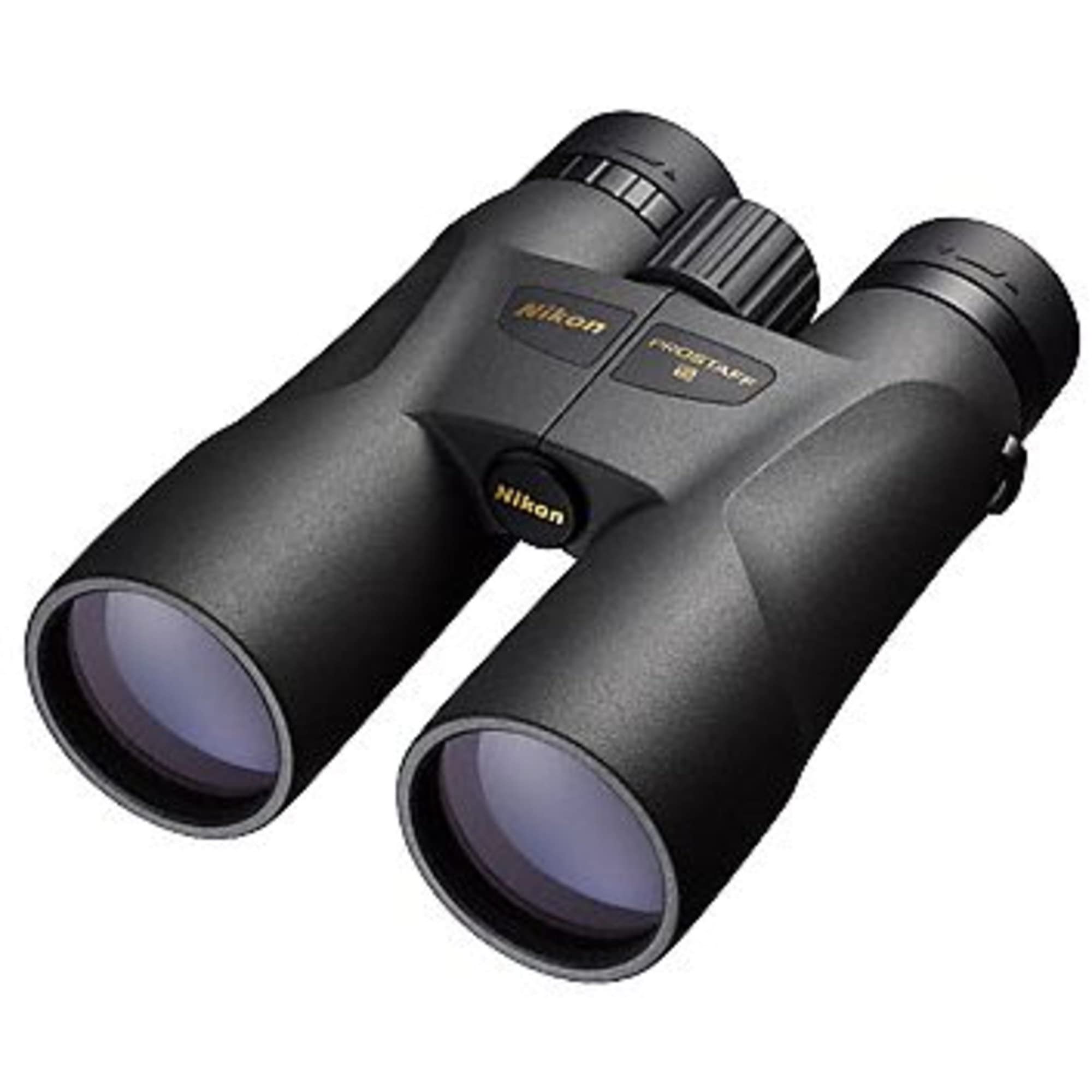


Who Should Buy Which Binoculars for Night Skies?
Match the binocular to the observing you repeat most often. For dedicated astronomy models, see our guide to the best space binoculars.
Backyard Watchers of the Moon and Bright Planets
You step out for twenty minutes and want craters, the moons of Jupiter and the rings of Saturn to look crisp without fuss. A 10x50 pair suits you, since it is light enough to hold steady and strong enough to show real detail. Choose a smooth center focus wheel, since you will refocus often.
Hunters of Clusters, Comets and the Milky Way
You drive to darker ground or wait for moonless weekends, and your targets are faint and spread out. Light gathering matters more than high power, so look at 7x50 or 10x50 models with a wide field, or step up to 15x70 on a mount. Strong coatings help, because faint objects lose contrast from stray light.
Patient Observers Who Plan Long Sessions on a Mount
You settle into a reclined chair for an hour, working through lists of double stars and nebulae. A 15x70 or 20x80 pair on a tripod or parallelogram mount gives you the reach and calm view you want. Once a mount carries the weight, your money can go into lens size and glass quality.
What Each Price Tier Buys for Night Sky Viewing
Price tiers here track lens size and optical quality more than gadgets. For general models, see our guide to the best binoculars for viewing.
Budget Tier: Honest Glass for Bright Targets
Expect to pay about $50 to $100. You usually get a 10x50 Porro prism design with basic coatings and a soft case. The Moon, planets and bright clusters look pleasing, but edge sharpness is modest and faint objects look dim. This tier suits a curious first purchase.
Mid Tier: Brighter Views and Stronger Builds
Expect to pay about $100 to $300. Fully multi coated lenses, BaK 4 prisms and sealed, fog proof barrels become common here. Views gain contrast and stars stay sharp further from the center. Most regular observers land in this tier, because the jump in quality is easy to see at once.
Premium Tier: Large Apertures and Refined Optics
Expect to pay about $300 to $800. Your money buys 70 mm or 80 mm front lenses, better corrected glass and sturdy metal focus parts for mounted use. Faint nebulae show more structure and tight double stars split more cleanly. This tier pays off only if you observe often and own a suitable mount.
Key Features to Compare
Compare these factors in order, so price cannot hide small lenses or weak coatings.
Objective Lens Size and Light Gathering
The second number in a specification such as 10x50 is the diameter of each front lens in millimeters, and it controls how much light the binocular collects. More light means fainter stars become visible, even under suburban skies. A 50 mm lens is the practical starting point. Larger 70 mm and 80 mm lenses gather far more light, but their weight calls for a mount.
Magnification, Exit Pupil and Image Brightness
The first number is magnification, and dividing lens size by magnification gives the exit pupil, the width of the light beam reaching your eye. A 7x50 gives about 7 mm, a 10x50 gives 5 mm and a 15x70 gives about 4.7 mm. Higher power also magnifies shake, so steadiness decides how much you see.
Prism Glass and Lens Coatings
Porro prism designs dominate this category because they deliver strong light transmission at fair prices. BaK 4 prism glass passes light more cleanly than BK 7 glass, which can clip the beam and dim the view. Coatings matter just as much, since each uncoated surface reflects light away. Look for fully multi coated optics, because faint targets punish glare.
Field of View for Finding and Following Targets
Field of view tells you how wide a slice of sky you see at once, often stated in degrees. Around 6 to 7 degrees makes star hopping calm work, while a narrow field turns finding a cluster into a chore. A wide field also frames whole constellations beautifully. It helps if the binocular doubles for daytime scanning, covered in our guide to the best binoculars for viewing wildlife.
Eye Relief, Focus and Fit for Your Eyes
Eye relief is the distance your eye can sit from the eyepiece while still seeing the full field, and glasses wearers generally need about 15 mm or more. Twist up eyecups help set that distance and block side light. A center focus wheel with a diopter lets you balance both eyes once, then focus both barrels together.
Weight, Balance and Tripod Mounting
A 10x50 pair often weighs about 1.5 to 2 pounds, while a 15x70 can weigh about 3 to 4 pounds, and weight at arms length feels far heavier after ten minutes. Check for a threaded socket for a tripod adapter between the barrels. Mounting even a mid size pair transforms the view.
How to Set Up Binoculars for a Night of Space Viewing
Good setup takes five quiet minutes. Set the barrel spacing until the two circles merge into one round view. Then focus on a bright star, first with the center wheel for one eye, then with the diopter ring for the other. Many buyers searching for the best binoculars for space viewing skip this and blame the glass for a soft image that was really a focus error.
Support your body before you support the binocular. A reclined chair with braced elbows, or a tripod set so you look up without straining your neck, keeps the view still. Give your eyes about 20 to 30 minutes to adapt to darkness, and let the binocular cool first.
Common Mistakes to Avoid
- Choosing very high magnification for hand held use leaves the view shaking until detail disappears.
- Buying 20x80 binoculars without a mount leads to sore arms and very short sessions.
- Ignoring exit pupil size can leave older observers with a dim image from large lenses.
- Judging optics in a bright store hides weak coatings that wash out faint targets at night.
- Cleaning lenses with a shirt sleeve grinds dust across the coating and leaves scratches.
- Storing binoculars in a hot car trunk warps seals and invites internal fogging later.
Care and Maintenance for Astronomy Binoculars
Keep the lens caps on whenever the binocular rests, and store it in its case in a cool, dry room. Blow dust off the glass with a squeeze blower before wiping, then use a clean microfiber cloth with a little lens fluid only when a smudge blocks the view. Wipe in gentle circles and never press hard.
Check alignment now and then on a distant straight edge. If the image doubles or your eyes ache after short sessions, the barrels may be out of collimation, and that repair belongs with a professional service. Dry a damp case open overnight, because trapped moisture can grow mildew.
FAQ
What features matter most in binoculars for space viewing?
Light gathering, coatings and steadiness matter most in binoculars for space viewing. One point buyers often miss is sky quality, since a modest 10x50 under dark rural skies can show fainter objects than a large premium pair under street lighting. If your yard is bright, spend part of your budget on trips to darker ground.
Which specifications should beginners check first in binoculars for space viewing?
Beginners should check lens size, exit pupil and weight first in binoculars for space viewing. Keep a chart or star app beside you on your first nights, because knowing where a target sits matters more than any specification. A simple 10x50 you can hold calmly teaches the sky faster than a larger pair you struggle to aim.
How much should you spend on your first binoculars for space viewing?
Spend about $100 to $300 on your first binoculars for space viewing if you can. That range buys coatings and prism glass that stay satisfying after the novelty fades. Reserve part of the budget for a tripod adapter, because steadiness decides how often it leaves its case.
Which binocular size works better in low light for space viewing?
A 7x50 or 10x50 works better in low light for most space viewing, thanks to a generous exit pupil. At a dark site, some observers prefer the 7x50 for sweeping views of the Milky Way even though its power is lower. Your own pupil size at night, which shrinks with age, often decides which looks brightest.
What does 10x50 mean on binoculars for space viewing?
On binoculars for space viewing, 10x50 means ten times magnification through 50 mm front lenses. A useful store check is to hold the pair at arms length toward a bright doorway and look at the discs of light behind the eyepieces. Round, even discs suggest the prisms pass the full beam, while clipped discs hint at lost light.
Is a smartphone camera enough instead of binoculars for space viewing?
No, a smartphone camera is not enough instead of binoculars for space viewing. Phone zoom crops a small sensor image and turns grainy, and you view a flat screen rather than the sky itself. Binoculars feed both eyes at once, which makes star fields feel deeper. Keep the phone as a star chart.
Our Verdict
Put your money in this order: enough lens size, honest coatings and prism glass, then a way to hold the binocular steady. Most readers should start in the mid tier with a 10x50. Compare finalists in the product table above.
Chosen with those priorities, the best binoculars for space viewing will show you craters, clusters and glowing star fields on any clear night.


