
The Best Binoculars for Skywatching in 2026: Buying Guide and How to Choose
Disclosure: We may earn a commission when you buy through links on this page, at no extra cost to you. As an Amazon Associate I earn from qualifying purchases. Learn more

Learn how to choose binoculars for skywatching, comparing aperture, magnification, exit pupil, eye relief, weight and tripod needs for night sky views.
The night sky rewards patience, but the wrong binoculars can make bright stars look dim and steady targets swim in the eyepieces. The best binoculars for skywatching gather plenty of light, stay steady in your hands and show a wide enough view to find what you are looking for. This guide explains each choice so you can use the comparison table below with confidence.
Start with how and where you watch. A backyard viewer may prize a large lens and a tripod mount, while a camper may accept a smaller lens in exchange for a lighter carry. The sections below match those habits to magnification, lens size, weight and price.


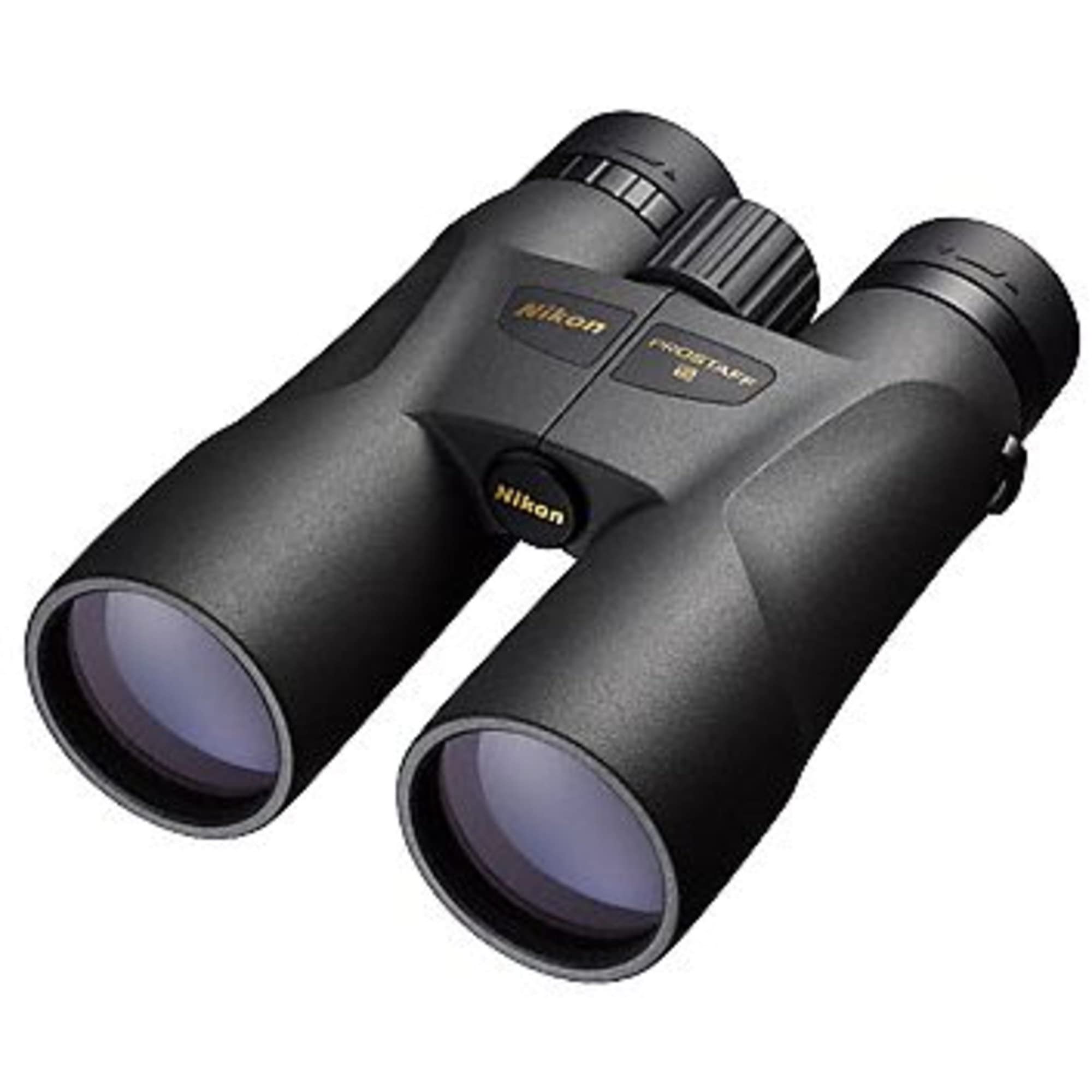


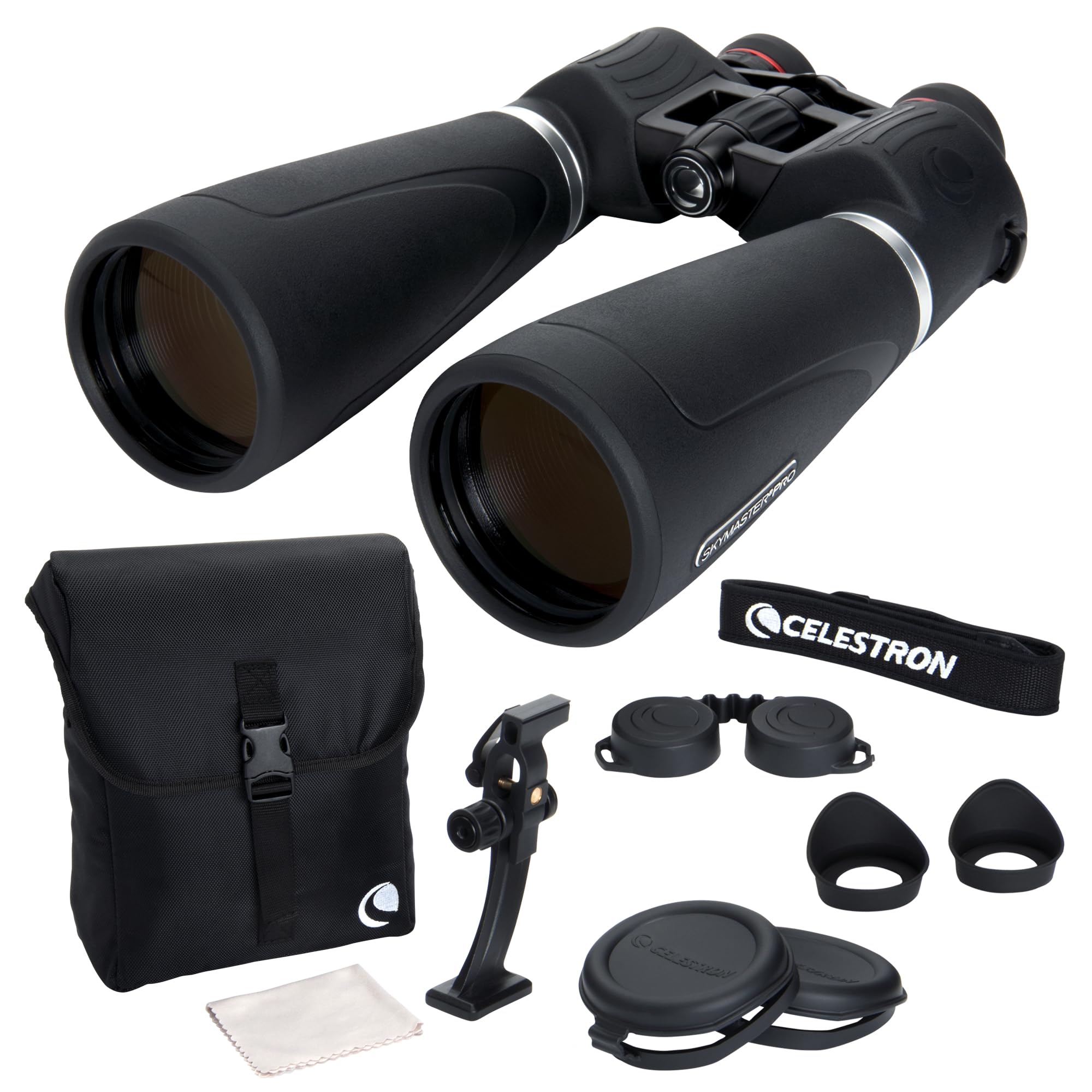


Who Should Buy Which Skywatching Binoculars?
Pick for the targets you return to most often and the place you watch from. A pair that delights a Moon watcher on a patio may frustrate a traveler chasing dark skies far from town.
Moon and Planet Watchers on a Patio or Balcony
You watch from home, often for short sessions, and return to the Moon, Jupiter and Saturn again and again. Choose a 10x50 pair for a closer view of lunar craters and the moons of Jupiter, and keep a simple tripod nearby for longer looks. At home, comfort and steadiness matter more than packed size.
Star Cluster and Milky Way Sweepers
You scan broad fields for open clusters, nebulae and the bright band of the Milky Way, often from a yard or a rural field. Choose a 7x50 or 10x50 pair with a wide field of view, because sweeping is easier when more stars stay in view at once.
Campers and Travelers Chasing Dark Skies
You carry your gear in a car or a pack and watch where light pollution is low. Choose an 8x42 or 10x42 pair that weighs less and packs smaller, and accept that faint objects will look a little dimmer than through a 50 mm lens.
Key Features to Compare
Compare these factors in order, because aperture and steadiness decide what you can see first. For a general starting point, see our guide to the best rated binoculars and then apply the night sky tests below.
Magnification and Handheld Steadiness
Magnification tells you how many times closer an object appears, so 10x makes the Moon look ten times larger than with the naked eye. For handheld watching, 7x and 10x are the practical choices, because higher power magnifies hand shake along with the target and makes the view swim. If you crave 15x or more for closer lunar detail, plan on a tripod from the start.
Objective Lens Size and Light Gathering
The objective lens is the large front lens, and its diameter in millimeters is the second number in names like 10x50. A larger lens gathers more light, so faint stars, clusters and nebulae show with better contrast. A 50 mm lens is the sweet spot for handheld use, while 42 mm suits travel and 70 mm or more belongs on a tripod. Choose the largest lens you will carry willingly.
Exit Pupil and Brightness at Night
The exit pupil is the width of the light beam that leaves each eyepiece, found by dividing lens size by magnification. A 7x50 pair gives about 7 mm and a 10x50 pair gives about 5 mm. After dark your own pupils widen, often to about 5 to 7 mm when young and less as you age, so a beam near that size gives a bright image.
Field of View for Finding Your Target
Field of view is how wide a slice of sky you see at once, stated in degrees. Skywatching pairs commonly show about 5 to 8 degrees, and the wider end makes finding targets easier, because you can start from a bright star and sweep toward a faint cluster without losing your place. A printed sky chart marked in degrees helps you judge how far to sweep between guide stars.
Prisms, Glass Coatings and Contrast
Prisms inside the body fold the light path so the binoculars stay short. Porro prism designs are common in sky pairs and often give strong contrast for the price, while roof prism designs pack slimmer and usually cost more for equal clarity. Look for fully multi coated optics, meaning coatings on the glass surfaces that cut reflections and lift contrast against a dark sky.
Eye Relief, Focus and Fit for Your Eyes
Eye relief is the distance your eye can sit from the eyepiece and still see the full field, and glasses wearers usually need about 15 to 20 mm with the eye cups folded down. A smooth center focus wheel sharpens both eyes together, while a diopter dial on one eyepiece balances a difference between your eyes. Check that the barrels adjust to your interpupillary distance, commonly about 56 to 72 mm, so the two circles merge into one image.
Types of Binoculars for Night Sky Use
There is no single size that defines the best binoculars for skywatching, and the three groups below divide by how you hold and carry them. Match the group to your watching place first, then refine the exact size.
Standard Handheld Pairs in 7x50 and 10x50
These are the default choice for most buyers, with enough aperture for clusters and bright nebulae and low enough power to hold by hand. If you also watch wildlife by day, see our guide to the best binoculars for birdwatching, because the same sizes often serve both hobbies well.
Giant Binoculars in 15x70, 20x80 and Larger
Giant pairs gather far more light and show fainter objects, but they weigh several pounds and shake badly without support, so a tripod and a mounting adapter are part of the real cost. They suit a fixed home spot where you can leave the tripod set up, and they reward you with closer views of the Moon and tighter clusters.
Compact Pairs for Travel and Spare Use
Compact binoculars with lenses of about 25 to 42 mm fit a jacket pocket or a small day pack and are easy to bring on any trip. Their smaller lenses show fewer faint stars, so treat them as a travel or spare pair rather than your main sky tool. To compare smaller options, see our guide to the best rated compact binoculars.
Common Mistakes to Avoid
These errors are common in first purchases and easy to dodge once you know them.
- Choosing 20x power for handheld use makes hand shake so large that faint targets blur and vanish.
- Buying a tiny travel pair as your only sky tool leaves clusters and nebulae too dim to enjoy.
- Ignoring eye relief if you wear glasses cuts away the edge of the field you paid for.
- Skipping a tripod adapter for a giant pair forces you to hold heavy binoculars until your arms shake.
- Watching beside bright porch lights ruins your night vision and washes out faint stars for many minutes.
Care and Maintenance for Skywatching Binoculars
Night use brings dew, cold and dust, so simple habits protect the glass. Keep the lens caps on while the binoculars cool outdoors, and use a soft lens cloth or a blower for dust rather than a shirt, which can drag grit across a coating. If dew forms, let the pair dry open at room temperature before you close the case.
Store the binoculars in a dry padded case with the strap untangled. Check the hinge, eye cups and diopter dial now and then for looseness or grit, and wipe the body with a lightly damp cloth after dusty field nights.
Frequently Asked Questions About Skywatching Binoculars
What does 10x50 mean on skywatching binoculars?
On skywatching binoculars, 10x50 means 10 times magnification and objective lenses 50 mm wide. That pairing is popular because it balances reach, brightness and handheld weight in one size. A useful extra check is dusk use, so try the pair on a distant tree line at twilight and confirm that shadow detail stays clear before night sessions.
Do skywatching binoculars need a tripod?
Skywatching binoculars need a tripod once magnification reaches about 15x or weight makes your arms tire within minutes. Below that, a reclining chair, a fence rail or your elbows braced on a car roof can steady the view well enough. A simple extra is a tripod adapter that screws into the front hinge of many 50 mm pairs, which lets a handheld pair serve for long Moon sessions later.
Can skywatching binoculars show planets in detail?
Skywatching binoculars show planets as small bright discs, not as detailed worlds. You can see the four largest moons of Jupiter as tiny points and sometimes sense the oval shape of Saturn, but surface bands and rings need a telescope at far higher power. Binoculars also excel during a lunar eclipse, since the whole Moon stays framed as its color changes.
How much should a first pair of skywatching binoculars cost?
A first pair of skywatching binoculars usually costs about $80 to $250 for a solid 7x50 or 10x50 with decent coatings and a sturdy hinge. Spending more mainly buys clearer edges, better eye relief and smoother focus rather than a different class of view. Borrowing a pair for one clear weekend can confirm the right size before you spend.
Can skywatching binoculars be used in the daytime?
Yes, skywatching binoculars work well in the daytime for landscapes, boats and distant wildlife. The same large lenses that gather starlight give a bright daytime image, though a 7x50 pair is heavier than a typical daytime pair. One caution is unique to the Sun, since you must never point binoculars at the Sun without proper solar filters made for the front lenses.
Final Thoughts
For most readers, a 10x50 pair with good coatings, comfortable eye relief and a weight you can hold for ten minutes is the right place to start. Travelers can trade down to 42 mm, and home viewers with a tripod can trade up to a giant pair. Use the product table above to compare sizes and prices side by side.
When you choose best binoculars for skywatching by target, place and steadiness rather than by the highest power on the box, clear nights become easier and far more rewarding.


