
Best Binoculars for Shooting: A Complete Buying Guide for 2026
Disclosure: We may earn a commission when you buy through links on this page, at no extra cost to you. As an Amazon Associate I earn from qualifying purchases. Learn more

Choose binoculars for shooting with clear guidance on magnification, steadiness, reticles, exit pupil and price, for the range, the field and the spotter.
Reading a target at distance is a different job from scanning a hillside, and it asks different things of a binocular. You need enough power to see holes and hits, a steady image you can hold for minutes, and a focus wheel that works from a steady hold. This guide to the best binoculars for shooting explains the specs that matter, in the order most shooters should weigh them.
The comparison table below sums up the main classes and price bands. Below it you will find who each class suits, a full buying guide, the main types, setup tips and answers to common questions.





Who Should Buy Which Binoculars for Shooting
Range Shooters Reading Paper Targets
If your shooting happens on a marked range, your binocular lives on the bench and reads paper at known distances. Power and support matter more than a wide field of view here, and a 10x42 or 12x50 on a small tripod will show bullet holes that a lighter glass misses. Guides to the best binoculars for target shooting give the same advice for a reason: buy the power first, then the mount. Weather sealing is a bonus rather than a need, because this pair rarely leaves the shelter of the line.
Hunters Glassing Game Before the Shot
Hunters need a pair that finds game in cover, judges it fast and survives weather. An 8x42 or 10x42 with full waterproofing and a wide field of view covers most ground, from timber edges to open basins. Weight matters more on a stalk than on a bench, so hunters trade a little power for a pair they will actually carry all day. Dawn and dusk performance counts too, because legal light is short.
Spotters Calling Shots for a Partner
A spotter watches trace, splash and mirage and talks a shooter onto the target. That job rewards a steady, mounted image above all else, so spotters favor larger objectives on a tripod, with focus and diopter controls that stay put once set. Comfort over a long string matters more than raw power. A spotter who tires and blinks misses the one puff of dust that carries the correction, so an easy, restful view is a working tool here.
How to Choose: A Buying Guide for Shooting Binoculars
Five factors decide how a pair performs on the line: magnification, steadiness, the reticle question, low light output and handling. A general popularity score cannot tell you how a pair reads a target at 300 yards, so work through the specs below instead.
Magnification Decides the Detail You Can Read
Stated plainly, shooting work means reading a target at a range, and magnification is what turns a blur into information. A power class of about 10 to 12 governs the detail most shooters need: a 10x42 is the common all round choice, while a 12x50 reads small holes and distant steel more easily. Below 10x, hits on paper blend together past 100 yards, and above 12x the extra size is real but the shake grows with it, which the next section covers. When shooters ask what makes the best binoculars for shooting, this balance of power and steadiness is the honest answer.
Steadiness and Support for Long Looks
Every bit of hand shake grows with magnification, so a 12x image dances where a 10x image merely trembles. For a quick look, braced elbows and a strap pulled tight help more than any single feature. For long spotting sessions, support governs what you can see: a tripod adapter, a monopod or a bean bag rest turns a tiring hold into a stable one. If most of your glassing lasts minutes at a time, budget for the mount along with the binocular.
Reticle or Plain Glass
Most shooting binoculars are plain glass, and plain glass serves most shooters well. A reticle etched in one barrel adds reference marks that some spotters use to call corrections, and some hunters use one to judge range on unknown ground. The trade offs are cost, a little weight and a busier view when you only want to watch. If you shoot at known distances on a marked range, skip the reticle and put the money into glass quality, where it will show up in every single look.
Low Light and the Exit Pupil
Matches start early and hunting light fades fast, so dim light output earns its place on the list. The exit pupil is the objective size divided by the magnification: a 10x42 gives about 4.2 mm, while an 8x42 gives about 5.3 mm. A wider exit pupil looks brighter at dawn and is easier on the eye, because your pupil has room to move. Lens coatings decide how much light survives, so a fully multi coated 10x42 often beats a cheaply coated 10x50 once the sun drops.
Weight, Focus and Eye Relief
Long sessions punish a heavy pair, and neck strain shortens a spotter's attention. Look for a center focus wheel you can reach and turn with one finger, because you will adjust it constantly as distances change. Eye relief of about 15 mm or more lets glasses wearers see the full field without pressing the cups into their lenses. Twist up eye cups that hold their settings are worth having, since a collapsed cup quietly steals part of your view.
Types of Binoculars Used for Shooting
Full Size Binoculars
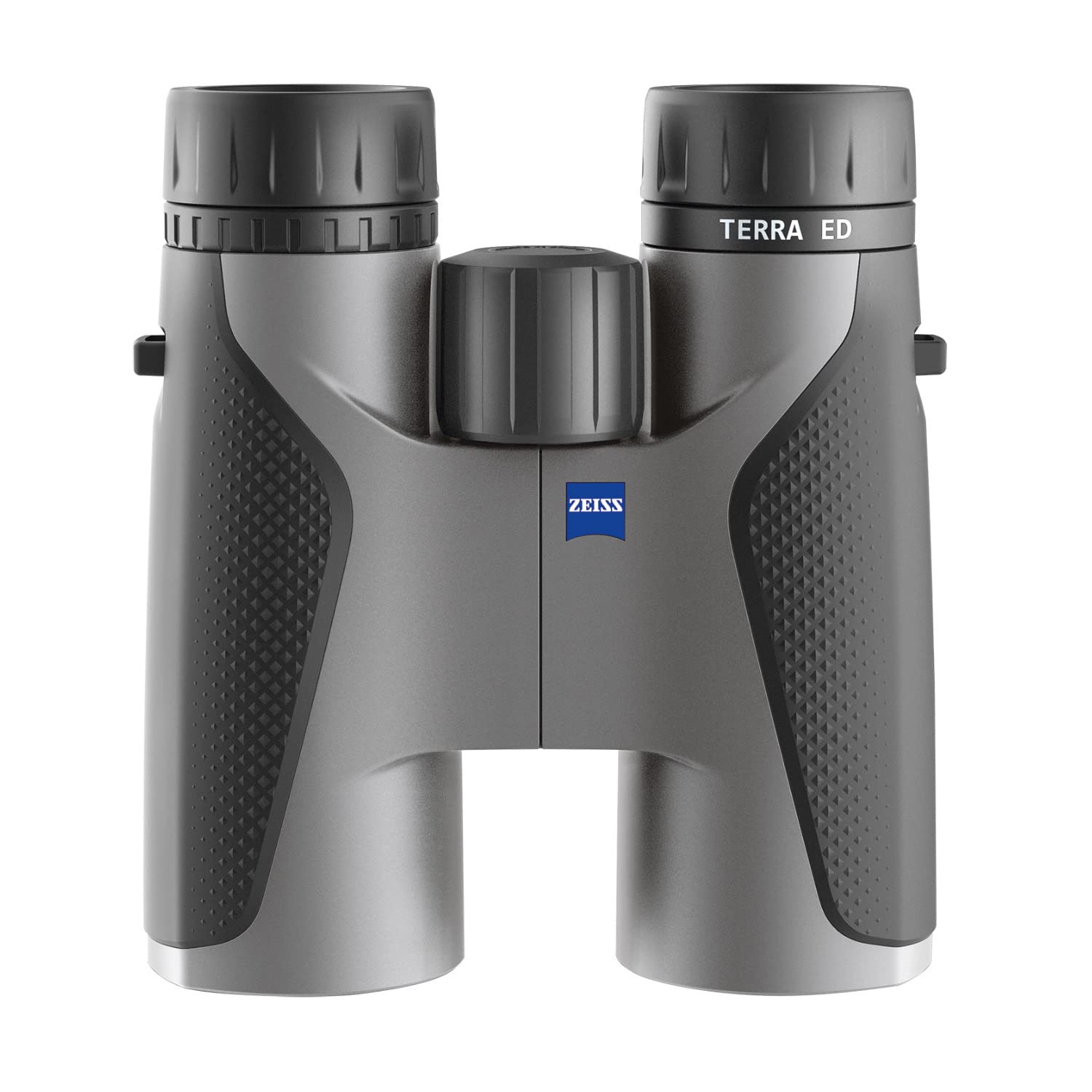
Full size pairs such as 10x42 and 12x50 are the default choice for serious range and spotting work. For shooting, the 10x and 12x versions of the family earn their keep. Expect to pay about $150 to $600 for a pair worth owning.
Compact Binoculars
Compacts in the 8x25 and 10x25 classes ride in a range bag and answer quick questions well. Their small objectives gather little light and their exit pupils are narrow, so they tire the eye during long sessions. For shooting, treat a compact as a second pair, never the main glass.
Rangefinding Binoculars
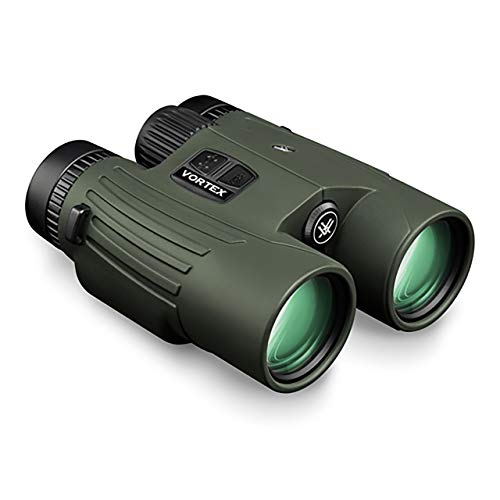
Rangefinding binoculars fold a laser rangefinder into the housing, so one tool measures the distance and shows the target. That pairing shines where distances are unknown, which is why hunters and steel shooters reading guides to the best binoculars for long range shooting meet this class first. The costs are real: more weight, more money, about $600 to $1,500 and up, and electronics that can fail when a plain glass never would. On a marked range the laser adds little.
Tips to Get the Most From Your Pair
- Set the diopter once for your eyes and note the mark, so a borrowed pair or a bumped ring takes seconds to correct.
- Clean the lenses with a lens cloth and a blower, never a shirt tail, because grit dragged across a coating leaves permanent marks.
- Store the pair in a dry, padded case with the caps on, away from the heat of a parked car.
- Use a chest harness on long days, since it spreads the weight and keeps the glass from swinging while you move.
- Write down your interpupillary setting, which makes sharing the pair with a partner fast.
Binoculars for Shooting: Your Questions Answered
What magnification do I need to see bullet holes at 100 yards?
A 10x binocular is the practical floor for reading bullet holes at 100 yards, and 12x makes the job easier on small calibers. One limit no price tier removes is heat shimmer: on a hot day, mirage boils over the target and caps the useful power, whatever the glass costs. Shooting early, while the ground is cool, often reveals more than a magnification upgrade would. A spotting scope still outreads any binocular here, but it gives up the two eyed comfort.
Are rangefinding binoculars worth it on a marked range?
Usually not, because a marked range hands you the distance for free on every firing point sign. The laser earns its price where distances are unknown, such as field matches and hunting ground. Money saved by skipping it buys things a range shooter uses daily, like a solid tripod adapter and a better harness. If you later move into field shooting, the plain pair still serves as a backup, so the purchase is rarely wasted.
Can one pair of binoculars serve both the range and hunting season?
Yes, if the pair is sealed and fog proof, a 10x42 crosses over cleanly between bench and field. Choose subdued colors rather than a glossy finish, and the same glass will not flare game at first light. Swap the bench tripod for a chest harness and the setup changes in a minute. The only real conflict is power: hunters who walk far may prefer 8x for the wider field, so weigh your season against your range days honestly.
Why does a 12x image shake more than a 10x image?
Magnification enlarges everything in the view, including the small movements of your hands, so a 12x image shows about a fifth more shake than a 10x from the same hold. Your heartbeat and breathing add to it, which is why bracing matters more as power climbs. Image stabilized models cancel much of this shake, but they cost far more and run on batteries. For most shooters, a rest or a tripod solves the problem at a fraction of the price.
How far can a 10x42 binocular read a target clearly?
It depends on the target more than the glass: a 10x42 reads hits on white steel at several hundred yards, while small holes in black paper fade much closer in. Contrast does the heavy lifting, so a pale backer card behind dark paper extends the readable distance for free. Light angle matters too, since a target lit from behind hides its holes in shadow. Judge any pair by the targets you actually shoot, not by a number on a box.
Final Thoughts
Power, steadiness and honest glass decide a shooting binocular. Match the class to your shooting: a mounted 12x50 for the bench, a sealed 10x42 for the field, a compact only as a spare. Compare the classes in the product table above, weigh them against how you shoot, and the best binoculars for shooting for your line will be the pair whose image you can hold still.


