
Best Binoculars for Seniors: A Buyer Checklist for 2026
Disclosure: We may earn a commission when you buy through links on this page, at no extra cost to you. As an Amazon Associate I earn from qualifying purchases. Learn more

Choose the best binoculars for seniors with a clear checklist on weight, eye relief, magnification and grip, plus care tips and mistakes to avoid.
Finding the best binoculars for seniors is less about maximum power and more about comfort you can hold steady for ten minutes at a time. A pair that feels clear in a store can still tire your eyes, strain your neck, or blur when your hands move. This guide uses a checklist built around senior needs, so you can compare pairs in the comparison table below.
Work through the checklist in order. Start with magnification and weight, then check eye relief if you wear glasses, and finish with the focus wheel and grip. A pair that passes all four tests will usually beat a stronger pair that fails one.




Who Should Buy Binoculars for Senior Viewing?
Garden and Backyard Watchers Who Wear Glasses
You watch feeders and visiting birds from a porch or kitchen window, often while wearing glasses. You need generous eye relief so your glasses do not shrink the view into a narrow circle, plus eyecups that twist down flat. An 8x pair is plenty at feeder distance, and a wide view helps you find a moving bird fast.
Travelers Who Need Light Weight and Low Neck Strain
You carry binoculars on coach tours, cruises, and stadium trips, so every ounce matters across a full day. A compact or mid size pair around 12 to 20 ounces hangs comfortably, while a heavy pair often ends up left in the hotel room.
Birders and Walkers With Unsteady Hands
You enjoy longer walks and want to follow birds in flight, but a slight tremor makes high power views swim and shake. Staying at 8x keeps the image calmer, and a broad field of view makes tracking easier. For more reach for shorebirds, see our guide to the best binoculars for birdwatching before choosing 10x.
Key Features to Compare
Magnification and Hand Steadiness for Seniors
Magnification tells you how much closer a subject appears, so 8x makes a bird look eight times closer than with your eyes alone. Higher power also magnifies hand movement, which is why 10x often looks worse for senior viewers with any tremor. Start at 8x, and move to 10x only if you can brace your elbows on a railing or car window. Power you cannot hold steady shows less detail, not more.
Eye Relief and Eyecups for Glasses Wearers
Eye relief is the distance your eye can sit behind the eyepiece while still seeing the whole picture, measured in millimeters. Glasses wearers should look for about 15 to 20 mm, with eyecups that twist or fold down so glasses sit close enough. Without glasses, extend the cups to hold that distance. Sudden vision changes, eye pain, flashes of light, or double vision need prompt medical care rather than new eyewear, so talk with your clinician about your personal vision needs.
Objective Lens Size, Exit Pupil, and Brightness at Dusk
The second number in a label such as 8x42 is the objective lens diameter in millimeters, and larger front lenses gather more light. Divide it by the magnification to get the exit pupil, so 8x42 gives about 5.25 mm, comfortable at dawn and dusk, while 10x42 gives about 4.2 mm and looks dimmer in shade. Most senior buyers do well with 32 to 42 mm lenses, and our guide to the best rated binoculars compares brightness further.
Field of View and Close Focus Distance
Field of view is the width of the scene you can see at 1,000 yards, and a wider view makes it far easier to locate a bird you spotted moments before. Look for roughly 300 feet or more at 1,000 yards in an 8x pair. Close focus is the nearest distance the pair can sharpen, and about 6 to 8 feet or less suits garden viewing.
Focus Wheel, Diopter, and Grip for Limited Hand Strength
The central focus wheel should be large, lightly textured, and easy to turn with one or two fingers, because stiff wheels punish arthritic joints. Test it while wearing your usual gloves if you view in cold weather. The diopter ring on one eyepiece corrects the difference between your two eyes, and it should turn smoothly yet hold its setting. Rubber armor with shallow ridges gives a secure hold without a hard squeeze.
Weight, Balance, and Weather Protection
Weight matters more with each added minute, so most senior viewers do best with a pair under about 25 ounces that balances in the middle rather than pulling at the front lenses. Waterproof seals keep out rain, and nitrogen filled barrels resist fog when you step from a cool house into warm air. Fully multi coated glass passes more light and cuts glare. Hold any candidate at eye level for a minute before deciding.
Three Types of Binoculars Seniors Compare Most Often
That balance is why the best binoculars for seniors are rarely the most powerful pair on the shelf. The three types below cover nearly every senior use, each trading size, brightness, and stability differently.
Compact Binoculars for Short Outings
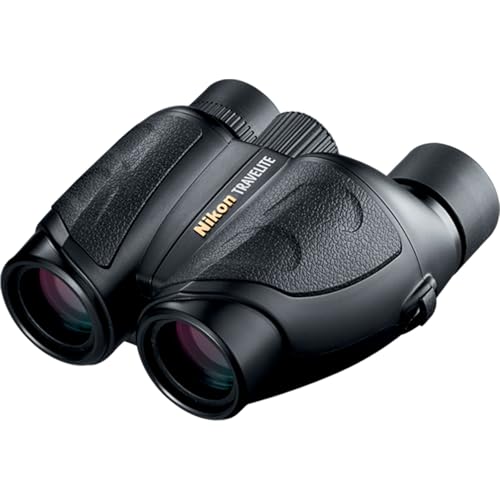
Compact pairs such as 8x25 fold small, weigh very little, and suit theater seats, short walks, and a coat pocket. Their small lenses look dimmer at dusk and their view is narrower, but low weight wins on travel days. If pocket size matters most, see our guide to the best rated compact binoculars.
Full Size Binoculars for Garden and Stadium Use
Full size pairs such as 8x42 give the brightest and widest view of the three types, and larger bodies are easier to grip with both hands. They suit porch watching, nature reserves, and sports from a fixed seat. The trade is weight, so this type works best when you view from one spot.
Stabilized Binoculars for Noticeable Hand Tremor
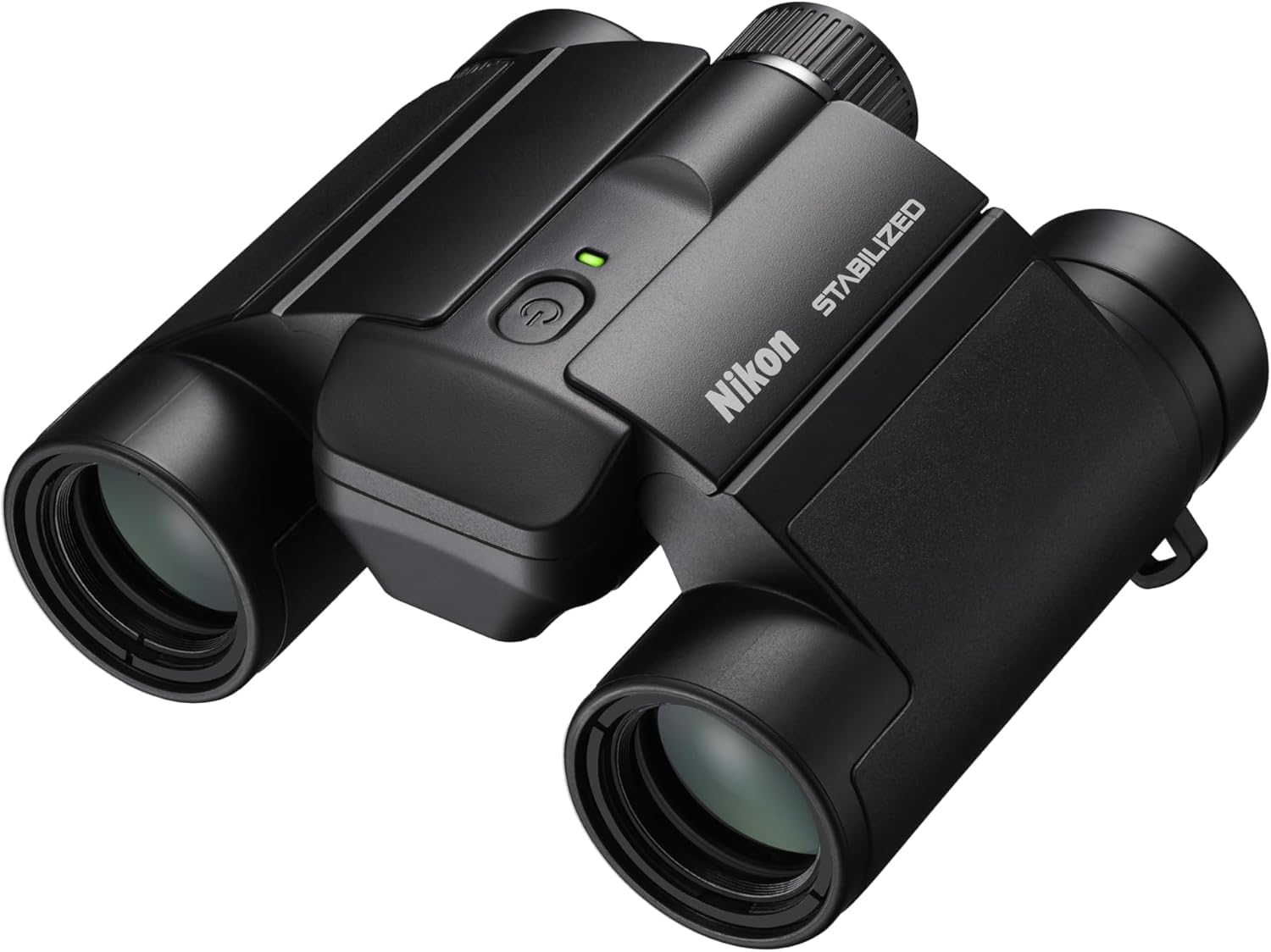
Stabilized binoculars use an internal system to calm small hand movements, making 10x or 12x usable when your hands shake too much for standard pairs. They cost more, run on batteries, and weigh more than similar standard pairs. Choose this type when tremor, rather than eyesight, is the main limit on your view, and you mostly view while seated.
Before you order, run this quick checklist and count your yes answers. Six yes answers mean the pair fits your needs.
- Can you hold the pair steady for one minute without sore arms?
- Can you see the full round view while wearing your glasses?
- Does the focus wheel turn easily with one finger?
- Does the diopter ring stay where you set it?
- Does the weight feel fine on its strap?
- Can you focus on a flower about 6 feet away?
Common Mistakes to Avoid
- Choosing 10x or 12x for extra reach, because magnified shake makes fine detail harder to see.
- Buying a heavy full size pair for travel, because neck strain leads owners to leave it behind.
- Ignoring eye relief while wearing glasses, because short eye relief cuts the view into a small circle.
- Picking a stiff focus wheel, because sore fingers shorten every viewing session.
- Trusting huge magnification claims on cheap pairs, because weak optics produce a dim and blurry image.
How to Make Your Pair of Binoculars Last Longer
Clean the lenses only with a soft lens cloth or lens tissue, never with a shirt sleeve or paper towel, because grit trapped in fabric can scratch the coatings. Blow loose dust off first, then wipe in small circles from the center outward. Keep the caps on when the pair is not in use, and store it in its padded case in a dry room rather than a hot car trunk.
Check the strap and its attachment points every few months, since a worn strap only reveals its risk in a fall. After a rainy outing, leave the case open indoors overnight so everything dries. Never open the barrels or adjust internal screws yourself, because the sealed alignment is delicate, and a repair shop should handle any double image or loose part.
FAQ
What makes binoculars for senior users different from standard binoculars?
Binoculars for senior users differ mainly in comfort controls rather than in basic optics. They favor lower magnification for steadier views, longer eye relief for glasses, larger focus wheels for weaker grip strength, and lighter bodies for longer sessions. Many also use high contrast coatings that help aging eyes separate a brown bird from brown branches.
What does 8x42 or 10x42 mean on binoculars?
The label 8x42 or 10x42 means the first number is magnification and the second is the front lens size in millimeters. One detail many buyers miss is that both pairs share the same lens size, so the 8x version spreads that light over a wider and brighter view.
How much should senior buyers spend on a first pair of binoculars?
Senior buyers can expect a solid first pair at about $80 to $250, with usable basic pairs under $100 for garden use. Spending more within that range buys clearer edges, better coatings, and smoother focus wheels rather than more power. Keep a little aside for a comfortable strap if your neck is sensitive. Pairs under about $40 often have alignment problems that tire your eyes.
Which binocular specs matter most for senior beginners?
The specs that matter most for senior beginners are magnification, eye relief, weight, and focus wheel feel, in that order. One practical test beats any spec sheet. Focus on a printed sign across the store, then lower and raise the binoculars three times and see how fast you find focus again. Fast focusing matters daily, while small coating differences only show at dawn.
Is a smartphone enough instead of binoculars for senior viewers?
A smartphone is not enough instead of binoculars for most senior viewing, because digital zoom enlarges pixels rather than gathering more light and detail. A phone screen also washes out in bright sun and drains its battery quickly at full brightness. Phones do win for sharing, since you can send a photo of a rare bird to family at once. Many viewers carry both.
The Bottom Line
Start with 8x power, generous eye relief, and a weight your arms and neck accept, then confirm the focus wheel feels easy in your hands. Match the type to your day, compact for travel, full size for the garden, and stabilized if tremor limits you. Compare your finalists in the product table above, and you will land on the best binoculars for seniors for the way you view.


