
Best Binoculars for Scouting Ducks: 2026 Checklist for Marsh Scouting
Disclosure: We may earn a commission when you buy through links on this page, at no extra cost to you. As an Amazon Associate I earn from qualifying purchases. Learn more

Compare binoculars for scouting ducks with a clear checklist on magnification, field of view, dawn light glass, sealing, and carry comfort for marsh use.
Scouting ducks is patient watching from a distance, reading where birds feed and rest so you can plan a hunt without pushing them off a spot. The best binoculars for scouting ducks help you do that work before shooting light, across wide water, in cold damp air. This guide uses a simple checklist, so you can judge any pair against the conditions you actually scout in.
Start with the jobs you do most, such as counting rafts on open water, checking a flooded field edge, or confirming species before deciding where to set up. Then match each point to those jobs and compare your shortlist in the comparison table below.

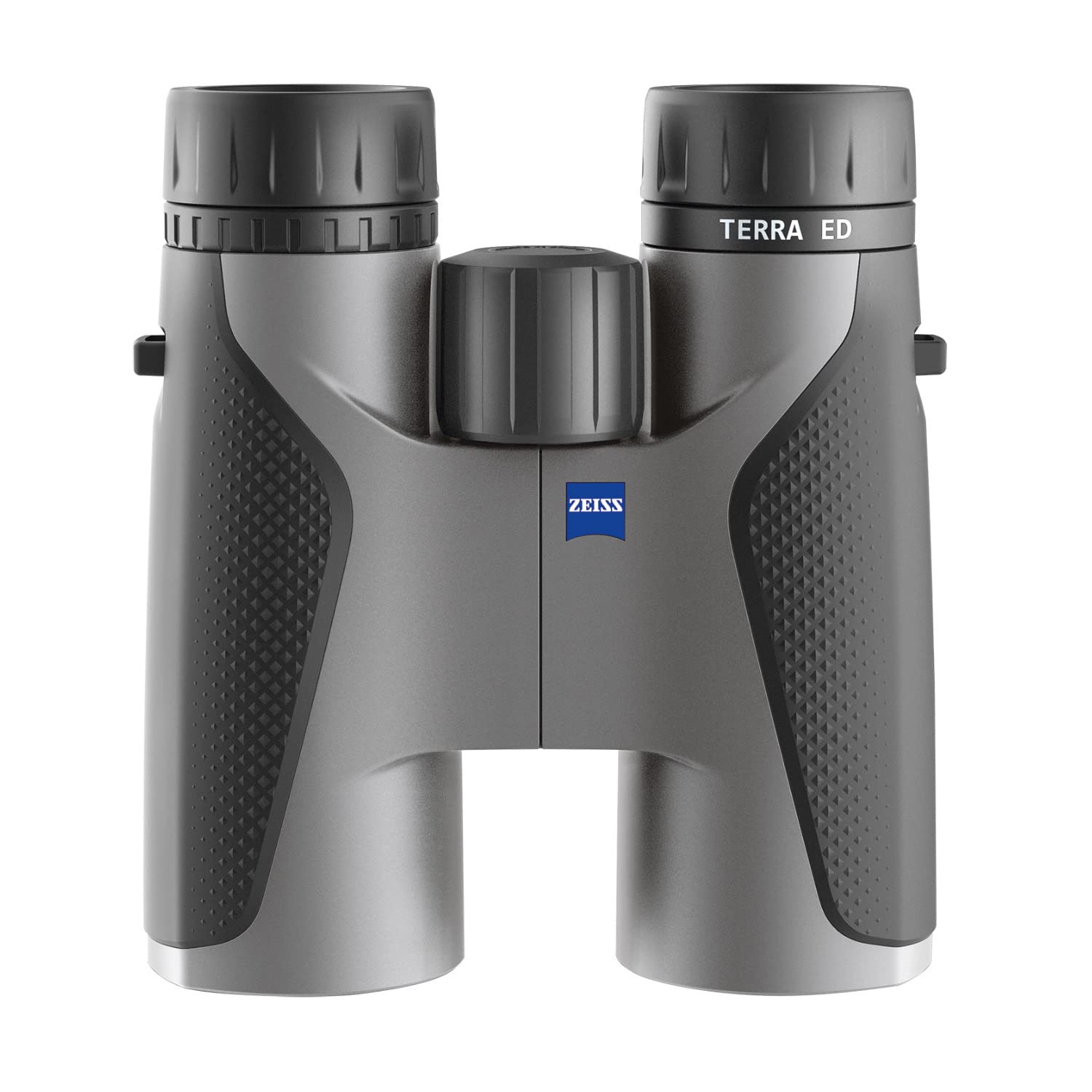


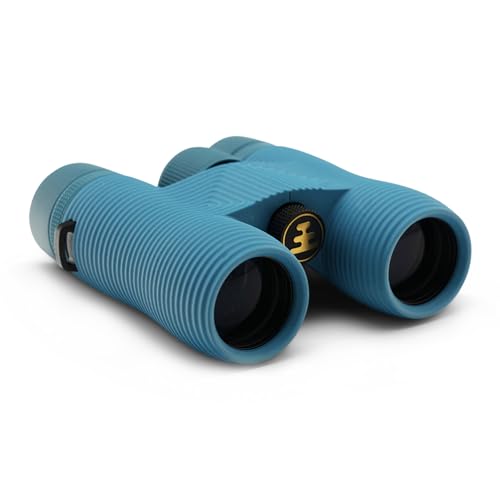
Who Should Buy Which Binoculars for Scouting Ducks?
Marsh Hunters Watching Open Water from Levees
If you scout from a levee, a dike road, or a refuge edge, your birds are often hundreds of yards out in flat dawn light. A 10x42 pair suits this work, since the extra power helps you separate species and spot the green head of a drake mallard in a mixed raft. You glass from a steady rest, so extra size costs little. Prioritize a bright image and a smooth focus wheel.
Walk In Hunters Covering Ponds and Field Edges
If your scouting means walking miles between small waters, checking each one briefly before moving on, an 8x42 pair is usually the kinder choice. The wider view helps you sweep a pond edge and catch birds flushing from cover at the edge of the image. Weight matters more for you, since the binoculars ride on your chest for hours beside waders and a pack. Choose a compact body.
Timber Hunters Glassing Short Lanes
Flooded timber, creek bends, and small beaver ponds give you short sight lines and birds that appear close and fast. A wide field of view matters more than raw power here, and an 8x or smaller 8x32 feels quicker on target. Light under the canopy runs dim, so coatings and exit pupil deserve extra weight in your decision. A short minimum focus distance helps when ducks feed on a near bank.
Key Features to Compare
Magnification and Field of View for Finding Rafts
Magnification tells you how much closer a bird appears, while field of view tells you how much water you see at once, measured in feet at 1,000 yards. An 8x pair often shows about 340 to 420 feet at that distance, while a 10x pair narrows to roughly 300 to 360 feet. The wider 8x view makes rafts easier to find and follow as birds drop in. Choose 10x for long distances when you can rest the glass on a knee or a pack.
Objective Lens and Exit Pupil for Dawn Light
The second number in 8x42 or 10x42 is the objective lens size in millimeters, and dividing it by magnification gives the exit pupil. An 8x42 pair delivers about 5.25 mm, a 10x42 near 4.2 mm, and a larger exit pupil passes more light in dim conditions. Scouting peaks at first and last light, when ducks move most and species marks are hardest to read. If most of your watching happens near sunrise, favor 8x42 or step up to 10x50.
Waterproof and Fogproof Sealing for Wet Marsh Mornings
Scouting puts binoculars through boat spray, rain, wet grass, and swings between a warm truck cab and cold marsh air. Look for a body sealed with rubber O rings and filled with nitrogen or argon, which keeps moisture out and stops inner lenses fogging when temperatures change fast. An armored rubber coating adds grip with wet gloves and softens knocks against blind frames. If a listing only claims water resistance, treat that pair as a fair weather option.
Lens Coatings and True Color for Reading Drake Plumage
Species identification is the heart of scouting, and it depends on honest color at long range. Fully multicoated optics pass more light and cut the glare that washes out a flat morning over water. Phase coated prisms and extra low dispersion glass sharpen small contrasts, such as the chestnut breast of a drake pintail or the white cheek patch of a gadwall. Judge color in person when you can, on shaded birds against bright water.
Eye Relief and Focus Wheel Fit with Gloves
Eye relief of about 15 to 18 mm lets you see the full image while wearing glasses, and twist up eyecups should lock at each setting instead of drifting mid watch. The center focus wheel needs texture and travel you can fine tune with bulky gloves. Check the interpupillary range too, since a pair that cannot match your eye spacing forces a black ring into the view.
Weight and Harness Carry for Long Sits
Most full size pairs in the 8x42 and 10x42 class weigh about 22 to 30 ounces, and that weight feels different after an hour of steady glassing. A balanced body shakes less than a front heavy one, and small shake matters when you count birds at 400 yards. A chest harness spreads the load, keeps the pair clear of wader straps and slings, and stops the swing while you climb into a blind.
Quick Buyer Checklist for Duck Scouting Binoculars
Run through these questions before you order, and treat any no as a reason to look at a different pair.
- Can you see the full round image while wearing your usual hunting glasses?
- Does the field of view let you follow a flock dropping in without losing birds at the edge?
- Is the exit pupil about 4 mm or larger, so the image stays usable in the first minutes of light?
- Are the binoculars fully sealed and gas filled, rather than only described as water resistant?
- Can you work the focus wheel smoothly while wearing the gloves you scout in?
- Does the pair ride in your chest harness without blocking wader straps, calls, or a shell belt?
- Can you read plumage color on a shaded bird at your normal scouting distance?
If a pair passes all seven, it fits the work, and that steady, bright, glove friendly balance defines the best binoculars for scouting ducks in practice. Hunters who glass bigger country can compare shapes in our guide to the best rated binoculars for hunting, for models trading field of view for reach.
Common Mistakes to Avoid
- Choosing 12x or stronger glass, so hand shake blurs the fine plumage detail.
- Buying zoom binoculars, because the moving parts dim the image and narrow the view.
- Trusting huge objective lenses on a bargain pair, since poor coatings waste light and leave dawn images gray.
- Ignoring minimum focus distance, so ducks feeding on a near bank sit too close to resolve.
- Judging brightness at midday, because flat noon light hides weak dawn performance.
- Carrying binoculars loose in a blind bag, so grit grinds the lens coatings.
How to Make Your Binoculars Last Longer
Blow loose grit and marsh dust off the lenses before wiping, because one grain dragged by a cloth can score the coating. Use a clean microfiber lens cloth with light pressure. Rinse mud and boat spray under lukewarm tap water only when the maker rates the pair fully waterproof, then pat it dry.
Store the binoculars in a dry padded case with the eyecups down, away from direct heat. Leave the case cracked open overnight after a wet morning so trapped moisture escapes instead of sitting on the glass. Before each season, check hinge tension, the diopter setting, and the lens covers, and replace worn covers before they vanish into marsh mud.
FAQ
What matters most in binoculars for scouting ducks before the season opens?
Brightness at dawn, honest color, and full weather sealing matter most, because preseason scouting is about learning which waters birds trust. A pair that reads species and sex at distance shows whether a pond holds huntable numbers or mostly hens and juveniles. Add a tripod adapter, since a mounted pair stays steady enough to study feeding patterns for an hour.
What does 8x42 or 10x42 mean on scouting binoculars?
The first number is magnification and the second is objective lens diameter in millimeters, so 8x42 glass makes a bird look eight times closer through 42 mm front lenses. The numbers hide apparent shake, which grows with power and shows up fastest from a floating boat or a windy levee. Resting your elbows on your knees or a blind rail recovers much of that lost steadiness.
Which binoculars are better for scouting ducks at dawn, 8x42 or 10x42?
An 8x42 pair is better for most dawn scouting, since its larger exit pupil keeps the image brighter and its wider view catches birds moving at the edges of a spread. The 10x42 earns its place when your water is big and birds raft far out. Test both at first light on a shaded shoreline and judge which shows the white flank of a drake shoveler without strain.
How much should a new duck hunter spend on scouting binoculars?
Most new duck hunters land well at about $150 to $350, where sealing, coatings, and focus feel take a clear step up from entry glass. Spending less often means dim dawn images that make species practice frustrating. Set part of the budget aside for a chest harness and spare lens covers, since carry comfort decides whether the binoculars come on every scout or stay in the truck.
Is a smartphone enough for scouting ducks instead of binoculars?
A smartphone is not enough for serious scouting, because digital zoom crops and softens the image exactly when you need fine feather detail. A phone still earns a place for recording flock locations, wind, and water levels after you study birds through glass. Birders face the same limit, which is why our guide to the best binoculars for birdwatching treats phones as a notebook, not an optic.
Our Verdict
For most hunters, an 8x42 pair with full sealing, honest color, and a focus wheel you can run in gloves covers nearly every job, while open water watchers can justify a 10x42. Match the format to your water, run the checklist, and compare finalists in the product table above before you buy. Chosen that way, the best binoculars for scouting ducks become a season planning tool, not just blind bag gear. If scouting doubles as hunt day glassing, see our guide to the best duck hunting binoculars.


