
Best Binoculars for PRS: A First Time Buyer Guide for 2026
Disclosure: We may earn a commission when you buy through links on this page, at no extra cost to you. As an Amazon Associate I earn from qualifying purchases. Learn more
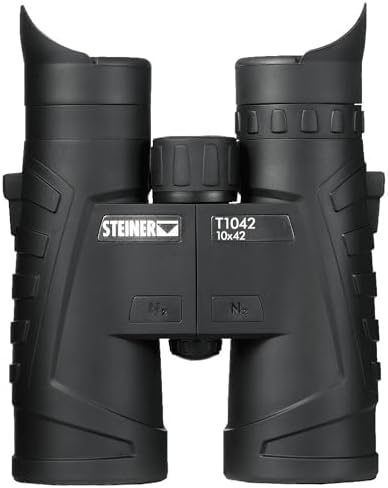
Shopping for the best binoculars for PRS for the first time? Learn the terms spotters use, compare the key specs, and avoid rookie mistakes with this guide.
At a Precision Rifle Series match, the person behind the binoculars does far more than watch. You spot impacts, read the wind, follow bullet trace, and call corrections your shooter can trust. Choosing the best binoculars for prs as a first time buyer means learning a set of specs and matching them to that spotting job, not chasing the biggest numbers on the box.
This guide starts with the basics, explains each key feature in plain English, and shows you how to set up and care for your glass. Use the comparison table below to see how the main types differ.


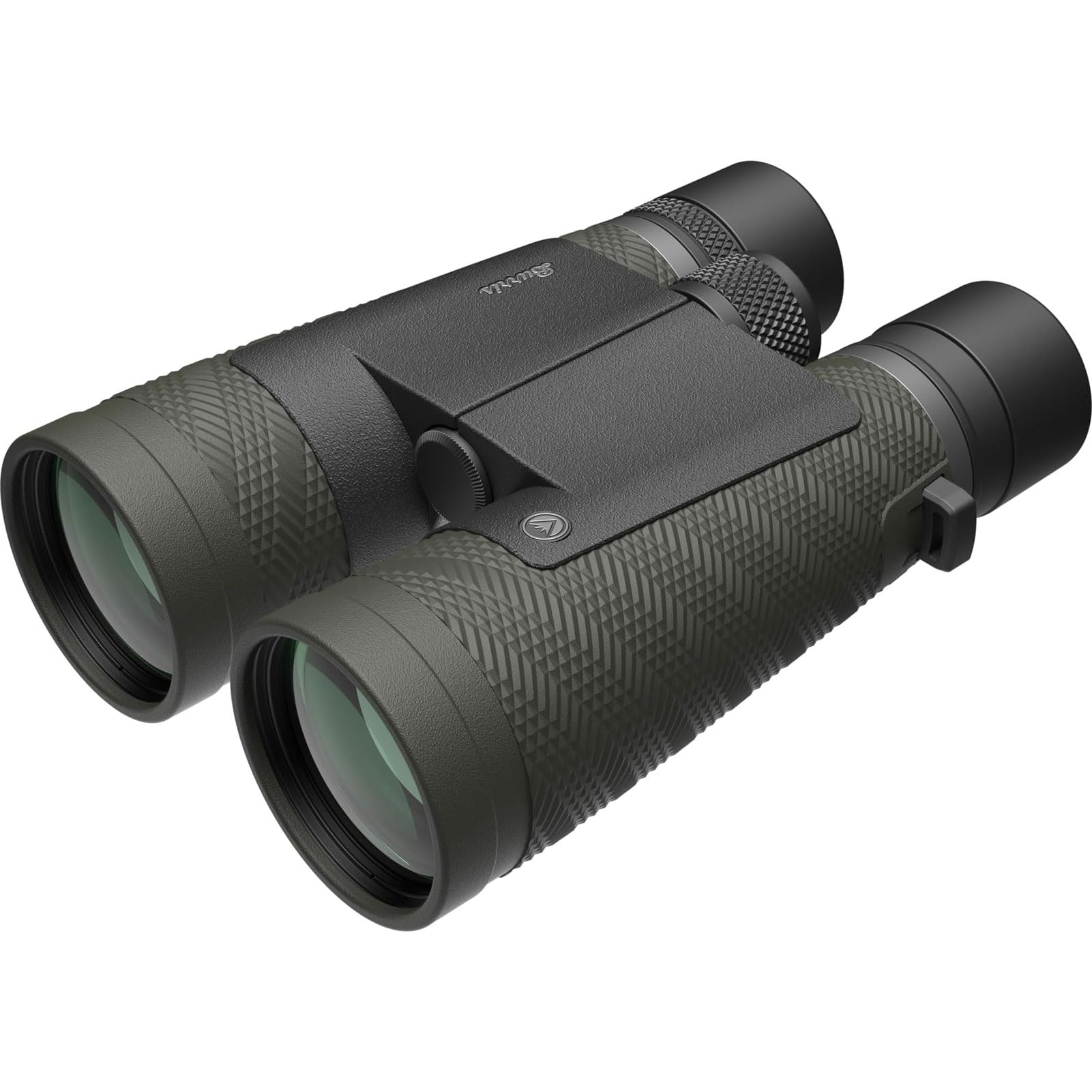
Who Should Buy Binoculars Built for PRS Spotting?
New Shooters Shooting Their First Club Matches
If you are shooting your first local matches, you will spend as much time spotting for your squad as you spend behind the rifle. A mid power binocular you can hold steady and focus quickly lets you see splash on steel and dirt well enough to give honest feedback at 600 to 1,000 yards.
Dedicated Spotters Calling Corrections for a Partner
If you regularly spot for the same shooting partner, your binoculars become a measuring tool, not just a viewing tool. You need a reticle that matches your partner scope, steady tripod support, and enough magnification to judge how far a miss landed from the plate.
Shooters Who Read Wind and Mirage Between Stages
Some shooters buy PRS binoculars mainly to study conditions before their turn comes up. You will watch grass, dust, and heat shimmer downrange to build a wind call before you lie down behind the rifle. Smooth focus and honest color matter more than raw power here, and many crossover shooters compare notes with our guide to the best rated binoculars for hunting, since dawn glassing skills transfer well.
Binoculars 101: The Basics for a First Time Buyer
A binocular is two small telescopes joined together, one for each eye, so you view with both eyes open and keep your depth perception. Light enters through the large front lenses, called objective lenses, passes through prisms that flip the image upright, and reaches your eyes through the smaller rear lenses. Using both eyes is why spotting feels far less tiring than squinting through one eyepiece during a long stage. That comfort, plus a wide view that catches splash off a target edge, is the job the best binoculars for prs are built to do.
Key Features to Compare
Magnification: How Much Power a Spotter Really Needs
Magnification is the first number in a rating like 10x42 or 15x56, and it tells you how much closer a target appears. Most PRS spotting happens at 12x to 15x, because that range shows bullet trace and where a miss kicks up dirt. A 10x model is easier to hold steady by hand and suits new spotters. Higher power also magnifies every shake and every bit of mirage, so extra magnification only helps on solid support.
Objective Lens Size, Brightness, and Exit Pupil
The second number in 10x42 or 15x56 is the objective lens diameter in millimeters, and bigger front lenses gather more light. Divide the objective size by the magnification and you get the exit pupil, so a 15x56 gives about 3.7 mm and a 10x42 gives about 4.2 mm. A larger exit pupil looks brighter at dawn and on overcast stages. The tradeoff is size and weight, since a 56 mm binocular is bulky to carry from stage to stage.
A Reticle That Matches Your Rifle Scope
Some PRS binoculars carry an etched reticle in one barrel, marked in MIL or MOA, and this feature changes spotting from guessing to measuring. When your partner misses, you read the miss distance off the reticle and call a precise correction instead of saying a little left. The reticle must use the same unit as the scope it serves, because a MIL reticle paired with an MOA scope forces slow math under time pressure.
Glass Quality and Coatings for Reading Mirage and Trace
Clear glass is what lets you see bullet trace, the faint shimmer a bullet leaves as it flies, and mirage, the heat waves that reveal wind direction near the ground. Look for extra low dispersion glass, often shortened to ED glass, and fully multi coated lenses, because these reduce color fringing around steel plates and keep contrast high in flat light. Shoppers comparing general glass quality often start with our guide to the best rated binoculars.
Field of View and Focus Speed on Moving Targets
Field of view describes how wide a scene you see at 1,000 yards, and a wider view helps you find a target fast and catch splash that lands off the plate. It shrinks as magnification rises, which is one more reason 15x glass belongs on a tripod. The center focus wheel should turn smoothly with light fingertip pressure, so you can shift focus between plates at different ranges without losing your place.
Tripod Mounting, Eye Relief, and Fit for Long Sessions
Most PRS binoculars accept a tripod adapter through a threaded socket under the front cap, and mounting your glass is the biggest upgrade to what you can see. Set interpupillary distance by folding the barrels until the two circles merge into one, then adjust the diopter ring to match your weaker eye. Eye relief of about 15 mm or more lets glasses wearers see the full view. If pack space is tight, our guide to the best rated compact binoculars shows smaller options, though compact glass gives up brightness.
Getting Started: Setup and First Use at the Range
Unbox your binoculars at home, not at the match. Attach the tripod adapter, mount the binocular, and set the diopter once using a distant sign or rooftop, covering one lens at a time as the manual directs. Practice swinging between two targets at different distances and refocusing until the motion feels automatic. Pack a microfiber lens cloth, never your shirt, since shirt fabric drags grit across coatings.
Common Mistakes to Avoid
- Buying the highest magnification available and then trying to spot freehand, so shake hides the very splash you need to see.
- Choosing a MIL reticle binocular to serve an MOA scope, so every correction needs converting while the clock runs.
- Ignoring eye relief when you wear glasses, so you see a narrow tunnel view and miss impacts at the edge.
- Picking pocket size compact binoculars for dawn stages, so dim glass makes trace nearly invisible.
- Skipping the diopter setup, so one eye stays slightly soft and your depth judgment on misses suffers all day.
Care and Maintenance for PRS Binoculars
Blow loose grit off the lenses with a squeeze blower before you wipe anything, because sand from a dusty stage scratches coatings when dragged across glass. Wipe in small circles with a clean microfiber cloth and a drop of lens fluid, and keep the objective caps on whenever the binocular leaves your hands. Store it in its padded case in a dry room rather than a hot vehicle, since heat and humidity stress seals over time. Sealed, nitrogen purged models resist internal fogging, but no seal survives being left wet in a closed case.
FAQ
What features matter most in binoculars for PRS spotting?
A matching reticle, steady tripod support, and clear glass matter most for PRS spotting. One point new buyers often miss is the value of a smooth hinge and focus wheel, because you adjust both constantly while wearing gloves in cold morning stages. Rubber armor also earns its keep, since binoculars get set down on barricades and truck tailgates all day.
What does 10x42 or 15x56 mean on PRS binoculars?
The first number is magnification and the second is objective lens size in millimeters, so 15x56 magnifies fifteen times through 56 mm front lenses. Here is a quick check you can do at home: hold the binocular a short distance from your eye in daylight and look at the small bright circle behind each eyepiece. That circle is the exit pupil, and a larger circle generally means a brighter view when light fades.
How much should a first time PRS shooter spend on binoculars?
Most first time PRS shooters do well spending about $300 to $700 on binoculars. Below that range, glass usually loses the contrast needed to read mirage at distance, while above it you pay for refinements a new spotter may not yet use. Budget for a tripod adapter as well, because steady support improves a mid priced binocular more than a price jump improves a shaky one.
Can a spotting scope replace binoculars for PRS shooting?
A spotting scope can replace binoculars for PRS shooting, but most shooters find binoculars easier to use for long stretches. Viewing with both eyes reduces eye strain during an all day match, and the wider view helps you catch splash sooner. Scopes still win for reading tiny target markings at extreme range, so some squads carry one scope for the group.
Which binoculars work better for PRS matches in low light?
Binoculars with larger objective lenses and a bigger exit pupil work better for PRS matches in low light. There is a personal factor too: pupils dilate less with age, so an older spotter gains less from a very large exit pupil than a younger one does. If your matches start at dawn, favor a 10x50 or 12x50 balance of power and brightness over maximum magnification.
Do PRS binoculars need a reticle if the rifle scope already has one?
No, PRS binoculars do not strictly need a reticle, because the shooter can measure a miss with the scope reticle after the shot. A reticle in the binocular still helps when the shooter lost the target picture in recoil and never saw the impact. In that case the spotter becomes the only record of the shot, and a measured call saves the follow up round.
Final Thoughts
For a first purchase, keep your priorities simple: magnification you can hold or mount steady, glass clear enough to read mirage and trace, and a reticle that speaks the same language as your scope. Match those three to your role and you will get honest calls out of your glass for seasons to come. When you are ready, look back at the product table above and pick the best binoculars for prs that fit the way you shoot.


