
Best Binoculars for Offshore Fishing: 2026 Buyer Checklist
Disclosure: We may earn a commission when you buy through links on this page, at no extra cost to you. As an Amazon Associate I earn from qualifying purchases. Learn more

Use this checklist to choose binoculars for offshore fishing, covering magnification, waterproof sealing, dawn clarity, stability on deck and honest value.
Offshore, your eyes do the first half of the fishing. Birds working over bait, a fin cutting the surface, a weed line or a distant boat on fish can all sit miles away. The best binoculars for offshore fishing help you spot those signs early, hold them steady on a moving deck, and survive salt spray trip after trip. This guide gives you a clear checklist for judging any pair before you spend money on it.
Work through the factors that decide what you see from a boat: magnification you can hold steady, sealing that keeps salt water out, and glass that stays bright at dawn. Match those factors to the way you fish, then use the comparison table below to narrow your shortlist.


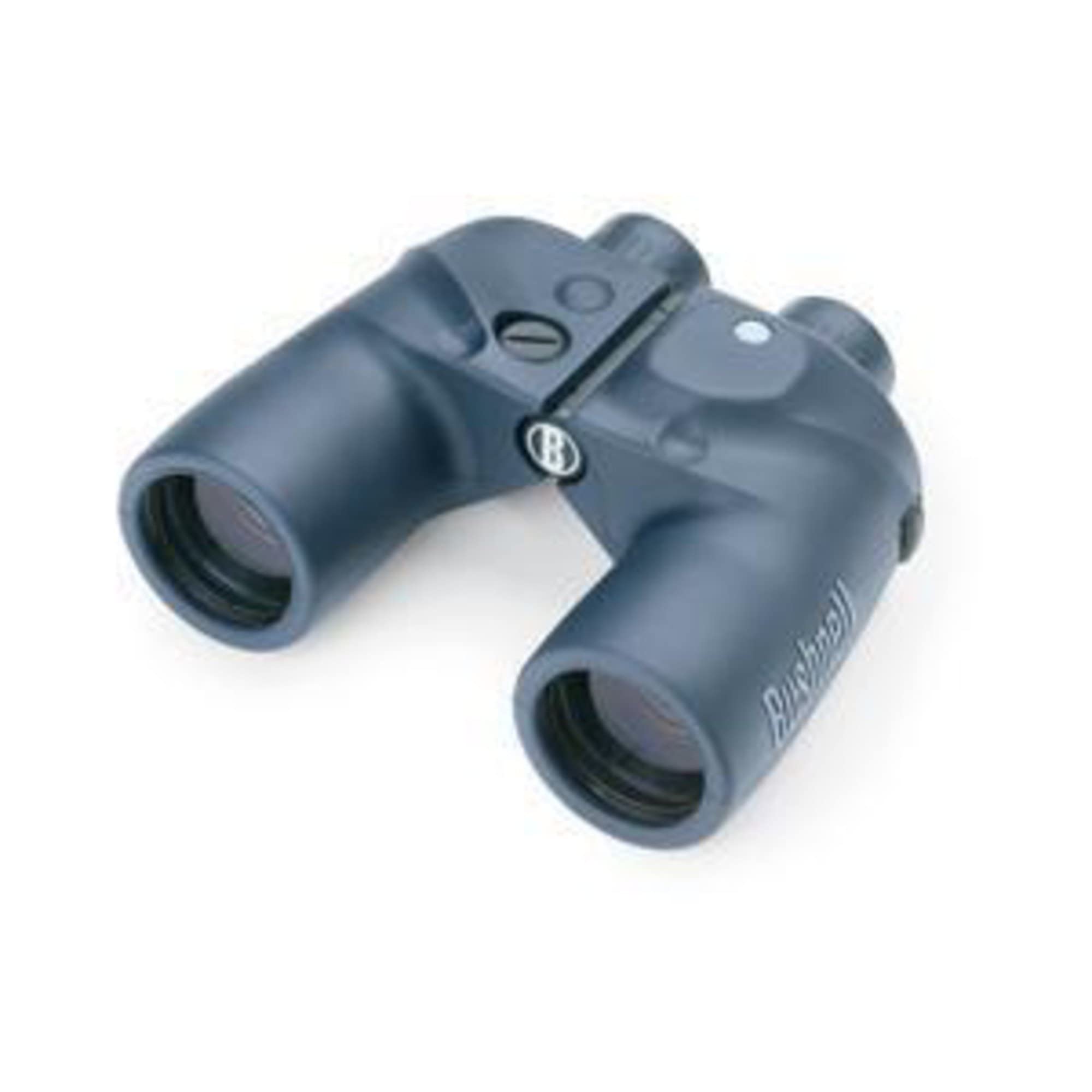
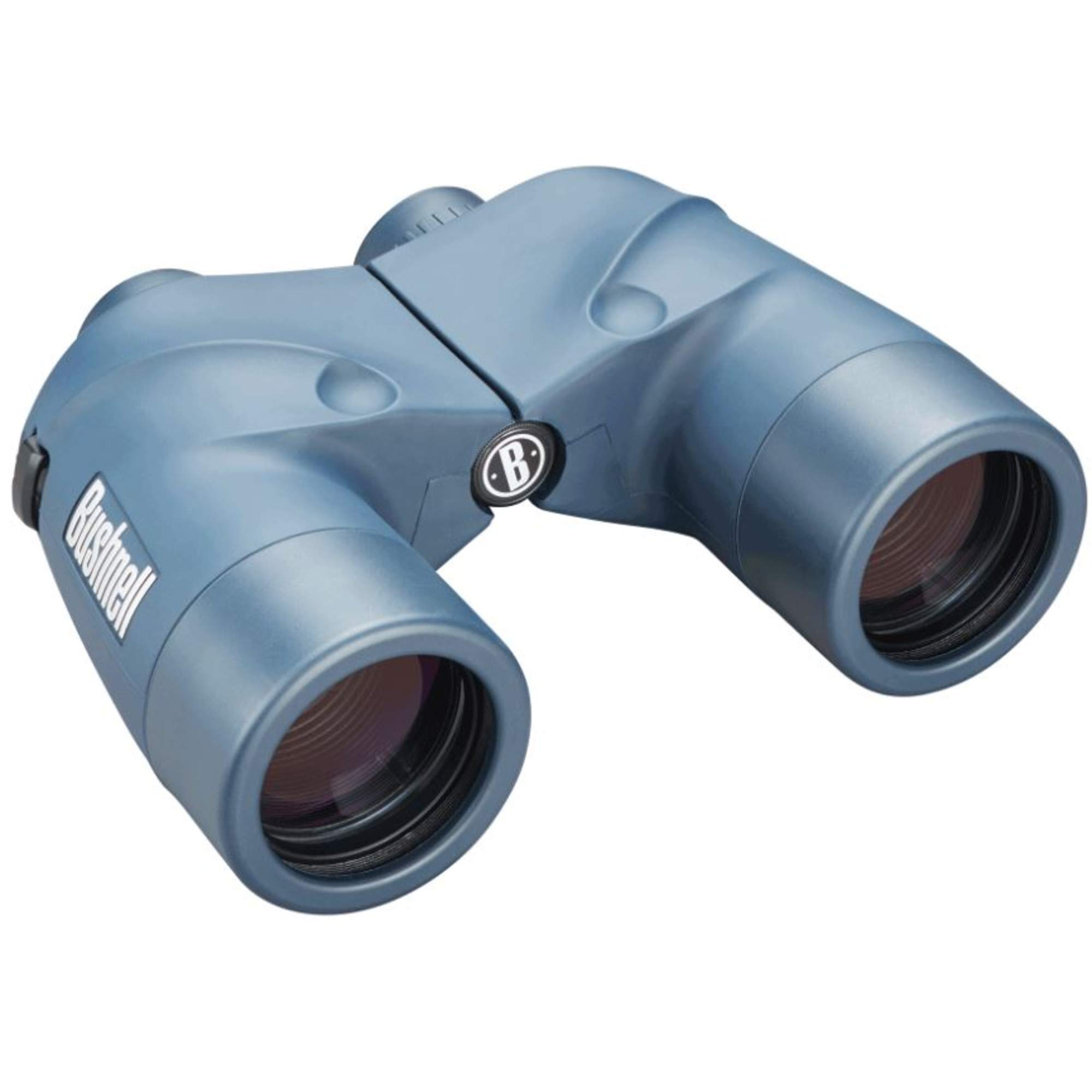

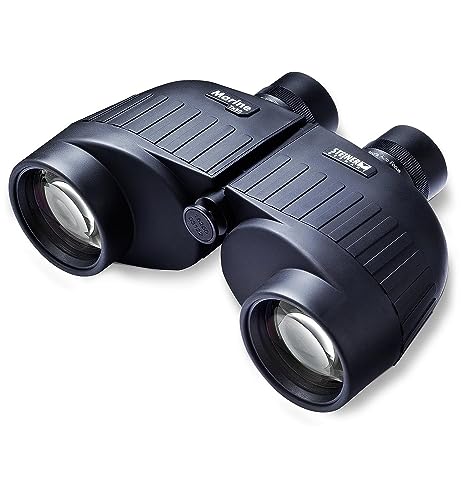
Who Should Buy Offshore Fishing Binoculars?
Charter Captains and Mates Scanning All Day
If you run paying anglers offshore, you glass the horizon for hours, not minutes. You need moderate magnification that stays calm in a seaway, a wide view that picks up bird flocks fast, and armor that shrugs off knocks against the console. A built in compass also earns its place here, letting you call out a bearing so the helm can steer straight to the action.
Private Boat Anglers Running Long Distances
On your own boat, binoculars turn a long run into a search instead of a guess. You stop to glass each temperature break, debris line and surface splash, so quick focus and a bright image save fuel and time.
Anglers Who Fish Dawn, Dusk and Rough Days
Some of the best surface action happens in the first and last hour of light, when bait pushes up and predators feed hard. If that is your window, you need large objective lenses and a generous exit pupil so the view stays usable while light fades. You also need sealing you can trust when spray comes over the bow.
Key Features to Compare
Magnification and Stability on a Moving Deck
Magnification tells you how much closer an object appears. A 7x pair is the classic marine choice, since it shakes less in your hands and keeps a wide, forgiving view while the boat rolls. A 10x pair shows more detail on distant birds, but every wave shows up in the image too, and the view can swim when the sea builds. From large, stable boats 10x can work well. From smaller center consoles, 7x usually finds more fish.
Waterproof and Fogproof Sealing for Salt Spray
Sealing decides whether a pair lasts one season or ten. Look for a body that is fully waterproof, sealed with rubber rings, and filled with dry nitrogen so the inside cannot fog when you move between a cool cabin and warm air. A pair described only as water resistant may survive a splash on a lake, yet wind driven salt spray finds every gap. Full sealing also keeps salt crystals out of the focus mechanism.
Objective Lens Size, Exit Pupil and Low Light Clarity
The second number in a name like 7x50 is the objective lens size in millimeters, and bigger front lenses gather more light. Divide that number by the magnification and you get the exit pupil, the width of the light beam reaching your eye. A 7x50 pair gives about 7 mm, suiting dawn and dusk when your own pupils open wide. A 10x42 pair gives about 4.2 mm, fine at midday but dimmer at first light. If you run before sunrise, favor the larger exit pupil.
Image Stabilization and Focus Control With Wet Hands
Stabilized models use powered optics to cancel small hand and boat movements, and the effect is easy to notice: distant birds stop drifting and fine detail settles. That help costs more, adds weight, and needs batteries, so it suits anglers who glass for long periods from smaller boats. Focus design matters too. A large center focus wheel with deep texture turns easily with wet hands, while a stiff, tiny wheel slows you down when dolphins surface for seconds.
Field of View, Prism Glass and Lens Coatings
Field of view tells you how wide a scene you see at a set distance, and a wide view is how you catch movement at the edge of your scan. You sweep slowly and let birds or splashes enter the frame, so extra width finds signs you would otherwise pass. BaK 4 prisms and coatings on every glass surface raise contrast and cut reflections, helping you separate white birds from white water in glare. To see how glass built for spotting distant birds compares, see our guide to the best binoculars for birdwatching.
Eye Relief, Weight and Grip on Deck
Eye relief is the distance your eye can sit from the rear lens while still seeing the full view, and it decides comfort with sunglasses on. Look for about 15 mm or more, plus eyecups that twist and stay put. Weight and grip finish the picture. A rubber armored body of about 24 to 36 ounces balances durability with all day comfort, and deep texture on the barrels keeps the pair secure in wet hands.
A Final Check Before You Order Binoculars for Offshore Trips
Run through these questions for any pair on your shortlist. A good match answers yes to nearly all of them. The pairs that truly earn the name best binoculars for offshore fishing pass on sealing and stability first, not on zoom numbers. For a broader look at how top models score, see our guide to the best rated binoculars.
- Is the magnification 7x or 8x for a small boat, or 10x only for larger boats?
- Is the body fully waterproof and nitrogen filled, not just water resistant?
- Does the exit pupil reach about 5 mm or more for dawn and dusk trips?
- Is the field of view wide enough to catch birds at the edge of your scan?
- Can you turn the focus wheel smoothly with wet hands in one motion?
- Does the eye relief work with your sunglasses without dark edges?
- Does the pair include a wide strap, lens covers and a usable case?
If your trips stay in calmer nearshore water, your needs shift toward lighter weight and lower cost, so see our guide to the best fishing binoculars for that angle.
Common Mistakes to Avoid
- Choosing 12x or higher magnification for a small boat, so wave motion turns the view into a blur you cannot read.
- Buying a water resistant pair for offshore use, so one season of salt spray fogs the lenses from the inside.
- Ignoring exit pupil and then finding your 10x42 pair too dim during the first hour of light.
- Skipping a floating strap, so one slip at the rail sends your binoculars over the side for good.
- Judging a pair only indoors at the shop, so glare, narrow view and stiff focus only show up on the water.
- Paying extra for a built in rangefinder you never use, while cutting the budget for better glass and sealing.
How to Make Your Binoculars Last Longer
Salt is the main enemy, so rinse the outside of the body gently with fresh water after rough trips, then let the pair dry in open air before it goes into its case. Clean lenses only with a soft lens cloth, never your shirt, since grit trapped in fabric scratches coatings. Keep lens covers on while running, store the pair in a dry, padded bag away from cabin heat, and check the strap each season. If your stabilized model uses batteries, carry a spare set and remove them before long storage.
Frequently Asked Questions
What does 7x50 mean on offshore fishing binoculars?
7x50 means the binoculars magnify the view seven times through front lenses 50 mm wide. One extra check helps you compare pairs: a 7x50 and an 8x56 share a similar exit pupil, so both stay bright at dawn, while the 8x56 shows slightly more detail. Numbers alone say nothing about sealing or coatings, so read those specs alongside the size.
How much should you spend on a first pair of offshore fishing binoculars?
About $100 to $250 buys a sealed, nitrogen filled pair with decent coatings for most private boat anglers. Spending about $250 to $600 mainly improves edge sharpness, glare control and build toughness. Reserve part of a first budget for a floating strap and a dry bag, since losing the pair costs more than a step down in glass quality.
Are binoculars with a built in compass worth it offshore?
Yes, a built in compass is worth it if you often direct the boat toward what you spot. The bearing lets you give the helm a number instead of a vague direction, which saves circling when birds sit low on the water. Check that the compass reads easily in bright light, and practice taking a bearing at the dock first, since reading one while the boat rolls takes skill.
Can birdwatching binoculars work for offshore fishing?
Yes, birdwatching binoculars can work offshore if they are fully waterproof and fogproof. Many birding models offer superb glass and a wide view, which suits scanning for flocks. The catch is that some use a fine focus wheel and thin armor built for trails, not spray and hard decks. Check the sealing and armor first, and accept 8x as a practical limit for handheld use on most boats.
Which offshore fishing binoculars work best at dawn and dusk?
Pairs with an exit pupil of about 5 to 7 mm work best at dawn and dusk, since they feed your eye as much light as it can use in dim conditions. Age plays a part: eyes over about fifty often open less wide in the dark, so a mid sized exit pupil loses little for older anglers. Brace the pair against the console for low light scans to keep the dim image readable.
Wrapping Up
Start with the checklist, not the brand name. Steady magnification, full sealing against salt spray, and a bright exit pupil for early light will shape every trip you make. Judge each pair against the way your boat moves and the hours you fish, and the best binoculars for offshore fishing for you will stand out clearly. Compare your finalists in the product table above and choose the pair your budget supports.


