
Best Binoculars for Night Sky in 2026: Which Type Is Right for You?
Disclosure: We may earn a commission when you buy through links on this page, at no extra cost to you. As an Amazon Associate I earn from qualifying purchases. Learn more

Compare the best binoculars for night sky viewing by full size, compact and giant types, plus the magnification, lens size and features that matter most.
Choosing best binoculars for night sky viewing feels confusing at first, because the numbers on the box tell only part of the story. A pair that sounds powerful on paper can show dim, shaky views, while a modest looking pair can reveal bright star fields and clear lunar detail.
This guide compares binoculars by type, so you can match the format to how you actually observe. The comparison table below gathers the key specs side by side, and the sections that follow explain what those specs mean for brightness, comfort, and steady handheld viewing.


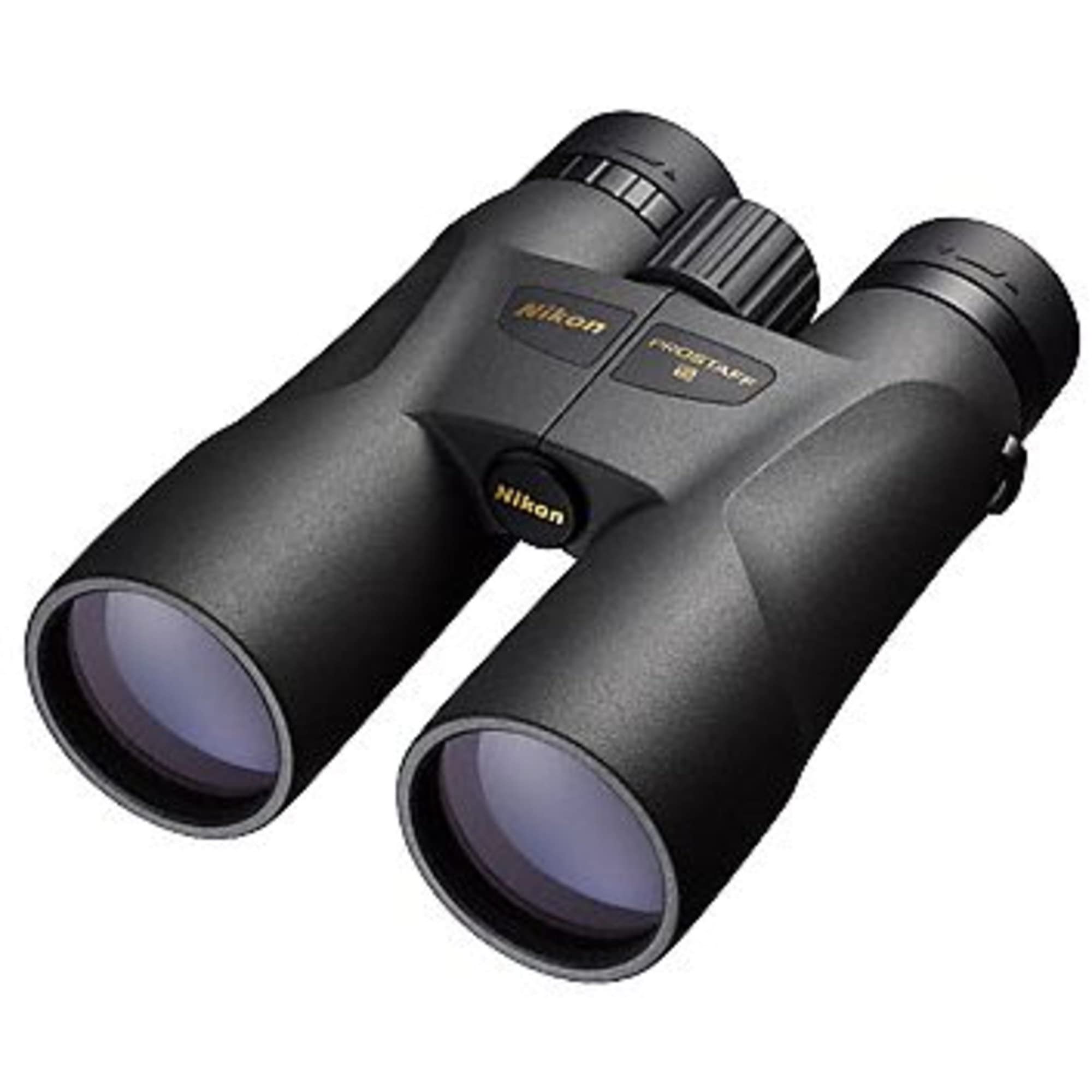


Types of Binoculars Compared
The best binoculars for night sky viewing fall into three broad types, and the difference between them is mostly about lens size. Bigger front lenses gather more light, which is the whole challenge after dark, but they also add weight that your arms and neck must support through a session.
Full Size Binoculars
Full size binoculars use front lenses of about 42 to 50 mm, paired with magnification of 7x, 8x, or 10x. That combination is the classic astronomy starting point, because the lenses collect enough light to show star clusters, the moons of Jupiter, and bright nebulae as soft patches of light.
The trade off is size. A 10x50 pair often weighs around 2 pounds, so your arms tire during long scans of the Milky Way. Most observers rest their elbows on a chair or car roof, or take short breaks between targets, and that simple habit makes full size models practical for most adults.
Compact Binoculars
Compact binoculars shrink the front lenses to about 25 to 32 mm and fold into a jacket pocket. They are easy to carry on trips, simple to hold steady, and fine for the Moon, bright planets, and wide scans of constellations on a clear night away from city lights.
Their limit is light gathering. A small lens simply collects less light, so faint galaxies and dim clusters that appear in a full size pair may vanish in a compact pair. Choose compacts when portability matters more than faint targets, or as a second pair that travels with you, rather than as your only astronomy tool.
Giant Astronomy Binoculars
Giant binoculars push the front lenses to 70 mm or more, with magnification of 15x or 20x. That extra light and power pulls in fainter clusters, splits closer double stars, and shows more texture along the lunar terminator, the line between light and shadow on the Moon.
These are not truly handheld instruments for most people. At 15x, normal hand tremor becomes obvious, and the weight demands support, so plan on a tripod and a tripod adapter from the start. With support, giants deliver the richest views of the three types, at the cost of a bulkier setup and a slower start to each session.
Full Size Binoculars vs Compact Binoculars: Which Should You Choose?
Start with brightness. On faint targets, the full size pair wins clearly, because its larger lenses feed your eyes more light at the same magnification. On the Moon and bright planets, the gap narrows, and a compact pair shows a pleasing view that many casual observers enjoy.
Next, think about steadiness and session length. Compacts are lighter and easier to hold still, so beginners often keep them on target longer. Full size pairs reward short rests and a reclined chair, which settles both your arms and the view. Field of view also favors the smaller pair for learning constellations, since a wider view makes star patterns easier to recognize.
Portability may settle the question. If your observing happens on trips, at campsites, or on walks where you also scan wildlife at dusk, a versatile pair earns its place in the bag, and you can read more in our guide to the best day and night binoculars for that shared use. If most sessions happen in your yard, choose the full size pair and accept the extra weight.
How to Choose the Right Pair of Binoculars
Once you pick a type, a few specs decide whether a specific pair suits the sky. Read them in the product table above before you order, and treat the points below as your checklist in order of importance.
Features That Matter for Night Sky Viewing
Magnification matters less than many buyers expect. Higher power magnifies hand shake as well as the target, and it shrinks the field of view, so finding objects gets harder. For handheld use, 7x to 10x is the practical range, and 10x50 is popular because it balances power with a bright image.
Exit pupil deserves equal attention. Divide the lens size in millimeters by the magnification, so a 10x50 pair gives a 5 mm exit pupil, the small circle of light that reaches your eye. Around 5 mm suits most adults under suburban skies, while 7 mm, from a 7x50 pair, helps under very dark rural skies where your pupils open wider.
Field of view, listed in degrees, shapes how much sky you see at once. A view of about 6 degrees or wider makes sweeping the Milky Way enjoyable and helps you locate targets by hopping from one bright star to the next.
Durability and Weather Sealing
Night sessions end in dew, and a weatherproof body protects the optics when moisture settles on every surface. Look for sealed construction with internal fog protection, often described as nitrogen filled, which keeps the inside of the lenses from fogging when you carry the binoculars from a warm house into cool night air.
Rubber armor adds grip with gloves on and softens small knocks against a tripod or table. Check that the focus wheel turns smoothly while wearing gloves, because cold nights make stiff controls genuinely annoying. A sturdy neck strap or harness also matters, since a dropped pair can lose alignment and show double images afterward.
Lens Size and Magnification Numbers
Binoculars are named with two numbers, such as 8x42 or 10x50. The first number is magnification, and the second is the diameter of each front lens in millimeters. Unlike a camera, a normal binocular has fixed magnification, so terms like optical zoom do not apply to most models you will consider here.
Moving from 42 mm to 50 mm lenses gathers noticeably more light, which helps on faint targets, but it also adds weight and cost. The right step up depends on your skies. Under bright suburban light pollution, extra lens size helps less, because the sky background brightens along with the stars, so comfort and steadiness may matter more.
Brightness, Prisms, and the Digital Question
Lens coatings drive real world brightness as much as lens size does. Fully multicoated optics reduce reflections at each glass surface, so more light reaches your eyes and contrast improves on faint, low contrast targets like galaxies. Prism glass also matters, and BaK 4 prisms generally pass a rounder, brighter image than lower grade glass.
You may also see digital models that list sensor size, autofocus, image stabilization, and 4K video. Those specs belong to night vision devices built for spotting wildlife or watching a yard, and their sensors struggle with pinpoint stars. If that terrestrial use is your goal, see our guide to the best night binoculars and our roundup of the best rated night vision binoculars instead. For the sky itself, plain optical glass remains the better tool.
Care and Maintenance Tips
Clean the lenses only when they need it, because every wipe is a chance to drag grit across the coating. Blow loose dust off first, then use a clean lens cloth with light pressure. Never use your shirt, a paper towel, or a dry tissue, since rough fibers can leave fine scratches that scatter light and soften contrast.
Keep the lens caps on whenever you pause, and store the binoculars in a dry, padded bag or case once they have warmed to room temperature. Bringing cold optics indoors can draw condensation onto the glass, so leave the case closed while the pair warms up. Check the strap and hinge now and then, and store the pair away from damp basements and hot car trunks.
Questions and Answers About Night Sky Binoculars
What features matter most in binoculars for night sky viewing?
Brightness and steadiness matter most, so prioritize lens size, sensible magnification, and good coatings over raw power. One extra point many buyers miss is eye relief, the distance your eyes can sit from the rear lenses while still seeing the full view. If you wear glasses, look for about 17 mm or more of eye relief, and fold or twist the eyecups down before you judge the view.
What binocular specs matter most for beginners under the night sky?
A 10x50 or 8x42 specification matters most for beginners, because both balance light gathering, weight, and an easy learning curve. Start with targets that reward those specs right away, such as the Moon, the Pleiades cluster, and the Orion Nebula in winter. Early success keeps new observers going far better than hunting faint galaxies in the first week, so build a short list of bright targets for your first few sessions.
Which binocular type is better for low light viewing, full size or compact?
Full size binoculars are better for low light viewing, because their larger front lenses collect more light than compact lenses can. The difference grows on moonless nights and shrinks when the Moon is bright, since moonlight floods the sky and washes out faint targets for every type. On those bright nights, switch to lunar and planet viewing, where even a compact pair performs well and faint deep sky targets can wait for darker evenings.
How much should you spend on your first binoculars for the night sky?
A budget of about $100 to $250 covers a solid first pair with decent coatings, sealed construction, and reliable mechanics. Spending far less often brings dim coatings and a focus wheel that drifts, which frustrates beginners quickly. Before you stretch the budget for a bigger pair, set aside a little for a reclining chair and a simple star guide, because comfort and knowing where to look improve your sessions as much as optics do.
What does 8x42 or 10x50 mean on binoculars for astronomy?
The first number states magnification and the second states front lens diameter in millimeters, so 10x50 magnifies ten times through 50 mm lenses. A useful check beyond the name is the minimum focus distance, which matters little for stars but affects daytime use on birds or scenery. Also read the stated weight with the strap in mind, because a pair that feels fine in a shop can feel heavy after twenty minutes pointed upward.
Is a smartphone enough instead of binoculars for viewing the night sky?
No, a smartphone is not enough for viewing, because its small lens and screen based image cannot match the direct, two eyed view through real optics. Phones do help in other ways, since sky map apps make finding targets far easier for beginners. If capturing images is your main goal rather than looking, read our guide to the best cameras for night sky photography, and keep binoculars for the relaxed visual sessions in between.
Final Thoughts
Most readers should start with a full size pair around 10x50, since that format balances brightness, power, and price better than any other. Choose compacts when travel rules your observing, and choose giant binoculars only when you accept a tripod as part of the routine. Use the product table above to compare lens size, exit pupil, weight, and sealing across the pairs you are weighing.
Whichever type fits your nights, the best binoculars for night sky viewing are the ones you will carry outside often and hold with patience. Start with bright targets, let your eyes adapt to the dark for twenty minutes, and give each session a simple plan.


