
Best Binoculars for Nature Watching in 2026: Which One Fits the Way You Use It?
Disclosure: We may earn a commission when you buy through links on this page, at no extra cost to you. As an Amazon Associate I earn from qualifying purchases. Learn more

Pick the best binoculars for nature watching by use case, with magnification, lens size, field of view and weight explained for trails, shore and garden.
There is no single pair of binoculars that suits every outing in nature. A quiet hour in shaded woods asks for a bright and steady view, while a long scan across a lake rewards reach and patience. The best binoculars for nature watching for you depend on where you stand, how far you walk, and what you hope to see. This guide sorts the choices by use case first, so you can read the comparison table below with confidence.
Start by picturing your most common watch. Note the light you get, the distance to your subject, and how long you hold the binoculars up at one time. Those three points steer every choice that follows, from magnification to weight.

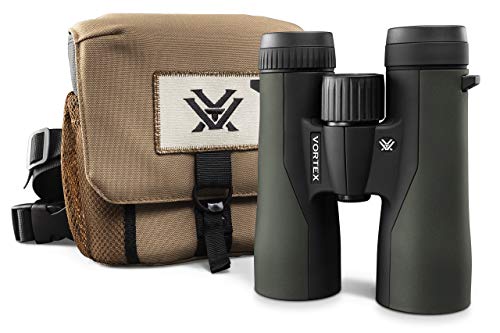


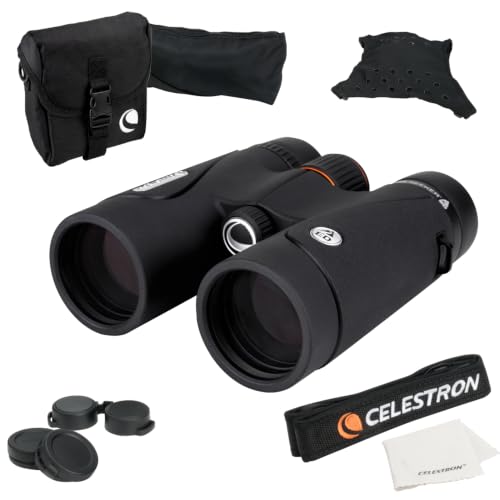

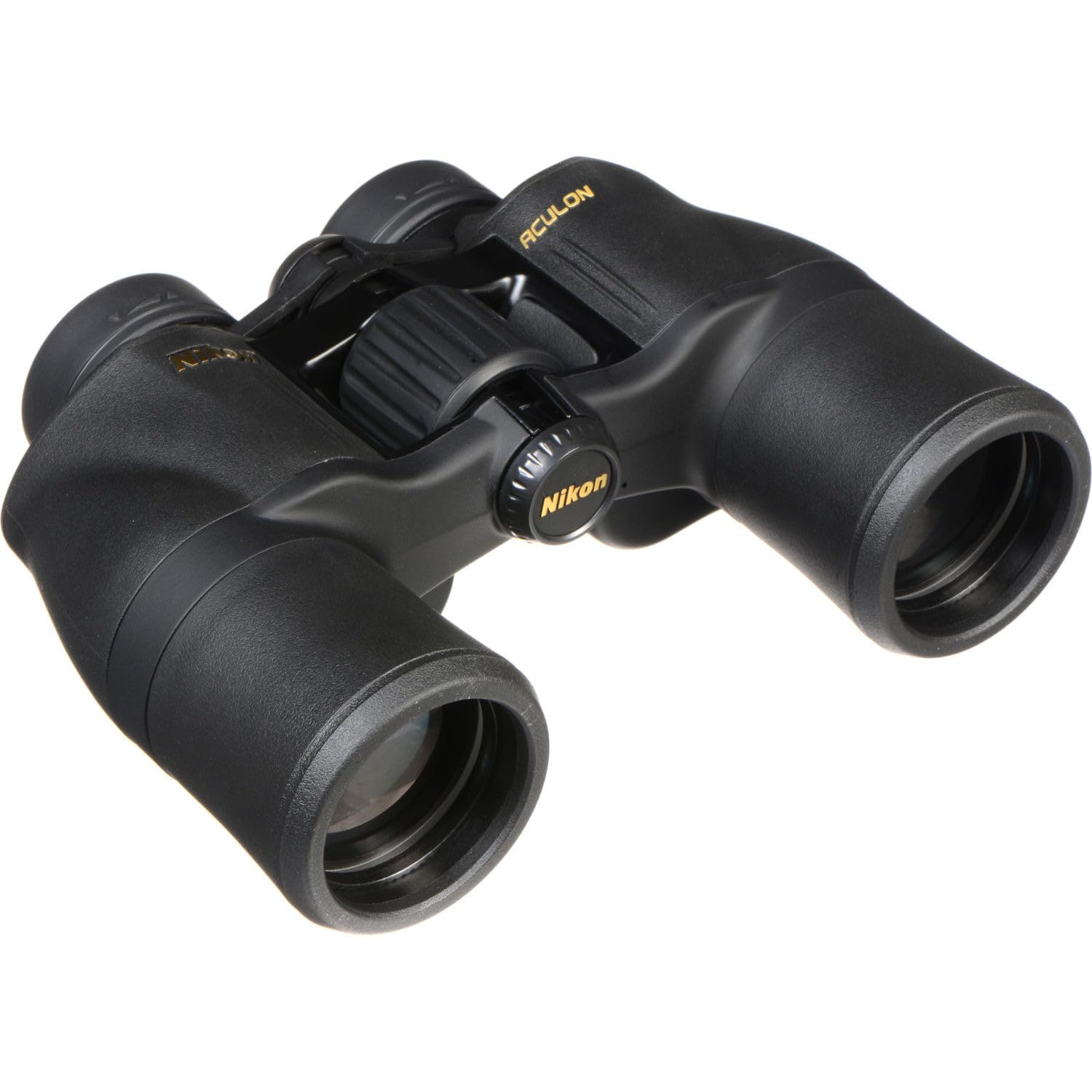
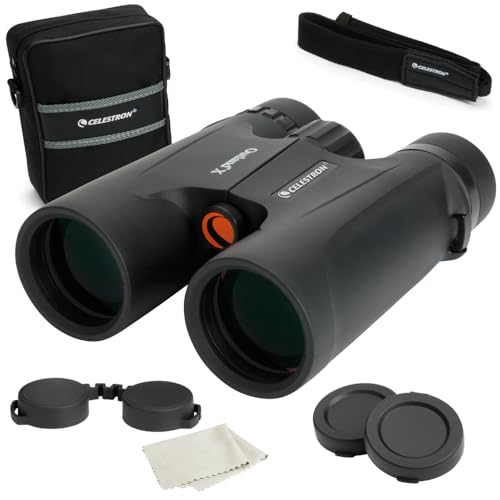


Who Should Buy Which Binoculars?
Pick by the outing you repeat most, not by the longest spec list.
Trail Walkers Who Follow Birds and Small Wildlife
You move slowly, stop often, and follow birds and small mammals as they shift through branches. Choose 8x magnification, because it stays steadier in your hands and shows a wider scene, which helps you find a bird again after it hops. A pair near 24 to 28 ounces balances a bright view with a walk of several miles. For deeper help, see our guide to the best binoculars bird watching.
Shore and Open Country Watchers Who Sit and Scan
You sit or stand in one place and scan water, marsh or open fields. Distance matters more here, so 10x magnification can help you pick out a distant whale spout or a wader on a far mudflat. Weight matters less when the pair rests on a railing or a tripod adapter, so a larger lens is easier to accept. If sea watching is your main outing, see our guide to the best binoculars whale watching.
Garden Watchers and New Observers Close to Home
You watch feeders, butterflies and visiting wildlife from a porch or a short park loop. Reach matters less than a close and easy view, so look for a close focus near 6 to 8 feet and a center focus wheel you can turn with one finger. A lighter pair, around 16 to 22 ounces, suits short sessions. Start simple, and upgrade only when a limit truly bothers you.
Key Features to Compare
When you compare the best binoculars for nature watching, read the numbers as answers to simple questions: how far is your subject, how much light do you get, and how long will you hold the pair?
Power and Lens Size for Close Nature Views
The two numbers on a pair, such as 8x42, give magnification and lens size. The first number is how much closer the subject appears, and the second is the width of the front lenses in millimeters. An 8x view is easier to hold steady and usually wider, while 10x brings distant subjects closer but shows more hand shake. A 42 mm front lens gathers more light than a 32 mm lens, but adds size and weight. Most watchers do well with 8x42 or 10x42.
Field of View and Close Focus Distance
Field of view is how much ground you can see at once, often given as a width at 1,000 yards. A wide view, around 340 to 420 feet, helps you track a bird in flight or a rabbit crossing a path, because the subject stays in frame longer. Close focus is the nearest distance that still looks sharp, and about 6 to 8 feet lets you study a butterfly or a frog at a pond edge without stepping back.
Low Light Performance and Exit Pupil
Many animals are most active at dawn and dusk. Exit pupil is the beam of light that reaches your eye, found by dividing lens size by magnification, so an 8x42 pair gives about 5.3 mm. A larger exit pupil feels brighter in shade and at dusk, because it fills more of your own pupil. A 10x42 pair gives about 4.2 mm and still works well, but a small 10x25 pair can feel dim as light fades.
Lens Coatings, Glass Quality and Color Detail
Coatings on the glass cut glare and help more light reach your eyes, so look for a pair described as fully multi coated, which means coatings on all glass surfaces. Better glass, including extra low dispersion glass, keeps color edges cleaner around a bright bird against the sky. Good coatings also lift contrast in flat morning light, so pale feathers stand out from bare branches. Judge this in person if you can.
Size, Weight and Handling on the Trail
A pair you leave at home helps no one. Full size pairs around 24 to 30 ounces give the brightest views, while compact pairs near 12 to 18 ounces ride easily in a jacket pocket but gather less light. A textured grip, a balanced body and a strap that sits well on your neck decide how the pair feels after an hour. Hold a pair for a full minute before judging it, because small discomforts grow on a long walk.
Binocular Types Compared: Which Shape Fits Your Watching?
Two body shapes cover almost every pair you will see. Roof prism pairs have straight tubes, pack neatly and seal well against water, so they suit travel and wet trails. Porro prism pairs have offset tubes, often cost less for the same view, and feel wider in the hand. Neither shape is better in itself, so choose by your bag, your hands and your budget, then compare the numbers that matter.
Size splits the same way: full size pairs serve long and low light sessions, mid size pairs split the difference for day walks, and compact pairs serve short outings. For a broader shortlist built around outdoor use, see our guide to the best nature binoculars. Readers focused on mammals and larger wildlife may also like our guide to the best binoculars for animal watching, where working distance and dusk views shape the advice.
Common Mistakes to Avoid When Buying Binoculars
Most poor buys come from one number chased too hard, or one comfort point ignored.
- Choosing 12x or higher magnification for handheld use gives you a shaky view that tires your eyes and arms within minutes.
- Judging a pair only by magnification and ignoring field of view leaves you hunting for a moving bird that keeps slipping out of frame.
- Buying the smallest pair for dawn watching gives you a dim view just when animals are most active.
- Skipping a check of eye relief leaves glasses wearers seeing a narrow circle with dark edges cut off.
- Ignoring the strap and grip means a pair that felt fine in a shop starts to ache in your neck after a mile.
Setting Up and Caring for Your Binoculars
Set the pair up once and it will feel right. First set the distance between the tubes so you see one round view with no dark edges. Next close your right eye and focus the center wheel on a distant sign, then close your left eye and turn the diopter ring on the right tube until that sign looks sharp. Set the twist up eyecups out without glasses, and down with glasses, so your eyes sit at the right distance from the rear lenses.
Clean the lenses with a soft lens cloth, never with your shirt, because grit held in fabric can scratch the coatings. Blow off dust before you wipe, and use lens fluid only when a smudge stays. Choose a waterproof pair sealed against fog inside the lenses. Store the pair in a dry padded bag with the caps on, and let a wet pair dry at room temperature first.
Frequently Asked Questions
What features matter most in binoculars for nature watching in shaded woods?
In shaded woods, brightness and a steady view matter most, so an 8x42 pair is the safe start. Its wider exit pupil keeps dim views usable under trees. Also test focus travel: choose a wheel that moves from a near branch to a far tree with a short turn, because woodland birds change distance fast and a slow wheel loses them.
What binocular specs matter most for beginners watching wildlife?
For beginners, three specs matter most: 8x magnification, a front lens of 32 to 42 mm, and a weight you can hold without strain. Those numbers give a wide and steady view. Spend your early outings learning where wildlife feeds and rests, because a good spot improves your views more than any spec upgrade.
Is a smartphone enough instead of binoculars for nature watching?
No, a smartphone is not enough for most nature watching. A phone crops and enlarges a small image, so distant birds look soft and grainy. It still helps you record a sighting, check a field guide or note a location, so use the phone to log what you saw, and the binoculars to actually see it.
How much should I spend on my first pair of binoculars for nature watching?
Plan on about $80 to $200 for a solid first pair. Below that range, views often look dim at the edges and focus wheels feel rough, while that step up buys clearer glass and better sealing. Spending more, about $200 to $400, mainly refines color and build.
What does 8x42 or 10x42 mean on binoculars for nature watching?
The first number is magnification and the second is the front lens width in millimeters, so 8x42 makes a subject look eight times closer through 42 mm lenses. To test the numbers in a shop, read a distant sign with both sizes, then hold the 10x view for ten seconds and note your hand shake. That shake is what you will live with outdoors.
Wrapping Up
Match the pair to your most common outing and the rest gets simple. Steady 8x views serve walkers and woodland watchers, 10x reach serves open water and fields, and a bright 42 mm lens keeps dawn and dusk sessions worthwhile. Use the product table above to check magnification, lens size, field of view and weight.
Chosen that way, the best binoculars for nature watching are simply the pair you carry often and hold with ease. Trust the numbers that serve your outing, and spend your time watching rather than shopping.


