
Best Binoculars for Mule Deer Hunting: What Actually Matters Before You Buy in 2026
Disclosure: We may earn a commission when you buy through links on this page, at no extra cost to you. As an Amazon Associate I earn from qualifying purchases. Learn more

Compare the best binoculars for mule deer hunting with a clear checklist for magnification, field of view, low light clarity, weight and sealed build.
Mule deer hunting is mostly a glassing game. You sit above sage flats and basins, search for an ear flick or a gray back in shadow, and decide if a buck is worth a stalk. The best binoculars for mule deer hunting are the pair that helps you find deer early, judge them clearly and stay comfortable through hours of searching.
This guide uses a simple checklist built for open country rather than close timber. It covers magnification, field of view, low light clarity, weight and build, so you can compare the options in the comparison table below with your terrain in mind.


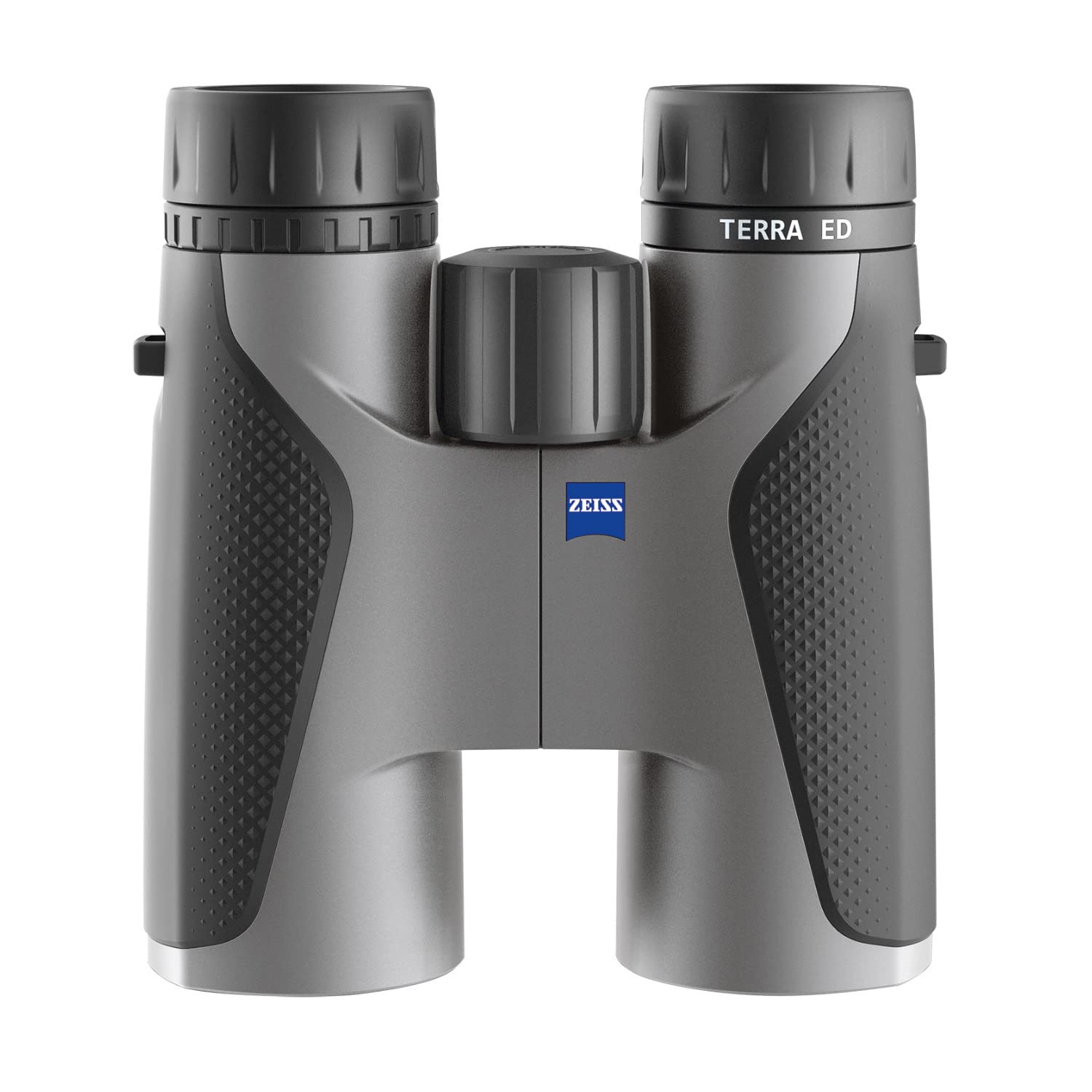

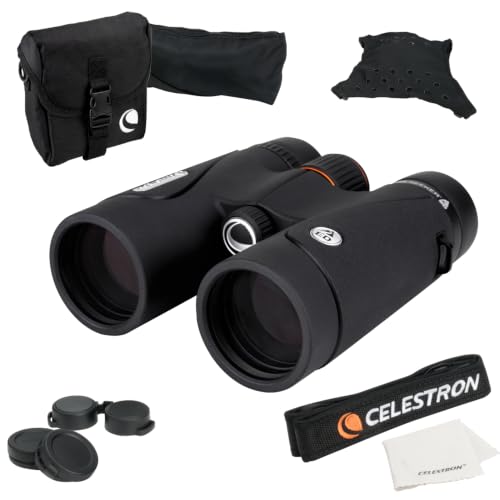


Who Should Buy Binoculars for Mule Deer Country?
Your ground decides your glass, so match the pair to how you hunt.
Open Country Hunters Who Glass From Ridges
You set up before dawn on a high point and search slopes a half mile or more away, often for an hour at a time. Choose a full size 10x42 and rest it on a tripod or a pack, because support removes shake and lets you pick apart brush slowly. Reach and steady detail matter more here than field of view.
Backcountry Hunters Who Walk Between Basins
You earn your glassing spots on foot, so every ounce rides on your chest from dark to dark. A mid size 8x32 or a light 10x42 keeps the load fair while still giving you a wide picture, and if pack weight rules your whole kit, see our guide to the best compact binoculars for deer hunting for the smallest options. Carry your choice in a chest harness so it stays close and quiet.
Hunters Who Glass Field Edges at First and Last Light
You watch deer feed out of cover into alfalfa or cut grain in dim light, often from a truck window mount or a short walk from camp. Brightness is your first need, so favor a 42 mm objective and a larger exit pupil over extra magnification. An 8x42 often shows you more in shadow than a stronger but dimmer pair.
Key Features to Compare
Magnification and Objective Size for Open Country
The two numbers in 8x42 or 10x42 tell you magnification first and objective lens size in millimeters second. An 8 power view is wider and steadier in the hand, while a 10 power view brings a distant buck closer for judging, at the cost of more visible shake. Most mule deer hunters land on 10x42 as a middle path. A 12x50 adds reach for open desert but usually needs tripod support.
Field of View for Finding Moving Deer
Field of view is the width of ground you can see at 1,000 yards, and it decides how fast you find deer that are already moving. An 8x42 often shows about 330 to 390 feet at that distance, while a 10x42 often shows about 300 to 340 feet. Search new ground in a slow grid, strip by strip, and let the edge of the view catch movement, then center a deer for your clearest look.
Glass Quality and Coatings for Sage and Shadow
Mule deer are gray, and they bed in gray brush under flat light, so contrast matters as much as raw sharpness. Fully multi coated lenses pass more light and cut glare when you glass toward the sun, and ED glass reduces color fringing on bright edges such as antler tips against sky. Good glass helps you separate an ear, an eye and a tine from sticks and shadow.
Exit Pupil and Low Light Clarity
Exit pupil is the objective size divided by magnification, so an 8x42 gives about 5.25 mm and a 10x42 gives about 4.2 mm. A larger exit pupil feeds your eye more light at dawn and dusk and is more forgiving when your eyes are not centered behind the eyecups. Deer move most in those dim minutes, so field edge hunters should weight this number heavily.
Weight, Eye Relief and Tripod Use
A full size pair often weighs about 24 to 30 ounces, which feels fine on a short sit but grows on a long climb. Eye relief of about 15 mm or more lets glasses wearers see the full view with the eyecups turned down. Check that the pair accepts a tripod adapter, because a steady view reveals detail that tired arms hide.
Sealed Build for Dust, Rain and Cold
Western hunts bring fine dust, sudden rain and cold mornings that fog cheap glass from the inside. Look for a waterproof body filled with nitrogen or argon and sealed with O rings, plus rubber armor that guards against knocks on rock. Lens coatings that shed water help in wet snow. A sealed pair you trust beats a fragile pair with better paper specs.
Binocular Types and Sizes Compared for Mule Deer
As you narrow the best binoculars for mule deer hunting down to one size class, think in three groups. Full size 42 mm models give the brightest view and suit ridge sits and truck based glassing. Mid size 32 mm models cut weight for walking hunters, with a small loss at dusk. Compact 25 mm models fit a pocket, but their small exit pupil makes them poor tools for judging deer in shadow.
Roof prism models are slim, so they pack well in a chest harness. Porro prism models are wider and often cost less for similar glass, but they take more room. If your season also includes close timber whitetail sits, see our guide to the best binoculars for deer hunting to compare the shorter range side of this choice.
A Short Checklist Before You Buy for Mule Deer Country
Run through these questions before you pay, and treat any no as a reason to keep looking. If value is your main filter, see our guide to the best deer hunting binoculars for the money.
- Does the magnification match your ground, with 10 power or less for most hand held glassing?
- Is the objective at least 42 mm if you plan to judge deer at dawn or dusk?
- Can you see the full field of view while wearing your normal glasses?
- Does the focus wheel turn smoothly with gloves on, without grit or slack?
- Is the body sealed and fogproof, with a clear statement of its waterproof build?
- Will the weight still feel fair after a full day in your chest harness?
- Does the pair accept a tripod adapter for long sits above open basins?
Common Mistakes to Avoid
- Buying 16 power or more for hand held use, because shake blurs the fine detail you bought the magnification to see.
- Choosing a tiny objective for open country, because the dim view hides bedded deer at the hours they move most.
- Trusting vague claims about coated optics with no details, because a single coated surface performs far below fully multi coated glass.
- Skipping the eye relief check while wearing glasses, because a cut off view makes you miss deer at the edge of the field.
- Ignoring the warranty and sealing details, because one fogged morning inside the lenses can end a hunt you planned all year.
- Carrying binoculars on a loose neck strap in steep ground, because swinging glass bangs on rock and pulls on your neck all day.
Care and Maintenance for Hunting Binoculars
Blow dust off the lenses first, then wipe with a clean lens cloth in small circles, because grinding grit across dry glass scratches coatings. Never use your shirt, since fabric holds the same grit. Keep the covers on while you walk, store the pair dry in a padded case, and let a cold pair warm up slowly indoors. Check the harness clips and hinge each season, and send the pair in if the two barrels no longer line up.
Binoculars for Mule Deer Hunting: Your Questions Answered
What features matter most in binoculars for glassing mule deer?
Steady magnification, honest low light clarity and a wide field of view matter most for glassing mule deer. One point hunters overlook is the focus wheel. You refocus often as deer move between shade lines, so a smooth wheel reachable with your index finger saves time and keeps your eyes on a deer once you find it.
How much should a hunter spend on a first pair of mule deer binoculars?
A first pair in the range of about $200 to $500 covers most mule deer ground well. Below that range, glass tends to lose contrast in flat light, which is exactly where mule deer blend in. Set aside a small part of the budget for a chest harness and a tripod adapter, since both make a mid priced pair perform above its price.
What does 8x42 or 10x42 mean in binoculars for mule deer hunting?
The first number is magnification and the second is objective size in millimeters, so 10x42 makes deer look ten times closer through 42 mm front lenses. Try this field test. Glass a far ridge hand held for two minutes with each size. The pair that leaves your view steadier is the right one, even if its number looks smaller on paper.
Which binocular magnification is better for mule deer in low light?
An 8x42 is better in low light than a 10x42 of the same build, because its larger exit pupil delivers a brighter picture as light fades. Those last minutes often decide a stalk, so watch where deer appear at dusk rather than where they feed at midday. If your basin is huge, keep the 10 power but add a tripod to recover detail.
Do mule deer hunters need a tripod for binoculars?
Many mule deer hunters do benefit from a tripod, and you do not need a tall or heavy one. A light tripod or a window mount turns long sits into slow, careful searches, and it lets you leave the binoculars pointed at a spotted deer while you rest your eyes. Hunters who still hunt through timber can skip it.
Wrapping Up
Start with your ground, then pick magnification, brightness and weight in that order. Open country rewards a steady 10x42 on support, walking hunters do better with a lighter pair they will carry, and field edge hunters should protect low light clarity above all. The best binoculars for mule deer hunting are the ones you will glass through patiently for hours, so use the product table above to compare your final choices.


