
Best Binoculars for Low Light: Types Compared and How to Choose for 2026
Disclosure: We may earn a commission when you buy through links on this page, at no extra cost to you. As an Amazon Associate I earn from qualifying purchases. Learn more

Best binoculars for low light depend on objective size, exit pupil and coatings. Compare types, budgets and care tips for clearer dusk viewing.
Choosing best binoculars for low light can feel confusing because a pair that looks sharp at noon may look dim at dusk. The comparison table below sets out the main types side by side, so you can see which design fits your eyes, your hands, and the places you watch. This guide compares types, features, and budgets, and it explains the numbers that matter most when light fades.
Low light viewing is not only about magnification. A wide objective lens, a generous exit pupil, clear glass, and good coatings all help an image stay bright and steady when the sun is low. The sections that follow explain those factors in plain language, and they show where it makes sense to spend more and where a simpler pair will serve you well.


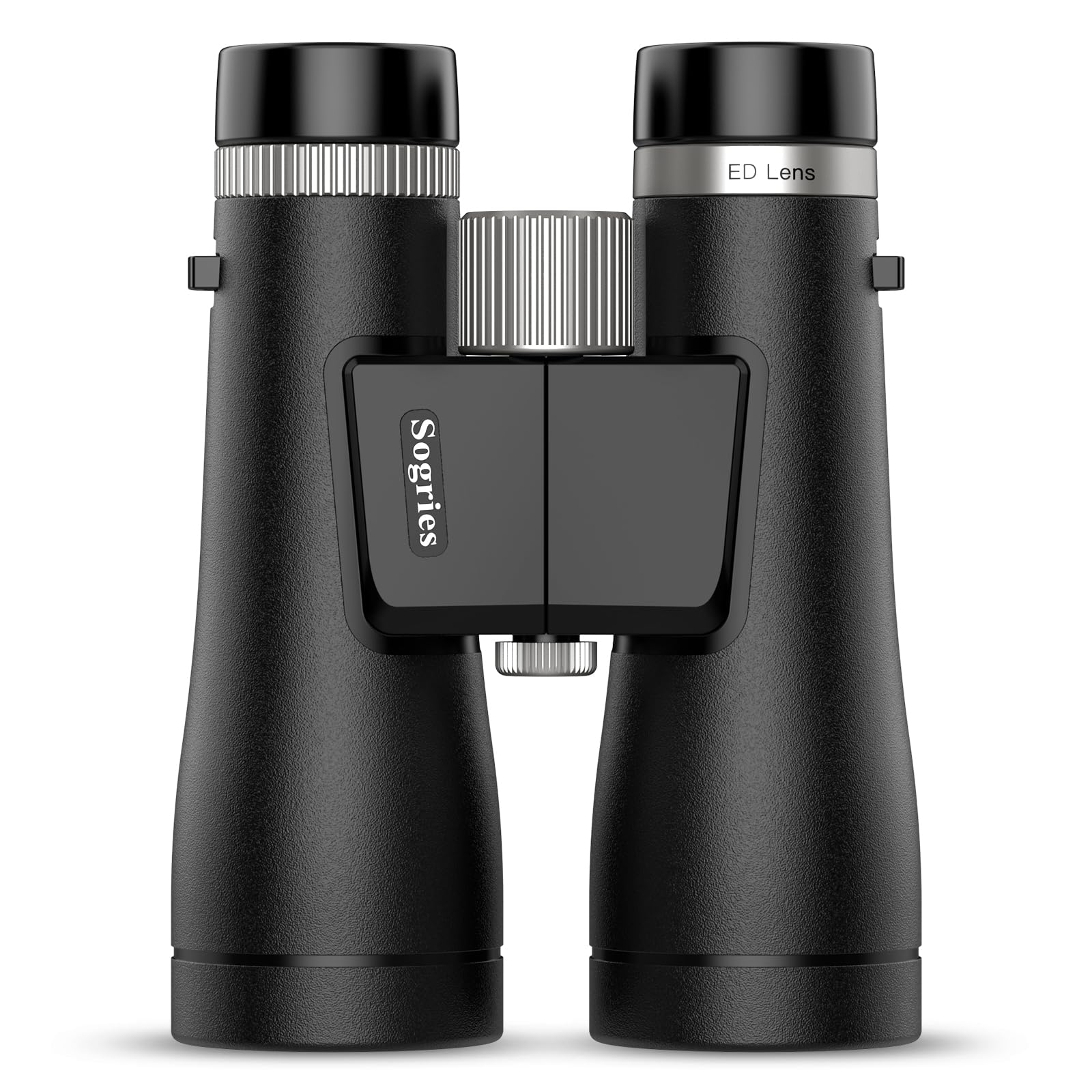


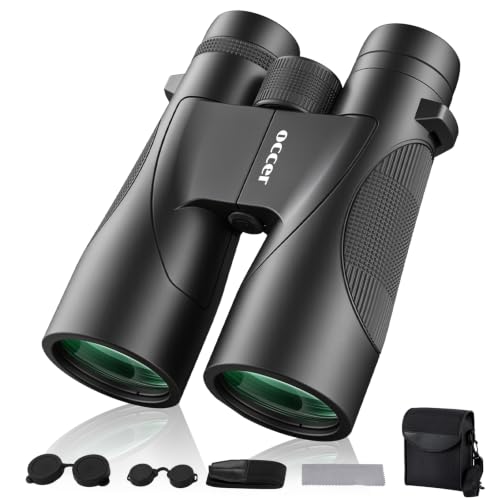
Types of Binoculars Compared
Start with size and shape, because those choices affect brightness, weight, and how long you can hold a pair steady. A larger objective gathers more light, but it also adds bulk. A smaller pair travels easily, but it may give a dimmer view at dawn or dusk. Use the comparison table below as a quick reference, then read the type notes to match a design to your routine.
| Type | Best For | Pros | Cons | Typical Price |
|---|---|---|---|---|
| Compact binoculars | Travel and short walks | Light, easy to carry, quick to raise | Smaller exit pupil, dimmer at dusk | About $60 to $180 |
| Full size binoculars | Long sessions at dawn and dusk | Brighter view, steadier hold, wide field | Heavier, needs a case or strap | About $150 to $400 |
| Large objective binoculars | Dedicated low light watching | Widest light gathering, clear detail in shade | Heaviest option, best with support | About $250 to $600 |
Compact Binoculars
Compact binoculars use smaller objective lenses, often around 25 mm to 32 mm, and they fold into a pocket or a small bag. They suit walkers, travelers, and anyone who wants a pair close at hand without carrying extra weight. The trade off is brightness, because a smaller lens gathers less light and the exit pupil stays narrow.
Choose a compact pair when you watch mainly in daylight and only sometimes stay out until dusk. Look for a comfortable eye relief, a smooth focus wheel, and a grip that stays secure in damp hands. A compact pair is also a sensible second pair for a bag or a vehicle, provided you accept its limits in deep shade.
Full Size Binoculars
Full size binoculars usually pair 8x or 10x magnification with a 42 mm objective, a combination that balances brightness, field of view, and weight. They feel steadier in the hand than a compact pair, and the larger exit pupil helps your eyes use the available light. Many watchers choose this size as their main pair for birds, wildlife, and evening skies.
Choose a full size pair when you plan long sessions and you can carry a little more weight. Check that the weight feels balanced, not front heavy, and that the focus wheel moves smoothly with one finger. A neck strap that spreads the load will make a long evening much more comfortable.
Large Objective Binoculars
Large objective binoculars use lenses of 50 mm or more, and they are built for the darkest part of the day. The wide lens gathers more light than a standard pair, and the view often stays usable after smaller pairs have gone dim. This type suits dedicated watchers who stay out at first light or last light and who value detail over portability.
Choose a large objective pair when brightness matters more than pack size. Expect extra weight, so check the balance and consider a harness or a monopod for long sessions. A pair like this rewards a steady hold, because any shake shows up more clearly when the image is already dim.
Compact Binoculars vs Full Size Binoculars: Which Should You Choose?
Compare the two types on brightness, steadiness, weight, field of view, and price. Full size pairs win on brightness and steadiness, while compact pairs win on weight and portability. Field of view depends on the optical design, so check the stated field at a set distance rather than assuming that a larger pair always shows more.
Price follows the same pattern, with compact pairs often costing less and full size pairs costing more for larger glass and stronger coatings. If you watch mostly at dusk, choose the full size pair and accept the weight. If you watch mainly in daylight and want a pair you will actually carry, choose the compact pair and keep your expectations honest for deep shade.
How to Choose the Best Binoculars for Low Light
Work through the factors below in order, starting with budget and ending with the features that matter most after dark. Each factor changes the view in a different way, so a pair that scores well on one point may still disappoint on another. Keep your main use in mind, and avoid paying for a feature that does not help that use.
What You Can Realistically Get on a Budget
At a modest price, expect clear glass, a usable focus wheel, and basic weather resistance, but not the widest coatings or the brightest edge performance. Spend first on objective size and eye relief, because those affect every view. Save by skipping extra accessories and by choosing a proven magnification, such as 8x, rather than chasing the highest power.
Exit Pupil and Twilight Performance
Exit pupil is the width of the light beam that reaches your eye, and you can estimate it by dividing objective size by magnification. A 42 mm objective at 8x gives an exit pupil of about 5.25 mm, while the same lens at 10x gives about 4.2 mm. A wider exit pupil helps in dim light, but only up to the size your own pupils can use, so a very wide beam may not add brightness for every viewer.
Glass, Coatings, and Prism Design
Glass quality and coatings control how much light reaches your eyes and how much contrast survives in shade. Fully coated and fully multi coated lenses reduce glare and lost light, and phase corrected roof prisms help keep the image sharp. Porro prism designs can offer good depth and value, while roof prism designs tend to stay slimmer and easier to carry.
Eye Relief and Comfort for Glasses Wearers
Eye relief is the distance from the eyepiece to the point where you see the full field, and glasses wearers need a longer distance, often around 15 mm or more. Twist up eyecups let you set that distance, and a soft rubber cup helps block stray light from the side. Try a pair with your glasses on, because a spec sheet cannot tell you whether the fit feels right.
Features That Matter for Low Light
For low light, prioritize a large objective, a wide exit pupil, strong coatings, and a steady hold. A tripod adapter or a monopod can help a large pair stay still, and a wide field makes it easier to find a subject before the light fades. Avoid judging a pair only by magnification, because higher power narrows the exit pupil and magnifies shake, which can make a dim scene harder to follow.
Never look at the sun through binoculars, even at dawn or dusk when the sun looks low and soft. The concentrated light can harm your eyes in a moment, and no coating or filter in a standard pair makes sun viewing safe. If you want to watch the sun, use equipment made for that purpose and follow the manufacturer's instructions exactly.
Care and Maintenance Tips
Use a lens cloth, not your shirt, because fabric can drag grit across the glass and leave fine marks over time. Blow loose dust away first, then wipe gently in a circle from the center outward. Store the pair in a dry, padded bag, and keep the lens caps on when the pair is not in use.
Check the focus wheel, eyecups, and strap mounts from time to time, and dry the pair after rain before storing it. A pair built for outdoor use still benefits from a dry case and a cool storage spot away from direct heat. If fog appears inside the lenses, let a repair service check the seals rather than opening the body yourself.
For a related low light hunting option, see our guide to best low light binoculars for hunting, which covers the same brightness factors in a field setting. If budget is your main limit, see our guide to best low light binoculars under $200 for realistic expectations at that price. For a simpler starting point, see our guide to best low price binoculars and compare its price tiers with the types above.
Frequently Asked Questions
What features matter most in binoculars for low light?
Objective size, exit pupil, coatings, and prism quality matter most, because they control how much light reaches your eyes and how much contrast survives. A larger objective and a wider exit pupil help at dusk, while strong coatings reduce glare from a low sun. Add a comfortable eye relief and a steady grip, since shake becomes more obvious when the image is dim.
How much should I spend on my first one?
Plan on about $100 to $250 for a solid first pair, with compact pairs at the lower end and full size pairs toward the upper end. That range usually buys clear glass, a smooth focus wheel, and basic weather resistance. Spend more only when you know you will use the pair often at dawn or dusk, or when you need a larger objective for dedicated evening watching.
What specs matter most for beginners?
Beginners should focus on magnification, objective size, field of view, eye relief, and weight, in that order. A magnification of 8x suits most new watchers, because it stays steadier than 10x and still shows good detail. Check the field of view at 1,000 yards, and check the weight in your hands, since a pair that tires you will stay in its case.
Which is better for low light?
A full size pair with a 42 mm objective usually beats a compact pair for low light, because it gathers more light and offers a wider exit pupil. A large objective pair can go further, but it adds weight and may need support for long sessions. Choose the largest pair you will actually carry and hold steady, rather than the largest pair on the shelf.
Is a smartphone enough instead?
A smartphone works well for bright scenes and for recording a view, but it struggles in dim light and it cannot match the reach of a dedicated optical pair. A phone screen also forces you to hold the device up and steady while you watch, which tires your arms quickly. Binoculars suit live watching at distance, while a phone suits photos and notes after you have found your subject.
What does 8x42 or 10x42 mean?
The first number is magnification, so 8x makes a subject look eight times closer than the naked eye, while 10x makes it look ten times closer. The second number is the objective lens diameter in millimeters, so 42 means a 42 mm front lens. Divide the second number by the first to estimate exit pupil, which helps you compare brightness between pairs.
The Bottom Line
For most watchers, a full size pair with an 8x42 layout offers the best balance of brightness, steadiness, and weight for evening use. Compact pairs suit travel and daylight, while large objective pairs suit dedicated dusk watching when you can accept extra bulk. Match the type to your routine, check the fit with your glasses if you wear them, and use the product table to compare price tiers before you order.
When you are ready, revisit the brightness factors in this guide and choose best binoculars for low light by objective size, exit pupil, and coatings first, then by weight and price. That order keeps the decision focused on the view you will actually get when light fades.


