
Best Binoculars for Long Distance and Night Vision: A Buying Guide for 2026
Disclosure: We may earn a commission when you buy through links on this page, at no extra cost to you. As an Amazon Associate I earn from qualifying purchases. Learn more

Compare the best binoculars for long distance and night vision by true detection range, infrared reach, exit pupil and support, with clear price bands.
One pair of binoculars that works across a bright valley at noon and a dark field edge at midnight is a demanding brief, because daylight distance viewing and night viewing reward different specs. This guide to the best binoculars for long distance and night vision starts with the number most buyers misread, the stated range, then works through support, infrared light and glass. The comparison table below lines the main classes up side by side so you can match them to your ground.
By the end you will know why a modest stated range with a strong illuminator often beats a huge range claim, and when a tripod matters more than extra magnification.

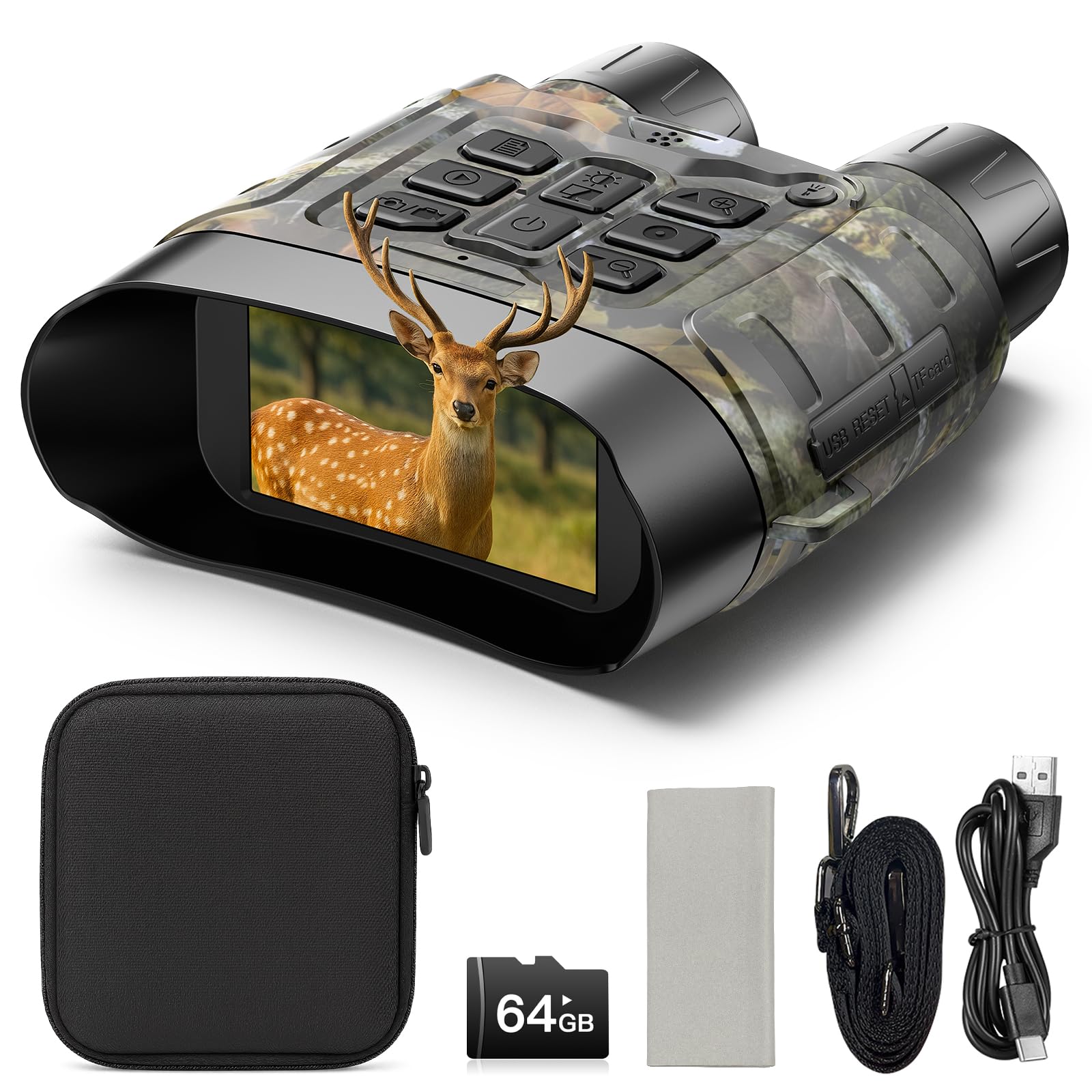

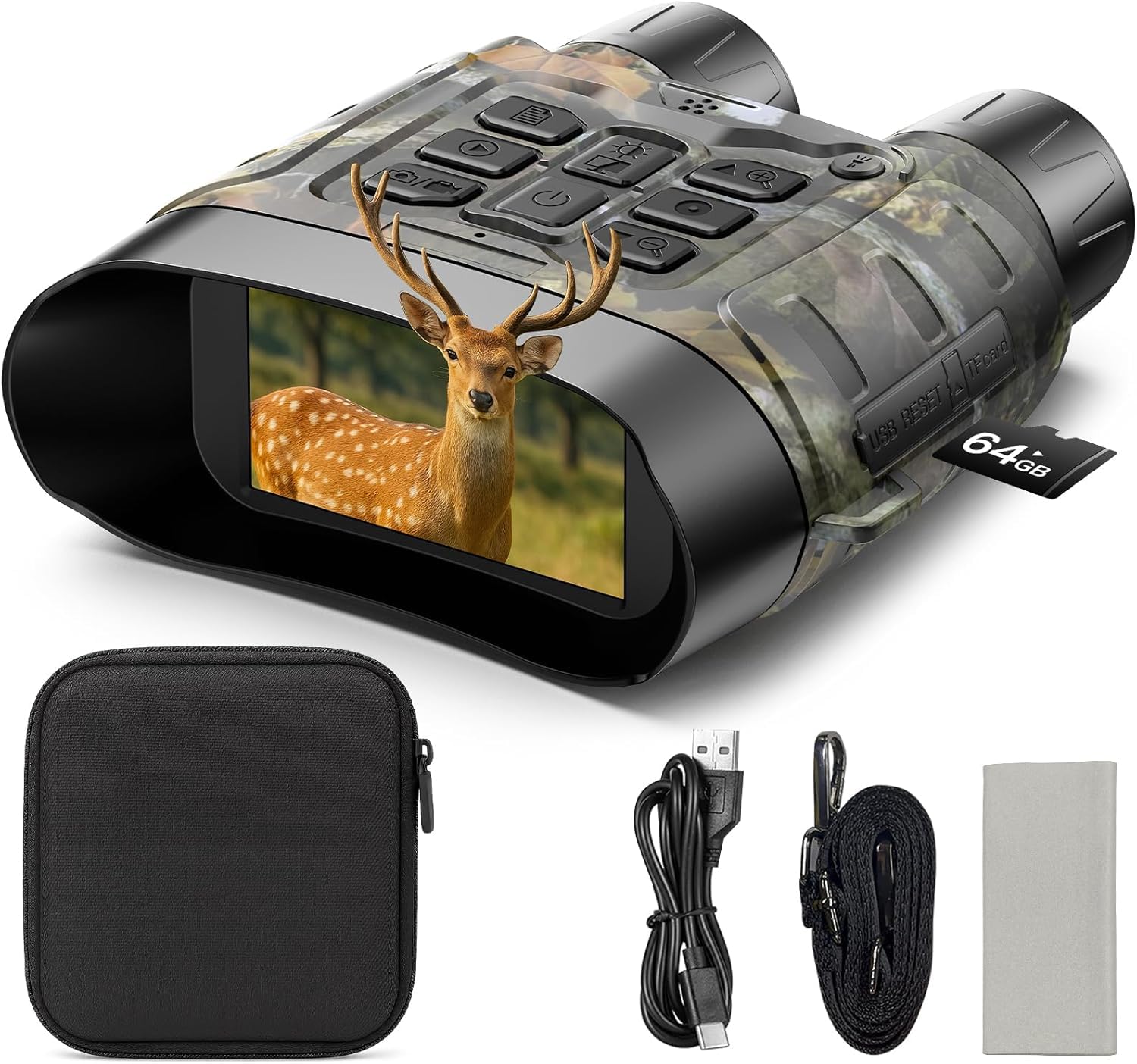

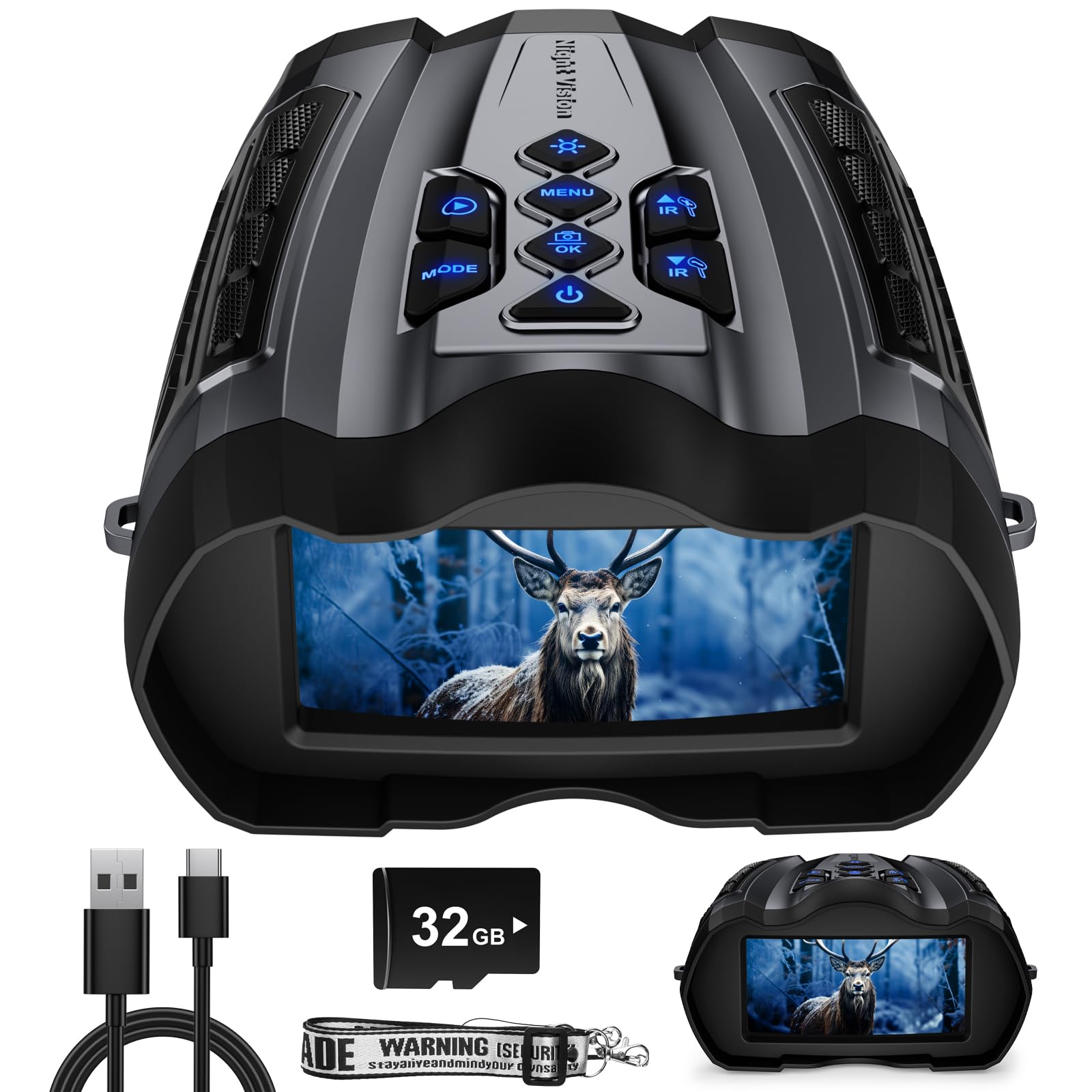
What Your Money Buys: Three Price Bands
Entry Band for Occasional Night Use
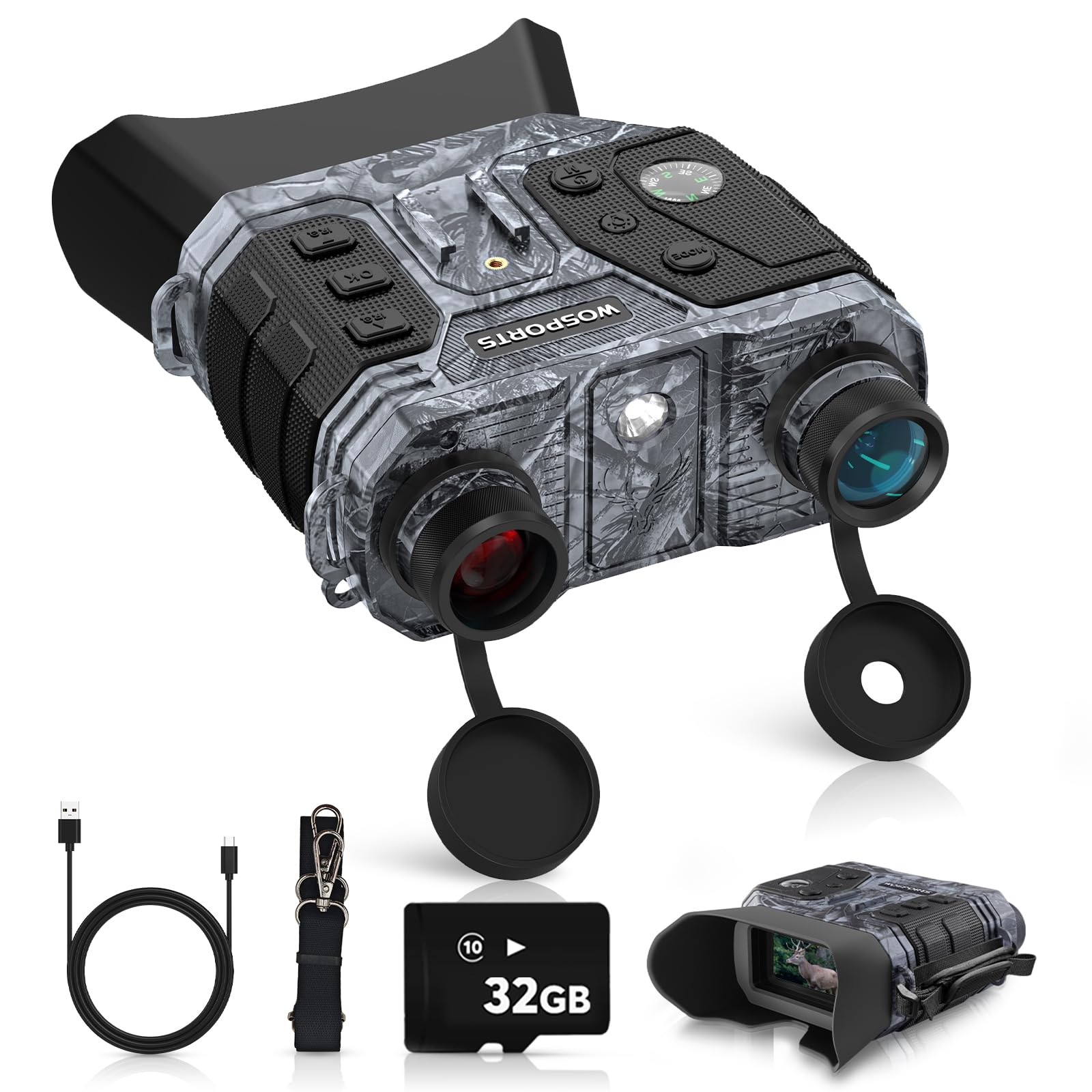
Entry digital pairs at about $100 to $250 pair a small sensor with a built in infrared illuminator and a modest screen. Expect honest detection of large animals at about 100 to 200 yards in full darkness and blurrier daytime color than glass alone gives. Shoppers comparing best budget night vision binoculars should treat this band as a starter class for yard watching and short field edges, not a long range tool.
Middle Band for Regular Field Use
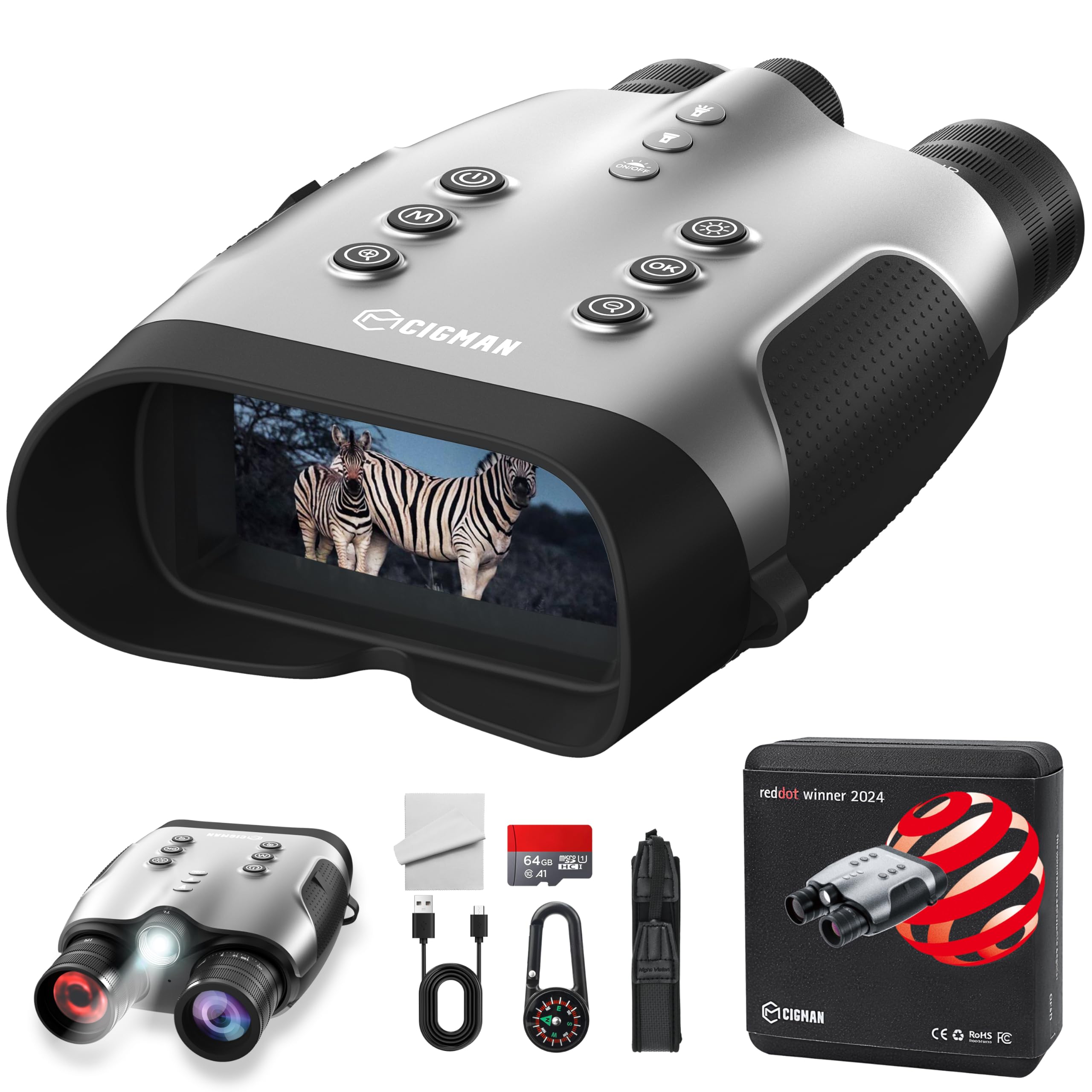
The middle band at about $250 to $600 brings larger sensors, better low light sensitivity and stronger illuminators, plus recording on removable cards. Daylight images sharpen up, and night detection stretches toward about 300 yards for deer sized targets in open ground. Readers weighing best night vision binoculars for the money usually land here, since this is where range claims and real performance start to agree with each other.
Upper Band for Serious Distance Work
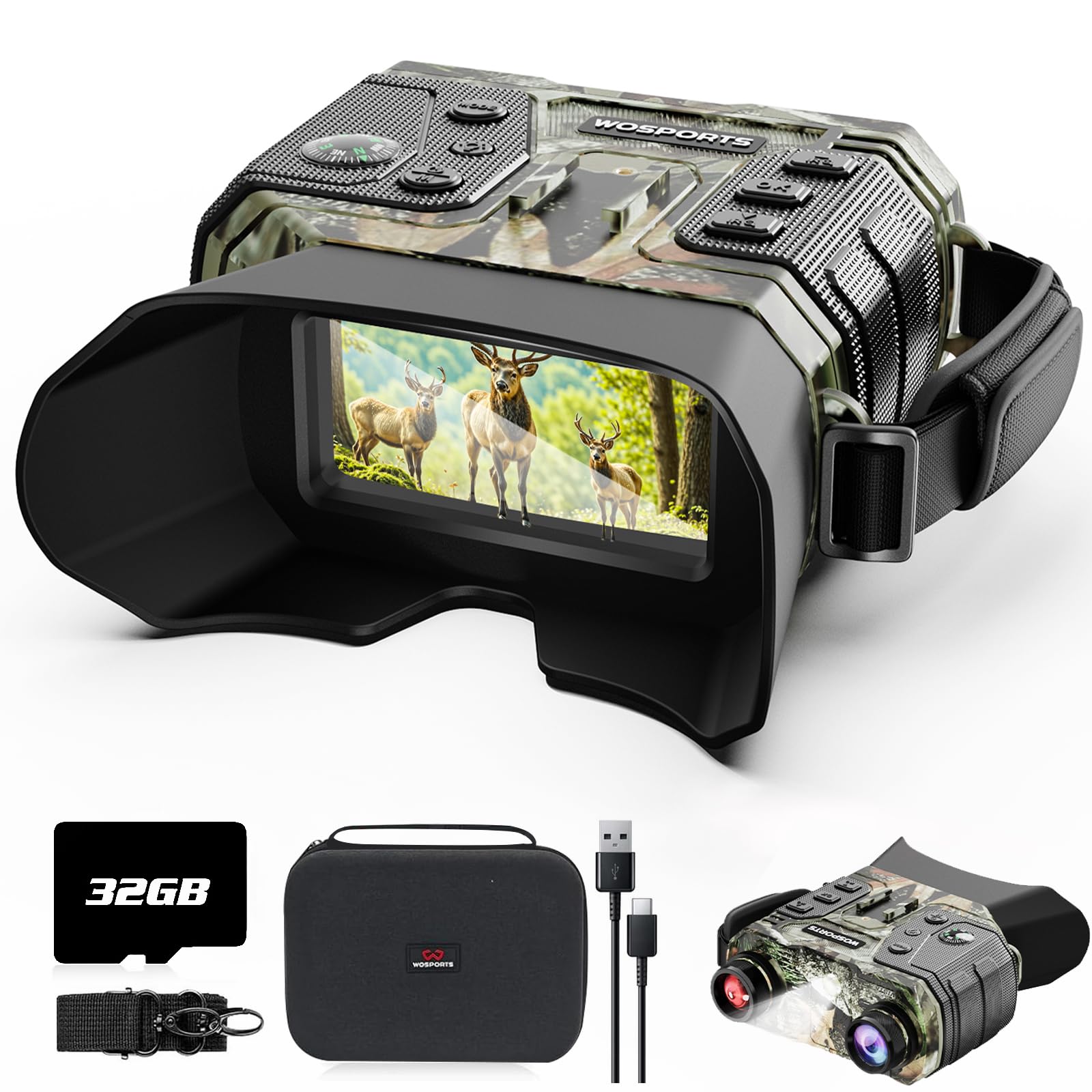
Upper band pairs at about $600 to $1,500 add bigger objective lenses, wider aperture glass and more powerful infrared output, and the housing grows tougher and better sealed. Detection of large targets can reach about 400 to 600 yards on clear nights, though fine detail still fades well before that. Star counts in listings for best rated night vision binoculars reflect owner satisfaction reports, not measured range tests, so treat ratings as a popularity signal rather than proof of performance.
How to Choose: A Buying Guide
Start With Detection, Not the Stated Range
Detection governs this whole purchase, so read every range figure with care. A stated range is a best case detection figure, measured on a clear night against a large, well lit target, and it only promises that something is there. Recognition, the distance at which you can tell a deer from a hog or a person from a post, runs at about half the stated range. When you shop for the best binoculars for long distance and night vision, halve every headline number first and judge the pair on what remains.
Magnification and the Support It Demands
Power decides how steady your support must be. At 10x and below, most adults can hold a pair steady enough for scanning, but 12x and above magnifies hand shake until the image swims and fine detail smears away. High power in this class is a tripod class, so budget for a mount and an adapter if your heart is set on 15x or 20x for fixed watching posts. The same logic shapes plain daylight tools, which is why guides to best binoculars long distance give support as much space as magnification itself.
Infrared Illuminators: Reach Versus Stealth
The infrared illuminator is the flashlight your eyes cannot see, and its wavelength sets the trade you make. An 850 nanometer illuminator throws light farther and returns a brighter image, but its emitter glows faint red at the source and alert animals can notice it. A 940 nanometer illuminator stays fully covert, yet its reach shrinks, often by a third or more on the same battery. Pick 850 for open ground and distance, and 940 when staying unseen matters more than squeezing out extra yards.
Exit Pupil and Low Light Glass
For the daylight side of the brief, exit pupil tells you how bright the image stays as light fades. Divide the objective size by the magnification: a 10x42 pair gives about 4.2 mm, an 8x42 gives about 5.3 mm, and a 7x50 gives about 7.1 mm. Bigger exit pupils feed your eye more light at dawn and dusk, so a lower power 7x50 stays usable later into the evening than a 10x42. Fully multi coated glass adds a smaller but real gain by cutting reflections inside the barrels.
Battery Life and Power Options
Digital night vision eats batteries far faster than daylight glass, since the sensor, screen and illuminator all draw power at once. Expect about 3 to 6 hours of night use from a set of AA cells, less in cold weather, and prefer pairs that also run from a USB power bank for long sits. Rechargeable packs lower running costs for frequent users, while AA compatibility keeps you working anywhere with a pocket of spares. Always carry a fresh set, because a dead illuminator ends the evening completely.
Types of Binoculars for Distance and Darkness
| Type | Best For | Main Trade Off |
|---|---|---|
| Digital night vision | True darkness viewing and recording | Battery dependent, screen based image |
| Full size daylight glass | Long range scanning in good light | No help once real darkness falls |
| Compact binoculars | Travel and casual distance viewing | Small exit pupil, weak at dusk |
Digital Night Vision Binoculars
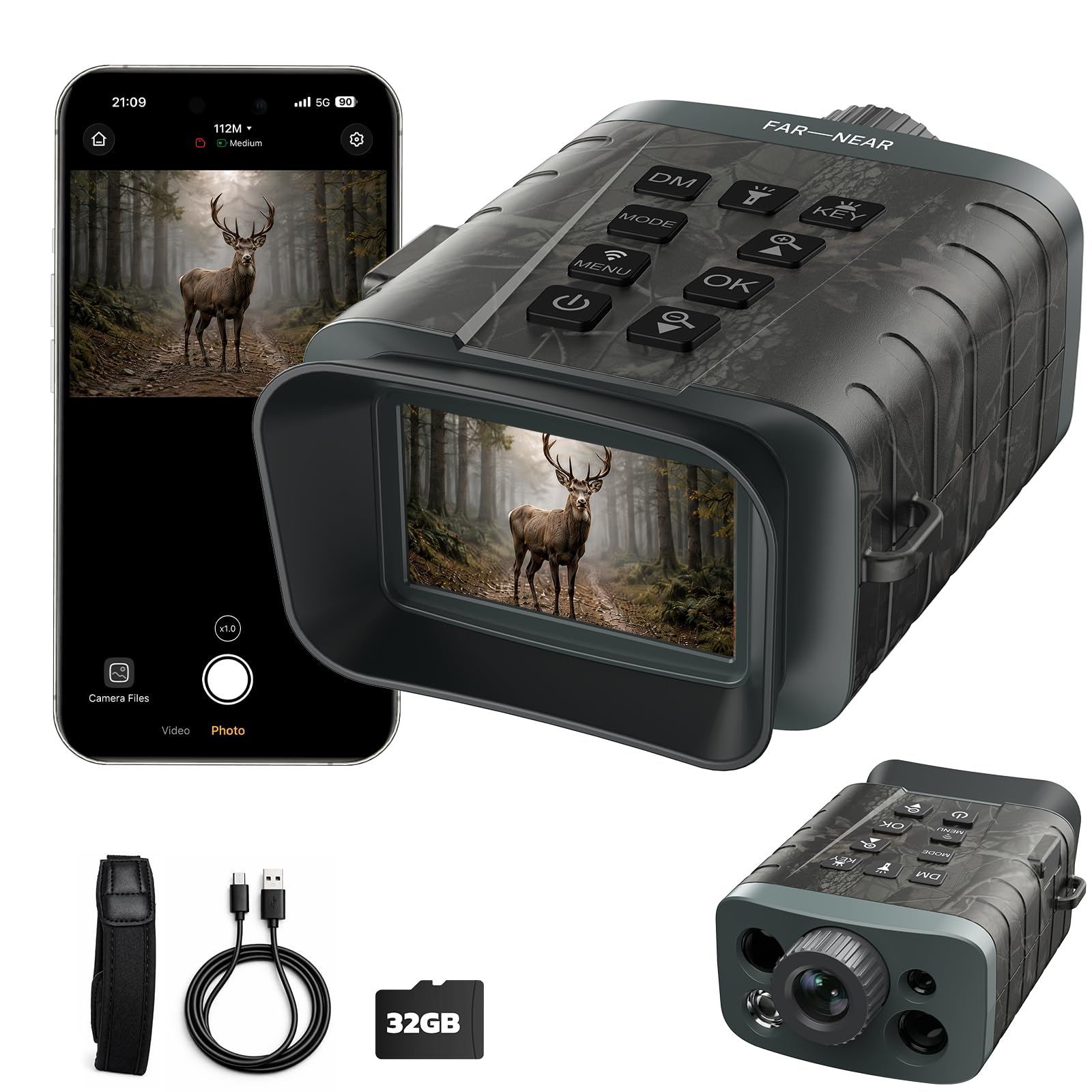
Digital pairs use a light sensitive sensor and a small screen instead of intensifier tubes, which keeps prices sane and adds photo and video recording. They shrug off bright light that would harm older tube designs, and most let you adjust gain as conditions change. The image looks like a camera feed rather than a view through glass, and battery life caps every outing. For most buyers in this guide, this is the class that actually delivers the night half of the keyword.
Full Size Daylight Binoculars
A conventional 8x42 or 10x42 remains the sharper tool while any daylight lasts, with a wider, brighter and more natural view than a screen can match. Hunters who glass ridges until last light and then switch tools often start here, and pages on best night vision binoculars for hunting assume that split for stand and field work. The catch is simple: once darkness is total, glass alone shows you nothing at all. Treat this class as a partner to a digital pair, not a substitute for one.
Compact Binoculars
Compacts in the 8x25 or 10x25 class slip into a jacket pocket and suit travel, stadium seats and casual overlooks. Their small objectives gather little light, so exit pupils near 2.5 to 3.1 mm dim quickly at dusk and give nothing at night. They are the wrong tool for serious distance after sunset, yet a fine second pair for daylight trips. Buy one for convenience, never as your main long range answer.
Tips to Get the Most From Your Pair
- Halve every stated range in your head before comparing pairs, so detection claims stop inflating your expectations.
- Mount any pair above 12x on a tripod for fixed watching, since support restores the detail that shake steals.
- Clean lenses with a soft cloth and blower only, because shirt fabric drags grit across coatings.
- Store the pair dry with the battery removed, which protects contacts and seals during long gaps between trips.
- Practice focus and gain controls at home in daylight, so adjustments come by feel once darkness falls.
Binoculars: Questions Answered
What features matter most in binoculars for long distance and night vision?
Illuminator strength, sensor sensitivity and honest detection range matter most, ahead of headline magnification. A strong 850 nanometer illuminator with a sensitive sensor will show you more at 200 yards than a weak unit claiming twice the range. Also weigh battery options and screen brightness controls, since a screen that cannot dim will ruin your night adaptation every time you lower the pair from your eyes.
How much should I spend on my first night capable pair?
About $250 to $600 buys a first pair that performs honestly, with a usable illuminator and a sensor that holds detail past 200 yards. Cheaper pairs work for yard watching but disappoint in open country, and pricier glass mostly adds reach you may not need. Keep some budget aside for a tripod adapter and spare batteries, because support and power shape real world results as much as the binoculars themselves do.
Can one pair really cover both daylight distance and full darkness?
Yes, a digital night vision pair covers both, but its daylight image is a screen image and looks flatter than the view through good glass. Many owners accept that trade for the ability to keep watching after dark with the same unit. If your daylight viewing is demanding, such as reading leg bands on birds, pair the digital unit with an ordinary 8x42 or 10x42 for daytime and let each tool do the half it does best.
Why does my night vision image look grainy at long range?
Grain appears when the sensor gain climbs to compensate for weak infrared light at distance. Digital zoom makes it worse, because zooming only enlarges the same pixels instead of gathering more detail. Move closer, raise illuminator power if your pair allows it, or accept a wider view with less magnification. A steady mount also helps, since shake blurs the few pixels carrying the target and the grain seems to double.
Is a smartphone enough instead of binoculars at night?
No, a phone cannot match a dedicated pair for this job. Phone cameras lack an infrared illuminator matched to a sensor tuned for it, and their digital zoom crops a small sensor image into mush at distance. A phone is fine for a quick snapshot of something close and lit. For scanning dark fields or watching wildlife past 100 yards, you need optics built for the task.
The Bottom Line
Judge every candidate on recognition distance rather than detection claims, match magnification to the support you will actually carry, and choose your illuminator wavelength by whether reach or stealth matters more on your ground. The product table above gathers the main classes in one place for a final check. Chosen with those three rules, the best binoculars for long distance and night vision will serve you from bright ridgelines to the last dark corner of the field.


