
Best Binoculars for Hunting Under 300 in 2026: What Each Price Tier Buys
Disclosure: We may earn a commission when you buy through links on this page, at no extra cost to you. As an Amazon Associate I earn from qualifying purchases. Learn more

Choose the best binoculars for hunting under 300 dollars by magnification, glass, field of view and low light clarity, with price tiers and a checklist.
Hunting binoculars span a wide price range, and spending more does not help if it buys the wrong size or glass. The best binoculars for hunting under 300 dollars balance brightness at dawn, a steady view, and sealing you can trust in rain.
Start with how you hunt most often. A woods hunter watching field edges needs a different view from a western hunter scanning ridges at a mile. The sections below sort buyers by terrain first, then explain glass, size, and price.


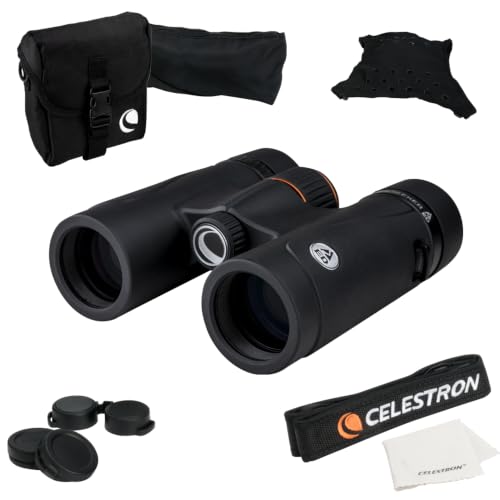


Who Should Buy Hunting Binoculars Under $300?
Your terrain, light, and carry distance decide more than brand or price alone. Pick the group closest to your season.
Woods Hunters Who Watch Edges and Clearings
You sit near timber, food plots, or small fields where most sightings stay inside 300 yards. An 8x42 gives a wider view for picking movement from brush and a steadier image when your hands are cold. Prioritize brightness and close focus over extra reach, because deer often appear close and in shadow.
Western Hunters Who Walk and Glass Open Country
You cover miles, sit on ridges, and scan slopes for an ear, antler, or patch of hide. A 10x42 adds useful reach, but it narrows your view and shows more hand shake. Choose lighter armor, a secure harness, and glass you can use for twenty minutes without eye strain.
New Hunters Building a First Kit Within Budget
You need one pair for deer, turkey, and scouting without draining money needed for tags, boots, and warm layers. Look near the middle of this budget first, where sealing and coatings improve a lot for a modest step up. Skip oversized models that stay home because they are heavy.
Key Features to Compare
Compare these factors in order, so price cannot hide weak glass.
Magnification and Objective Lens Size for Hunting Binoculars
The first number is power and the second is front lens width in millimeters, so 8x42 means eight times magnification with 42 millimeter objective lenses. An 8x42 is steadier and wider, suiting woods and moving animals. A 10x42 reaches farther for open country, but added power makes shake and dim light more obvious. Larger front lenses gather more light and add weight, while compact 8x32 models carry easier and give up some dawn brightness.
Field of View and Exit Pupil in Low Light
Field of view is how wide a scene you see at 1000 yards, often about 330 to 390 feet for an 8x42 and about 300 to 340 feet for a 10x42. A wider view helps you find an animal after spotting movement with your eyes alone. Exit pupil is front lens size divided by power, about 5.25 millimeters for 8x42 and about 4.2 millimeters for 10x42, and a larger exit pupil looks brighter at dawn.
Glass Quality, Coatings, and Color Clarity
Glass and coatings shape contrast more than power alone. Fully multi coated lenses pass more light and reduce glare toward a bright sky or wet leaves. ED glass, short for extra low dispersion glass, can sharpen edges and keep colors true, helping you separate brown hide from brown brush. Phase coating on roof prisms also improves contrast. Good coatings on a sound design often beat a larger lens with basic glass.
Eye Relief, Focus Wheel, and Close Focus
Eye relief is the distance your eye can sit from the rear lens and still see the full view, and about 15 to 19 millimeters suits most glasses wearers. Twist up eye cups and a diopter ring let you match the view to both eyes once, then leave it set. A large focus wheel you can turn with gloves matters in cold weather. Close focus near 6 to 8 feet helps when you check tracks or feathers while scouting.
Weather Sealing, Armor, and Weight for the Field
Hunting glass should be waterproof and fogproof, sealed with O rings and filled with nitrogen so inner lenses stay clear after a cold truck ride into warm air. Rubber armor guards against bumps on rocks and tree stand rails and gives wet hands a firmer grip. Most full size models here weigh about 22 to 30 ounces. A chest harness spreads that weight better than a neck strap while you climb or crawl.
What Each Budget Level Under $300 Buys a Hunter
Prices under $300 split into clear steps, each buying a different mix of glass, sealing, and build feel. For most hunters, the best binoculars for hunting under 300 dollars come from the step that matches their light and terrain, not from chasing the top price.
Entry Glass Around $80 to $150 for Casual Seasons
At around $80 to $150 you can expect sound 8x42 or 10x42 optics, basic multi coatings, and waterproof sealing on many models. The view is clear in daylight but edges soften and dawn images look gray sooner. This tier suits casual seasons or a spare pair for the truck.
Middle Glass Around $150 to $220 for Most Deer Hunters
At around $150 to $220 coatings improve, contrast rises, and focus wheels and eye cups feel smoother and more solid. Sealing tends to be stronger, and low light views stay useful a few minutes longer. For most deer and turkey hunters, this step gives the largest real gain per dollar.
Upper Glass Around $220 to $300 for Longer Glassing
At around $220 to $300 you may find ED glass, better phase coatings, a wider field of view, and smoother focus. These gains help during long sits and in dim timber, where small contrast differences decide whether you spot an antler tip. The view itself is fully capable for serious hunting.
Allow a little money beyond the binoculars. A chest harness costs around $25 to $50, and replacement eye cups or straps are minor costs. If a tighter budget matters, see our guide to the best hunting binoculars under $200 for what the lower step gives up. If you can stretch later, see our guide to the best hunting binoculars under $500 to judge that jump.
Common Mistakes to Avoid
- Choosing 12x or 15x power for woods hunting narrows your view so much that you miss close movement at field edges.
- Buying the largest objective lens without checking weight leaves you with binoculars you stop carrying on long walks.
- Ignoring eye relief if you wear glasses cuts off the outer view and makes quick sightings frustrating.
- Trusting a water resistant label instead of full waterproof and fogproof sealing risks fogged lenses on a cold morning hunt.
- Spending the whole budget on power while keeping basic glass gives you a bigger but duller image in dim light.
- Checking only across a bright store hides weak contrast that shows up at dawn in timber.
Care and Maintenance for Hunting Binoculars
Blow loose dust off first, then use a soft lens brush and a clean microfiber cloth with lens fluid if needed. Never use a shirt tail or paper towel on a dry lens, because trapped dirt can scratch the outer coating in one wipe.
After a wet hunt, let the binoculars dry at room temperature with caps off before storing them in a closed case. Check strap, harness clips, eye cups, and focus wheel for mud or looseness. Store the pair in a cool, dry place out of direct sun. If inner fog stays, that points to a failed seal and needs warranty service. A tripod adapter can help for long ridge sits.
FAQ
Can a hunter get good binoculars for under $300 for a full deer season?
Yes, a hunter can get good binoculars for under $300 that cover a full deer season well. The key gain at this budget is consistency in dim woods across many mornings, not a single standout spec. Mark your preferred strap length with tape, because a pair that sits at the same height each time is faster to lift without fumbling.
What does 8x42 or 10x42 mean on hunting binoculars for a new buyer?
On hunting binoculars, 8x42 means the image looks eight times closer through a 42 millimeter front lens, and 10x42 means ten times closer through the same size. Test the trade by watching a distant sign, then lowering the binoculars and finding it again. The size you can relocate fastest is often the right one for your ground.
Which hunting binocular size is better for low light at dawn and dusk?
An 8x42 hunting binocular is usually better for low light at dawn and dusk than a 10x42 of similar quality. Its larger exit pupil delivers a brighter looking image when light is scarce. Arrive early and let your eyes adjust for several minutes too, because good glass cannot offset eyes that just left bright headlights.
How much should a new hunter spend on a first pair of hunting binoculars?
A new hunter should plan on about $150 to $220 for a first pair in most cases. That range buys sealing and coatings you will not outgrow in one season, while leaving money for other core gear. Borrow a pair for one scouting trip first if you can, because an hour of use reveals eye comfort better than any spec list.
Do hunting binoculars under $300 need a chest harness or will a neck strap do?
A chest harness is worth it for hunting binoculars in this price range, though a neck strap will do for short sits near a vehicle. A harness stops swing and bounce while you walk, climb, or draw a bow, and it keeps lenses under a flap in light rain. That quiet carry is why many hunters stop leaving binoculars in the truck.
The Bottom Line
Match size to terrain first, glass and sealing second, and price tier third. Woods hunters usually thrive with a bright 8x42, open country hunters with a steady 10x42, and most buyers with the middle price step. Use the product table above to confirm weight, eye relief, and field of view.
Chosen that way, the best binoculars for hunting under 300 dollars become a tool you carry every hunt, not a purchase you second guess each season. Pick the pair you will actually bring and keep it dry and clean.


