
Best Binoculars for General Use in 2026: Which One Fits the Way You Use It?
Disclosure: We may earn a commission when you buy through links on this page, at no extra cost to you. As an Amazon Associate I earn from qualifying purchases. Learn more

Match the best binoculars for general use to your routine, with clear guidance on 8x42 versus 10x42, eye relief for glasses, weight and price.
There is no single binocular that wins at everything, and that is good news, because it means you can pay for the strengths you will actually use. Shoppers hunting for the best binoculars for general use face sizes from pocket compacts to full size field glass, all claiming to do it all. This guide starts from your routine instead of a spec sheet, so the pair you buy fits your weekends, your yard, and your travel bag.
One honest anchor helps before the details: an 8x42 is the all round class for most buyers, balancing brightness, size, and price in a single pair. A 10x42 trades a slice of that field of view for extra detail at distance, which suits some routines and not others. The sections below sort out eye relief, weight, and sealing.
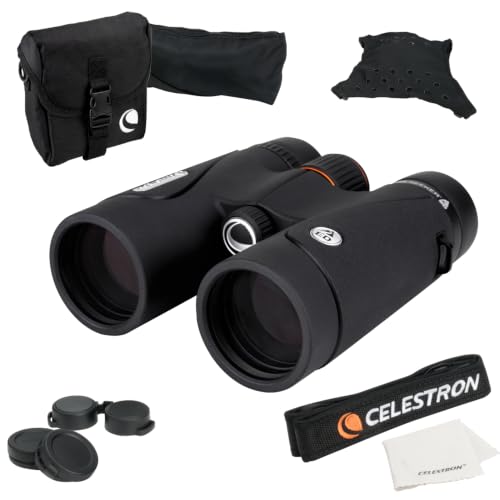


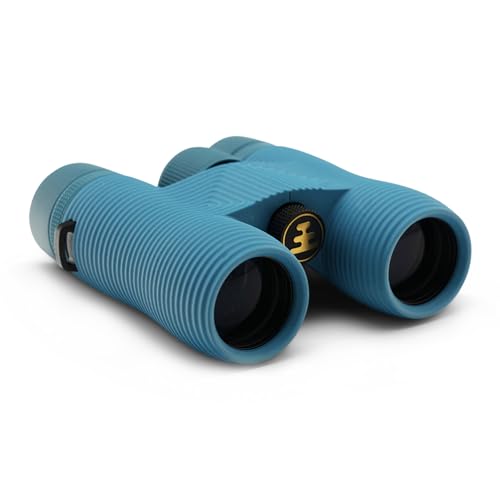

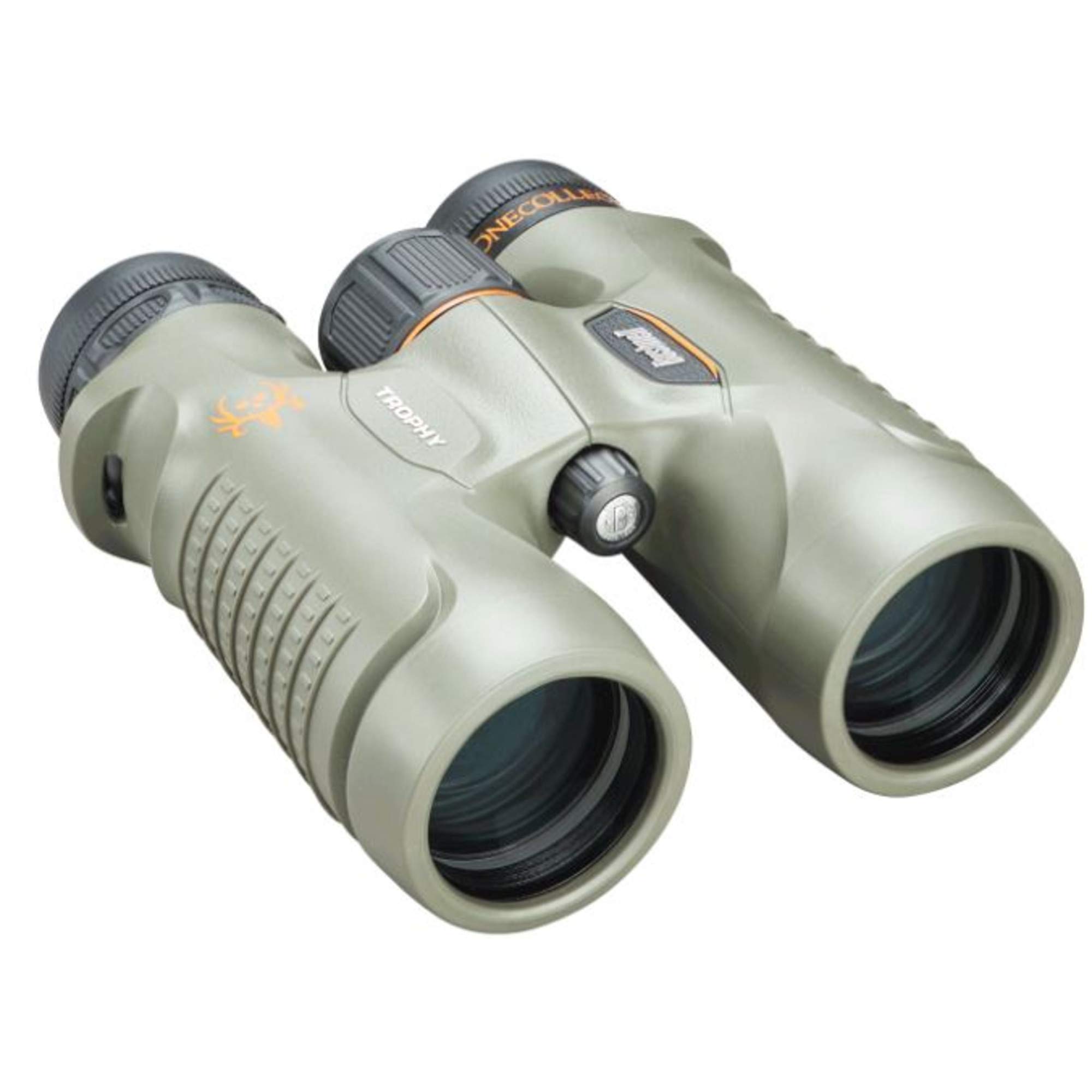


Who Should Buy Which of the Best Binoculars for General Use?
Here, general use means one binocular that serves several viewing jobs without excelling at only one of them.
For Travelers and Day Trippers
If the binocular rides in a carry on bag or a daypack, weight governs how much you will carry it, and a compact 8x25 or mid size 8x32 is the honest pick. These sizes cover sightseeing, harbor views, and stadium seats without ruling your packing list. Travelers who spend days on the water lean toward sealed models, the same quality covered in our guide to best binoculars for marine use. Buy the smaller pair without guilt, because the best travel glass is the pair that is actually with you.
For Backyard and Garden Watchers
Backyard viewing rewards a different spec: close focus. Birds at a feeder may sit only ten or fifteen feet away, so look for a pair that focuses down to about six feet and keeps the image sharp there. An 8x42 on the kitchen counter gives a bright, relaxed view at dawn and dusk, when feeders are busiest. Garden watchers also notice hand shake less at 8x, which makes long, patient looks at one branch far more pleasant.
For Sports and Event Fans
Following a play across a field or a rider across an arena is a field of view problem first and a power problem second. A wide view at 8x keeps the action framed without constant searching, while 10x helps only when your seat is truly far from the action. Weight matters here too, since a pair hangs around your neck for hours. Fans who attend both outdoor games and indoor concerts often settle on an 8x32 as the one pair for every ticket.
Key Features to Compare
Magnification and Objective Size
The two numbers on every binocular, such as 8x42, set the character of the view. The 8x42 is the all round class because it pairs a generous field of view with an exit pupil of about 5.3 mm, bright enough for shade and dusk. The 10x42 trades field for detail, narrowing what you see while making distant subjects larger, and its smaller exit pupil of about 4.2 mm dims sooner. Pick 8x42 for mixed routines and 10x42 only when distance dominates your viewing.
Eye Relief for Glasses Wearers
Eye relief is the distance your eye can sit from the eyepiece while still seeing the full view, and eye relief governs whether a glasses wearer gets that full view or a cut off circle. Look for about 15 mm or more, and check that the eyecups twist down smoothly so your glasses can sit close. Our guide to best binoculars to use with glasses goes deeper on eyecup styles and relief numbers. Even without glasses, generous relief makes the view quicker to find and easier to hold.
Weight and Size
Weight governs carry more than any brochure admits. Compacts weigh about ten ounces, mid size pairs about a pound, and full size pairs about a pound and a half, and each step up buys brightness with bulk. A padded neck strap or a simple chest harness spreads the load on long days. Be honest about your routine: a lighter pair that comes along beats a brighter pair that stays in a drawer, season after season.
Durability and Weather Sealing
A general use pair gets rained on, tossed in a boat bag, and left in a hot car, so sealing is cheap insurance. Waterproof models keep rain and splashes outside the barrels, and fog proof models are purged with nitrogen so the inner lenses stay clear through temperature swings. Rubber armor softens the knocks that busy households deliver. If your routine is gentle and indoor, sealing matters less, but for yard, travel, and water use it should sit near the top of your list.
Common Mistakes to Avoid When Buying Binoculars
- Buying the highest magnification on the shelf, then fighting hand shake in every view.
- Ignoring eye relief and discovering the view shrinks whenever you wear glasses.
- Choosing a heavy full size pair for travel and leaving it at the hotel.
- Skipping weather sealing on a pair that will live in a boat or a garden shed.
- Paying for premium glass when your routine is bright daylight viewing only.
How to Make Your Pair of Binoculars Last Longer
Clean lenses with a proper lens cloth, never a shirt tail, because trapped grit scratches coatings over time. Store the pair in a dry, padded bag with the caps on, away from radiators and sunny windowsills. Check the strap and hinge tension once a season, and tighten a loose center hinge before it starts to wander. Kept that way, a mid priced pair serves a household for many years.
Frequently Asked Questions
What features matter most in binoculars for general use?
A balanced size, honest sealing, and comfortable focus matter most for mixed use. One factor that rarely makes the spec sheet is focus wheel feel: a smooth, moderately firm wheel lets you track a moving subject without overshooting, while a stiff or gritty wheel tires your finger fast. Try the wheel before you buy if you can, because you will use it far more than any other control on the binocular.
How much should I spend on my first binocular?
Most first time buyers land happily between about $80 and $250. Below that band, sealing and coatings thin out quickly, and above it the gains turn subtle for casual routines. One point worth checking at any price is the warranty length, since coverage on parts and labor varies widely between makers at the same price. A longer warranty often signals a pair built to be repaired rather than replaced.
Is a smartphone enough instead of a binocular for general use?
No, a smartphone is not enough once your subject sits more than a short walk away. A phone crops into a small sensor, so distant birds, players, and landmarks turn soft and grainy, while a binocular shows them steady and clear at the same moment. Phones also drain fast in cold weather and glare badly in bright sun. Keep the phone for photos and notes, and let the binocular do the looking.
Which binocular size is better for low light general use?
The 8x42 is better for low light general use, because its larger exit pupil keeps porch light, garden shade, and dusk views brighter. Porch and yard watchers gain one more advantage from 8x: a wider view that finds a moving bird faster in dim corners. The 10x42 still works at dusk, but it asks for steadier hands and gives back a dimmer picture for the trouble.
What specs matter most for beginners choosing binoculars?
Beginners should start with the 8x42 size, a center focus wheel, and a weight they can hold steady for a full minute. Add the interpupillary distance to your checklist, since the barrels must adjust to match your eye spacing or the two circles will never merge into one clean image. Most pairs fit most adults, but children and petite users should confirm the minimum setting before buying.
What does 8x42 or 10x42 mean on a binocular?
The first number is magnification, so a subject looks eight or ten times closer, and the second number is the objective lens width in millimetres. The numbers also hint at the size class in your hand: 42 mm models are full size, 32 mm models are mid size, and 25 mm models are compacts. Reading the pair of numbers that way turns a confusing shelf into three simple carry choices.
Final Thoughts
Start from the routine you repeat most, then check the fit numbers. For a spec-led view of the same shelf, see our guide to best general purpose binoculars. The product table above collects the main classes in one place for a quick compare. Chosen by routine, the best binoculars for general use stop being a guess and become the pair that is simply there when you reach for it.


