
Best Binoculars for Marine Use in 2026: Budget, Midrange, and Premium Tiers
Disclosure: We may earn a commission when you buy through links on this page, at no extra cost to you. As an Amazon Associate I earn from qualifying purchases. Learn more

Compare marine binoculars by budget, magnification, sealing, field of view and compass options, so you can choose a steady, clear pair for life on the water.
Marine binoculars span a wide price range, and the priciest pair is not always right for your boat. The best binoculars for marine use stay steady on a moving deck, stay clear in spray and fog, and show a wide view of the water ahead. This guide shows where extra money helps, so you can read the comparison table below with a clear budget.
Start with how you go on the water. A sailor crossing open bays needs a different pair from a kayaker in a sheltered harbor or a passenger scanning for dolphins. The sections below match each boater to magnification, sealing, brightness, and a fitting price tier.


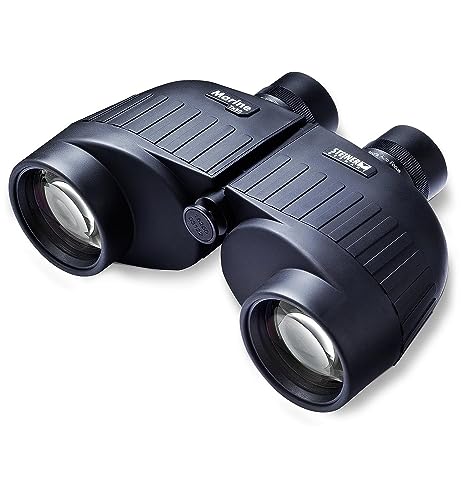


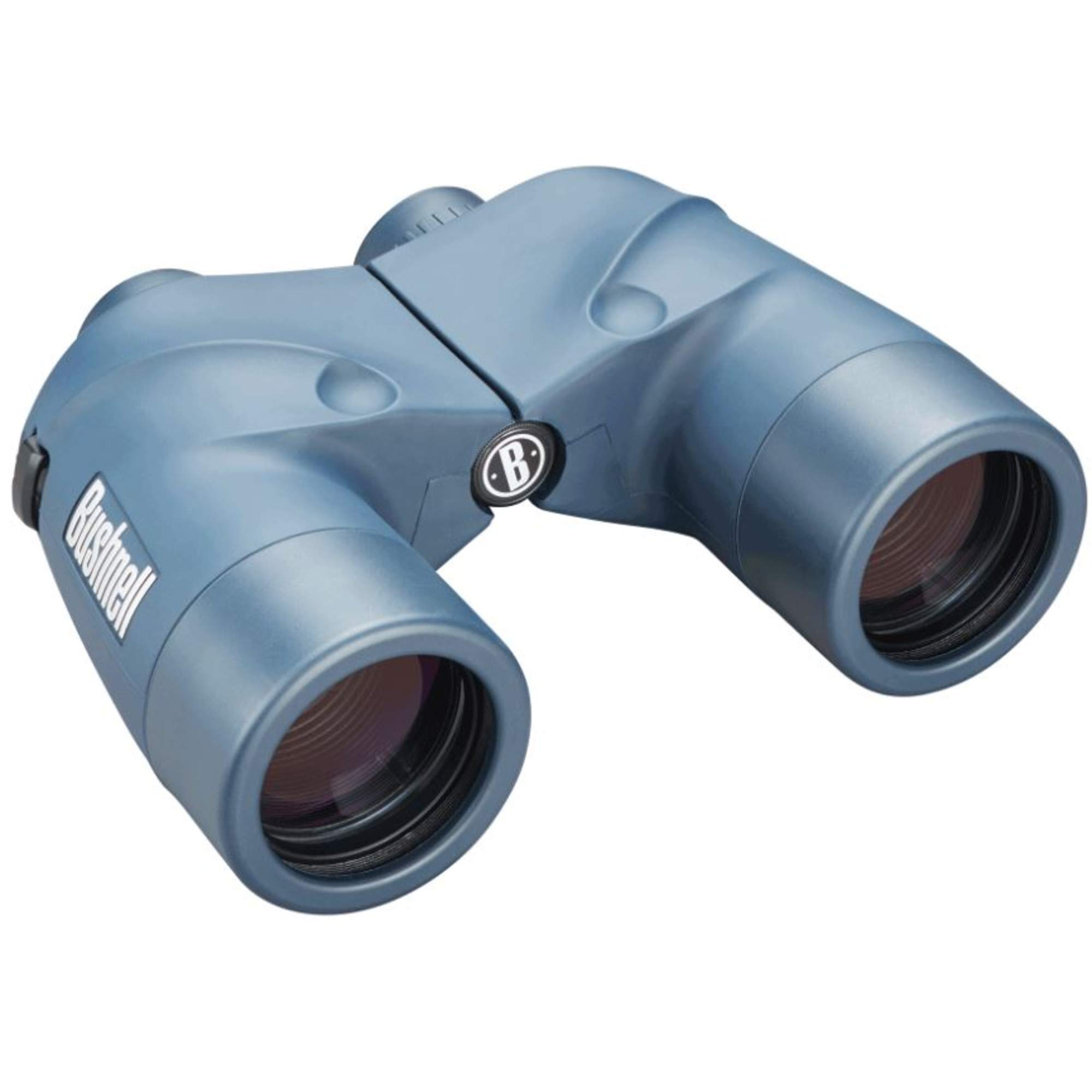

Who Should Buy Which Marine Binoculars?
Pick by the water you cover most often. Motion, distance, and spray should drive the choice more than brand or price.
Sailors and Powerboat Owners on Open Water
You scan for channel markers, traffic, and shoreline changes from a deck that rarely sits still. Choose a full size 7x50 pair with a wide field of view, because lower magnification stays steadier in waves and large front lenses keep the view bright. Add a floating strap, since a dropped pair is gone in seconds without one.
Anglers and Harbor Watchers in Low Light
You look across dull water at dawn or dusk, when buoys and birds blend into glare and shadow. Choose large objective lenses and quality coatings, because those traits decide how much detail survives in flat light. A built in compass helps you note the bearing of a feeding flock or a drifting marker.
Cruise Passengers and Kayakers With Little Storage Space
You need a pair that fits a small bag, hangs light around your neck, and still works near spray. A compact 8x32 or 8x42 pair is easier to carry all day and quicker to lift for a passing whale. Sealing still matters, because salt spray reaches calm harbors too. For land travel with the same pair, see our guide to the best general use binoculars.
Key Features to Compare
When you compare the best binoculars for marine use, work through these six factors in order. Together they decide whether a pair stays clear and steady season after season.
Magnification and Objective Lens Size for a Moving Deck
The first number in 7x50 is magnification, and the second is front lens diameter in millimeters. On a boat, 7x is the classic choice because the image shakes less as the deck rolls. A 50 mm objective raises the exit pupil to about 7 mm, keeping the view bright at dawn, while 10x suits only stable docks or large vessels.
Waterproof Sealing and Fog Resistance in Salt Air
Marine binoculars should be fully sealed, not merely resistant to light rain, because spray and squalls are normal on deck. Bodies filled with dry nitrogen resist internal fog when you move between a cool cabin and warm, humid air. Check the stated waterproof rating before you buy, and rinse salt off after each outing.
Field of View, Prisms, and Lens Coatings
Field of view tells you how wide a stretch of water you see at once, stated as feet at 1,000 yards. Around 350 feet or more for a 7x pair helps you find a marker and hold it in frame while the boat moves. Porro prism models give a broad, bright image, roof prism models pack smaller, and fully multi coated lenses with BAK 4 prisms reduce glare.
Focus System, Compass, and Reticle Choices
Most marine pairs use a center focus wheel or individual focus for each eye. Individual focus suits open water, since you set each eye once and distant objects stay sharp. A center wheel suits harbors, where distances change quickly. Some models add a lighted compass and a range reticle for bearings and distance estimates. For those tools, see our guide to the best marine binoculars with compass.
Eye Relief, Armor, and Grip With Wet Hands
Eye relief is the distance your eye can sit from the eyepiece while still seeing the full view, and about 17 to 20 mm suits most glasses wearers. Twist up eyecups let you set that distance quickly. If you wear glasses full time, see our guide to the best binoculars to use with glasses. Rubber armor and a ridged housing add grip with wet or gloved hands.
Stabilization for Higher Magnification on Boats
Stabilized binoculars use powered internals to calm image shake, letting you use 10x, 12x, or 14x magnification on a moving deck without the view swimming. That help costs a lot, adds weight, and needs batteries, so it suits offshore crews reading distant vessel names. At 7x, most boaters solve the same problem for far less. To weigh that upgrade, see our guide to the best marine stabilized binoculars.
What Each Price Tier Gets You in Marine Optics
Price tiers here track glass quality, sealing, and extras like a compass. If value matters most, see our guide to the best marine binoculars for the money.
Budget Tier: Sealed Basics for Calm Water
Budget marine binoculars cost about $80 to $150 and usually give you a 7x50 or 10x42 format, basic waterproof sealing, and simple coatings. The view stays clear in the center on bright days, though edges may soften and dawn brightness is limited. This tier suits harbor trips, ferries, and a spare pair for guests. Add a floating strap if one is missing.
Midrange Tier: Better Glass and a Compass Option
Midrange models cost about $150 to $350, and most boaters should shop here. You gain sharper coatings, a wider and flatter field of view, stronger sealing, and smoother focus controls for cold or gloved hands. Many pairs add a built in compass, long eye relief, and tougher armor. For weekend sailing and fishing, this tier balances clarity, durability, and price well.
Premium Tier: Stabilization and Sharp Views Edge to Edge
Premium marine binoculars cost about $400 to $900, and stabilized models can cost more. You pay for glass that stays sharp across the whole field, strong brightness in poor light, refined compass lighting, and in some cases electronic stabilization. These traits pay off for offshore passages and professional crew. Casual harbor users rarely gain enough to justify the jump. Also budget for a dry case, cleaning supplies, and batteries, and check warranty terms on sealing before you buy.
Common Mistakes to Avoid
- Choosing 10x or higher magnification for a small boat makes the view shake so much that distant markers become harder to read.
- Buying binoculars rated only as water resistant for deck use lets spray and squalls fog the optics from the inside.
- Ignoring field of view leaves you scanning back and forth for a buoy that a wider view would hold in one frame.
- Skipping a floating strap means a pair dropped overboard sinks before you can turn the boat around.
- Judging brightness by magnification alone leads to a dim dawn view, because objective size and coatings decide the light you get.
- Storing binoculars wet in a closed locker invites mold on the lenses and corrosion around the focus wheel.
Care and Maintenance for Marine Binoculars
After each outing, rinse the outside gently with fresh water if the maker rates the pair as waterproof, then pat it dry. This removes salt that would otherwise dry into crystals on seals, hinges, and lens edges. Work the focus wheel a few turns while rinsing, so grit does not settle in one spot.
Clean lenses only when needed, and blow loose grit off first so you do not drag it across the coating. Use a lens cloth with light pressure, moving from the center outward. Store the pair in a dry case with caps on, away from engine heat and sun. Check strap anchors each season, and replace a frayed strap early.
FAQ
What features matter most in binoculars for marine use on open water?
Sealing, a wide field of view, and 7x magnification matter most on open water. One point buyers overlook is weight, because a heavy pair strains your neck during long scans from the helm. A chest harness spreads that load and keeps the binoculars from swinging against the wheel or rail when the boat pitches.
Which magnification is better for low light marine binoculars, 7x50 or 10x42?
A 7x50 pair is better in low light, because its larger exit pupil delivers a brighter image and its lower power stays steadier. Age plays a part, since pupils open less widely as we get older, so some older viewers gain less from a full 7 mm exit pupil. The steadier image still makes 7x50 the safer dawn choice.
Do marine binoculars float if they fall overboard?
No, most marine binoculars do not float on their own, even though they are sealed against water. The floating strap keeps a dropped pair at the surface, and its bright color makes it easier to spot among waves. Test the strap in shallow water beside the dock first, so you know it holds your pair with its caps attached.
How much should I spend on my first pair of marine binoculars?
Most first time buyers do well in the midrange, at about $150 to $350, where sealing and glass quality become dependable. Set aside a small amount for a floating strap and a hard case, because those items protect the purchase from the most common losses at sea. Rare, calm harbor trips are the main case for starting in the budget tier.
What does 7x50 mean on marine binoculars?
On marine binoculars, 7x50 means the image appears seven times closer, viewed through front lenses 50 mm across. A useful extra check is the interpupillary distance range, which shows whether the barrels move close enough or wide enough to match your eye spacing. Outside that range, you will see dark edges instead of one merged view.
Wrapping Up
Match magnification to the motion of your boat first, then check sealing and brightness, and only then compare compass and stabilization extras. Most boaters land happily in the midrange, while offshore crews gain real value at the premium end. Use the product table above to compare field of view, eye relief, and price.
Chosen with those points in mind, the best binoculars for marine use will read markers clearly, shrug off spray, and stay ready in the locker season after season.


