
Best Binoculars for Dusk and Dawn in 2026: Every Type Explained Side by Side
Disclosure: We may earn a commission when you buy through links on this page, at no extra cost to you. As an Amazon Associate I earn from qualifying purchases. Learn more

Choose the best binoculars for dusk and dawn by comparing each type's pros and cons, ideal users and price range.
Light fades fast at the edges of the day, and a binocular that looks fine at noon can turn dim and muddy at sunset. The best binoculars for dusk and dawn gather more of that weak light, so shapes and movement stay clear a few minutes longer. This guide compares each type by brightness first, then by size and price.
Start with where you watch most. A hunter scanning a field edge, a birdwatcher at the dawn chorus and a boater checking harbor markers all face the same fading light, but they need different fields of view. The sections below match each situation to a type and a set of numbers to check.


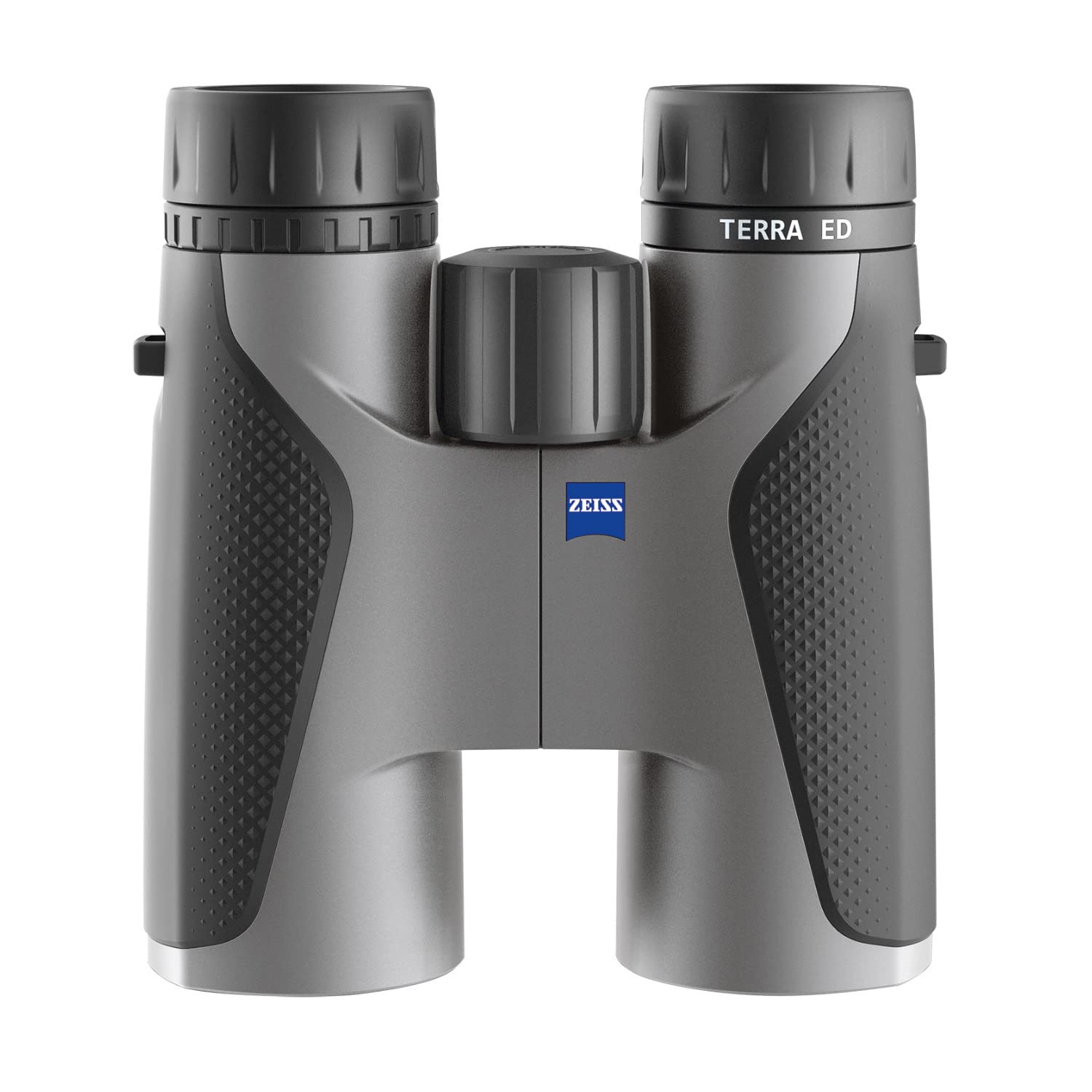


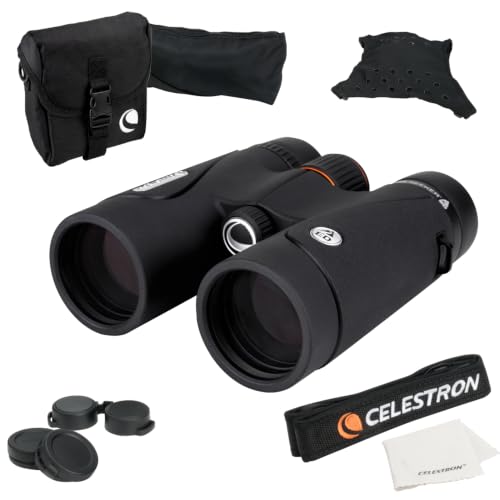


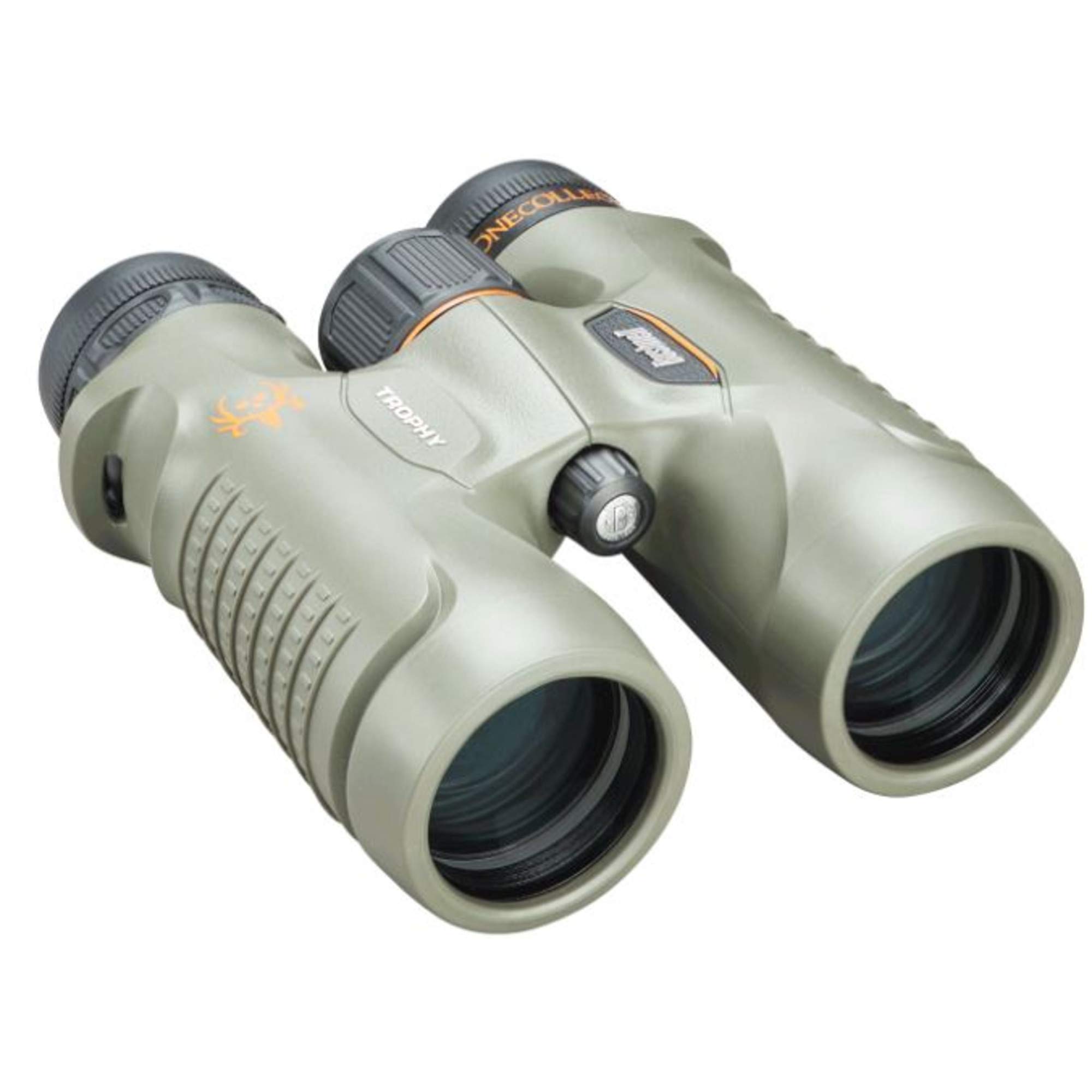
Types of Binoculars Compared for Low Light Use
Every type below uses the same basic optics, but lens size, magnification and bulk change how bright the view looks at twilight.
Full Size Binoculars
Full size binoculars carry objective lenses of about 42 to 56 mm, and that wide front glass is why they lead this category. Formats such as 8x42 and 8x56 pass a generous beam of light to your eyes, so detail holds up as color drains from the scene. They weigh about 24 to 36 ounces, which suits steady watching from a stand or a porch. Expect about $150 to $600 for sound glass in this size.
Mid Size Binoculars
Mid size binoculars use objective lenses of about 32 mm, trading some brightness for a lighter carry. An 8x32 works well in the brighter minutes of dawn and on trails where you walk far between stops. Once true twilight settles in, the smaller lenses fall behind, and shadows merge sooner. Choose this type if weight decides whether you bring binoculars at all, at about $120 to $400.
Compact Binoculars
Compact binoculars fold small, often with objective lenses of about 25 mm, and they slip into a jacket pocket. That tiny front glass is their limit at dusk, since a 10x25 sends only a narrow beam of light to your eyes and the view dims early. Compacts still help at concerts and bright morning walks. For serious twilight watching they are a backup rather than a main pair, at about $50 to $250.
Image Stabilization Binoculars
Image stabilization binoculars use powered internal elements to calm hand shake, which lets higher magnification stay usable. A steady 12x or 14x view can help you read a distant marker or follow a bird across water. These models cost more, weigh more and need batteries that cold mornings drain faster. Most run about $400 to $1,500, so choose them when shake is the main problem that limits your current pair.
Full Size Binoculars vs Compact Binoculars: Which Should You Choose?
Put brightness first and the answer is clear, since a full size pair gathers far more light and shows detail later into the evening. Compacts win only on carry, fitting a pocket and adding almost no weight. Full size models usually show a wider scene, which helps you find moving animals at dawn. If your watching happens mainly at twilight, choose full size and accept the bulk.
If you split your time between travel days and short twilight sessions, a mid size pair can bridge the gap. Our guide to the best rated compact binoculars shows what the small format does well before you trade brightness for portability.
How to Choose the Right Pair of Binoculars
When you shop for best binoculars for dusk and dawn performance, start with the numbers that control brightness, then check comfort and build. The five factors below explain what each spec does and who should choose which option.
Front Lens Size and Exit Pupil for Low Light Glassing
The objective lens is the front glass, and its diameter in millimeters is the second number in a format such as 8x42. Divide that number by the magnification and you get the exit pupil, the width of the light beam reaching your eye, so an 8x42 gives about 5.3 mm. Your own pupil opens to roughly 5 to 7 mm in dim light, and a beam near that width looks brightest. Favor 42 mm or larger lenses, since a narrow beam wastes light your eye is ready to take in.
Magnification, Twilight Detail and Field of View
Magnification is the first format number, and lower power usually wins at twilight. An 8x view is brighter, steadier and wider than a 10x view through the same size lens, and that width helps you pick up movement at a woodland edge. A 10x view suits open fields and water, where distance matters more and you can brace your elbows. Look for a field of view of at least about 300 feet at 1,000 yards if you follow moving game.
Lens Coatings and Prism Quality
Glass coatings decide how much gathered light actually reaches your eyes instead of bouncing away inside the barrels. Look for fully multicoated optics, which means coatings on all air to glass surfaces, and phase coated prisms in roof prism designs, which keep contrast sharp. BaK 4 prism glass passes light more cleanly than cheaper BK 7 glass, and extra low dispersion glass can reduce color fringing around backlit branches. Birdwatchers who need true color should weight this factor heavily, and our guide to the best binoculars for birdwatching covers color based identification in more depth.
Eye Relief and Focus Control at Twilight
Eye relief is the distance your eye can sit from the rear lens while still seeing the full view, and about 15 mm or more suits glasses wearers. Twist up eye cups help you set that distance quickly in dim light. The central focus wheel should turn smoothly with a fingertip, even with gloves on, since focus shifts often as animals move between light and shadow. Check the diopter adjustment too, because it balances your two eyes.
Durability and Weather Sealing for Damp Mornings
Dawn air is damp, and a binocular can fog inside if moist air reaches the optics. Choose a weatherproof build that is sealed with rubber rings, filled with nitrogen and rated waterproof, so internal fogging cannot ruin a cold morning. Rubber armor absorbs knocks and gives wet hands a firmer grip. If you hunt in wet cover, our guide to the best rated binoculars for hunting looks at sealed builds made for rough field use.
Common Mistakes to Avoid
These errors cost buyers the brightness that twilight watching cannot spare.
- Choosing 12x magnification in a small lens leaves the view dim and shaky just when light gets scarce.
- Buying compact binoculars as a main twilight pair means shadows close in minutes earlier than they should.
- Ignoring the exit pupil leads to a pair whose light beam is narrower than your dark adapted eye can accept.
- Skipping lens coatings to save money wastes light that the large front lens already gathered for you.
- Checking a pair only under bright store lights hides the weak contrast that shows up at sunset.
- Carrying binoculars without a strap or case invites a drop that knocks the two barrels out of alignment.
Care That Keeps Low Light Optics Clear Season After Season
Clean the lenses with a soft lens cloth, never your shirt, since grit trapped in fabric can scratch coatings. Blow loose dust off first, then wipe in small circles from the center outward. Store the pair in a dry, padded bag with the caps on, away from car heat and damp basements.
After a wet outing, let the binocular dry at room temperature before you close the case. Check the strap, hinges and focus wheel each season. If the two barrels ever show a doubled image after a fall, stop using the pair and send it for professional alignment rather than forcing your eyes to merge the view.
FAQs About Binoculars for Dusk and Dawn
What features matter most in binoculars for dusk and dawn viewing?
Brightness decides the answer, so objective lens size, exit pupil and quality coatings matter most in binoculars for dusk and dawn viewing. One extra check helps, since some makers list light transmission as a percentage, and a higher figure means more gathered light reaches your eyes.
How much should I spend on a first pair of binoculars for low light use?
Plan on about $150 to $300 for a first pair of binoculars for low light use with 42 mm lenses and sound coatings. Below that range, glass and coatings usually give up brightness. Keep a small part of the budget for a comfortable harness strap, since a pair that rides well gets carried more often.
What does 8x42 or 10x42 mean on binoculars?
The first number is magnification and the second is objective lens size in millimeters on binoculars, so 8x42 magnifies eight times through 42 mm front lenses. A 10x50 and an 8x40 both give an exit pupil of about 5 mm, so their views can look closer in brightness than the lens sizes suggest. Exit pupil is explained in full in the buying factors above.
Is a smartphone enough instead of binoculars at dusk?
No, a smartphone is not enough instead of binoculars at dusk for most wildlife watching. Phone zoom crops a small image, so detail breaks down fast in weak light, and the bright screen spoils the dark adaptation your eyes build over about twenty minutes outside. Use the phone for a quick photo, then put it away.
Which binocular configuration is better for low light, 8x42 or 10x50?
An 8x42 is better for low light in woods and for handheld watching, while a 10x50 suits open fields and shorelines. The 8x42 gives a wider, steadier view that is easier to hold on a moving animal among trees. The 10x50 weighs more, so rest it on a railing when you can. See our guide to the best rated binoculars for more on formats.
The Bottom Line
Match the type to your outing, then let three numbers guide the choice: an objective lens of at least 42 mm, an exit pupil near 5 mm or wider, and magnification you can hold steady. Check candidates against those points in the product table above.
With those points in mind, the best binoculars for dusk and dawn extend your watching by the minutes that matter most, when animals move and light turns golden. Pick the pair you will carry gladly.


