
Best Binoculars for Bear Watching in 2026: Everything to Know Before Your First Purchase
Disclosure: We may earn a commission when you buy through links on this page, at no extra cost to you. As an Amazon Associate I earn from qualifying purchases. Learn more

Choose the best binoculars for bear watching at dawn and dusk, with plain guidance on magnification, lens size, field of view and weather sealing.
Watching a bear feed along a river or cross a meadow is slow, quiet work, and you do it from far away. The best binoculars for bear watching bring that distance closer without pulling you into the animal space, and they stay clear in the dim light when bears are most active. This guide explains each spec in plain English.
If you have never bought binoculars, begin with how and where you will watch. A visitor scanning a broad valley from a pullout needs a different balance of power and brightness from a hiker glassing a forest edge at dusk. Distance, light and how long you hold the pair will shape every choice that follows.

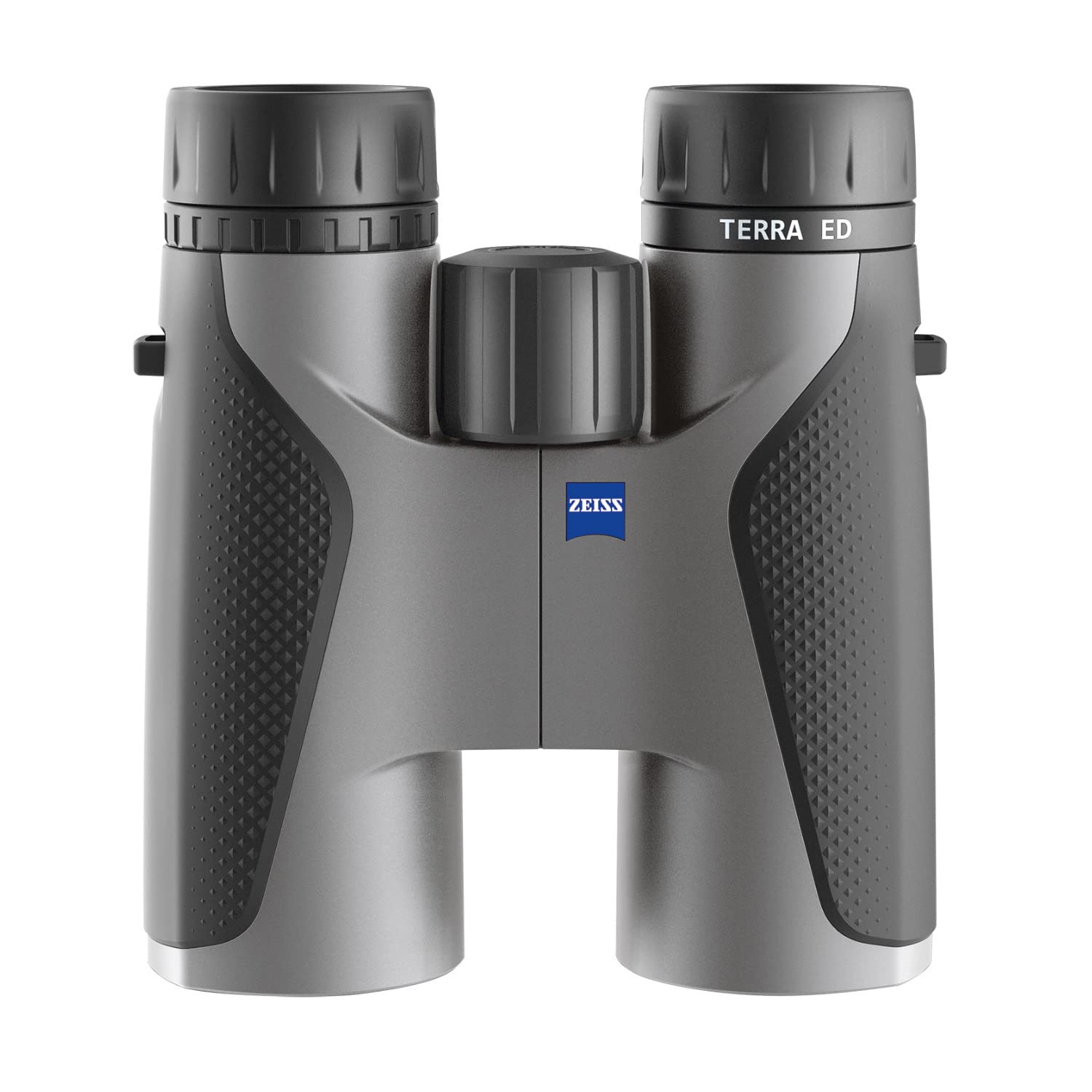


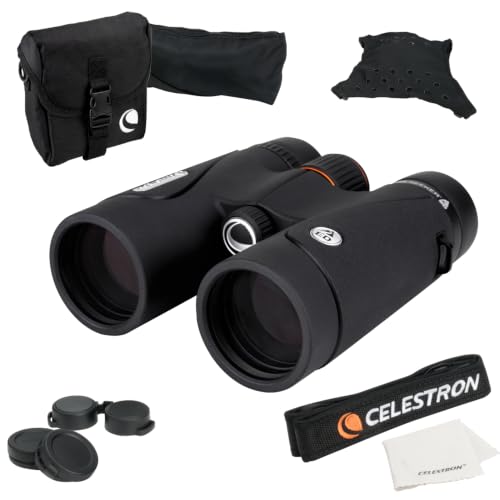


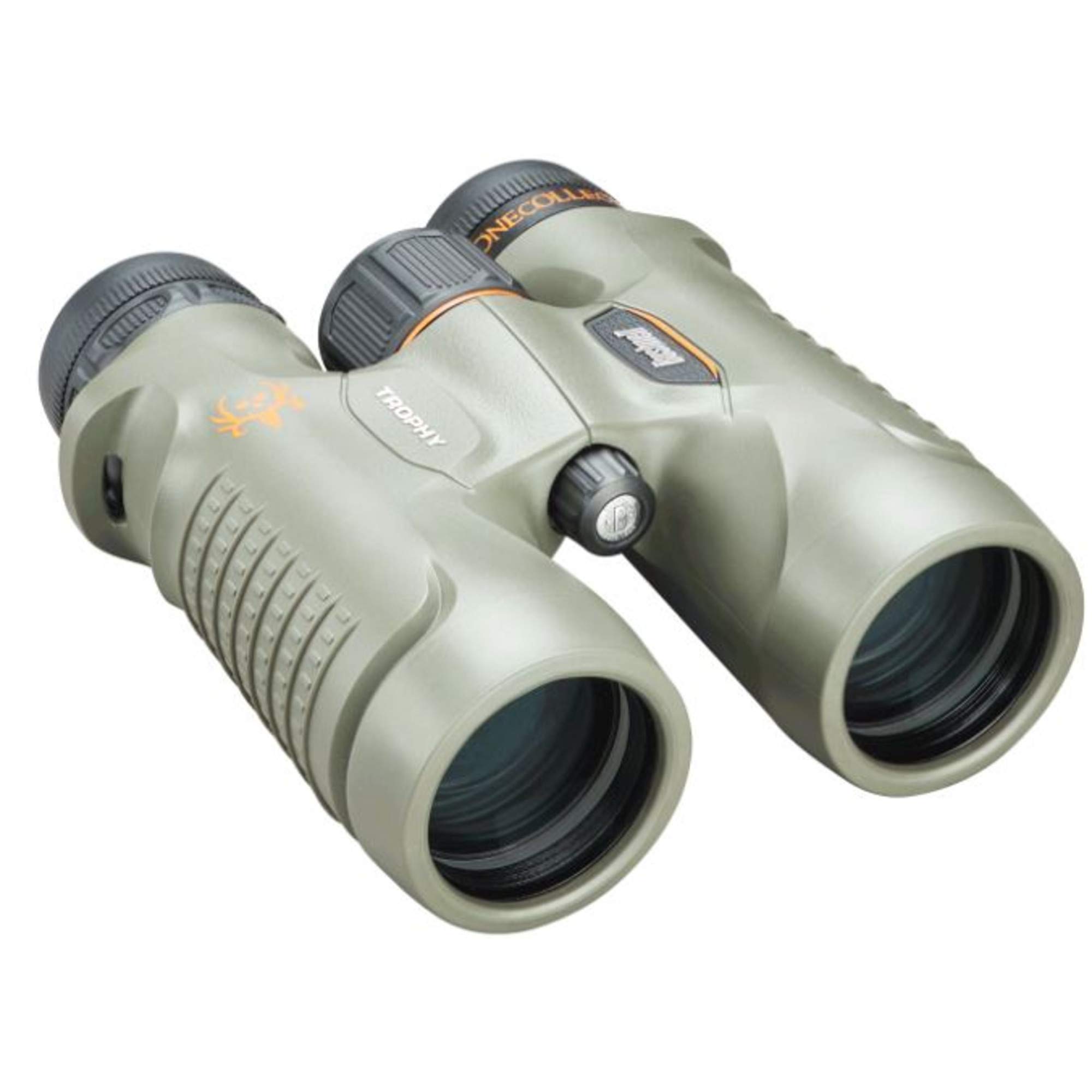


Binoculars 101: The Basics for a First Pair
A pair of binoculars is two small telescopes joined side by side, one for each eye. Light enters the large front lenses, passes through prisms that correct the image, and reaches your eyes through the eyepieces. Using both eyes gives a natural sense of depth, which helps you place a bear among rocks and brush. Full size pairs give the brightest view, while compact pairs fold smaller but gather less light, so most first time buyers should start full size.
Who Should Buy Which Binoculars for Bear Watching?
Match the pair to the ground you visit most. The best binoculars for bear watching on a coastal plain will feel wrong on a shaded forest trail, because distance, light and cover change what you need most.
Shore and River Watchers Who Scan Open Ground
You watch from pullouts, banks and boardwalks, often at long range across water or flat meadows, so 10 times magnification suits you if you can brace your elbows and hold it steady. For coastal viewing in a similar style, see our guide to the best binoculars whale watching.
Forest Trail Watchers Who Need a Wide View
You look for movement between trees, along creek beds and at the edge of clearings, where a bear can appear much closer. Choose 8 times magnification and a wide field of view, since a narrow view makes the animal hard to find in time. Woodland birding rewards the same wide view, so see our guide to the best binoculars bird watching if you watch both.
Dawn and Dusk Watchers Who Glass for Long Periods
You arrive before sunrise or stay near sunset, when bears feed in dim light and you may glass for an hour without a break. Choose a bright 42 millimeter front lens, comfortable eyecups and a weight your arms can handle. A chest harness spreads the load better than a thin neck strap. For broader trips, see our guide to the best binoculars for animal watching.
Key Features to Compare
Compare these six factors in order. Together they decide how bright, wide and steady the view feels, and how well the pair survives wet trails and cold mornings.
Magnification and Keeping the Image Steady
Magnification tells you how much closer a bear appears. A setting of 8 times makes a bear 200 yards away look as if it stood about 25 yards away, while 10 times adds reach for open ground. Higher power also magnifies hand shake and narrows the view, so the image can swim when you are cold or tired. Most first time buyers do better with 8 times.
Objective Lens Size and Low Light Brightness
The objective lens is the large front lens, and its diameter is measured in millimeters. A larger front lens gathers more light, which helps you separate a dark bear from dark brush at dawn and dusk. A 42 millimeter lens is the common balance, bright enough for dim light without bulk. A 32 millimeter lens suits bright midday use, while a 50 millimeter lens adds brightness and weight.
Field of View for Finding and Following Bears
Field of view is how wide a scene you see through the lenses, often stated as feet at 1000 yards. A wider view helps you spot movement at the edge of a meadow and follow a bear walking through brush without losing it. About 340 to 420 feet at 1000 yards is a useful range for scanning. Narrow views force more panning and make a moving animal harder to track.
Lens Coatings, Clarity and True Color
Glass coatings cut glare and lost light in the lenses and prisms. Look for fully multi coated glass if your budget allows, since it gives a brighter view with stronger contrast in flat, dim light. Good clarity helps you read the pale muzzle, dark legs and shoulder hump that separate a bear from a stump. True color also matters at dusk, when a brown bear and a black bear can look alike in shadow.
Eye Relief, Eyecups and Focus Controls
Eye relief is the distance your eye can sit from the eyepiece and still see the full view. If you wear glasses, look for about 17 millimeters or more, and turn the eyecups down so your glasses sit close enough. The center focus wheel should turn smoothly with one finger and reach sharp focus without hunting back and forth. A wheel you can find by touch lets you refocus as a bear moves.
Weather Sealing, Armor and Weight for the Trail
Bear country is often wet, cold and rough, so sealing is not a luxury. Waterproof and fogproof construction, often with nitrogen purged barrels, keeps internal fog from forming when you step from a warm car into cold air. Rubber armor guards the body against knocks on rocks and boardwalk rails. Most full size pairs weigh about 22 to 30 ounces, so choose the lighter end if you hike far.
Getting Started: Setup and First Use at a Safe Distance
Fit the strap or harness first, then set the hinge until the two circles merge into one round view. Close your right eye and turn the center wheel until a distant sign looks sharp to your left eye. Then close your left eye and turn the diopter dial until the same sign looks sharp to your right eye.
Use the pair to keep a respectful gap, never to close one. Stay at least 100 yards from bears, follow the rules and ranger guidance for the area you visit, and never approach, feed or surround an animal. Find the bear with your bare eyes, note a landmark beside it, then raise the binoculars to that mark. If a bear stops feeding or lifts its head toward you, increase your distance at once.
Common Mistakes to Avoid
New buyers tend to repeat the same handful of errors.
- Choosing the highest magnification gives you a shaky, narrow view that makes a moving bear harder to follow.
- Buying a compact pair for dawn watching leaves you with a dim view when bears are most active.
- Ignoring weather sealing lets internal fog ruin a cold morning after you step out of a warm car.
- Standing closer for a clearer view puts you inside the distance a bear needs and can change its behavior.
- Skipping practice at home leaves you fumbling with focus while a bear crosses a clearing and leaves view.
Care and Maintenance for Binoculars Used Outdoors
Blow loose dust off the lenses first, then wipe gently with a clean lens cloth in small circles. A shirt or a paper tissue can drag grit across the coating, so keep a cloth in the case at all times. Dab salt spray with a cloth dampened in clean water, and put the caps back on once the glass is dry.
Store the pair dry in its case, away from direct sun and the heat of a parked car. If it comes home wet, leave it out with the caps off until every hinge and eyecup is dry before casing it. Check the strap, hinge and focus wheel each season, and have loose parts serviced rather than forcing a stiff control.
FAQ
What features matter most in binoculars for bear watching at a safe distance?
A bright front lens, a wide field of view and handling you can hold steady matter most at a safe distance. One point new buyers miss is handling with gloves on. In cold bear country you may glass with thin gloves, so choose a large focus wheel and eyecups you can set without bare fingertips. A fiddly pair stays in its case during the best light.
Which binoculars are better for bear watching in low light at dawn and dusk?
Binoculars with a larger exit pupil are better for bear watching in low light. Exit pupil is the front lens size divided by magnification, so an 8x42 pair gives about 5.3 millimeters and a 10x42 pair gives about 4.2 millimeters. The larger number helps as your own pupil opens at dusk. On a steady rest, the 10 power pair can still win for distant shore viewing.
How much should a first time buyer spend on binoculars for bear watching?
A first time buyer should plan on about $150 to $300 for a solid pair for bear watching. Pairs under about $100 often cut corners on sealing and coatings, so the view dims at dusk and fog risk rises. Above about $300 you pay mainly for sharper edges, better color and smoother focus. Borrowing a pair for one trip first can show you which power suits you best.
What does 8x42 or 10x42 mean on binoculars for bear watching?
The first number is magnification and the second is the front lens diameter in millimeters, so 8x42 magnifies eight times with a 42 millimeter lens. Given equal lens size, the lower first number gives the wider, brighter view, while the higher first number gives more reach. In a shop, that quick read tells you the job each pair suits best.
Wrapping Up
Keep your choice simple. Brightness for dawn and dusk, a view wide enough to follow a moving bear, and steady handling for a long sit matter more than the highest power on the box. Match those points to the ground you visit most, then check price and weight in the product table above.
The pair that counts as the best binoculars for bear watching for you is one you can set up fast, hold without strain and trust in wet, cold air.


