
Best Binoculars for Backyard Bird Watching in 2026: What Actually Matters Before You Buy
Disclosure: We may earn a commission when you buy through links on this page, at no extra cost to you. As an Amazon Associate I earn from qualifying purchases. Learn more

The best binoculars for backyard bird watching focus close, feel easy at the window and show fine feather detail. Specs, tiers and red flags explained.
Backyard birding is close range work, and that single fact reshapes what a good binocular looks like. The best binoculars for backyard bird watching are not the most powerful pair on the shelf; they are the pair that focuses near, feels easy at the window and shows fine feather detail in ordinary daylight.
This guide works as a checklist rather than a catalogue. It names the specs that decide a backyard pair, shows what each price tier delivers, and flags the listings to walk past.

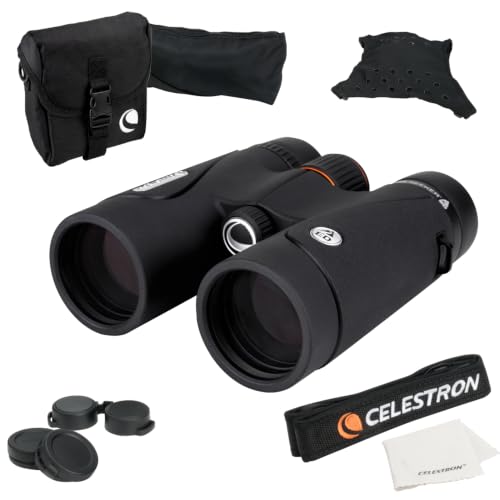

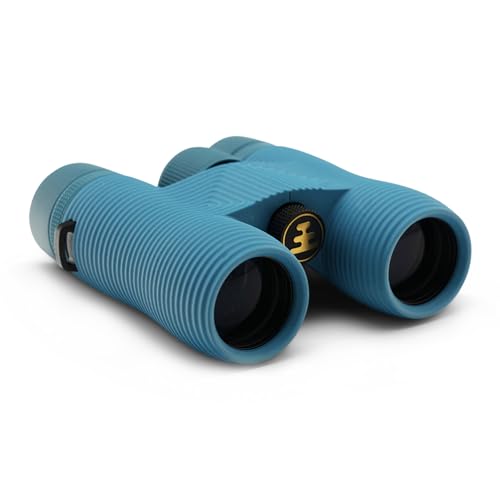
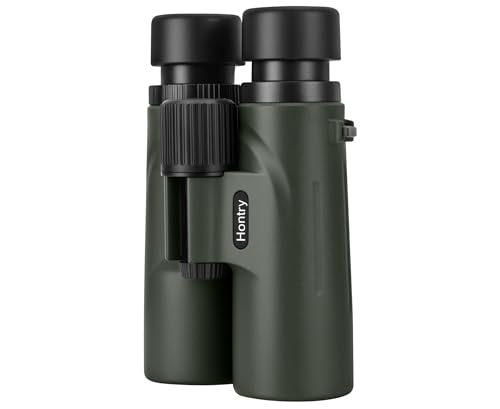

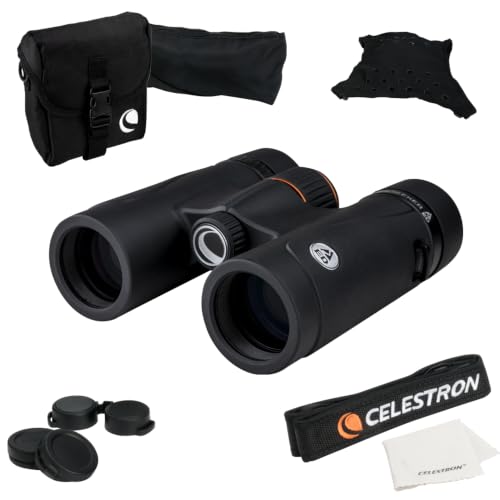
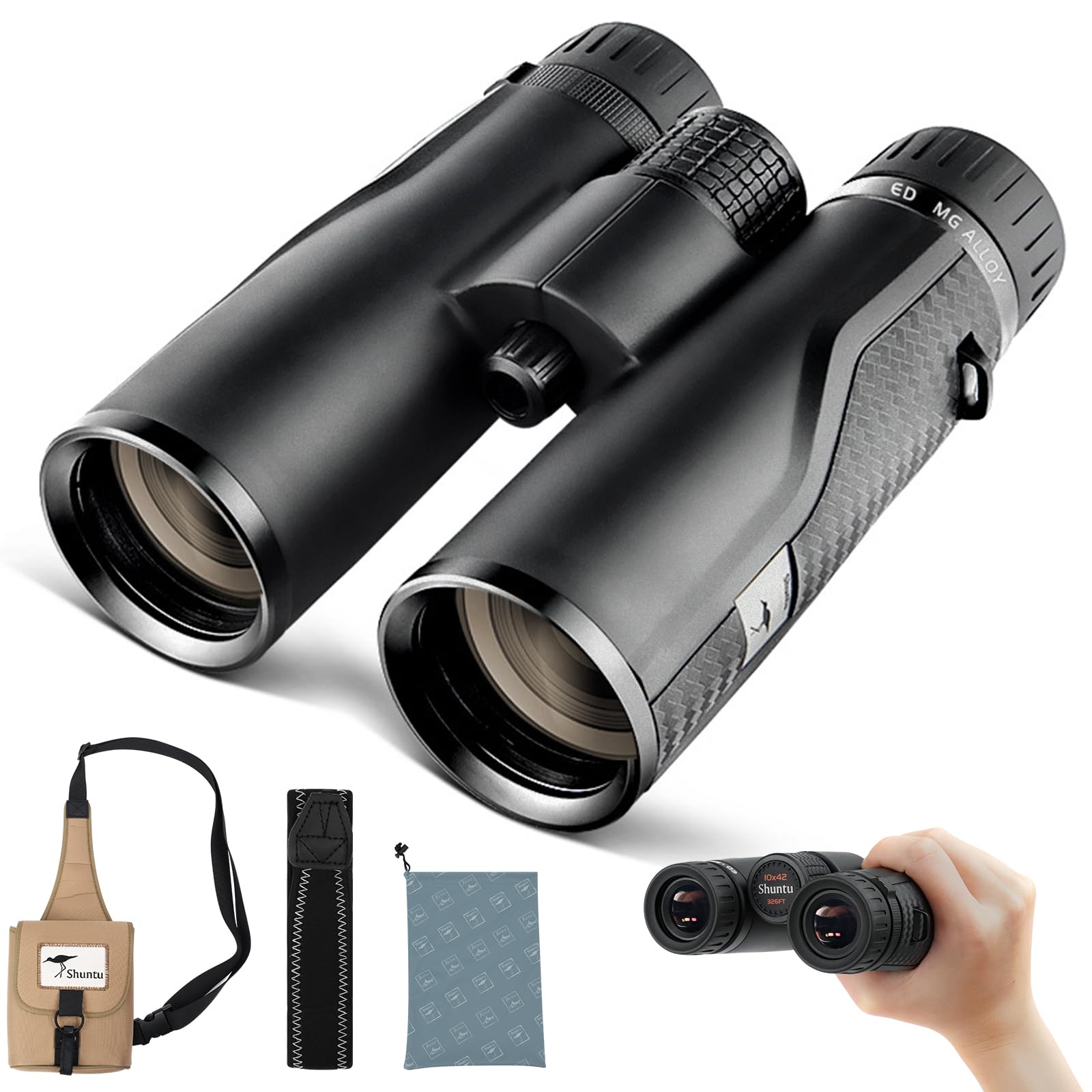
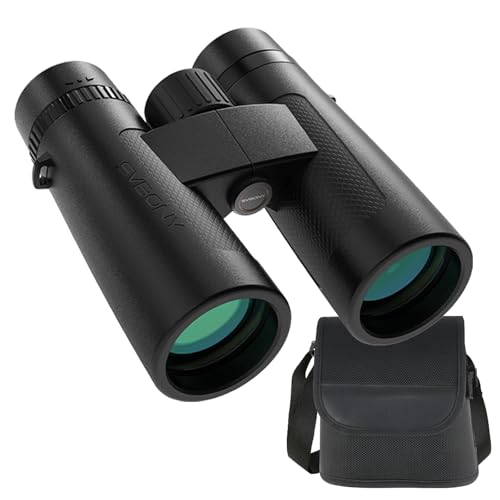
The Specs That Decide a Backyard Pair
Five specifications do almost all of the deciding for feeder and garden watching. They are listed here in the order a backyard watcher should weigh them, which is not the order most product pages use.
Close Focus for Feeder Distance
Stated plainly, a close focus distance of about six feet and under governs backyard use, because it decides the nearest bird the binocular can sharpen. A pair that only focuses down to 15 feet leaves a close feeder a permanent blur, no matter how fine its glass is. Most guides to best binoculars bird watching start with magnification, but feeder work rewards close focus first. Check this figure before any other number on the box.
Magnification and Objective Size: Why 8x42 Leads
The 8x42 configuration is the all round class for backyards, balancing a steady image, a generous field and enough brightness for shaded corners of the garden. Our breakdown of the best size binoculars for bird watching walks through the trade offs size by size. A 10x42 narrows the field and delivers an exit pupil of about 4.2 millimetres, which is still comfortable in daylight but shows hand shake sooner. Smaller yards rarely need the extra reach.
Some watchers prefer the closer look a 10x gives on a distant fence line, and the guide to best 10x42 binoculars for bird watching covers that choice in depth. For a single pair that lives by one window, eight power remains the calmer view. It also leaves more of the garden in frame when a bird drops in without warning.
Field of View: Following a Bird Across the Yard
Field of view is the width of scene visible at a standard distance, and a wide field is what lets you pick up a moving warbler and stay with it. Backyard birds cross the view in seconds, so width beats magnification for finding and following them. Compact models trade this away, which is the main compromise behind the smaller sizes reviewed in guides to best compact binoculars for bird watching. Look for the widest field offered inside your chosen size class.
Eye Relief: Comfort for Glasses Wearers
Eye relief is the working distance between the eyepiece and your eye, and glasses wearers need more of it to see the whole field at once. Around 15 millimetres or more keeps the edges visible with spectacles on. Twist up eyecups let non wearers set the same distance by hand. If several people share the pair, generous eye relief keeps the handoff painless.
Weather Sealing for a Pair That Lives by the Window
A backyard binocular migrates between a warm house, a cold porch and a damp garden, and sealing keeps that travel from fogging the inside of the lenses. Waterproof and fog proof construction is common even at modest prices and is worth insisting on. A rubber coated body also survives windowsill knocks and the occasional drop onto decking. Treat sealing as a basic requirement rather than an upgrade.
What Each Price Tier Delivers
Backyard watching is kind to budgets, because the distances are short and the light is usually decent. The guide to best budget binoculars for bird watching compares the entry tier in more depth, and the three bands below show the pattern across the full range.
About $50 to $100: A First Pair for the Kitchen Window
Entry pairs offer honest center sharpness and simple coatings, and they resolve feeder birds well at garden distances. Close focus figures can be long at this price, so verify that number before anything else. Plastic bodies and basic straps are normal here. For a first season of window watching, this tier is a sensible start.
About $100 to $250: The Comfortable Middle
The middle tier adds fully multicoated glass, sealed bodies and close focus distances that finally suit near feeders. Focus wheels turn with a finer feel, which makes tracking a restless finch easier. Eye relief improves for glasses wearers as well. Most backyard watchers who upgrade once land here and stay.
About $250 to $500: Finer Glass and Smoother Focus
Spending more buys high grade glass elements that clean up the edges of the field and render color more faithfully. That fidelity helps separate similar sparrows and female finches that differ in subtle wing bars. Mechanics feel smoother and warranties lengthen. The step is about refinement rather than new capability, and dedicated daily watchers notice it most.
Quick Buyer Checklist
Before you order, measure the distance from your usual seat to your feeders. In most yards that runs about 10 to 30 feet, and the figure governs how much close focus you truly need and how much magnification makes sense. Then run through these questions.
- Does the binocular focus at about six feet or closer for near feeders?
- Is the configuration 8x42, or a close equivalent with a wide field?
- Does the field of view feel wide enough to follow a bird across the yard?
- Is eye relief around 15 millimetres or more if you wear glasses?
- Is the body sealed against water and internal fog?
- Does the weight feel fine for ten minutes of steady holding?
- Do the warranty terms cover at least a few seasons of daily use?
Red Flags to Watch For
- Zoom binoculars with huge magnification claims, which trade away brightness and field width at every setting.
- No stated close focus distance, a common omission on pairs that cannot focus inside a typical yard.
- Fixed focus or autofocus wording, which means the focus wheel you need for feeder work is missing.
- Toy like plastic builds sold at serious prices, with no sealing and no meaningful warranty.
- Night vision claims on ordinary daylight binoculars, a mismatch that signals careless specifications throughout.
Care and Maintenance Tips
Blow dust off the lenses before wiping, then clean with a microfiber cloth and a drop of lens fluid. Store the binocular in its case away from radiators and sunny sills, which dry out seals over time. Keep the strap attached even at the window, since most drops happen during a quick grab for a new arrival. A clean, covered pair is ready the second a hawk shadow sends the yard birds scattering.
Frequently Asked Questions
Can I watch backyard birds through a closed window with binoculars?
Yes, but the glass taxes the image more than most people expect. Window panes add reflections and a slight softness, and double glazing can split fine detail at glancing angles. Sit square to the window, rest the binocular close to the pane, and shade the glass with your hands to cut glare. Opening the window even a crack, when weather allows, restores the full sharpness your binocular can deliver.
Is 10x too much magnification for a small backyard?
For most small yards, yes, 10x gives back less than it takes. Depth of field shrinks as power rises, so at feeder distances the slice of the scene in crisp focus grows thin and birds drift out of sharpness as they hop. You will refocus constantly on a busy feeder. An 8x view holds a deeper band in focus, which suits watchers who follow several birds at once.
What should I do if one side of my binoculars looks blurry?
Adjust the diopter ring, usually found on the right eyepiece, before assuming the binocular is faulty. Cover the right lens, focus the left eye with the center wheel, then cover the left lens and fine tune the right eye with the diopter alone. This balances the focus between your two eyes, which often differ slightly. If one barrel stays blurry at every setting, that is a defect worth a warranty claim.
Do backyard binoculars really need to be waterproof?
A pair that never leaves a dry porch can skip full waterproofing, but most backyard binoculars travel more than owners plan. The bigger threat is fog, which forms when a warm house pair meets cold morning air at the door. Sealed and nitrogen filled bodies resist that internal fogging as well as rain. Since sealing appears even in modest price bands, there is little reason to settle for an unsealed pair.
How close can a feeder be before binoculars stop being useful?
Feeders mounted on the window itself sit closer than any binocular can focus, and there your naked eye is the right tool. A feeder a few feet out is a different case: a model with close focus near six feet handles it, while a long focus pair never sharpens. If window feeders are your main show, place one additional feeder near the six to ten foot line so the binocular has a subject it can actually resolve.
Final Thoughts
Judge the best binoculars for backyard bird watching by three things: close focus short enough for your nearest feeder, an 8x42 class view with a wide field, and sealing that survives the trip from warm room to cold porch. Budget tiers then become a simple matter of glass refinement rather than capability. Set your shortlist against the product table above, and choose the pair that will live within reach of your favorite window.


