
Best Binoculars Brands Compared: Strengths, Weak Spots, Value for 2026
Disclosure: We may earn a commission when you buy through links on this page, at no extra cost to you. As an Amazon Associate I earn from qualifying purchases. Learn more

Which names can you trust? We compare the best binoculars brands on reliability, features, support, and value so you can shop with confidence.
The best binoculars brands are the makers whose glass, build and support stay dependable years after you buy. Dozens of logos promise a brighter, sharper view, but only a handful back that promise with honest specs and a warranty you can actually use. This guide sorts the field by who each brand suits, so you can match a maker to your budget and your outings.
The product table lists one representative pair from several makers, from budget to premium. Use the sections below to understand what separates one tier of brands from another before you compare individual models.


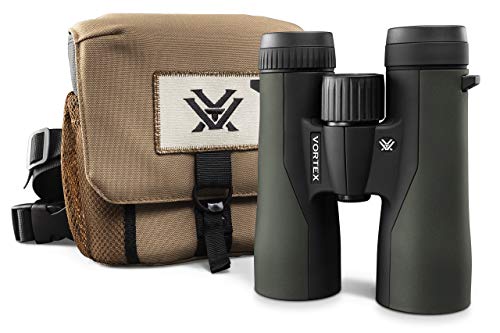


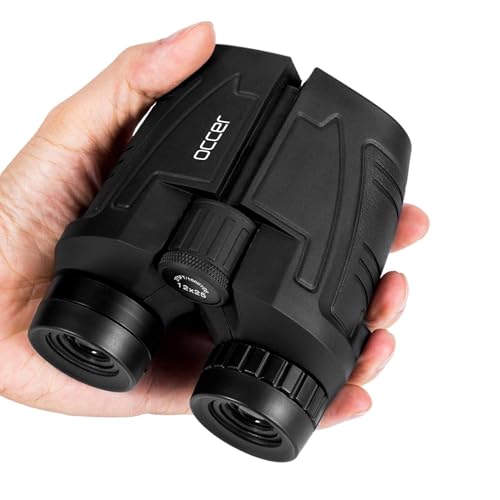
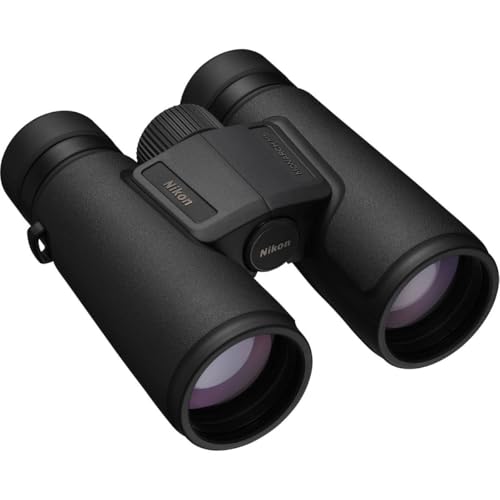


What Makes a Brand Worth Trusting?
A good optics brand is consistent. Two pairs of the same model should look the same, the specs should match the box, and the company should answer when something goes wrong.
Consistent Glass and Coatings
Look for clear information about prism glass, multi coated lenses and, on higher priced pairs, extra low dispersion glass. Brands that spell this out in plain language tend to build to a standard. Vague claims such as "super powerful" tell you little.
Warranty and Repair Support
Binoculars get dropped, rained on and left in hot cars. A maker that offers a long warranty and a simple repair process saves you money over time, often more than a small price difference at checkout. Read the warranty terms and check whether it covers a second owner.
Fit and Handling
Weight, eye relief and focus feel differ between makers. A pair that suits a glasses wearer or a hiker with small hands is worth more than a better spec sheet you cannot use comfortably.
The Best Binoculars Brands by Tier
Brands tend to cluster by price and purpose. Knowing the cluster helps you decide where to look first.
Premium Makers for Serious Optics
Zeiss, Nikon and Canon sit near the top of many shopping lists. Expect refined glass, wide fields of view and sturdy build. Canon is well known for image stabilized models that calm shake at higher power, which suits long viewing sessions. These pairs cost more, and they make most sense if you use binoculars often.
Mid Priced Makers With Strong Value
Vortex, Athlon, Bushnell and Celestron cover the middle of the market. They offer waterproof bodies, good coatings and a wide choice of sizes at prices that suit regular birders, hikers and sports fans. For most first buyers who want a pair to last, this tier is the sweet spot.
Hunting Focused Makers
Leupold and several outdoor brands design their binoculars around field use: rugged armor, simple controls and glass tuned for dawn and dusk. If you plan to glass slopes and fields for long stretches, check these lines first.
Budget Makers for Casual Use
Brands such as Gosky and Occer sell low priced pairs, often with extras like a carry case or phone adapter. They suit occasional trips, concerts and travel. Expect simpler coatings and less consistency, and handle them gently.
How to Choose Among the Best Binoculars Brands
Start with how you will use the pair, then choose a brand tier, and only then compare models.
- Birding or wildlife: 8x42 or 10x42 from a mid priced or premium maker.
- Sports and concerts: compact or mid size pairs from value brands.
- Stargazing: larger front lenses from makers that offer 50 mm and larger pairs.
- Travel: light pocket pairs, with image stabilization as a premium option.
Whatever the brand, check three things in the listing: magnification and lens size, eye relief if you wear glasses, and the warranty length.
Reading the Specifications Behind the Logo
A brand name is a shortcut, but the specification sheet tells you what you are actually buying. Whatever the maker, check the same short list so you compare like with like.
Prism Type and Coatings
Roof prism pairs are slim and straight, while Porro prism pairs are wider and often cost less for the same brightness. Look for fully multi coated lenses, which pass more light and reduce glare, and for phase coating on roof prism models, which improves contrast.
Waterproofing and Fog Resistance
Sealed bodies filled with nitrogen or argon resist internal fogging when you move between warm and cold air. Check that the listing states waterproof and fogproof, not just water resistant, if you will use the pair near water or in cold weather.
Eye Relief and Fit
Glasses wearers need about 15 mm of eye relief or more to see the full view. A brand that lists this number clearly is usually more careful about the rest of its specifications.
Common Mistakes When Comparing Brands
- Paying for a famous name when a mid tier model covers your needs.
- Ignoring the warranty and finding out later that repairs are expensive.
- Choosing the highest magnification, which makes the view shaky.
- Buying an unknown label with big claims and no specifications.
Looking After Your Binoculars
Keep the lens caps on, wipe lenses with a microfiber cloth only after blowing off dust, and store the pair in a dry case. Let them dry after rain before you close the case. Good care keeps any brand performing at its best.
FAQs
What does 8x42 or 10x42 mean?
The first number is magnification, so 10x makes a subject look ten times closer. The second is the front lens width in millimeters, which controls how much light enters.
Is a premium brand worth the extra cost?
It can be if you use binoculars weekly, since better glass and support pay back over many years. For occasional use, a mid tier brand is usually enough.
Which brands suit beginners?
Mid priced makers such as Vortex, Athlon, Bushnell and Celestron offer simple, durable pairs and clear specifications, which makes them a safe place to start.
Do budget brands last?
Many work well for light use. Handle them carefully, since alignment and coatings are less forgiving than on higher priced pairs.
What matters most for low light viewing?
A larger front lens, good coatings and an exit pupil of about 5 mm or more. Divide the lens width by the magnification to find the exit pupil.
Wrapping Up
The best binoculars brands are the ones that match how you use the pair: premium makers for frequent, demanding use, mid priced makers for most buyers, and value brands for occasional trips. Pick the tier first, check the warranty, and use the product table to compare one model from each maker that fits your budget.


