Best Billiard Balls in 2026: Which Type Is Right for You?
Disclosure: We may earn a commission when you buy through links on this page, at no extra cost to you. As an Amazon Associate I earn from qualifying purchases. Learn more

Compare billiard ball types, materials, sizes, and prices to find the best billiard balls for your table, game, and budget.
Choosing billiard balls can feel confusing, because sets look alike at first glance yet differ in material, weight, size, and finish. Some sets are made for casual home play, while others are made for league rooms where balls roll for hours every day. This guide compares the main types side by side, so you can match a set to your table, your skill level, and your budget. The best billiard balls for you are the ones that roll evenly, feel consistent from ball to ball, and hold their finish with normal care, and you can use the product table to see the picks at a glance.
Start with size and game type, since pool, snooker, and carom use different balls. Standard pool balls are about 2.25 inches across, while snooker balls are smaller and carom balls are larger and have no pockets to fall into. A set that is the wrong size will not sit well in your table pockets or roll as expected. Once size is settled, material and build quality become the main factors.
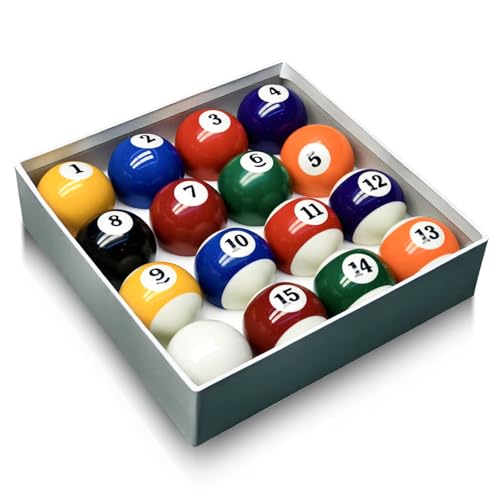

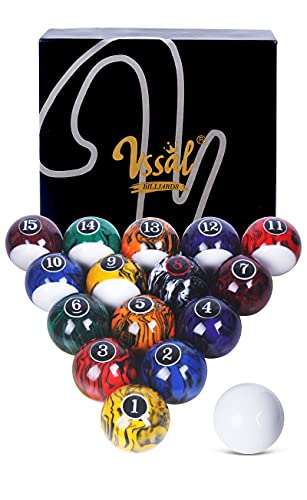
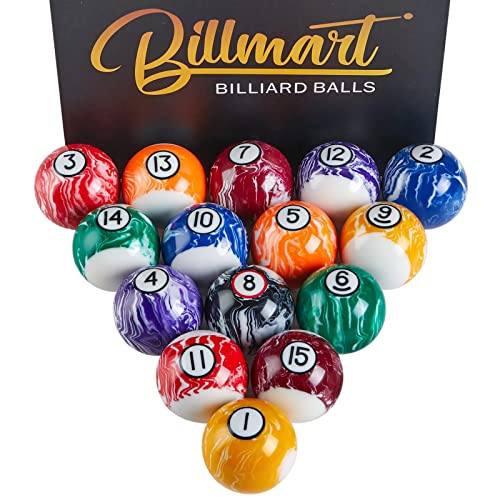
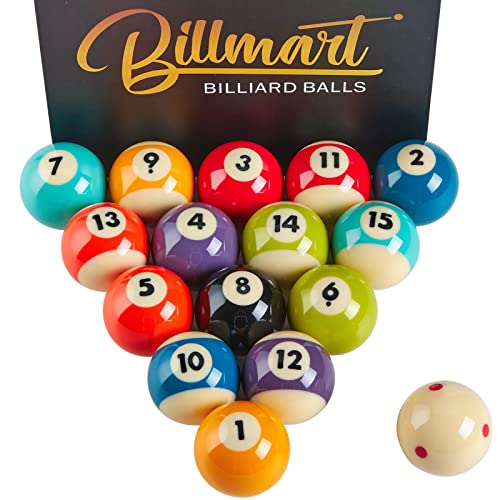


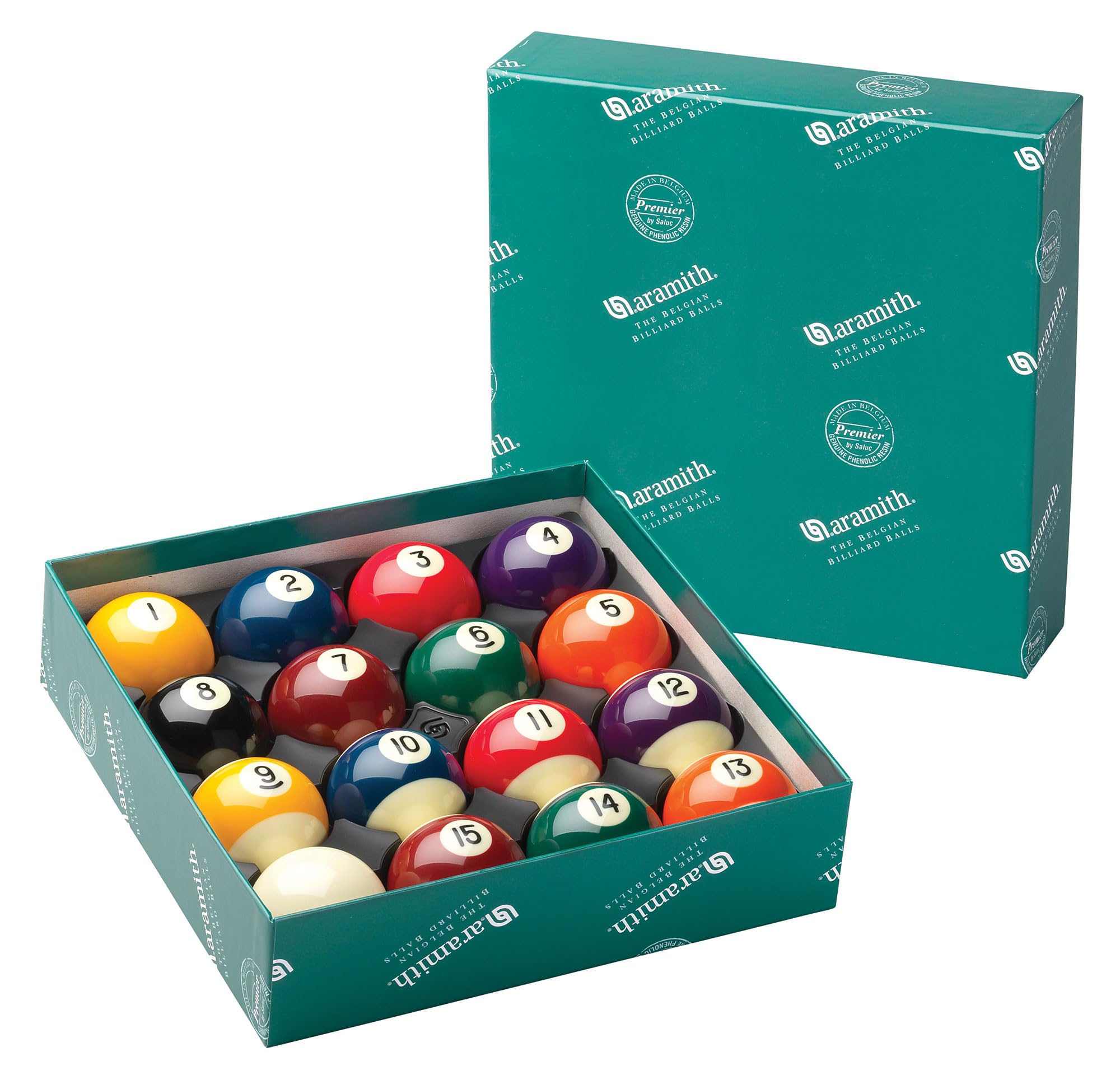
Types of Billiard Balls Compared
The comparison table below gives a quick view, but the detail after it explains what each type feels like in play. Material is the biggest difference: cheaper balls may use basic polyester, while better sets use phenolic resin, which is harder, denser, and more resistant to chips and burn marks. Weight consistency also matters, because a ball that is lighter or heavier than the rest will behave differently on cut shots and breaks.
| Type | Best For | Pros | Cons | Typical Price |
|---|---|---|---|---|
| Budget options | Casual home play | Low cost, easy to replace | Softer surface, less consistent weight | About $30 to $60 |
| Mid range options | Regular home and club play | Better finish, steadier roll | Higher cost than basic sets | About $60 to $120 |
| Premium options | League and serious play | Hard resin, even weight, long life | Highest cost | About $120 to $250 |
| Compact options | Small tables and younger players | Lighter, easier to handle | Not suited to full size tables | About $25 to $70 |
Mid Range Options
Mid range sets suit players who play often at home or in a club and want a steadier roll without paying for a top level set. These balls often use improved polyester or a lower grade resin, with better polishing and closer weight tolerance than basic sets. You should notice fewer skids, a more even feel on slow shots, and a finish that stays cleaner with routine wiping. This type is a practical middle ground when your table gets weekly use and you want balls that will last for years.
When you shop in this range, check the stated ball size, the number of balls, and whether a cue ball is included. A full pool set should include balls numbered 1 to 15 plus a cue ball. If you play snooker or carom, confirm the set matches that game, since the count and colors differ.
Budget Options
Budget sets suit casual players, family rooms, and tables that see only occasional play. These balls are usually made from basic polyester, which keeps the price low but can show wear sooner. The surface may dull faster, and small weight differences between balls can be more noticeable on long shots. For relaxed games with friends, those differences rarely spoil the fun, and a low price makes replacement easy if a ball chips or cracks.
Choose a budget set when the table is new to the household, when younger players are learning, or when you are not yet sure how often you will play. Look for a complete set in the right size, with clear numbers and colors, and avoid sets with blurry numbers or uneven paint.
Premium Options
Premium sets use phenolic resin, a hard material that resists chipping, burn marks from cue tips, and surface wear. The balls are made to tight weight and size tolerances, so each ball behaves much like the others on breaks, banks, and slow rolls. The finish stays smooth longer, which helps the balls stay clean and reduces the chance of a skid caused by dirt or chalk buildup. Serious players notice this consistency most on precise shots, where a small difference in roll can change the result.
Premium sets cost more, but they often last far longer under heavy use, which can make the long term cost reasonable for a league room or a dedicated home table. When you compare best billiard balls set options, give extra weight to sets that state their material and size clearly.
Compact Options
Compact sets use smaller balls made for small tables, travel tables, or younger players. They are lighter and easier to handle, which helps beginners learn cue control without fighting a heavy ball. The trade off is clear: a small ball will not play correctly on a full size table, and it may fall through pockets or roll oddly on a standard rail. Use compact sets only when the table maker states that size, or when the set is sold as a matched pair with a small table.
For a child learning the game, a compact set on a small table can build confidence and basic skills. For an adult moving to a full size table, switch to standard size balls so stance, bridge, and shot speed transfer correctly, and store compact sets in their box or case.
Mid Range Options vs Budget Options: Which Should You Choose?
Choose by how often you play, how much consistency matters to you, and how long you want the set to last. Budget sets win on price and simplicity, and they are fine for occasional games. Mid range sets win on finish, weight consistency, and durability, and they suit weekly play. If you play a few times a month and want a better roll, the mid range step up is often worth it, while a budget set leaves more money for cues, chalk, and table care if you play only a few times a year.
Also consider who plays with you. A household with careful adult players will get more life from a mid range set than a room where balls are often dropped on a hard floor. Buy the right size first, since no material advantage can fix a set that does not match your table.
How to Choose the Right Billiard Ball
Use the factors below as a checklist before you buy. Each one affects how the balls play, how long they last, or how much they cost over time, so do not let a bright color or a low price override a basic mismatch in size or game type.
Maintenance and Long Term Costs
Billiard balls need only simple care, but neglect shortens their life. Wipe them with a soft, dry cloth after play to remove chalk dust, and clean them with a maker approved ball cleaner when they look dull. Avoid harsh solvents, which can damage the finish and numbers. Over time, a premium resin set may need less frequent replacement than a basic set, so the higher upfront price can be offset by fewer replacements.
Build Quality and Materials
Material and finish define build quality more than packaging or color. Phenolic resin is the standard for serious play, because it is hard, dense, and holds a polish. Polyester is lighter on the wallet but softer, so it can chip and dull sooner. Check that numbers are sharp, colors are even, and the surface feels smooth with no rough spots or seams. A well made ball should feel solid and balanced, with no rattling or hollow feel when you roll it gently on a flat surface.
Safety and Certifications
Billiard balls are not a high risk product, but a few safety points still matter. Keep small balls away from very young children, and follow the manufacturer's instructions and age labels. Store balls in a case or box so they do not roll off a table onto a hard floor, where they can chip and create sharp edges. Follow the maker guidance on cleaning products, and keep balls away from extreme heat, which can warp or discolor the surface over time.
Intended Use and Who It Is For
Match the set to the main players and the main game. Casual family play suits a budget or mid range pool set in standard size, while league and tournament style play suits a premium resin set with tight tolerances. A small table or a young beginner suits a compact set, but only as a stepping stone to standard size. If your room hosts several games, buy a set for the game you play most and add a second set later rather than trying to make one set serve every game poorly.
Tips to Get the Most From Your Billiard Ball
Read the maker guidance before first use, and check that the set is complete and undamaged. Clean and inspect the balls regularly, and set aside any ball with a chip or crack, since a damaged ball can scratch the cloth and roll unevenly. Store the set in a dry place in its box or case, and use clean chalk and a brushed cloth for a truer roll.
Frequently Asked Questions
How do I maintain a billiard ball?
Wipe each ball with a soft, dry cloth after play to remove chalk dust and fingerprints. Use a cleaner made for billiard balls when the surface looks dull, and follow the maker instructions rather than using household solvents. Inspect for chips, cracks, or worn numbers during cleaning, and replace a damaged ball promptly. Store the set in a case or box in a dry room, since dust, damp, and sun can all dull the finish over time.
What features matter most when buying billiard balls?
Size, material, and weight consistency matter most, because they decide whether the balls fit your table and roll evenly. Confirm the game type first, then choose phenolic resin for serious play or polyester for casual play. After that, check the finish, the clarity of numbers and colors, and whether a cue ball is included. A set that matches your table size and game type will play better than a fancier set made for a different game.
Are expensive billiard balls worth it?
Expensive resin balls are worth it when you play often, when you care about precise rolls, or when your table sees league style use. Their harder surface resists chips and burn marks, and their tighter tolerances keep each ball behaving like the others. For occasional family games, a budget or mid range set is often enough, and the money saved can go to cues or table care. Judge value by play frequency and durability, not by price alone.
How long does a billiard ball last?
A well cared for set can last many years, with premium resin sets often outlasting basic polyester sets under the same use. Life depends on play frequency, cleaning habits, and whether balls are dropped on hard floors. Chips, cracks, and a dull finish that will not clean up are signs that a ball should be replaced. Keeping balls clean, stored in a case, and away from heat and damp will extend the life of any set.
How much should I spend on a billiard ball?
Spend based on how often you play and how much consistency you need. Casual players often do well with about $30 to $60 for a basic set, while regular home players may prefer about $60 to $120 for a mid range set. Serious players often spend about $120 to $250 for a premium resin set that lasts longer under heavy use. Start with the right size and game type, then choose the material level that fits your play habits and budget.
Final Thoughts
Start with game type and size, then choose material by how often you play. Budget sets suit casual games, mid range sets suit regular home play, premium resin sets suit serious players, and compact sets suit small tables only. Keep the balls clean, store them in a case, and replace any damaged ball promptly so the cloth and the rest of the set stay in good shape. The best billiard balls are the ones that match your table, roll true, and fit your budget, so look over the product table once more before you choose.