Best Biking Watches of 2026: What Your Money Really Gets You
Disclosure: We may earn a commission when you buy through links on this page, at no extra cost to you. As an Amazon Associate I earn from qualifying purchases. Learn more

Learn how GPS, mapping, battery life and ruggedness differ across biking watches, and pick one that fits your rides and budget before you buy.
Biking watches cover a wide range, from simple ride trackers to rugged outdoor watches with maps, compass and long battery life. The best biking watches are judged by how they handle real rides: GPS in trees and towns, battery on long days, readability in sun, and comfort over hours. This guide focuses on those practical tests rather than headline features. A watch that works well for a one hour commute can fail on a five hour mountain ride, because GPS battery, signal and comfort all change with time.
Think about your longest ride, your usual terrain and whether you ride in rain, cold or dust, since those conditions expose weak straps, dim screens and short batteries quickly. The comparison table below summarises the main types side by side, and the sections that follow explain how to use it for your own routine.



Who Should Buy
Biking watches suit commuters, road riders, mountain bikers and bikepackers who want ride data without a phone. They suit riders who train across sports and want one device. They are less suited to riders who need a large handlebar map, or to anyone who needs medical grade heart data, which wrist watches do not provide.
Types Compared
Each type below suits a different routine, so read the trade offs rather than looking for a single winner for everyone.
Everyday GPS watches
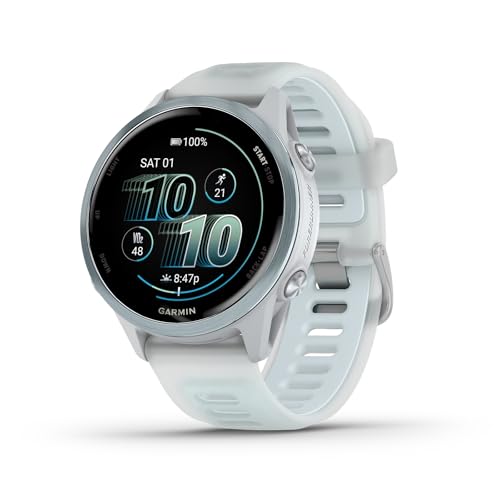
Everyday GPS watches track rides with a slim case and daily smart features. They suit commuters and casual riders who want ride records plus daily wear.
Training watches
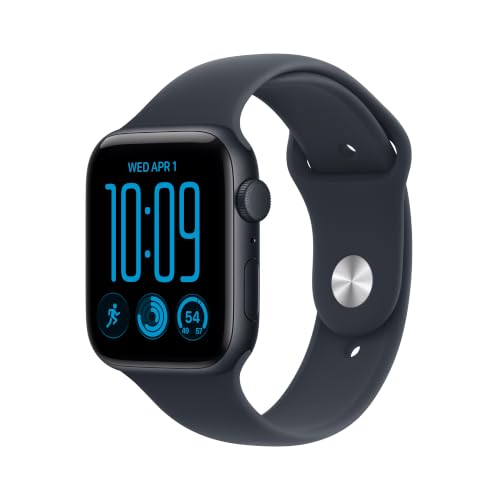
Training watches add detailed metrics, recovery estimates and sensor pairing. They suit riders who follow a plan and review data after rides.
Rugged outdoor watches
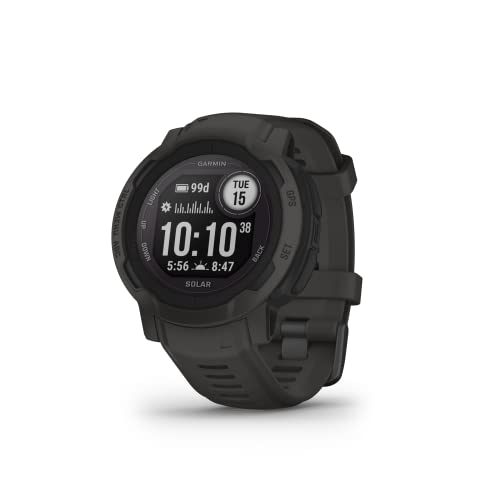
Rugged outdoor watches add stronger cases, longer battery and outdoor sensors for remote rides. They suit mountain biking and bikepacking, though they are larger.
Budget ride trackers
Budget trackers cover basic GPS, speed and distance at lower cost. They suit new riders testing whether ride data matters, though screens and battery vary.
Key Features to Compare
Use these features as a checklist when you compare models in the product table above, and note which ones matter most for your daily use.
GPS in real terrain
Signal can weaken under trees, in valleys and among tall buildings. A watch with multi band GPS or a strong antenna holds a route better than one that only works in open sky.
Battery across a ride
Check GPS battery at your usual settings, since maps, backlight and sensors drain power faster. Cold weather also shortens battery life on long rides.
Screen and controls
Large buttons and a clear screen help with gloves and rain. Touch only controls can frustrate riders in wet or cold conditions, so test controls before buying.
Sensors and pairing
Speed, cadence, heart rate and power sensors add training value when they pair reliably. Check compatibility with sensors you already own before committing.
Price and value
Higher price buys better GPS, battery and build, but not always better rides. Match price to how often you ride and how much data you actually review.
How to Choose
Match the watch to your longest ride and your terrain, then check comfort and controls with gloves. Compare the comparison table above, and keep a charging plan for multi day rides. Fitness readings are general wellness information, not medical measurements, and chest pain, dizziness or unusual breathlessness during riding deserve prompt care and a clinician check.
For related reading, see our guides to the best watches for mountain biking, the best gps watches for biking, the best watches for running and biking and the best smart watches for biking.
Common Mistakes to Avoid
Chasing the longest spec list
Extra sport modes and apps do not help if GPS battery is short or the screen is hard to read. Prioritise GPS, battery, readability and comfort for biking.
Forgetting cold and rain effects
Cold shortens battery life and rain affects touch screens. Test the watch in conditions like your real rides, not only indoors.
Skipping sensor checks
A watch that cannot pair with your speed or heart rate sensor loses training value. Confirm pairing before buying, especially with older sensors.
Planning for Everyday Use
Use the watch for a few rides before judging it, since strap fit, display settings and data fields take time to tune. Keep a simple ride log of battery use, GPS accuracy and comfort, and adjust settings to save power on long rides. Clean the strap after sweaty rides and update software at home, so the watch is ready for the next ride.
What to Check Before You Buy
Look at your longest ride and ask what the watch must do for that day: record the full route, stay readable in bright sun and survive rain. Check the stated GPS battery life at the mode you will use, not the smartwatch figure with the screen mostly off. Confirm that the strap suits your wrist and sits comfortably under a glove cuff, and check that the watch pairs with any speed, cadence or heart rate sensors you already own.
Think about the extras you will really use. Navigation and maps help on unfamiliar rides, while simple speed and distance are enough for a commute. Paying for features you never open adds cost without improving a single ride, so choose the type from the comparison above that matches your habits.
Getting the Most From a Biking Watch
Spend the first few rides tuning the data fields so speed, distance and heart rate show on the page you actually look at. Turn on a power saving GPS mode for long days, and charge the watch the night before a big ride. Update the software at home on Wi-Fi, and rinse the strap after sweaty or muddy rides so the case and buttons stay clean. If the GPS track looks jumpy, give the watch a minute outdoors to find satellites before you start moving.
Frequently Asked Questions
What is the difference between biking and bike watches?
The terms overlap, and makers use both for GPS watches that track cycling. Focus on GPS, battery, screen and sensors rather than the label, since those factors decide real ride performance.
How accurate is GPS on a watch?
GPS accuracy varies with terrain, buildings and trees, and watches can cut corners on tight turns. Multi band GPS and a snug fit improve results, though a handlebar computer may still track more cleanly.
Should I choose a rugged watch for mountain biking?
Rugged watches suit rough terrain, drops and long days, with stronger cases and longer battery. They are larger and heavier, so casual road riders may prefer a slimmer everyday GPS watch.
Can I use a biking watch for running too?
Most GPS multisport watches track running, cycling and swimming in one device. Check that run metrics, such as pace and cadence, are included if you train across sports.
How do I extend battery on long rides?
Lower screen brightness, turn off unneeded sensors and maps, and use a power saving GPS mode. A portable charger helps on multi day rides, though charging mid ride is awkward.
Final Thoughts
A good biking watch records long rides reliably, reads clearly in sun and stays comfortable for hours. Compare the product table above, test controls with gloves, and keep settings simple. The best biking watches support your riding habit instead of turning every ride into a battery and settings worry.