
Best Biker Boots Men's Made Simple: A Clear Buying Guide for 2026
Disclosure: We may earn a commission when you buy through links on this page, at no extra cost to you. As an Amazon Associate I earn from qualifying purchases. Learn more

Shopping for the best biker boots mens styles for the first time? Learn fit, protection, soles, and closures in this plain language buying guide.
Buying your first pair of motorcycle boots can feel confusing, because the listings mix fashion terms, safety terms, and sizing advice all on one page. This guide slows that down. We start with what a biker boot actually does, explain each spec in plain English, and finish with the mistakes that catch out most first time buyers, so you can choose the best biker boots mens pair for your riding with confidence.
Keep the comparison table below open as you read. Once you know which height, sole, and closure system fit your riding, the table turns into a short and simple shortlist instead of a wall of similar looking boots.




Biker Boots 101: The Basics
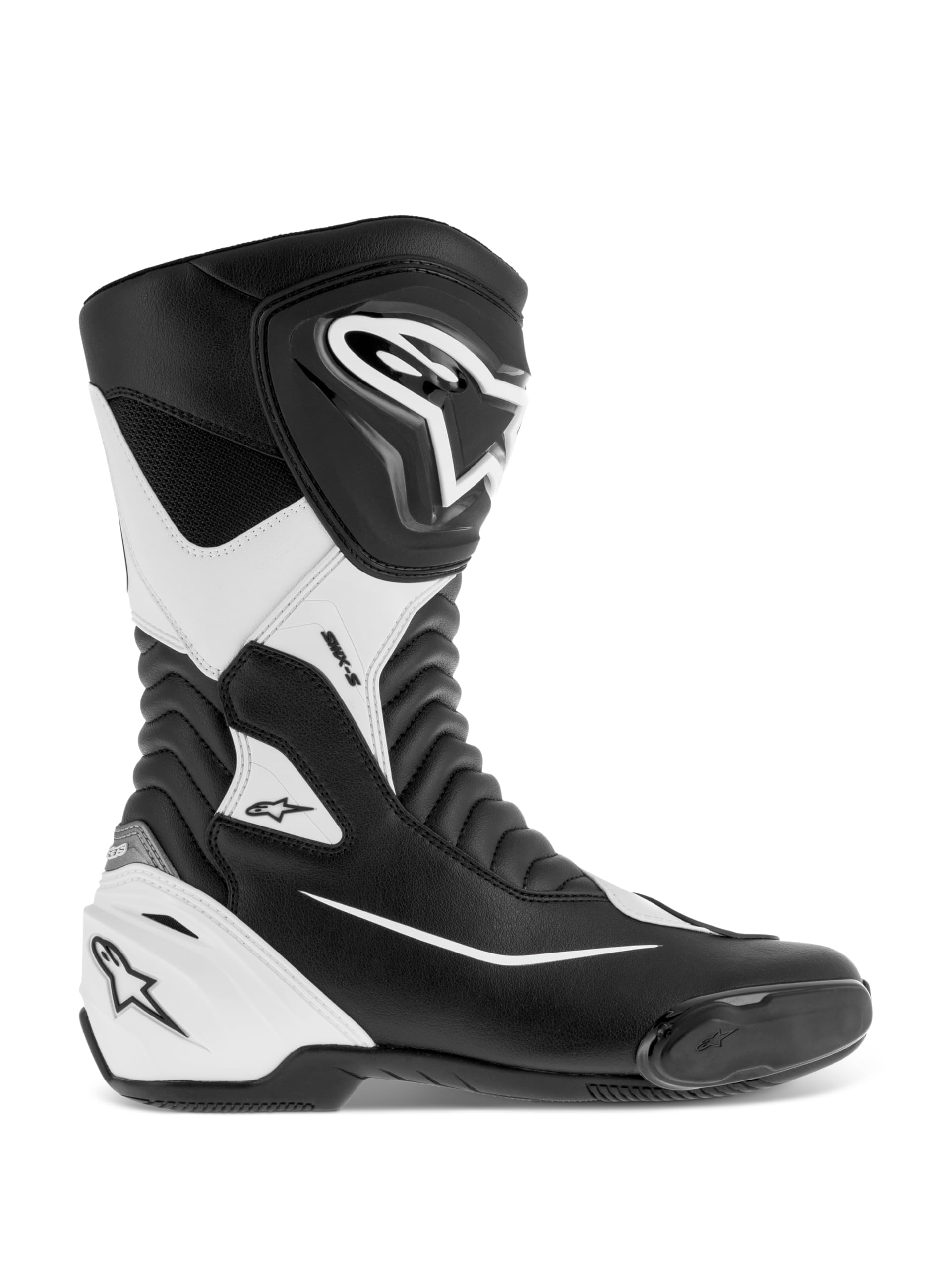
A biker boot is footwear built for riding a motorcycle, which means it must do three jobs at once. It protects your foot and ankle from heat, road debris, and impact. It grips the foot pegs and the pavement when you stop. And it gives your left foot a firm, wear resistant surface for working the gear shifter thousands of times.
A few terms will help you read any listing. The shaft is the part that rises above your ankle, and taller shafts protect more of your shin. The toe box is the space around your toes. Armor means reinforced panels, usually at the ankle, heel, and toe. A shifter pad is the extra layer over the top of the left boot that stops the gear lever from wearing through the leather.
Key Specs Explained in Plain English
What Men Should Look For
Men shopping for a first pair should start with honest sizing, because many men buy boots a half size large out of habit. Your riding boot should hold your heel firmly with only a small amount of room in front of your longest toe. Look for a fit that feels snug across the midfoot without pinching, since your foot swells slightly on long rides and in warm weather. Weight matters too: very heavy boots tire your legs on all day rides, while feather light boots often skip the reinforcement that makes a boot protective in the first place.
Compatibility With Your Bike or Gear
Your boots must work with your bike, not just your feet. Check that the toe is slim enough to slip under the gear shifter without catching, and that the heel height suits your peg position. Thick lug soles can feel clumsy on sport bike pegs, while smooth soles may skate on the large floorboards of a cruiser. Riding jeans and armored pants should fit over or inside the shaft without bunching, so try your full riding outfit together. If you tour with rain gear, confirm the boot shaft accepts your waterproof overpants without a fight.
Performance Specs
For boots, performance means grip, protection, and control rather than speed. Oil resistant rubber soles hold better on the slick patches you meet at gas stations and intersections. Reinforced toe and heel cups, plus padded ankle discs, spread impact force if the bike tips onto your foot. A stiff shank in the sole supports your arch on the pegs and stops the sole from flexing painfully on long rides. Waterproof membranes keep your feet dry in rain, though they breathe less well in summer, so match the membrane to your climate instead of treating it as an automatic upgrade.
Mounting and Ease of Installation
Boots do not install, but they do go on and come off hundreds of times, and the closure system decides how easy that feels. Classic lace up boots adjust precisely but take the longest, and loose lace ends must be tucked away so they cannot catch on the bike. Side zippers speed up every stop and pair well with laces you set once. Buckles and hook and loop straps adjust fast with gloves nearby, though straps can lose grip as they age. Choose the system you will actually use correctly on a tired evening after a long ride.
Value and Warranty
Price tiers in this category are easy to read once you know what each one buys. Entry level boots around $100 usually give you real leather or sturdy synthetic uppers with basic ankle padding. Mid range boots, about $150 to $250, add better soles, stronger stitching, and often a waterproof membrane. Premium pairs above that add top grade leather, replaceable soles, and refined fit. Whatever you spend, check the warranty and return terms, because a maker that allows a home fit check with clean soles protects you from the most common buying error, which is the wrong size.
Fit, Sizing, and Comfort
Try boots late in the day, when your feet are at their largest, and wear the socks you ride in. Walk, crouch, and sit on a bike or a low stool to feel how the boot bends at the ankle. Your toes should never press the front when you shift your weight forward, and your heel should lift only slightly as you walk. Men with wide feet should look for a stated wide fit rather than sizing up, because a longer boot places the flex point and the shifter pad in the wrong spots. If you plan to add cushioned insoles, bring them to the fitting.
If your riding mixes workdays and weekends, the fit notes in our guide to the best men's work boots can help you compare shaft heights and sole patterns, though riding boots still need the ankle armor and shifter protection that most work boots skip.
Rookie Mistakes to Avoid
- Buying fashion boots for riding. Thin leather and a smooth dress sole offer little grip and almost no ankle protection.
- Sizing up for comfort. A loose boot lets your foot slide, which blurs shifter feel and can pull your heel out in a fall.
- Ignoring the sole. Worn or glossy soles slip on painted road markings and oily pavement exactly when you need a steady foot down.
- Forgetting the shifter pad. Without one, the gear lever chews through the left boot upper within a season or two.
- Skipping the break in. Stiff new boots change how shifting and braking feel, so short local rides should come before any long trip.
Getting Started: Setup and First Use
When your boots arrive, inspect the stitching, work every zipper and strap, and confirm both boots match in size and finish. Wear them around the house for an hour, then take a short ride on familiar streets. Check fit and tightness before each ride, just as you would glance at your tires, because laces loosen and straps settle as leather breaks in. Keep the leather clean and conditioned so it stays supple, and store the boots upright with the shafts supported so they do not fold and crack.
Riders comparing general boot quality across categories may also find the material notes in our guide to the best quality men's boots useful, and the broader overview in our guide to the best biker boots covers styles for different kinds of bikes.
Biker Boots: Your Questions Answered
What makes biker boots for men different?
Protection and control set them apart from ordinary boots. A riding boot adds ankle reinforcement, a reinforced toe and heel, a sole that resists oil, and usually a shifter pad, none of which a fashion boot provides. Men specific models also use a wider, higher volume last than women models, so the fit through the midfoot and calf differs. If a boot lists none of the protective features above, treat it as a style boot, not riding gear.
How often should I replace biker boots for men?
Replace them when the sole tread is smooth, the upper cracks through the finish, or the ankle protection feels soft and collapsed. Many riders get three to five seasons from a good pair, depending on mileage and storage. Replace any boot after a crash that crushed or ground through a protective area, even if it still looks wearable. Just as you would replace a helmet after any crash, damaged protective gear should not be trusted a second time.
How do I choose the right size?
Measure both feet in the evening and size to the larger one. Between sizes, choose based on heel hold first: a snug heel with a thumb width of space at the toes is the target. Wear riding socks during the fitting, and remember that leather relaxes slightly across the width but never gains length. If your toes touch the front on day one, they will hurt on day thirty, so exchange rather than hoping for a stretch that will not come.
The Bottom Line
Start with honest fit, then demand real ankle protection and a grippy, oil resistant sole, and let style come third. Riders who get those basics right rarely regret their purchase, whatever tier they choose from the product table above. Treat the search for best biker boots mens pairs as buying safety gear that happens to look good, and your first pair will serve you for seasons. Finish with one last check: the right choice is the pair you will wear on every ride, not just the long ones.


