
Best Bike Shoes For Peloton 2026 For Everyday Use
Disclosure: We may earn a commission when you buy through links on this page, at no extra cost to you. As an Amazon Associate I earn from qualifying purchases. Learn more

Ride Peloton in comfort with the right cycling shoes. Compare cleat types, fit, stiffness, and ventilation to find shoes that clip in and feel great.
Choosing the best bike shoes for peloton starts with cleat compatibility, since Peloton bikes use a specific pedal system. A good pair clips in securely, transfers power efficiently, and stays comfortable through long classes. A poor pair with the wrong cleats will not clip in at all, while a stiff, ill fitting pair can cause foot pain that ruins an otherwise great workout.
The comparison table below shows the main Peloton shoe styles side by side, so you can compare cleat type, sole stiffness, and fit before you read the details. Use it to shortlist shoes that match your foot shape and riding style, then check the fit factors in this guide.


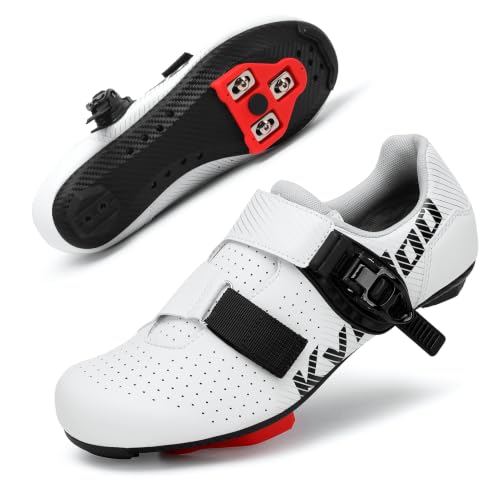

Who Should Buy Dedicated Peloton Shoes
Regular Peloton riders benefit most from dedicated cycling shoes, since clipping in improves power transfer and foot stability compared with regular trainers on toe cages. Riders who take several classes a week notice the difference quickly, especially during climbs and high resistance efforts. New riders trying Peloton for the first time can start with toe cages, but dedicated shoes soon feel like a worthwhile upgrade.
Riders with foot pain or knee discomfort should consider shoes carefully, since cleat position affects knee alignment. A proper fit and cleat setup can reduce strain, while a poor setup can worsen it. If you have persistent knee or foot pain, discuss cleat setup with a knowledgeable fitter or clinician rather than guessing.
Cleat Compatibility And Clip In Systems
Cleat compatibility is the first check. Peloton bikes use Look Delta style cleats, so shoes must accept three bolt road cleats. Most road cycling shoes work, while mountain bike shoes with two bolt cleats do not clip into Peloton pedals without an adapter. Confirm cleat type before buying, since returning shoes over a cleat mismatch wastes time and enthusiasm.
Clip in feel matters for confidence. A secure click and easy release let you focus on the class rather than your feet. Practice clipping in and out several times before your first hard class, and keep cleat bolts tight, since loose cleats cause wobble and reduce power transfer. Replace worn cleats promptly, since worn cleats release unpredictably.
Fit, Sole Stiffness, And Comfort
Fit should be snug without pressure points, since cycling shoes do not stretch much with wear. Try shoes on later in the day when feet are slightly larger, and wear the socks you ride in. A shoe that pinches the toes or presses the top of the foot will hurt more as rides get longer and feet warm up.
Sole stiffness affects power and comfort. Very stiff soles transfer power efficiently but can feel harsh on longer rides, while moderately stiff soles balance power and comfort for most Peloton riders. Ventilation matters too, since indoor riding generates heat quickly. Shoes with mesh panels and airflow keep feet cooler and more comfortable through sweaty classes.
Closures, Weight, And Everyday Use
Closure systems affect fit adjustment during rides. Dial closures allow fine tuning with one hand mid ride, while Velcro straps are simple and reliable. Laces offer even pressure but are harder to adjust quickly. Choose a closure you can operate easily, since fit needs change slightly as feet warm and swell during a class.
Weight matters less indoors than outdoors, since you are not carrying the bike, but lighter shoes still feel more agile during fast cadence work. Everyday use includes walking to and from the bike, so a shoe with a slightly walkable sole or a rubber grip area helps. Avoid walking long distances in road cleats, since they wear quickly and slip on hard floors.
Warning Signs And When To Seek Advice
Foot numbness, hot spots, or knee pain during rides deserve attention beyond new shoes. Numbness often signals a fit or cleat position problem, while knee pain can indicate cleat alignment issues. Persistent pain that continues despite fit adjustments should be discussed with a clinician or a professional bike fitter, since continued riding through pain can worsen problems.
This guide covers general fit and comfort only and does not replace professional advice. If pain is sharp, sudden, or keeps returning, talk with your clinician before pushing through harder classes. Proper shoes and setup should make riding more comfortable, not something you endure. If warning signs persist, seek advice rather than simply buying different shoes.
Living With Cycling Shoes
A class routine that includes shoe care keeps Peloton shoes comfortable. After sweaty classes, remove insoles if possible and let shoes air out, since damp shoes develop odor and wear faster. Wipe the uppers occasionally and check cleat bolts weekly, since vibration loosens bolts gradually and loose cleats affect both safety and power.
Shoe rotation helps heavy riders too. If you ride daily, a second pair lets each pair dry fully between classes, which extends the life of both and guarantees a fresh pair every morning. Even a budget second pair for lighter classes reduces wear on your main shoes significantly.
Getting Comfortable Clipping In
Clipping confidence grows with low pressure practice. Before your first hard class, practice clipping in and out ten times on each side while holding something stable, so the motion becomes automatic. During classes, clip in before the warmup intensity rises, so you are settled before effort increases.
Fear of falling while clipped in is common but usually unfounded indoors, since you can unclip one foot and steady yourself easily. Practice unclipping at the end of every ride until it feels automatic, and keep cleat tension at a comfortable setting rather than maximum. Confidence comes quickly once clipping becomes muscle memory.
Related Buying Guides
For cycling shoes generally, read our guide to best bike shoes.
For Peloton focused shoe options, see our guide to best peloton shoes.
For road cycling shoe options, read our guide to best road bike shoes.
Frequently Asked Questions
What cleats do Peloton bikes use?
Peloton bikes use Look Delta style three bolt road cleats, so shoes must accept three bolt cleats to clip in. Most road cycling shoes work, while two bolt mountain bike shoes do not fit without an adapter. Always confirm cleat compatibility before buying shoes for Peloton.
Can I use regular trainers on a Peloton bike?
Yes, Peloton pedals include toe cages that work with regular trainers, which suits beginners trying the bike first. Dedicated cycling shoes clip in more securely and transfer power better, so most regular riders upgrade to them. Start with trainers if unsure, then upgrade when you ride often.
How tight should Peloton cycling shoes fit?
Cycling shoes should fit snugly without pinching toes or pressing the top of the foot, since they stretch little with wear. Try them on later in the day with riding socks, and walk around to check for pressure points. A snug fit prevents foot movement that causes blisters and hot spots.
Do I need to replace Peloton cleats often?
Cleats wear with walking and clipping in and out, and most riders replace them every few months with regular use. Worn cleats release unpredictably and reduce power transfer, so check them regularly. Replace cleats when clipping feels loose or the release point changes noticeably.
Why do my feet go numb on the Peloton?
Numbness often comes from shoes that are too tight, cleats positioned poorly, or pressure on nerves from long rides. Loosen closures slightly, check cleat position, and take short breaks to move your feet. Persistent numbness despite adjustments deserves professional advice from a fitter or clinician.
Final Thoughts
The product table above gives a quick comparison, but cleat compatibility, snug fit, and balanced stiffness should decide your choice. Pick shoes that clip in securely, feel comfortable through long classes, and suit your foot shape.
Practice clipping in and out before hard classes, and keep cleats in good condition. Choosing the best bike shoes for peloton makes every ride feel more connected, powerful, and comfortable.


