Best Bike Rack for Full Suspension Mountain Bike: Types Compared and How to Choose for 2026
Disclosure: We may earn a commission when you buy through links on this page, at no extra cost to you. As an Amazon Associate I earn from qualifying purchases. Learn more

Compare types of the best bike rack for full suspension mountain bike by frame contact, wheel hold, load rating, fit, security, and daily ease of use.
Full suspension bikes are the hardest bikes to carry well. Their frames often lack a straight top tube, their rear triangle moves, and many use carbon tubes that should never be clamped hard. Choosing the best bike rack for full suspension mountain bike transport means matching the rack type to those realities before anything else.
This guide compares the main rack types by how they hold the bike, then walks through fit, load ratings, and a special case: carrying cargo on the bike itself. Use the comparison table below alongside each section, and note which hold style each listed rack uses.




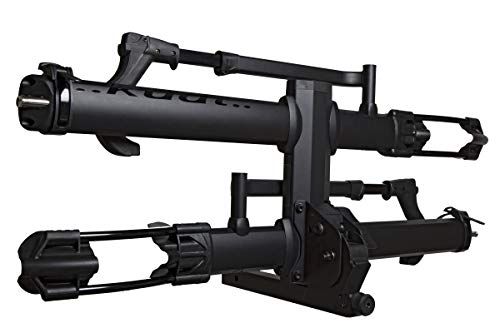


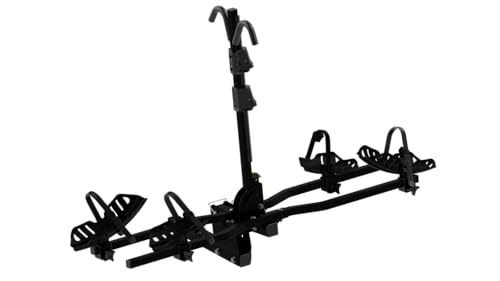
Types of Bike Racks Compared
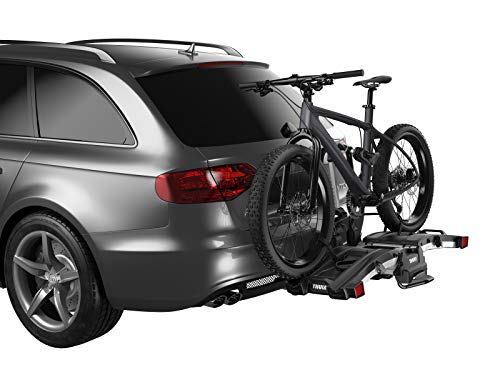
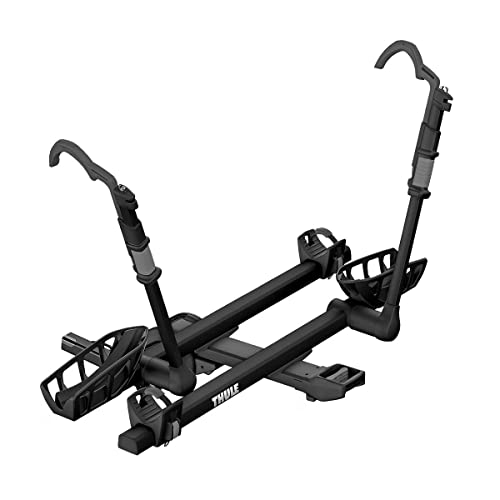
Four rack families dominate the market, and they differ mainly in where they grip the bike and where they mount on the vehicle. Platform hitch racks hold the wheels and usually touch nothing else, which is why they lead for full suspension use. Hanging hitch racks cradle the frame, roof racks hold wheels or the fork with the bike upright overhead, and trunk racks strap to the rear of the car and grip the frame.
Typical price bands help set expectations. Trunk racks often sit around $80 to $200, hanging hitch racks around $150 to $350, roof setups around $200 to $400 per bike once bars are included, and platform hitch racks around $300 to $800. The sections below judge each family against full suspension bikes first, then against the other bikes you might carry.
Road and Gravel Bikes
Road and gravel bikes are the easy case for every rack type, because their frames have a clear top tube and modest weight. Hanging racks work well for them, and roof racks suit riders who want the rear of the car free. This matters for mixed households: a rack bought only for a road bike may fail a full suspension bike later. If a second bike is likely, buy for the harder bike now. Wheel hold platform racks carry both kinds equally well, which makes them the flexible choice for families whose fleet keeps changing.
Full Suspension Mountain Bikes
For full suspension bikes, platform hitch racks are the strongest default. The bike stands on its wheels in trays, a ratcheting arm holds the front wheel, and nothing clamps the frame or squeezes the rear linkage. That protects carbon tubes, dropper post cables, and shock hardware all at once. Hanging racks are the weak option here, since sloping frames sit crooked and may need an adapter bar, and the swinging rear wheel can strike the vehicle. Roof racks work if you can lift the bike and your trays accept wide tires. Trunk racks are a last resort for short, careful trips.
Commuter E Bikes
Commuter e bikes and electric trail bikes raise the weight question above everything else. Many weigh 50 lb or more, which exceeds the per bike rating of lighter racks and makes roof lifting unsafe for most people. A platform hitch rack with a high per bike rating and a loading ramp is the practical answer, and removing the battery before the drive cuts weight and protects the contacts. Riders researching heavy electric models in our guide to the best full suspension e mountain bike should treat the rack rating as part of the purchase cost from day one.
How to Choose the Right Bike Rack
With the types compared, narrow your choice with the four checks below. They move from the bike itself to the vehicle, so work through them in order and stop at the first rack style that passes all four.
Features That Matter for Full Suspension Mountain Bike
Three features matter above the rest. First, zero frame contact: the rack should hold wheels only, so the moving rear triangle and shaped carbon tubes stay free. Second, tire width capacity, since modern trail tires need trays and straps that accept wide rubber without forcing. Third, wheelbase support, because long modern frames can overhang short trays and rock at speed. Add a tilt feature for cargo access and an integrated lock for fuel stops. If a rack cannot state its wheelbase and tire limits clearly, treat that silence as a failed check.
Sizing and Fit
Measure three things before ordering: your receiver size, the distance from the hitch pin hole to the nearest part of your bumper, and your longest bike wheelbase. The rack needs clearance to fold and tilt without striking the vehicle, and the trays need to support your wheelbase with the wheels seated, not perched. Standover and frame shape, the usual sizing worries on hanging racks, mostly vanish with a platform design. Test load the bike at home and check that the front wheel arm contacts the tire ahead of the fork, as makers intend.
Motor, Battery, and Range (for E Bikes)
Electric full suspension bikes combine every hard factor at once: weight, wide tires, and costly frames. Confirm the rack per bike rating exceeds your bike weight with the battery removed, and check the total rating if you carry two. Battery removal also protects range claims, since a battery left in a hot parked car ages faster. Keep the key and contacts clean, and never use a hanging rack for these bikes, because the load concentrates on frame points that were never designed to carry the whole machine.
Bike Type and Riding Style
Your riding style sets how often the rack earns its keep and how much abuse it takes. Cross country riders with lighter bikes can choose mid weight platforms and load in seconds. Enduro and downhill riders haul longer, heavier bikes down rough access roads, so they should favor stout trays, strong straps, and good ground clearance. Newer riders still choosing a first dual suspension machine can browse our guide to the best beginner full suspension mountain bike and note the frame shapes that platform trays handle best.
Setup and Care Tips
Before each trip, confirm the hitch pin or anti wobble device is tight, every wheel strap is snug, and the hold arm sits firmly on the front tire. After the first few miles, stop once and recheck straps, because bikes settle into trays as the road moves them. Keep the rear shock and linkage clean where they pass near trays and straps, since trapped grit grinds finishes. Store the rack dry, oil the lock cores lightly, and inspect strap webbing each season for cuts or fraying. Riders who found their bike through guides like the best inexpensive full suspension mountain bike should protect that saving by budgeting for straps and pads in good condition.
Frequently Asked Questions
What features matter most in bike racks for full suspension mountain bike?
Zero frame contact, tire width capacity, and wheelbase support matter most. A wheel hold platform rack protects carbon frames and rear linkages because nothing clamps the tubes. After those three, check the per bike weight rating and whether the rack tilts for cargo access. If a specification sheet hides the wheelbase or tire limits, that usually means the numbers are modest, so ask before you buy.
Hardtail or full suspension for beginners?
For rack choice, the difference is frame shape rather than skill. Hardtails have a fixed rear triangle and a clearer top tube, so they tolerate more rack styles, including hanging racks with an adapter. Full suspension bikes need the wheel hold approach described above. Beginners on either bike should practice loading at home, because the awkward moment is always the first lift in a wet trailhead parking lot, not the tenth.
Can I use a hanging rack with an adapter bar?
You can, and many riders do for short trips, but understand the trade offs. An adapter bar creates a level line between the seat post and stem, yet the bike can still swing, and contact points can rub paint and stress cables. Keep loads light, pad every contact, and drive gently. For regular use, frequent long drives, or a carbon frame, a platform rack remains the safer answer and the adapter is best treated as a backup plan.
How much should I spend on a rack for a full suspension bike?
Expect to spend around $300 to $600 for a platform rack that safely carries one or two full suspension bikes with room in the ratings. Cheaper frame contact racks cost less because they do less, and the saving is poor value against a damaged carbon frame or a dropped bike. Budget models make sense for a steel hardtail used on short hops. Match the spend to the value and fragility of the bike being carried.
What size rack do I need for a long wheelbase bike?
You need trays rated for a wheelbase longer than your bike, with margin to spare. Measure axle to axle with a tape, then compare it with the maximum wheelbase in the rack specifications rather than with phrases like fits most bikes. Long travel 29 inch models are the usual problem cases. If your bike sits near the limit, confirm the wheel straps still reach around your rims and tires with the wheels fully seated in the trays.
Wrapping Up
Hold the wheels, never the frame. Respect the weight rating, and buy for the longest and widest bike you own. Those three rules settle nearly every case, and they make the best bike rack for full suspension mountain bike an easy decision once you compare styles honestly. Check the product table above, match the hold style to your frame, and your bike will travel as safely as it rides.