
Best Bike Pumps For Road Bikes of 2026: Complete Buying Guide
Disclosure: We may earn a commission when you buy through links on this page, at no extra cost to you. As an Amazon Associate I earn from qualifying purchases. Learn more

Road tyres need high pressure and an accurate gauge. Compare floor, mini and electric options among the best bike pumps for road bikes.
Shopping for the right option can feel overwhelming when every choice claims to be the answer. This guide to best bike pumps for road bikes cuts through that noise by focusing on the features, sizes, and trade offs that actually affect daily use. You will learn what to prioritise, what to ignore, and how to avoid common buying mistakes.
Road bike tyres run at high pressure, so a road pump needs to reach that pressure without a fight and hold an accurate reading. The difference between a general pump and a road focused pump shows up in the last strokes, when pressure is high and every push counts.
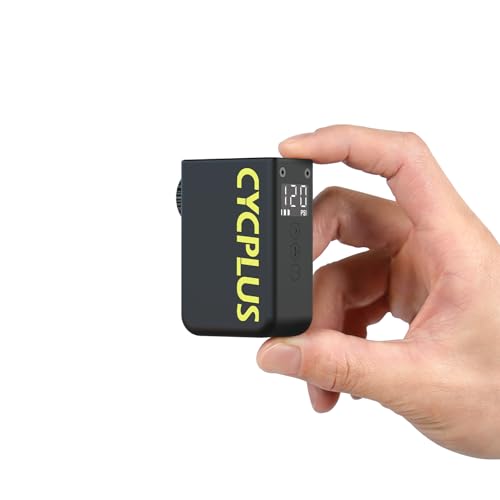
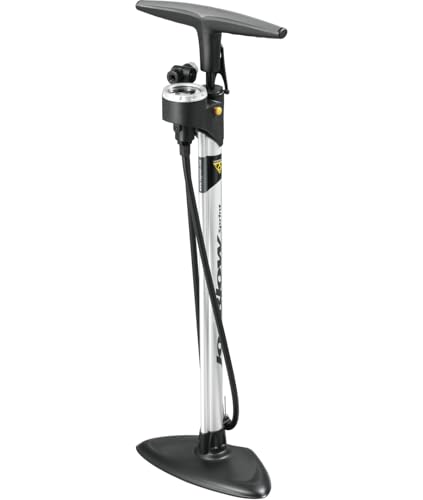


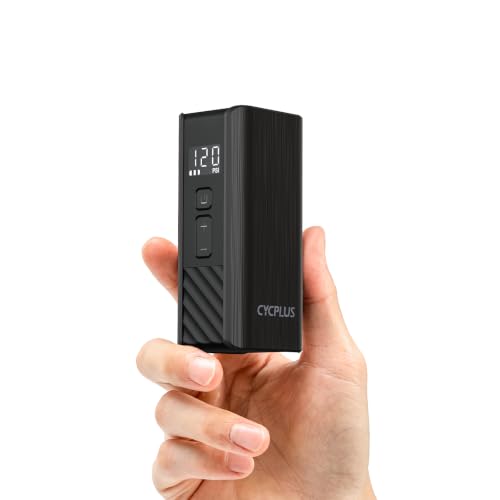

The comparison table below gives a quick overview of the main types, and the sections that follow explain each choice in more detail. Use the table to narrow your shortlist, then read the feature and buying sections to confirm the option that fits your routine and budget.
Who Should Buy This Type
A road bike pump suits riders who run narrow tyres at high pressure and check pressure before every ride. It suits you especially well if you ride on smooth roads and want consistent rolling speed and grip. It may suit you less well if you also ride wide trail tyres, since a pump optimised for high pressure can be slow at the large air volumes those tyres need.
Types Compared
Most buyers choose from a small number of types, each with clear strengths and limits. The table below compares them at a glance, so you can see which type matches your main use before reading the detail.
| Type | Best For | Strength | Watch Out For |
|---|---|---|---|
| Road floor pump | Home use | High pressure with a stable base | Not portable |
| Road mini pump | On the road repairs | Fits a pocket or frame mount | Hard work at full pressure |
| Road electric pump | Fast top ups | Accurate preset pressure | Needs charging |
| Road track pump with large gauge | Precise home setup | Easy to read small changes | Bulky to store |
Choosing between types usually comes down to where and how often you will use the pump. A type that excels in one setting may disappoint in another, so match the type to your most frequent use rather than to an occasional scenario. If two types both seem close, the one that is easier to maintain and more comfortable in daily use is usually the safer pick.
Key Features to Compare
The features below matter more than headline claims, because they decide how the pump performs in real life. Work through them in order, and note which ones are essential for you and which are simply nice to have.
Maximum pressure
Confirm the pump rating exceeds your tyre pressure with margin, because a pump working at its limit is slow and inaccurate.
Gauge readability
A large clear gauge helps you hit a target within a few pounds, which matters more on road tyres than on wide low pressure tyres.
Valve head
Presta compatibility is essential for most road bikes, and a head that seals first time saves air and frustration.
Stroke volume
A smaller barrel reaches high pressure more easily, while a larger barrel moves air faster, so road pumps favour a narrower barrel for control.
How to Choose the Right One
Start from your main use, then work through size, key features, and budget in that order, since a pump that fits your routine matters more than one with the longest feature list. Write down your must have features before shopping, and use them to filter options quickly.
Check practical details last, such as delivery, returns, warranty, and care, because these decide how easy the pump is to own. A slightly simpler pump with clear support often serves better than a complex one with uncertain backup.
Getting the Most From Your Choice
Before you order, measure the space or the fit that matters most for this pump, and check returns and warranty terms in plain language. A quick measurement now prevents most sizing regrets, and a clear returns policy makes it easier to exchange a pump that does not suit you in daily use.
Once your pump arrives, test it in real conditions during the first days rather than saving it for a special occasion. Note what feels right and what does not, keep packaging until you are sure, and follow basic care steps so the pump stays in good shape for a long time.
Common Mistakes to Avoid
One common mistake is choosing by a single headline feature, such as the largest size or the highest power, without checking how that feature affects daily use. A pump that looks impressive on paper can disappoint if it is awkward to store, hard to clean, or uncomfortable after an hour. Always weigh the headline feature against fit, maintenance, and the conditions where you will actually use it.
Another mistake is skipping measurements and compatibility checks. For a pump, a few minutes with a tape measure, a check of connections or sizing, and a look at care requirements can prevent most returns. If you are unsure between two sizes or types, the option that is easier to adjust or exchange is usually the safer first choice.
A third mistake is buying the cheapest option without checking durability and support. Low prices can hide thin materials, short warranties, or poor spare parts availability, all of which cost more over time. Compare total ownership cost, not just the purchase price, and favour a pump with clear care guidance and reliable support.
A Final Check Before You Order
Run through a short checklist before you commit: confirm the size, confirm the key features for your main use, confirm care and cleaning needs, and confirm returns and warranty terms. This checklist takes only a few minutes, yet it catches most of the issues that lead to regret after delivery.
Finally, think about how the pump will fit into your routine in the first month. If it needs a new habit, extra storage, or regular maintenance, make sure you are happy with that trade off. A pump that fits your life easily will get used far more than one that demands constant adjustment, however good it looks in the box.
Related Guides
When you have narrowed your options, the guide to best mini pumps for road bikes offers a related perspective that can help you confirm the right fit.
If your needs go beyond this guide, the guide to best road bike tire pumps covers a closely related option and can help you compare features before you decide.
For a related choice in the same area, read the guide to best road bike floor pumps, which looks at a neighbouring option with different strengths and trade offs.
You may also want to compare the guide to best bike floor pumps, since it covers a related product that suits some buyers better than the one discussed here.
Frequently Asked Questions
What pressure do road bike tyres need?
Start with the range on the tyre sidewall and adjust for your weight, tyre width, and road surface. Narrower tyres generally need higher pressure than wider ones, and heavier riders need more pressure than lighter riders. Never exceed the sidewall maximum, and check pressure before each ride, since even a good tube loses air over days.
Is a mini pump enough for a road bike?
A mini pump can get you home after a puncture, but reaching full road pressure with one takes many strokes and real effort. For daily use, a floor pump is far easier and more accurate. Carry a mini pump for emergencies and use a floor pump at home, and you cover both needs without compromise.
Why does my road pump feel hard near full pressure?
That is normal, because each stroke must push against the pressure already in the tyre. A pump with a narrower barrel and a good seal makes this easier, as does a stable base and a comfortable handle. If the handle feels like it is fighting you from the first stroke, check that the valve head is fully locked and the valve core is open.
How often should I check road tyre pressure?
Before every ride is a good habit, since pressure loss of a few pounds changes grip and comfort noticeably on narrow tyres. A quick check takes under a minute with a floor pump and gauge. If pressure drops fast between rides, inspect the valve and tyre for a slow leak rather than simply topping up each time.
Can one pump cover road and mountain bikes?
Yes, if it handles both high pressure and larger air volume, though it will be a compromise in one direction or the other. A floor pump with a dual mode or a good electric pump covers both uses well. If you ride both types often, a home floor pump plus a small trail pump may be simpler than one pump trying to do everything.
Final Thoughts
When you weigh up the options above, the product table above and the feature sections should leave you with a shortlist of two or three realistic choices. The best way forward is to test fit, size, and comfort where possible, and to choose the best bike pumps for road bikes that suits your daily routine rather than the one with the most impressive specification list.
Take your time, measure carefully, and check returns and warranty terms before you order. A considered choice now saves frustration later, and a pump that fits your life well will serve you far better than a rushed purchase.


