
The Best Bike Pedals for Mountain Bikes: Buying Guide for 2026
Disclosure: We may earn a commission when you buy through links on this page, at no extra cost to you. As an Amazon Associate I earn from qualifying purchases. Learn more
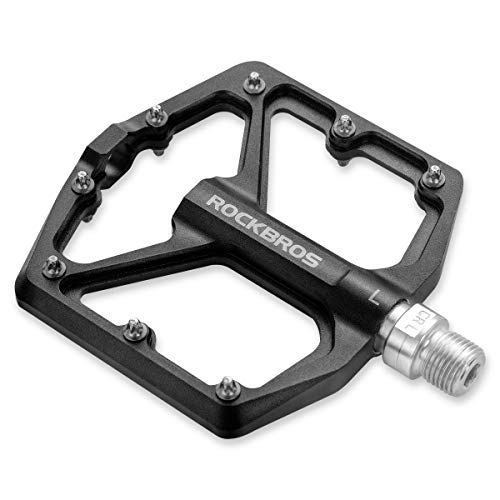
Compare pedal styles and learn how to choose the best bike pedals for mountain bikes, with grip, platform size, cleat and durability guidance inside.
Pedals are one of only three contact points between you and the bike, yet many riders keep the basic pair that came in the box for years. This guide helps you choose the best bike pedals for mountain bikes for your trails, your shoes, and your confidence level, without guessing at sizes or thread standards.
Start with the comparison table below for a quick view of platform sizes and styles. Then work through the buying guide to match a pedal type to your riding.
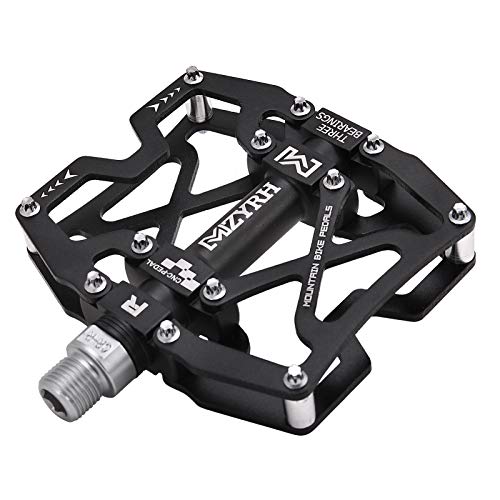
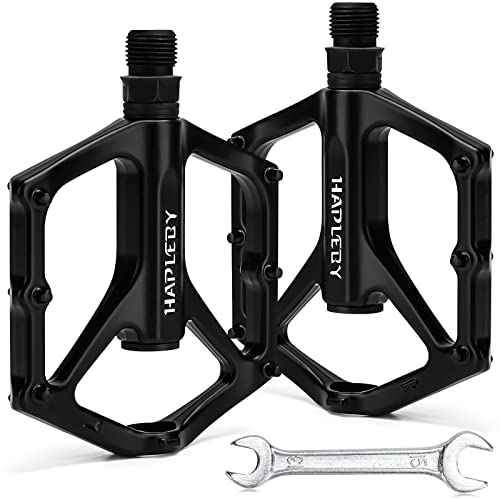


Pedal Styles by Budget and Rider Type
Rather than naming a single winner, it helps to think in tiers. Each tier below suits a clear rider type, and the product table above shows current options that fit each description.
Balanced All Round Tier
Most trail riders do best with a mid size flat pedal or a trail clipless pedal in the about $60 to $120 range. You get metal pins or a proven cleat mechanism, sealed bearings, and a body that survives rock strikes. This tier suits riders who ride two or three times a week and want one pedal for climbs, descents, and everything between, with no plans to change style soon.
Value Tier
Riders on a budget can find capable flat pedals under $60 with nylon bodies and steel pins. Nylon slides off rocks instead of bending, and it keeps weight low, though the pins are often shorter and less grippy in mud. This tier works well for newer riders who are still deciding between flat and clipless riding, because the cost of changing your mind later stays low.
Upgrade Tier
Experienced riders who want maximum grip or the lightest feel often spend about $120 to $200. That money buys thinner bodies for better ground clearance, replaceable pin systems, titanium or high grade steel axles on some models, and smoother bearings. The gain is real but smaller than the jump from basic pedals, so upgrade only when your current pair limits your confidence or your shoes slip in wet conditions.
How to Choose the Right Pedals: A Buying Guide
The right pedal depends on how you ride, what shoes you own, and how much float and grip your knees and feet prefer. Work through each factor below in order.
Features That Matter for Mountain Bikes
Trail pedals need grip in mud, clearance over rocks, and bearings that survive pressure washing and wet winters. For flats, look for a platform around 100 to 110 mm long with pins around the edge and center. For clipless pedals, look for open designs that shed mud and an entry you can use without looking down. Riders comparing flat options can see our guide to the best flat pedal for mountain bike riding for pin layout details.
Bike Type and Riding Style
Cross country riders often choose small clipless pedals that keep weight low and power transfer direct. Trail and enduro riders lean toward larger platforms, either flat pedals or clipless pedals with a cage around the mechanism for support on rough descents. Downhill riders need the largest, toughest bodies. If you ride an e bike, the extra bike weight makes a supportive platform even more valuable on long seated climbs.
Sizing and Fit
Pedal size should match your shoe size and stance, not your frame size. Riders with feet above US size 10 usually prefer platforms at least 110 mm long so the ball of the foot sits fully on the pedal. Smaller riders can use compact platforms that reduce rock strikes. All modern mountain bike pedals use a 9/16 inch thread, so fit is about platform shape and axle length rather than thread compatibility.
Frame Material and Geometry
Your frame does not decide your pedals directly, but geometry affects clearance. Low bottom brackets on modern trail bikes strike pedals more often, so a thinner pedal body helps on rocky climbs. Wide crank boots and thick chain stays can also limit how close your heel sits, which matters if you ride with your heels slightly inward. Check heel clearance with your riding shoes before committing to the widest platform.
Suspension and Travel
On hardtail bikes your legs absorb more impact, and a grippy flat pedal helps your feet stay planted when the rear wheel skips. On full suspension bikes with 130 to 160 mm of travel, riders often feel secure enough to use clipless pedals on faster terrain. Either way, pedal choice should match the roughest trail you ride regularly, not the smoothest one you ride once a year.
Brakes and Control
Strong hydraulic disc brakes let you slow down late and stand tall over the bike, which changes how you weight the pedals. When you brake hard into corners, a stable platform keeps your feet level and your heels dropped. Riders upgrading brakes often find their old slippery pedals become the new weak point, so treat pedals and brakes as one control system rather than separate purchases.
Weight and Upgrade Path
Pedal weight matters less than grip and durability, because pedals sit low and near the center of the bike. Still, very heavy pedals can feel sluggish on long climbs. A smarter upgrade path is to buy pedals with replaceable pins, serviceable bearings, and spare cleats in the box. Riders who prefer clipped in riding can compare mechanisms in our guide to the best spd mountain bike pedals before choosing a system.
Types of Pedals Explained
Four broad groups cover almost every rider. Read the group that sounds like you, then check the platform details in the comparison table above.
Flat Platform Pedals
Flat pedals use metal pins to grip the sole of a flat specific shoe. You can lift your foot instantly, dab in corners, and walk normally at the cafe. They suit learners, downhill riders, and anyone who rides technical trails slowly. Riders who want the widest support can see our guide to the best mountain bike platform pedals for large body options and shoe pairing advice.
Clipless Trail Pedals
Clipless pedals lock a cleat on your shoe to the pedal with a spring mechanism, despite the confusing name. They help you pull through rough sections without bouncing off and keep your feet placed on fast descents. A surrounding cage adds platform support for moments when you ride unclipped. If this style appeals to you, our guide to the best clip pedals for mountain bike use explains release tension settings.
Pedals for Electric Mountain Bikes
E bikes add motor weight and higher average speeds, so pedals take harder hits and longer hours. Choose metal bodies, strong axles, and bearings rated for heavy use. Riders shopping for the bike itself can see our guide to the best pedal assist mountain bike options, but for pedals the rule is simple, which is to buy one level tougher than you would for a regular trail bike.
Pedals for Kids and Smaller Riders
Young riders need smaller platforms that match small shoes, plus pins that grip without tearing skin during a fall. Many parents choose nylon flats with shorter pins and reflectors for visibility. Avoid tiny basic pedals with smooth plastic bodies, because wet shoes slide off them easily. As kids grow, move them to the same pedal style the family rides so skills transfer directly.
Care and Maintenance Tips
- Check pin tightness monthly, and replace bent pins before they damage your shoe soles.
- Rinse mud from clipless mechanisms after wet rides so the springs keep working smoothly.
- Spin each pedal by hand every few weeks; a gritty or notchy feel means the bearings need service.
- Carry a spare cleat bolt on long rides, because one loose bolt can end a clipless ride quickly.
FAQs
What features matter most in bike pedals for mountain bikes?
Grip, platform support, and bearing durability matter most. A pedal that holds your shoe in mud and survives rock strikes will improve every ride, while small weight savings will not. Check pin height and placement on flats, or mud shedding and release tension range on clipless models. Also confirm that replacement pins, cleats, and bearing kits are easy to buy in your country.
Hardtail or full suspension for beginners, and does it change pedal choice?
Beginners can learn on either bike, and many coaches suggest flat pedals first on both. Flats teach balanced foot placement and let you step off safely while skills grow. Full suspension bikes smooth the trail enough that some beginners move to clipless pedals sooner. Whichever bike you own, choose grip and easy exit over racing weight during your first season of trail riding.
Are flat or clipless pedals better for mountain biking?
Neither is better for everyone. Flat pedals let you move your feet freely and suit technical trails and learners, while clipless pedals keep your feet planted and improve pedaling efficiency on climbs and fast descents. Choose by the trails you ride and how confident you feel putting a foot down.
Do I need special shoes for mountain bike pedals?
Yes. Pinned flat pedals work best with flat, grippy soled shoes, while clipless pedals need shoes with a cleat compatible with the mechanism. Treat shoes and pedals as one system when you buy.
How much should I spend on my first set of trail pedals?
About $40 to $100 buys a first set that grips well and lasts several seasons. Below that range, bearings and pins are usually the weak points. Above it, you pay for thinner bodies, lighter axles, and finer finish rather than basic function. If you are unsure between flat and clipless styles, start with a good flat pedal and spend the savings on shoes made for flat pedals.
What size bike do I need, and does it affect pedal size?
Choose your frame size from the maker chart using height and inseam, then confirm with a test ride. Frame size does not change pedal thread size, which is 9/16 inch on nearly all mountain bikes. It can affect crank length, though, and longer cranks on larger frames increase pedal strike risk on rocky climbs. If you strike often, a thinner pedal body helps more than a smaller platform.
Final Thoughts
Decide flat or clipless first, then match platform size to your shoes and grip to your wettest trails. Those two choices matter more than brand or weight. When you are ready to pick the best bike pedals for mountain bikes for your own riding, compare your shortlist with the product table above and choose the tier that fits your budget and your roughest regular trail.


