
Best Bike Lock Mountain Bike: Matching the Right Lock to Your Routine for 2026
Disclosure: We may earn a commission when you buy through links on this page, at no extra cost to you. As an Amazon Associate I earn from qualifying purchases. Learn more

Match lock type, shackle size and weight to your usual stops to choose the best bike lock mountain bike riders can trust.
There is no single lock that suits every rider, because a bike left outside a trailhead cafe for ten minutes faces a very different risk from one stored overnight in a shared garage. Finding the best bike lock mountain bike setup starts with your routine, not with the thickest steel in the shop.
This guide matches lock types and features to real situations, from muddy weekend rides to apartment storage. Work through the user groups and the feature comparisons, check the comparison table below, and you will know exactly which style of lock deserves your money.
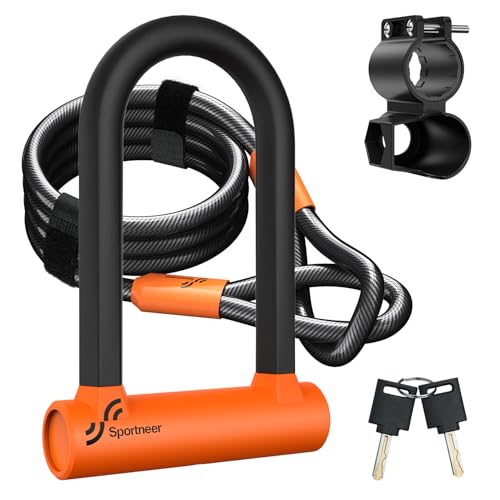


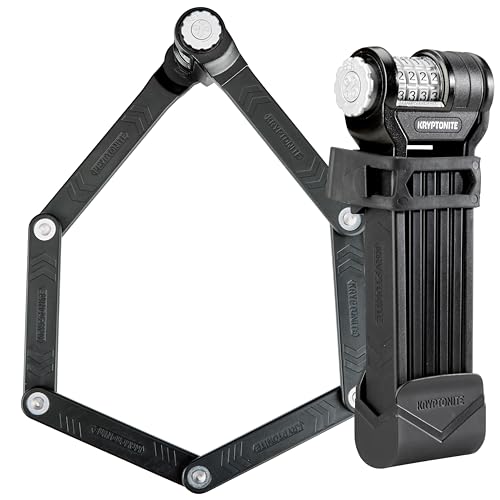
Who Should Buy Which Bike Lock Mountain Bikes?
Start by naming your most common stop, because that stop decides the security level you need. Short daylight stops in busy places allow lighter locks, while long or repeated stops at the same location demand serious hardened steel. Be honest about the worst stop you make regularly, not the average one, since thieves only need the weak moment.
For Bad Weather and Tough Conditions
If your bike lives through rain, trail mud, and winter road grit, choose a lock with a sealed keyway cover and a corrosion resistant finish. Chains with a tough fabric sleeve protect your frame paint while shrugging off dirt, and a shackle with a smooth coating resists the grime that jams bare mechanisms. Rinse grit off the lock after muddy rides and dry it before storage. A lock that seizes in February is no protection at all, so weather sealing matters as much as steel thickness for outdoor routines.
For Weekend Beginners
New riders usually stop for short periods in visible places, so a mid weight U lock or a quality folding lock gives a sensible balance of security and ease. Prioritize a simple mounting bracket, because a lock that is easy to carry is a lock you will actually bring. Budget around $40 to $80 for this level and skip the thin cable locks sold as primary security. A cable is fine as a second lock for a front wheel, never as the only thing guarding the frame.
For Small Spaces and Easy Storage
Apartment riders and van travelers need locks that pack flat and store quietly. Folding locks collapse into a compact case that mounts on the frame, and short chains coil into a saddle bag or a small pack. Measure your storage spot before buying, and check that the mounted lock does not rub your legs while pedaling. If your riding centers on one capable trail bike, our guide to the best mtb mountain bike explains the frame styles whose tube shapes affect where a bracket can sit.
Key Features to Compare
With your routine clear, compare locks on the features that decide real world security. Steel type, shackle thickness, and the space inside the lock all matter more than glossy marketing terms. The points below translate each feature into the situation where it earns its keep.
Weight and Components Upgrade Path
Every extra pound on the frame is a pound you lift onto racks and carry up stairs, so weigh security against your route. A heavy chain makes sense for a fixed home parking spot where it can live permanently, while a lighter U lock suits rides with many stops. Think of your setup as a path: start with one solid primary lock, then add a cable or a second compact lock later for wheels and longer stops. That staged approach spreads cost and lets each piece do the job it does best.
Wheel Size and Tires
Mountain bike wheels and wide tires change how a lock fits. A U lock must pass around the frame, a wheel rim, and the rack or post you lock to, and fat tires eat into that space fast. Riders on 29 inch wheels or plus size tires should look for a long shackle model or a chain with enough length to loop comfortably. A practical test is to wrap your usual parking spot in a tape measure loop that mimics the lock, then confirm the lock you want can match that loop with room to close.
Bike Type and Riding Style
A lightweight cross country bike and a burly enduro bike invite different choices. Expensive full suspension frames justify a higher security rating and a second lock, because their resale value makes them targets. Trail style also decides carrying method: frame brackets suit smooth climbs, while rough descents can rattle a bracket loose, so pack carry may be safer. Riders comparing frames in our guide to the best bike for mountain biking should note that sloping top tubes and rear shocks limit where a lock can clamp through the frame.
Security Ratings and Locking Mechanisms
Independent ratings give you a common yardstick, so look for a stated rating level from a recognized testing program rather than a vague claim of maximum security. Hardened steel shackles around 13 mm or thicker resist common hand tools far better than thin ones. Disc style key cylinders resist picking and drilling better than basic wafer designs. Also check how the shackle locks: models that lock on both sides force two cuts for removal, which adds real time and noise for a thief.
Key management is part of the mechanism too. Two or three keys in the box, a key code card for replacements, and a smooth key action in cold weather all signal a better built lock. Register the key code somewhere safe the day the lock arrives.
Common Mistakes to Avoid When Buying Bike Lock Mountain Bikes
- Judging by price alone, since the cheapest lock often protects nothing but your optimism.
- Buying a shackle that is too small to fit around your frame, wheel, and the parking fixture together.
- Ignoring weight and carry method, then leaving the heavy lock at home on exactly the rides that end with a stop.
- Locking only the front wheel, which unbolts in seconds on most mountain bikes with quick release axles.
- Skipping the warranty and key replacement terms, which matter when a cylinder wears or a key is lost.
Each of these mistakes is easy to avoid with five minutes of measuring and one honest look at your routine. The lock has to fit your bike, your parking spots, and your habits at the same time.
Setup and Care Tips
Lock through the rear wheel inside the rear triangle of the frame whenever you can, because that placement secures both the wheel and the frame in one move. Fill as much of the shackle space as possible so tools cannot gain leverage, and keep the lock off the ground where it cannot be struck or pried against the pavement. Keep the keyway facing down to shed rain. Every few months, clean the mechanism with a dry cloth and add a drop of lock specific lubricant, never thick grease that traps grit. Store a spare key at home, and practice opening the lock with gloves on before a cold ride.
At home, the same discipline applies. Riders with the kind of all terrain machines covered in our guide to the best all mountain mountain bike often store them in garages and sheds, which are common break in targets, so a ground anchor with your main lock adds a strong layer there.
Frequently Asked Questions
How much should I spend on my first mountain bike lock?
Spend roughly ten percent of your bike value as a starting rule, which lands around $40 to $100 for most trail bikes. That range buys hardened steel and a rated design rather than a visual deterrent. If your regular stops are long or in high theft areas, move up a level before you move up in bike parts, because the lock protects every other dollar you spend.
What size lock do I need for a mountain bike?
You need a lock that closes around your frame tube, one wheel, and the fixed object with minimal empty space. Standard U locks suit many hardtails, while wide tires and deep rims often need a long shackle version or a chain of about three feet. Measure your usual rack or post and add the frame and rim depth before choosing, and favor the smallest lock that still closes smoothly.
Is a chain or a U lock better for trail use?
A U lock is usually better for carrying on the bike, while a chain wins for awkward parking spots and home storage. Chains flex around thick posts and anchor points that a rigid shackle cannot reach, but they weigh more. Many regular riders own both: the U lock travels, and the chain stays at the regular parking spot. Match the tool to the stop rather than declaring one style the winner for every case.
Can a cable lock ever be enough on its own?
No, a cable lock alone is not enough for a mountain bike left out of sight. Basic cables can be cut quietly with common hand tools in moments. Use a cable only as a secondary device to secure a front wheel or a saddle alongside a rated primary lock. If your stop is truly brief and in direct view, that pairing is reasonable, but the cable should never carry the whole job.
How do I lock a bike with no rack or post nearby?
Choose a different stop whenever you can, since a fixed and immovable object is half of any good lockup. If no rack exists, a solid railing, a thick sign post set in concrete, or a permanent bench can work, provided local rules allow it. Loop the lock through the frame and rear wheel, keep it tight, and avoid thin trees or loose poles that can be lifted or cut. When in doubt, walk the extra block to a real rack.
Final Thoughts
Match the lock to your worst regular stop, buy the smallest rated lock that fits your frame and fixture, and carry it in a way you will not skip. Those three habits do more for security than any single feature claim. With those checks done, choosing the best bike lock mountain bike for your routine is straightforward, so compare the options in the product table above and pick the style that fits the stops you really make.


