
Best Bike Light Sets in 2026: Buying Guide and Tips
Disclosure: We may earn a commission when you buy through links on this page, at no extra cost to you. As an Amazon Associate I earn from qualifying purchases. Learn more

Front brightness, rear visibility, battery type and mounts explained: how to choose the best bike light sets for commuting and everyday riding.
A bike light set does two jobs at once: the front light helps you see the road, and the rear light helps drivers see you. The best bike light sets pair a front beam that suits your roads with a rear light that is visible in daylight and dusk, mounts that fit your bike, and a battery that lasts your whole week of riding. This guide explains who needs which type, which features matter, and which mistakes to avoid.
The product table shows the main options side by side. Read the sections below to decide how much brightness, battery life and mounting flexibility you need.
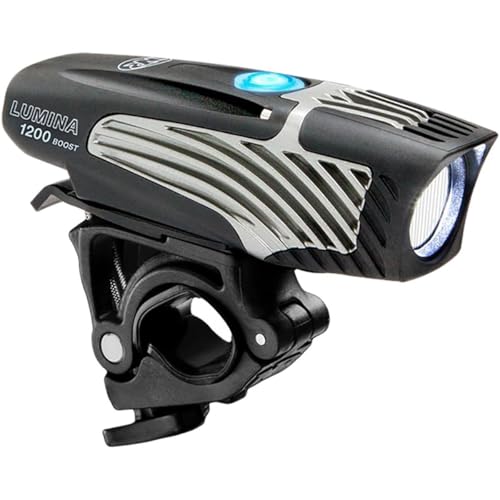


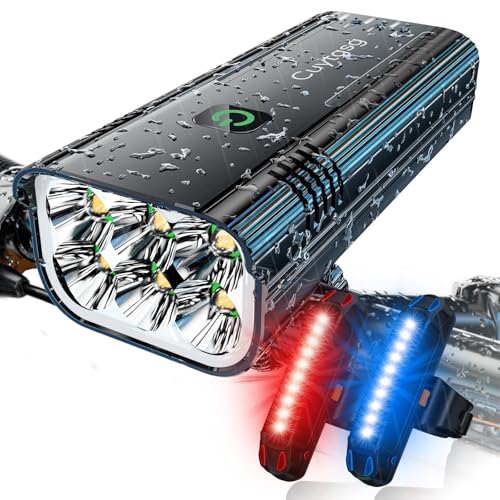
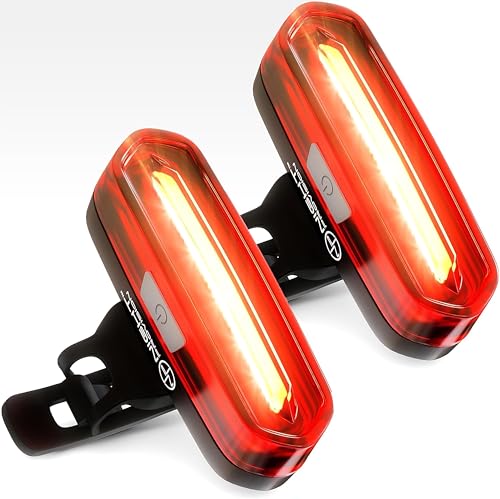
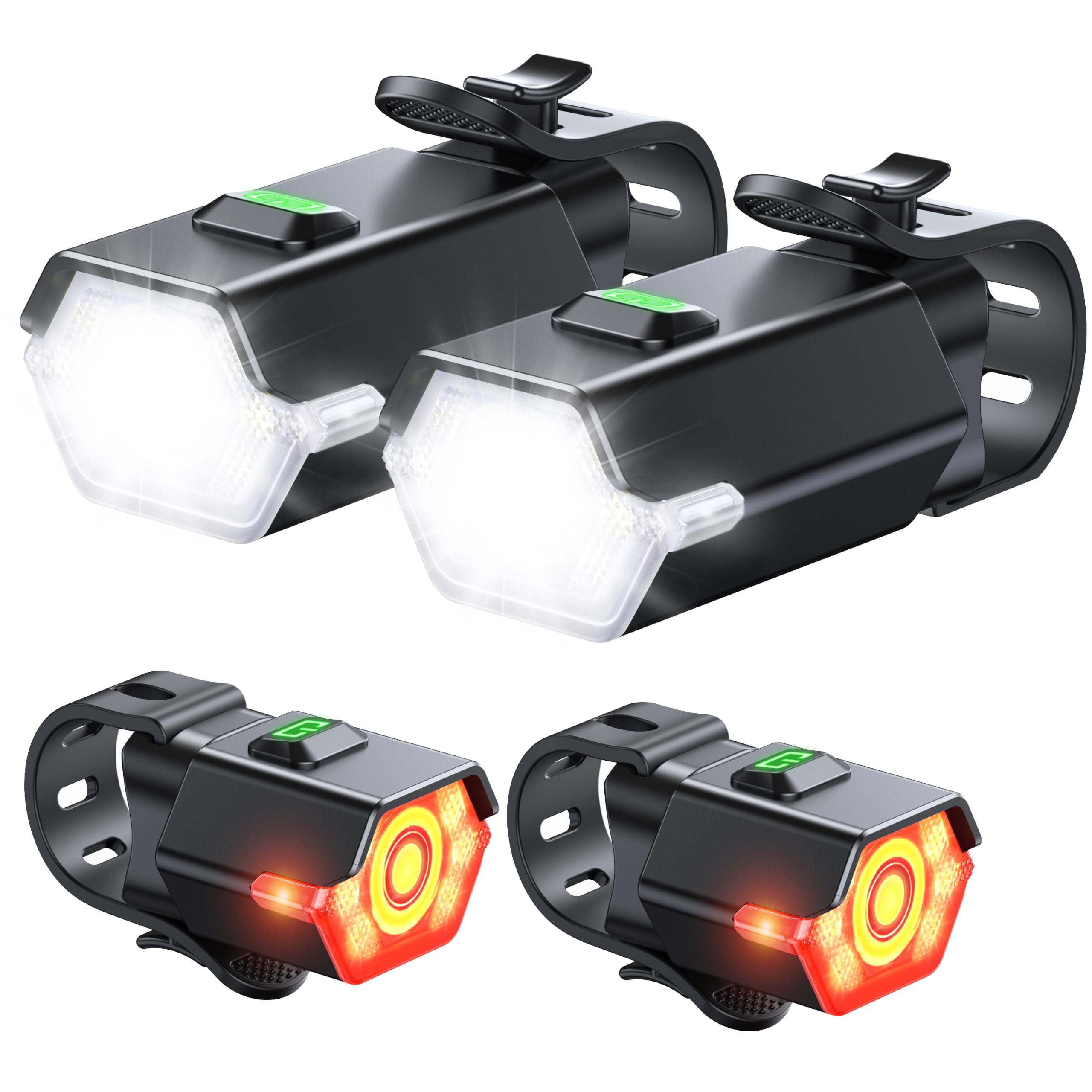


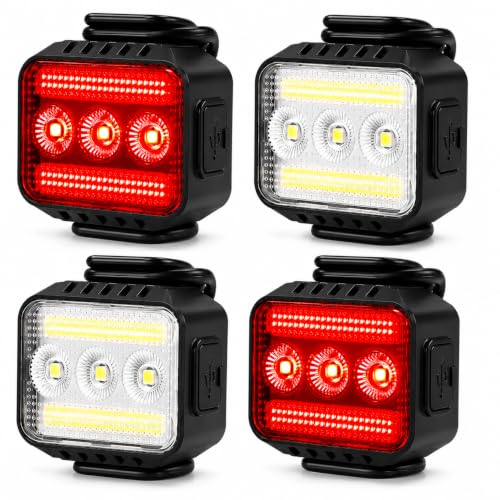
Who Should Buy a Bike Light Set
- Commuters who ride in traffic at dawn and dusk.
- Families buying a first light set for a new bike.
- Touring riders who need reliable lights for long days.
If none of these fits exactly, focus on your single most important need, whether that is brightness, battery life, size or price. For nearby uses, see our guides to the best road bike light sets and best rechargeable bike light sets.
Key Features to Compare
Front Brightness
Lit urban roads need modest brightness, around 200 to 400 lumens, while dark paths and rural roads call for 600 lumens or more. Beam shape matters as much as the number: a focused center with a soft spill lights the road surface without blinding oncoming riders.
Rear Visibility
Drivers approach from behind far more often than from the front, so the rear light matters. A rear light needs far fewer lumens than the front, often 20 to 50, but a daylight visible flash mode is valuable on bright days.
Flashing and Steady Modes
Flashing lights attract attention in daylight and busy traffic, while steady lights help you see on dark roads. Many riders use a steady front light and a flashing rear light. Avoid flashing modes that dazzle other road users, and switch to steady on unlit roads.
Mounting Fit
Match the mounts to your handlebar and seatpost diameters, and tighten straps firmly without cracking plastic brackets. A light that slips during a ride leaves you invisible, so replace worn rubber straps promptly.
Battery Life and Charging
Check run time for the steady mode you will actually use, not only the flashing mode. A battery indicator gives you warning before the set fades on a dark street.
Types of Bike Light Sets
USB Rechargeable Sets
These charge from any USB port, so there are no batteries to buy. They cost less over time and suit daily commuters who can charge at home or at work.
Battery Powered Sets
These use standard batteries that you can swap on the road. They suit touring riders who cannot charge often, but you need spare batteries in your bag.
High Visibility Sets
These add bright flashing modes for busy urban traffic. They suit riders who share roads with heavy traffic at dawn and dusk.
Compact Sets
Small sets fit easily in a pocket or bag and suit short trips and spare bikes. For tighter budgets, see our guide to the best bike light sets under 50, and for dark trails, the best light for mountain bike.
Setup and Care
Aim the front light slightly downward so it lights the road without blinding oncoming riders, and keep the rear light vertical so following drivers see the full lens. Shake the bike gently to confirm the mounts hold before you ride.
- Charge rechargeable sets after every few rides, not only when they die.
- Check mounts and rubber straps for wear before winter.
- Clean the lenses so drivers can see your lights clearly.
Use lights in low light and bad weather even during the day, wear reflective clothing, and never ride with a dead rear light in traffic.
Frequently Asked Questions
Do I need both front and rear bike lights?
Yes. Front lights help you see the road, while rear lights help drivers see you. Most laws require lights after dark, so buy a set that covers front and rear together.
Are flashing or steady lights better?
Flashing lights attract attention in daylight and busy traffic, while steady lights help you see at night. Use a steady front light plus a flashing rear light if you ride in both conditions.
How bright should commuter bike lights be?
Around 200 to 400 lumens suits most commuting on lit roads, with more for dark rural roads. Choose a set with several modes so you can match brightness to conditions.
USB rechargeable or battery powered light sets?
USB rechargeable sets cost less over time and suit daily commuters. Battery powered sets suit touring riders who cannot charge often.
How do I fit bike lights securely?
Match the mounts to your bar and seatpost diameters, tighten the straps firmly, and check the angle after the first bumpy ride.
Final Thoughts
Match brightness to your roads, make sure the rear light is visible in daylight, and choose a mount and battery that suit your routine. Chosen that way, the best bike light sets keep you seen and help you see.


