
Best Bike for Mountain 2026: Every Type Explained Side by Side
Disclosure: We may earn a commission when you buy through links on this page, at no extra cost to you. As an Amazon Associate I earn from qualifying purchases. Learn more

Match suspension travel, wheels, brakes, gearing and frame fit to your trails to pick the best bike for mountain riding.
Mountain bikes look alike in photos, yet a bike built for smooth climbs rides very differently from one built for steep descents. Travel, gearing and geometry change how a bike climbs, turns and lands. The best bike for mountain riding matches your trails and your body, and you can compare the main options in the product table.
This guide explains each type in plain terms, then walks through the features that matter on dirt, who each type suits and what it costs.
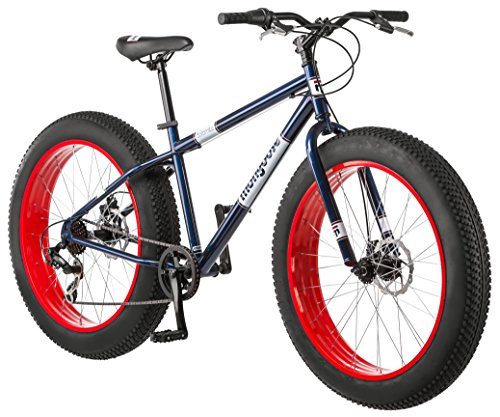

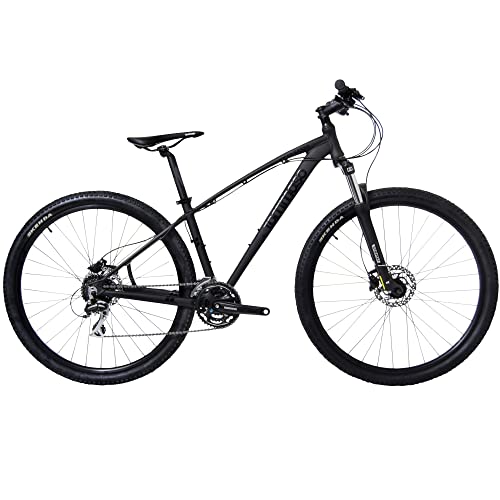
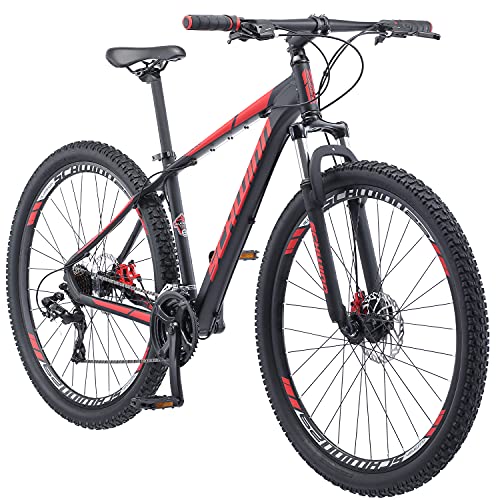


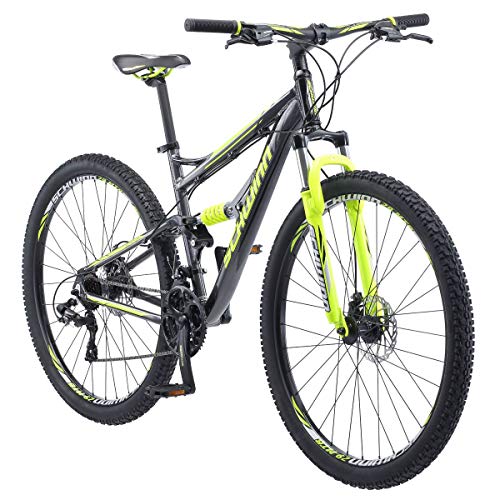


Who Should Buy Which Mountain Bike?
Start with the trails you ride most weeks, not the hardest trail you might visit once a year. Your climbs, descents and budget will point to one group.
New Trail Riders on Smooth and Moderate Ground
You ride fire roads, park trails and woodland singletrack without large drops. A hardtail gives you a light, simple bike that climbs well and costs less to maintain. If you are starting out, see our guide to the best starter mountain bike.
Trail Riders Who Descend Rough and Steep Ground
You ride rooty, rocky trails where traction matters more than pedalling speed. A full suspension bike keeps the rear tire on the ground, which helps braking and cornering, but it weighs more and costs more to service. For a broader view, see our guide to the best mtb mountain bike.
Riders Who Want Help on Long Climbs
You enjoy descents but lose energy on repeated climbs. An electric mountain bike with a mid drive motor adds assistance as you pedal, so you can repeat laps, but it weighs much more and needs charging. If low confidence is your main barrier, see our guide to the best novice mountain bike first.
Key Features to Compare
Compare these factors in the same order on every bike, so one upgraded part cannot hide a frame that does not fit.
Suspension Type and Travel Amount
A hardtail has a front suspension fork and a rigid rear end, while a full suspension bike adds a rear shock so the back wheel can move as well. Travel is how far a wheel can move, in millimeters. About 100 to 120 mm suits smooth cross country trails, about 130 to 150 mm suits mixed trails, and about 160 to 180 mm suits steep enduro ground. More travel smooths bigger hits but adds weight and can feel soft on climbs.
Wheel Size, Tires and Tubeless Setup
Most mountain bikes use 29 inch wheels or 27.5 inch wheels, and some mix a larger front wheel with a smaller rear wheel. Larger wheels roll over roots and rocks with less effort, while smaller wheels feel quicker to turn. Tire width is commonly about 2.3 to 2.6 inches, with wider tires gripping better at lower pressure. A tubeless setup removes the inner tube and uses sealant instead, letting you run lower pressure for grip while sealing many small punctures.
Hydraulic Disc Brakes and Rotor Size
Hydraulic disc brakes use fluid to push the pads against a metal rotor, giving strong stopping power with light finger effort. Mechanical disc brakes pull the pads with a cable and need more hand force and more frequent adjustment. Larger rotors shed heat better on long descents, and many trail bikes use about 180 to 200 mm at the front and about 160 to 180 mm at the rear. On steep or wet trails, hydraulic brakes belong high on your list.
Drivetrain and Gearing Range
The drivetrain is the chain, chainring, cassette and shifters that move the chain between gears. Most modern mountain bikes use a single front chainring, called a 1x setup, paired with a wide range cassette. This gives simple shifting and a low gear for steep climbs. Judge the lowest gear rather than the gear count, because it decides whether you can pedal a climb or must walk it. A known groupset also makes spare parts easier to find.
Frame Material, Geometry and Fit
Aluminum frames balance strength, weight and price, carbon frames are lighter and stiffer but cost more, and steel frames feel forgiving but weigh more. A slacker head angle feels calmer at speed on descents, while a steeper angle feels livelier on climbs. Reach, the horizontal distance from the bottom bracket to the top of the head tube, sets how stretched out you feel. Judge size by reach and standover height together, and value a dropper post, which lowers the saddle by lever for descents, on steep ground.
Mountain Bike Types Compared by Trail and Riding Style
There is no single best bike for mountain use for every trail, because each type trades climbing ease, control, weight and price differently.
Cross Country Bikes for Speed and Climbing
Cross country bikes are the lightest mountain bikes, with about 100 to 120 mm of travel and geometry that favors pedalling. They climb fast but demand care on rough descents. Prices start at about $800 for a hardtail and rise to about $3,000 or more for full suspension models.
Trail and All Mountain Bikes for Mixed Ground
Trail bikes sit in the middle, with about 130 to 150 mm of travel and tires that grip without feeling slow on climbs. They suit riders who want one bike for varied local trails. Expect to pay about $1,500 to $4,000 for a capable model. Readers comparing complete bikes can also see our guide to the best bicycle mountain bike.
Enduro and Downhill Bikes for Steep Descents
Enduro bikes carry about 160 to 180 mm of travel, slack geometry and strong brakes, built to descend fast while still pedalling up. Downhill bikes go further, and most riders reach the start by lift or shuttle. Both feel slow on flat trails, and prices run from about $2,500 to $6,000 or more, so buy this type only for steep ground.
Electric Mountain Bikes for Assisted Riding
Electric mountain bikes add a motor and battery to a trail frame, usually a mid drive motor that assists your pedalling through the cranks. Battery size is often about 500 to 750 Wh, and larger batteries add range and weight. These bikes cost about $2,500 to $7,000, weigh far more to lift onto a rack and may be restricted on some trails, so check access rules first.
Common Mistakes to Avoid
These errors are common, and each is cheaper to avoid than to fix.
- Buying travel for the hardest trail you know leaves you pedalling a heavy bike on the easy trails you ride weekly.
- Choosing frame size by height alone can leave you stretched out or cramped, because brands size their reach very differently.
- Ignoring brake rotor size on steep ground leads to fading brakes and sore hands partway down a long descent.
- Running tire pressure too high reduces grip on roots and loose corners, so slides turn into falls.
- Spending the whole budget on the bike leaves nothing for a helmet, pump and basic tools.
- Buying an electric model without checking trail rules can leave you with a bike you cannot ride on your favorite routes.
How to Make Your Bike Last Longer
Check tire pressure before every ride, because correct pressure protects your rims as well as your grip. Wipe the chain after wet rides, add chain lube about every 100 to 200 miles, and wipe off the excess so dirt does not stick. Rinse mud off with low pressure water rather than a jet, which can force water into bearings.
Have a professional tune up once a year, or sooner if shifting grows noisy. Ask the shop to check brake pad wear, chain stretch and suspension seals. Store the bike indoors and dry, and inspect the frame for cracks after any hard crash.
FAQ
What features matter most in a mountain bike for rough trails?
Fit matters most, because a mountain bike that fits lets you use every other part well. After fit, judge braking on your steepest usual descent and grip on your loosest surface. Ride the same short loop twice and note where your hands or shoulders tire first. That pattern tells you more than a parts list ranked by price.
How much should I spend on my first mountain bike?
Spend about $600 to $1,200 for a first mountain bike you plan to ride weekly. Below that range, forks and brakes often limit how rough a trail you can enjoy. Keep about 15 percent of your budget aside for a helmet, gloves, a floor pump and a repair kit, because those items decide whether a minor problem ends a ride or just pauses it.
How far can an electric mountain bike go on one charge?
An electric mountain bike can often travel about 25 to 60 miles on one charge. Range falls at the highest assist level, on long climbs and in cold weather, and it rises on gentle routes at lower assist. Learn from the battery display on your first rides, because trail riding drains a battery faster than road figures suggest.
What size mountain bike do I need for my height?
You need the mountain bike size whose reach and standover height suit your body, not a size chosen from height alone. Stand over the frame in riding shoes and confirm clear space above the top tube, then check that you can reach the brakes without locking your elbows. Riders between sizes often do better on the smaller frame for technical trails, because a shorter reach is easier at low speed.
What electric mountain bike class is legal where I live?
The legal class for an electric mountain bike depends on your state, land manager and trail. In the United States, e bikes are grouped into classes by top assisted speed and by whether they have a throttle, and many dirt trails allow only the lowest class or no motor at all. Check the current rules for your exact trails before you buy.
The Bottom Line
Match the type to your trails first: a hardtail for smooth ground, a full suspension trail bike for rough ground, and an electric model only where motors are allowed. Then compare travel, brakes and gearing, and confirm the fit in person. Use the product table to check type, travel and price.
Chosen this way, the best bike for mountain riding fits your body, stops safely on descents and makes you want to ride again.


