
Best Bike for City and Mountain: Complete Buying Guide for 2026
Disclosure: We may earn a commission when you buy through links on this page, at no extra cost to you. As an Amazon Associate I earn from qualifying purchases. Learn more

Use this buying guide for the best bike for city and mountain to compare tires, gears, fit and brakes and choose one bike for both kinds of rides.
One bike for weekday streets and weekend dirt is a realistic goal if you accept smart trade offs on tires, gearing, and weight. The best bike for city and mountain use is usually a hardtail or a sturdy gravel capable hybrid that can swap tire pressure and accessories between roles. This guide shows you how to judge that balance so one bike truly serves both places.
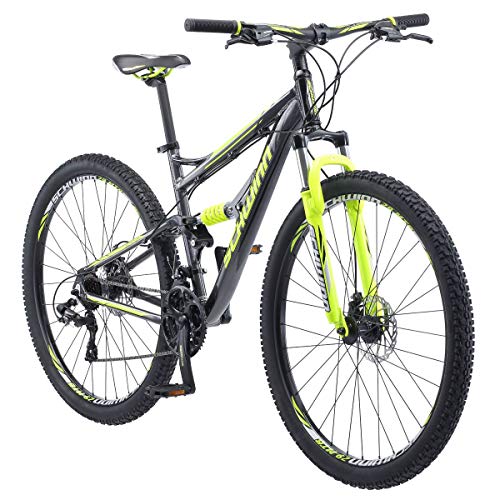
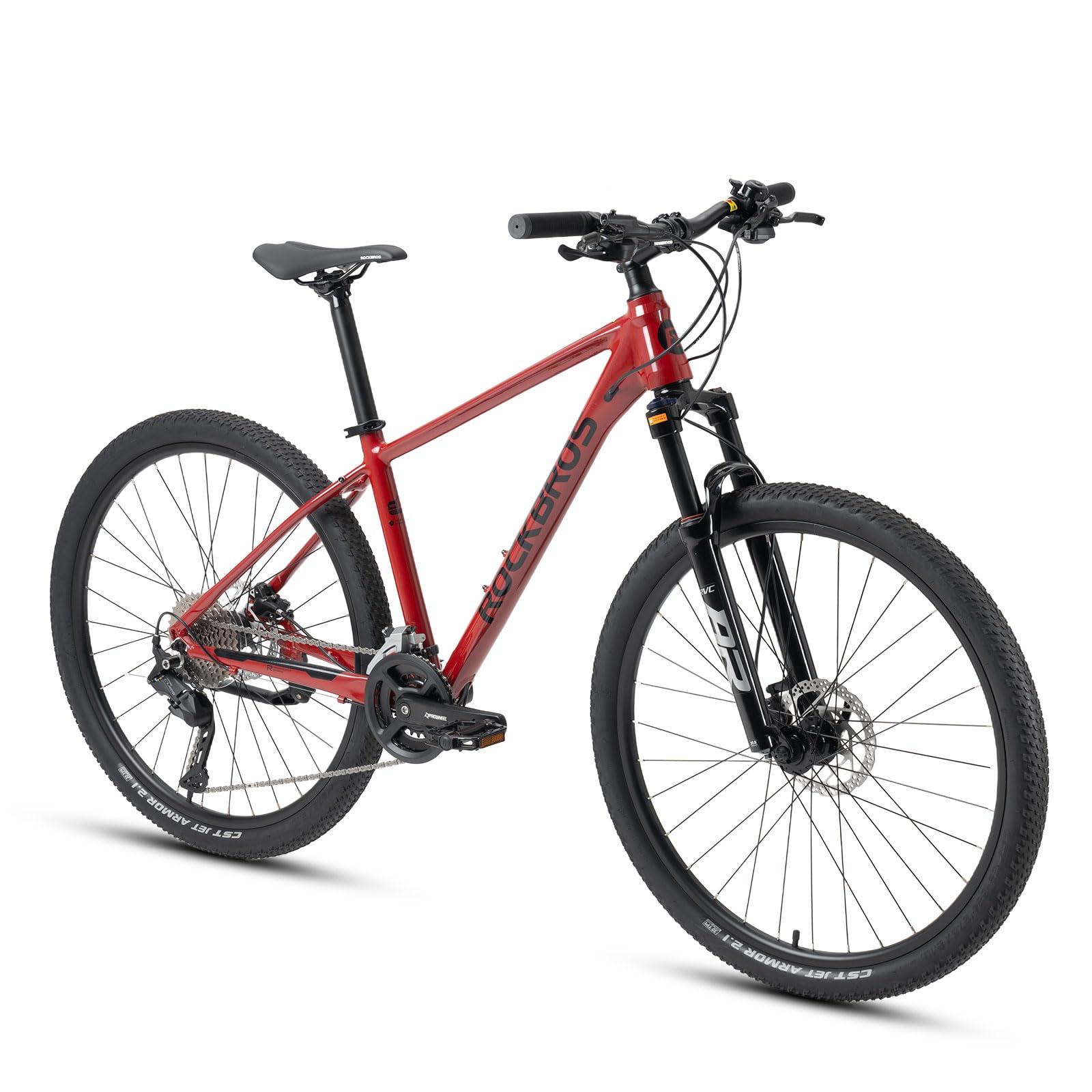
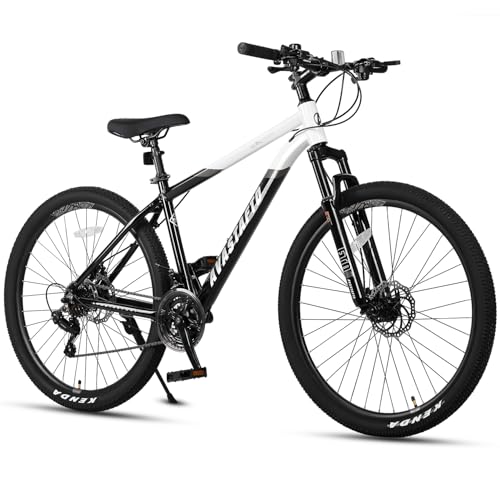
The comparison table below helps you compare wheel size, tire width, and brake type across models. Read on for how each spec behaves on pavement during the week and on trails when the weekend comes.




Price Tiers and What Each Tier Delivers
Mid Range Tier
Bikes around $900 to $1,400 in this tier usually combine an alloy hardtail frame, an air fork with a lockout, hydraulic disc brakes, and tubeless ready wheels. That mix pedals well on roads when you lock the fork and raise tire pressure, then grips on dirt when you lower pressure and open the fork. This tier suits riders who split time evenly between commuting and trail riding. It also leaves a clear upgrade path, since the frame accepts better tires, a dropper post, and stronger wheels later.
Value Tier
Value models around $500 to $900 keep the same basic shape with a coil fork, simpler gears, and tires that lean toward one role. Many lean toward the city, with smoother tires you will want to swap for trail days. Others lean toward dirt, with knobby tires that feel slow on long pavement rides. Pick the bias that matches your most common ride. This tier works well if your trails are smooth and your city rides are short to moderate in distance.
Upgrade Tier
Upgrade tier bikes, often $1,400 to $2,200, add lighter frames, wider range 1x gearing, and wheels that accept both fast road tires and grippy trail tires. Some use carbon forks or frames that smooth road buzz while keeping trail control. A dropper post and four piston brakes may also appear. This tier suits riders who know they will keep one bike for years and ride demanding trails plus long city commutes. The extra cost buys versatility without buying a second bike.
How to Choose the Best Bike for City and Mountain
Features That Matter for City and Mountain
Dual use riding needs mounts for racks and fenders for city duty, plus tire clearance and low gears for dirt climbs. Look for clearance for tires at least 2.1 inches wide, rack eyelets, and a fork lockout. Gearing should include a low gear easy enough for steep dirt and a high gear that does not spin out on descents into town. The best bike for city and mountain riding is the one whose compromises match your actual week, not an ideal week you imagine.
Bike Type and Riding Style
A hardtail mountain bike is the most honest dual use choice, because its upright position works in traffic and its fork and tires handle real trails. Gravel bikes are faster on pavement and dirt roads but struggle on rocky singletrack. Hybrids feel fine on paths and smooth dirt but often lack low gears and strong brakes for hills. Think about your roughest regular ride, then choose the type that handles it safely. Everything easier than that ride will feel fine.
Frame Material and Geometry
Aluminum frames dominate this category because they balance cost, stiffness, and weight, and they tolerate city lockup knocks well. Steel feels smooth and repairs more easily but weighs more. Carbon saves weight and damps vibration, yet costs more and needs care around racks and clamps. Geometry should sit between road and trail extremes, with a head angle around 67 to 69 degrees for hardtails, giving stable steering on descents without feeling sluggish in city turns.
Wheel Size and Tires
Wheels sized 29 inches roll over roots and potholes more smoothly and hold speed well on roads, while 27.5 inch wheels feel quicker to turn in tight city traffic and tight trail corners. Tire choice matters more than wheel size. A moderate knob tire around 2.2 inches wide with a denser center tread rolls acceptably on pavement and still grips dirt. Tubeless setup lets you run lower pressure on trails for grip and raise it for road days without swapping tubes.
Weight and Components Upgrade Path
Expect a dual use hardtail to weigh around 28 to 34 lb. Much heavier and city carrying up stairs or onto transit becomes a chore. Much lighter usually means a price jump or parts biased to one role. Check that the frame and fork accept upgrades you may want, such as a dropper post, tubeless wheels, and a wider range cassette. A good upgrade path lets the same bike grow as your trail skills or commute distance grow.
Motor, Battery, and Range for E Bikes
Electric versions add a hub or mid drive motor and a battery rated in watt hours, often 400 to 700 Wh. Mid drive motors climb better and feel more natural on trails, while hub motors cost less and suit city first use. Class 1 bikes assist only while you pedal up to 20 mph and are allowed on more trails, while class 3 bikes assist to 28 mph and are usually road and path only. Confirm local rules and choose a charger and battery with UL 2849 certification for safer charging.
Brakes: Hydraulic vs Mechanical Disc
Hydraulic disc brakes give strong, steady stopping in rain, on city streets, and on dirt descents with light finger effort. Mechanical disc brakes cost less and are simple to adjust, but they fade more on long hills and need more hand force. For a bike that descends loaded with a rack bag in traffic and also descends trails, hydraulic brakes are the safer default. Larger rotors, 180 mm up front, help heavier riders and loaded commuting.
Types of Bikes
Commuter E Bikes
Commuter e bikes excel at hills, headwinds, and arriving without sweat, and many handle smooth gravel paths well. Their weight, road biased tires, and sometimes limited trail access make them a partial answer rather than a full dual use bike. They suit riders whose mountain time means forest roads and easy paths. If you choose one, pick a model with wider tires and strong brakes, and plan a second tire set if trails get rougher.
Road and Gravel Bikes
Road and gravel bikes are the fastest option on pavement and pleasant on graded dirt roads. Drop bars give several hand positions for long city and country rides. Their limit is technical trails, where narrow tires, no suspension, and a stretched position reduce control. They fit riders whose mountain riding means climbing paved or gravel mountain roads rather than singletrack. Tire width around 40 to 50 mm widens what they can handle.
Hardtail Mountain Bikes
Hardtail mountain bikes cover the widest range, from city errands to genuine singletrack, at the lowest total cost. A fork lockout and tire pressure changes are your two main tools for switching roles. Add a rear rack for commuting and remove it for trail weekends if you want less weight and rattle. For most dual use buyers, this is the starting point and often the final answer. Our guide to the best mountain bike for city riding goes deeper on setup for pavement days.
Tips to Get the Most From Your Bike
- Check tire pressure before every ride. Use higher pressure for pavement and lower pressure for dirt, within the range printed on the tire sidewall.
- Clean and lube the chain every 100 to 200 miles. City grit and trail dust both wear the drivetrain fast, so wipe, lube, and wipe again.
- Have a professional tune up yearly. A shop can true wheels, check brake pads, and service the fork before small issues become costly ones.
- Charge e bike batteries at room temperature. Use the maker charger, avoid charging right after a hot ride, and store the battery partly charged if the bike sits for weeks.
- Use two locks in the city. A strong U lock plus a cable for wheels deters theft better than one lock alone, and locking to fixed racks matters as much as lock choice.
Tire swaps are the cheapest way to shift the balance of a dual use bike. Our guide to the best city tire for mountain bike explains tread and width choices for pavement. If your trail ambitions grow beyond what a hardtail should handle, compare with our guide to the best all mountain mountain bike before you buy twice. And if destination riding inspires you, our guide to the best mountain bike cities and trail notes like our guide to the best mountain bike trails park city can help you plan trips your one bike can actually handle.
Bikes: Your Questions Answered
What features matter most in bikes for city and mountain?
Tire clearance, a fork lockout, low gearing, and hydraulic brakes matter most. Together they let one bike climb dirt, stop in city rain, and roll efficiently on pavement. Rack and fender mounts add daily value that pure trail bikes often lack. Judge any model by its weakest role. If it fails your roughest trail or your wettest commute, it is not truly a dual use bike for you.
How far can an e bike go on one charge?
Most dual use e bikes travel about 25 to 60 miles per charge depending on battery size, assist level, hills, and load. City stop and go riding uses less energy than steep trail climbing at high assist. A removable battery helps if you must charge indoors at work.
What e bike class is legal where I live?
Rules vary by state, city, and trail system, so check local sources before you buy. In many places class 1 pedal assist bikes are allowed on more trails, while class 2 throttle bikes and class 3 fast bikes are limited to roads and specific paths. Land managers can set stricter rules than state law. A regular non electric bike avoids all of this, which is one reason many dual use riders stay unpowered.
How much should I spend on my first bike?
Budget around $700 to $1,300 for a new dual use hardtail that will last, plus a helmet, lock, lights, and a pump. Cheaper bikes often skimp on brakes and forks in ways you feel in both city and trail use. If money is tight, a quality used hardtail checked by a shop beats a new bike with a suspension fork that barely works. Lights are not optional for city riding after dark.
Hardtail or full suspension for beginners?
A hardtail suits dual use beginners better because it pedals efficiently in the city, costs less, and needs less service. Full suspension helps on rough trails but adds weight and price that hurt commuting. If your trails are mostly smooth and your commute is daily, the hardtail wins clearly. Choose full suspension only when trail riding is your main use and your budget covers upkeep.
What size bike do I need?
Use the brand chart with your height and inseam, then check standover and reach. On a dual use bike you want a slightly more upright reach than a race bike, for traffic awareness and trail control. Your saddle height should allow a slight knee bend at the bottom of the stroke. If you carry the bike up stairs often, also check its weight in the shop, not just its ride feel.
Final Thoughts
Decide which role matters more, then choose tires, gearing, and brakes that protect the weaker role rather than perfect the stronger one. That mindset leads to a bike you ride daily instead of a specialist you ride rarely. Compare options in the product table above, then pick the best bike for city and mountain model that fits your body, your routes, and your storage space.


